
More and more people are using apps to identify plants, and they’re often accurate with what they see. But the plants people use the apps on often grab attention because they’re striking in some way, and so offer features that make them easier to identify. What happens when you’re not picking and choosing plants to identify? A team from the University of Alberta examined how accurate two apps, iNaturalist and Flora Incognita, were when given photos taken from surveys.
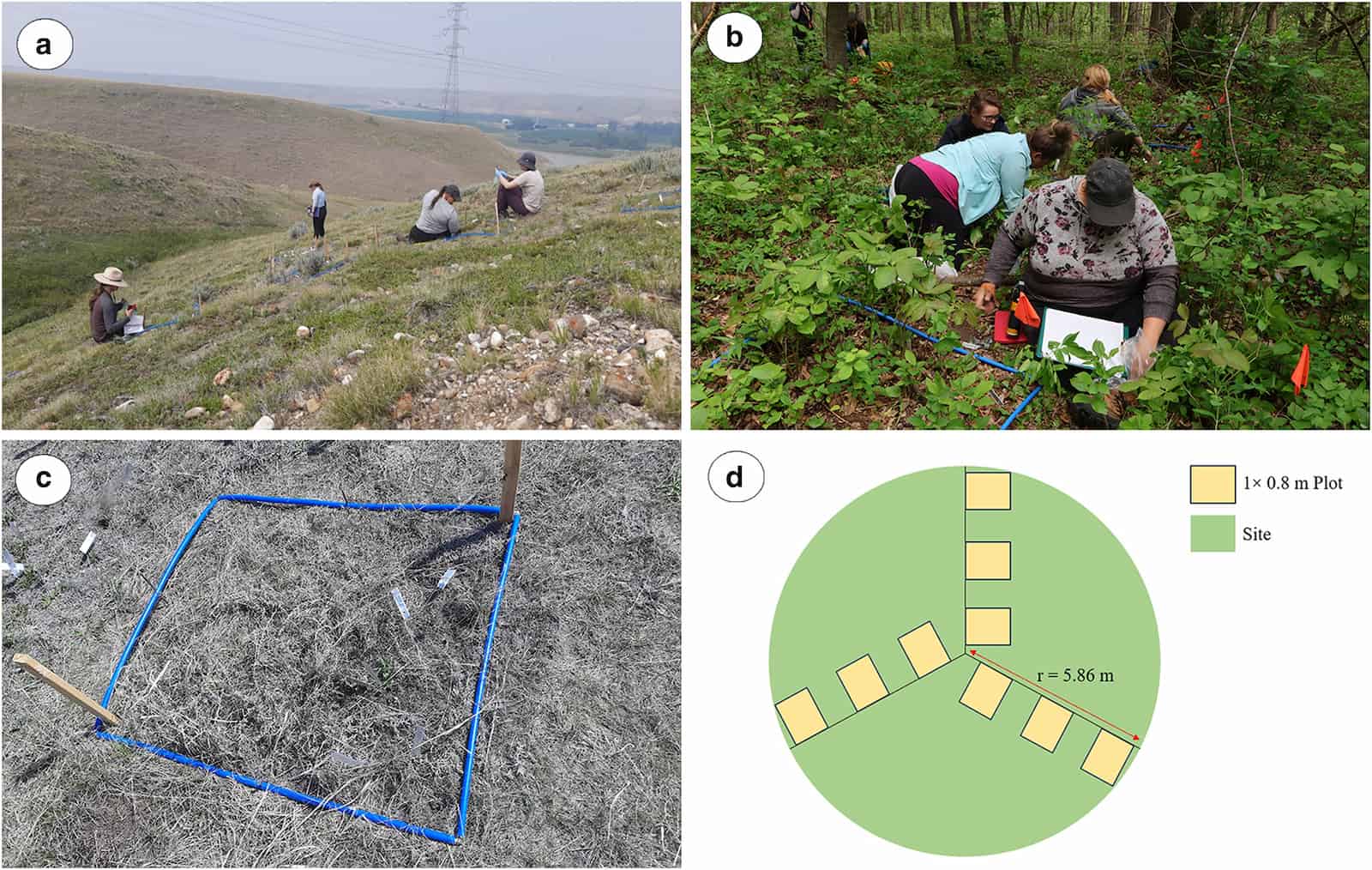
Plot survey is a lot harder for apps because an area is chosen, usually a small square, and then species in it are identified. Those plants in the survey area might have physical damage due to herbivory or disease. Or they might simply be immature and not developed.
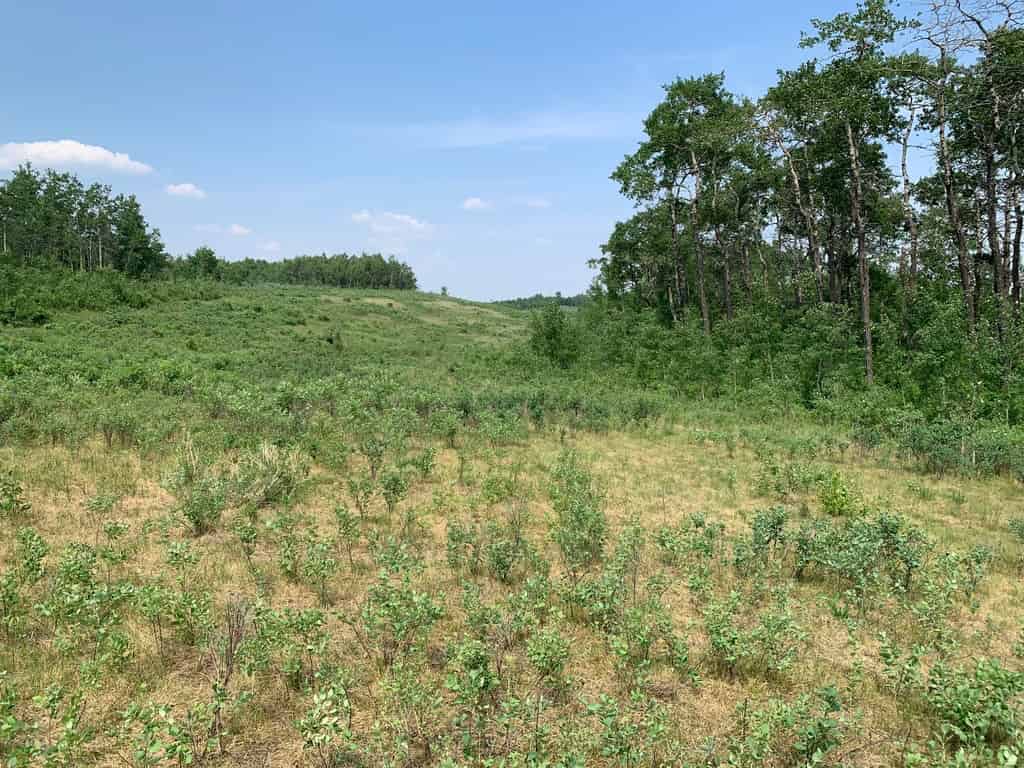
To test the apps, Wanigasinghe and colleagues studied how they performed on plots, not just to see how they did, but also what they could do to help the apps perform better. They set up surveys in the Grasslands Natural Region and the Parkland/Boreal Natural Regions transition in Alberta. At each of the regions, they set up three sites with nine plots per site in a fixed radial design. Within plots the experts marked individuals to guide photography, so the same specimens were assessed by both methods.
They found that Flora Incognita’s Top-1 accuracy was 79% while iNaturalist was 67%. Both fell short of what Wanigasinghe and colleagues consider the level of an experienced botanist, at 90-95%. But they also found there were ways to improve accuracy.
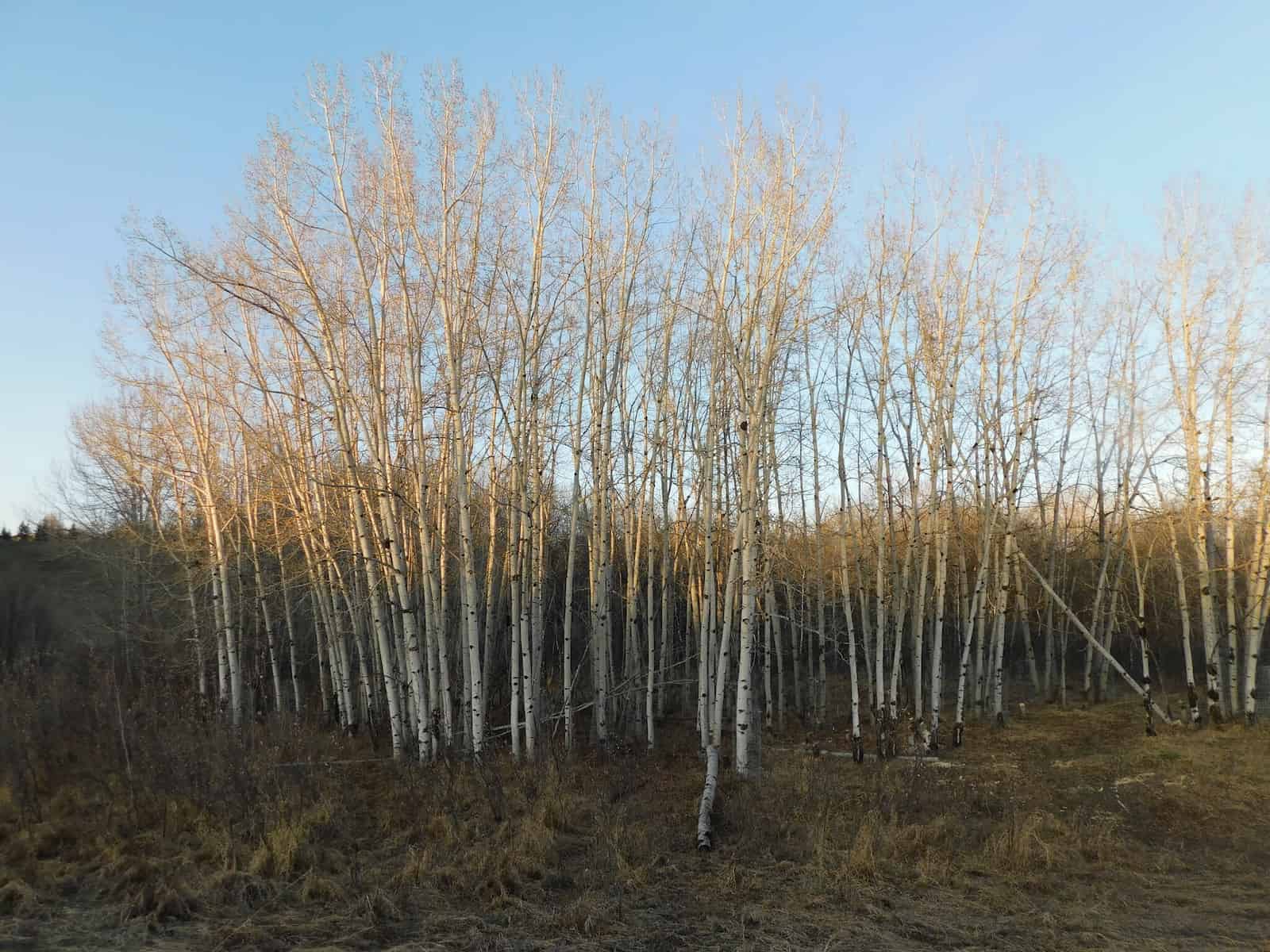
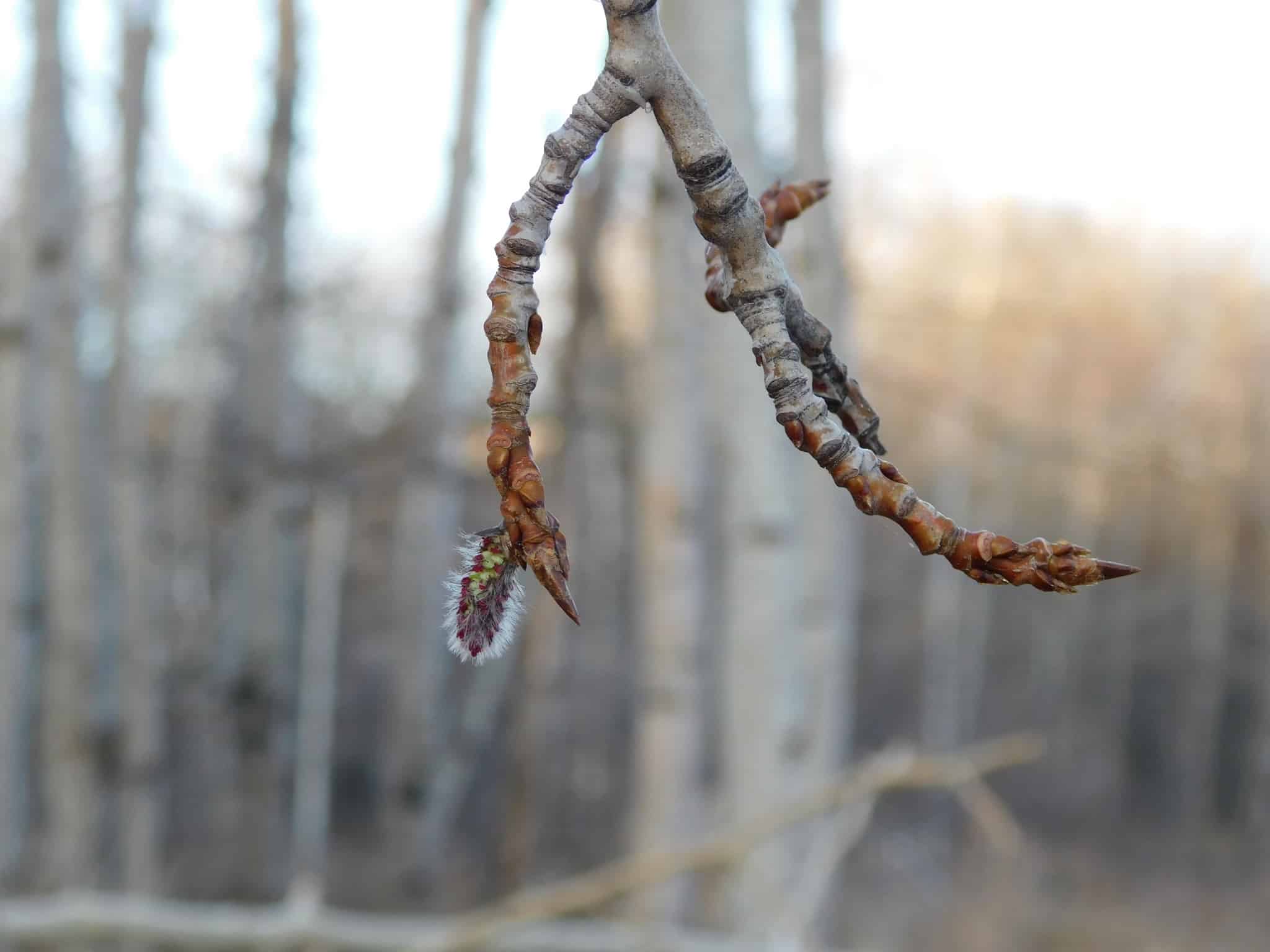
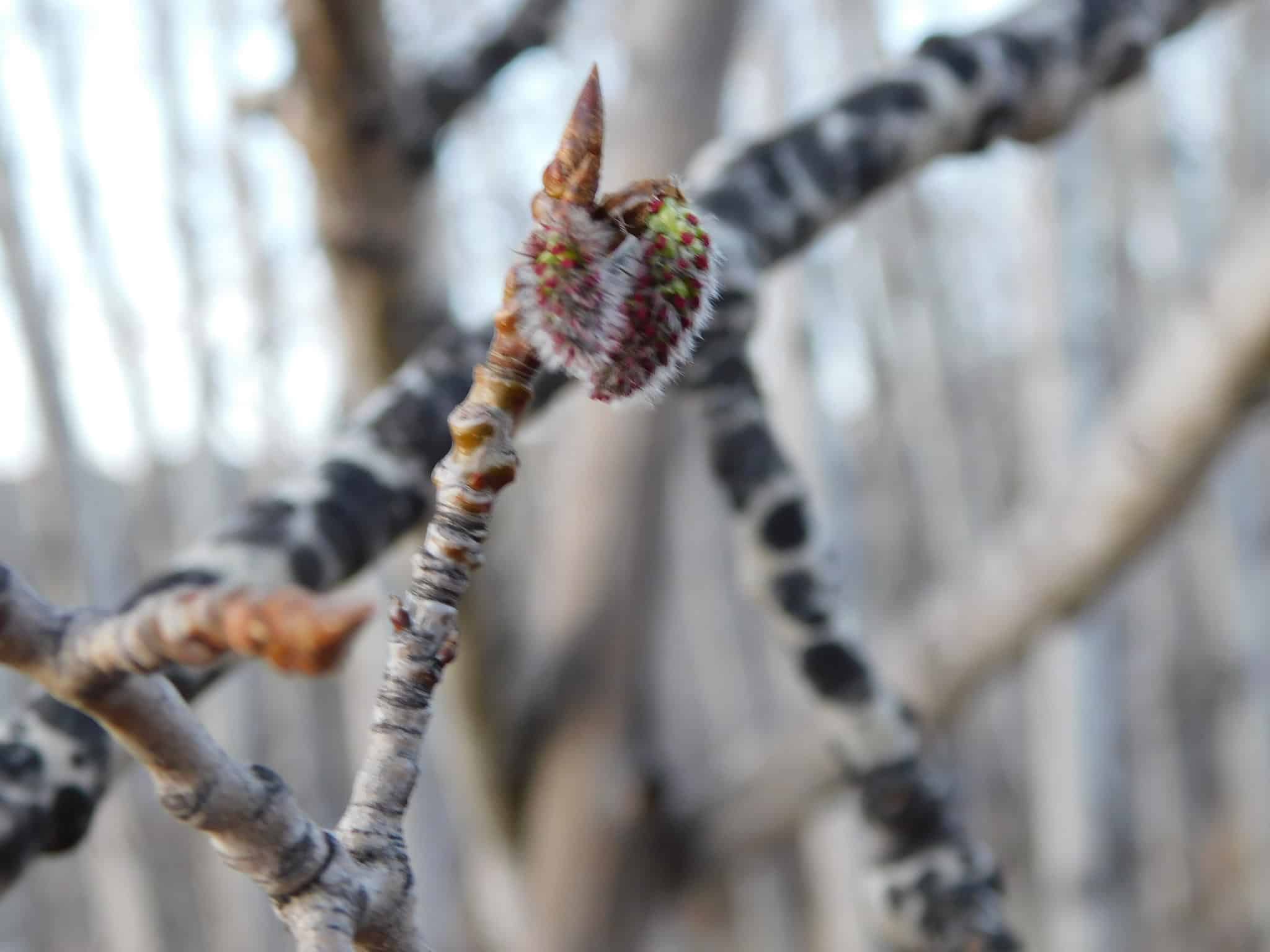
First, it helps if you can photograph something diagnostic. That means photographing something reproductive, something like flowers, florets or fruits. If your plant isn’t flowering, then you start at a disadvantage. So timing your survey is probably the best thing you can do to get the best results
If you use iNaturalist, the next biggest boost was to take a good photo. This was worth 15-23% compared to what they called low and average quality images. Another way to improve accuracy was to take multiple images from different angles. Flora Incognita allows users to combine images to improve suggestion accuracy. iNaturalist takes a different route. You can upload multiple images, but the suggestion still only comes from one photo. Wanigasinghe and colleagues argue that iNaturalist could improve its accuracy by combining images in an assessment. However, the human element of people reviewing iNaturalist images means that multiple images are still a good idea.
Not surprisingly, grasses and sedges were where the gap between apps and humans was greatest. Here the technique is to fill the frame with one species. This gained 20% in Flora Incognita and 9% in iNaturalist, though statistical analysis shows that 9% might not be significant for iNaturalist. One of the problems for the survey were the conditions. Wanigasinghe and colleagues write:
In 2023, plant growth and development in grassland sites were impacted by precipitation levels that were less than half of the 30-year average. This limited photography of fruiting and flowering plants, including graminoids. For example, 74% of the graminoid images we collected featured only vegetative structures. In such challenging field conditions, the multiple perspective combination approach plays a crucial role in improving identification accuracy.
The problem with these photography techniques is that they take time. It’s fine for me, because I want to know the identity of a species, so I’m happy to take multiple photos to see how to identify a plant. When you’re doing this as work that extra time for every plant in the survey increases how long it takes to do a survey by twice to three times an expert survey by a human.
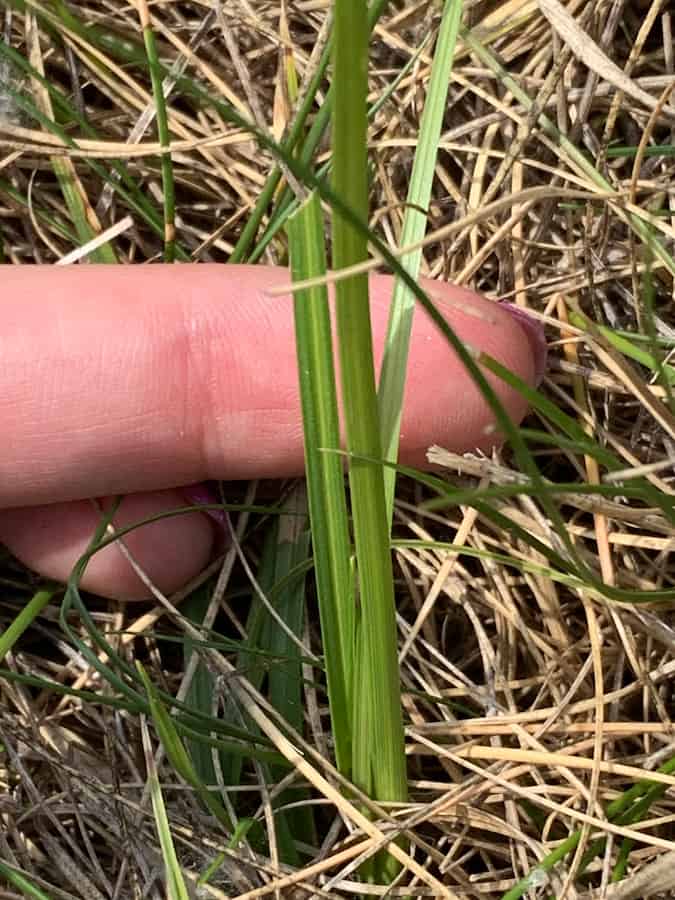
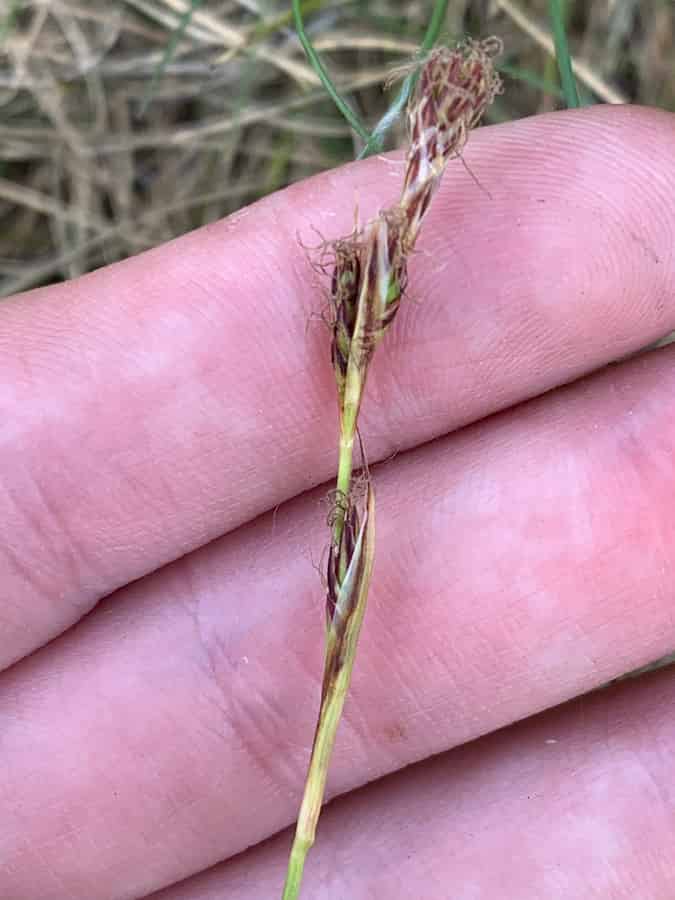
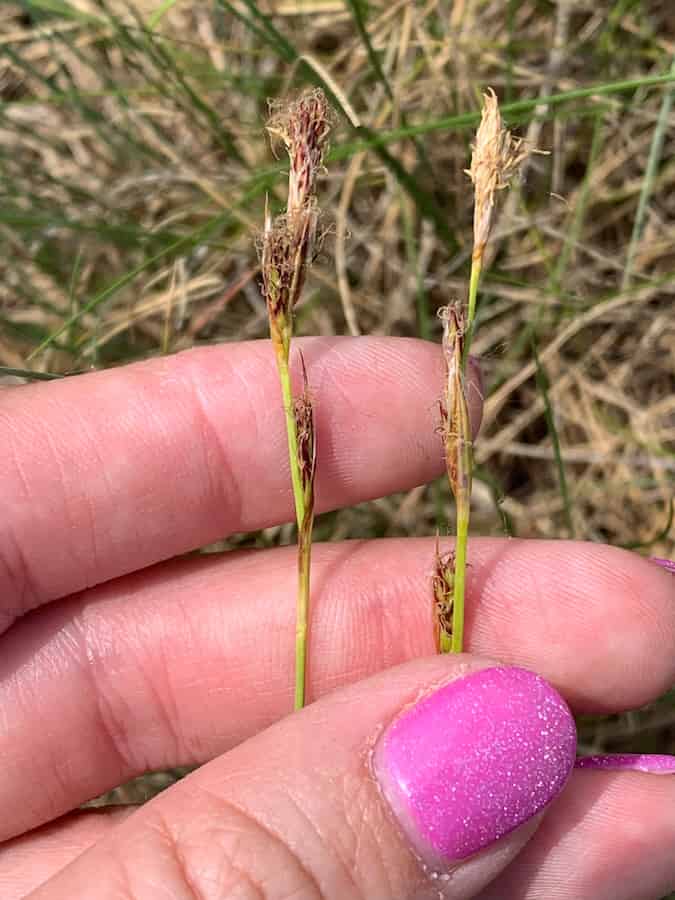
It’s not all bad news for the apps though. Wanigasinghe and colleagues comment: “Genus/family-level identification, or grouping difficult taxa into complexes or aggregates, is a widely accepted pragmatic compromise in ecological monitoring and field surveys when species-level identification is not feasible in the field due to visual similarity or observer limitations (inexperienced field technicians, etc.).“ Flora Incognita had an accuracy of 88.4% for genera. Not human-level but closer. They also calculated that adding more images to an observation would increase genus accuracy from 74% to 80% for iNaturalist if it used multiple images to identify a species.
The authors also cite Jones & Jones’s work on app accuracy, which found a 20% increase in accuracy between 2020 and 2023. It’s worth remembering that it takes time to get a paper to publication, and this is highlighted by the authors, who write: “...the accuracy presented in our study represents a snapshot of mobile app performance at the time of testing.” They note monthly improvments
But increased accuracy is not the only potential use for photos in the future say Wanigasinghe and colleagues: “While most AI research in botany has focused on improving plant identification accuracy by addressing errors and biases, the real promise of photo surveys has just begun to be explored. Botanists are shifting towards training and applying deep learning models beyond species identification.” Photos gathered now could help answer questions about phenotypic variation, trait data, and environmental data, meaning more questions can be asked from the same data in the future.
READ THE ARTICLE
Wanigasinghe, I., Haughland, D., Pyle, L., Villeneuve, M., and Nielsen, S.(2026) Evaluating species identification apps as a tool for small plot-based surveys of vascular plants in Alberta, Canada. AoB PLANTS, 18(3). Available at: https://doi.org/10.1093/aobpla/plag020.
Cover image: Cornus canadensis by Kallum McDonald / iNaturalist CC0