
Dominant tree species in northern temperate forests, for example oak and beech, produce desiccation-sensitive seeds. Despite the potentially major influence of this functional trait on the regeneration and distribution of species under climate change, little is currently known about the ecological determinants of the persistence of desiccation-sensitive seeds in transient soil seed banks. Knowing which key climatic and microsite factors favour seed survival will help define the regeneration niche for species whose seeds display extreme sensitivity to environmental stress.
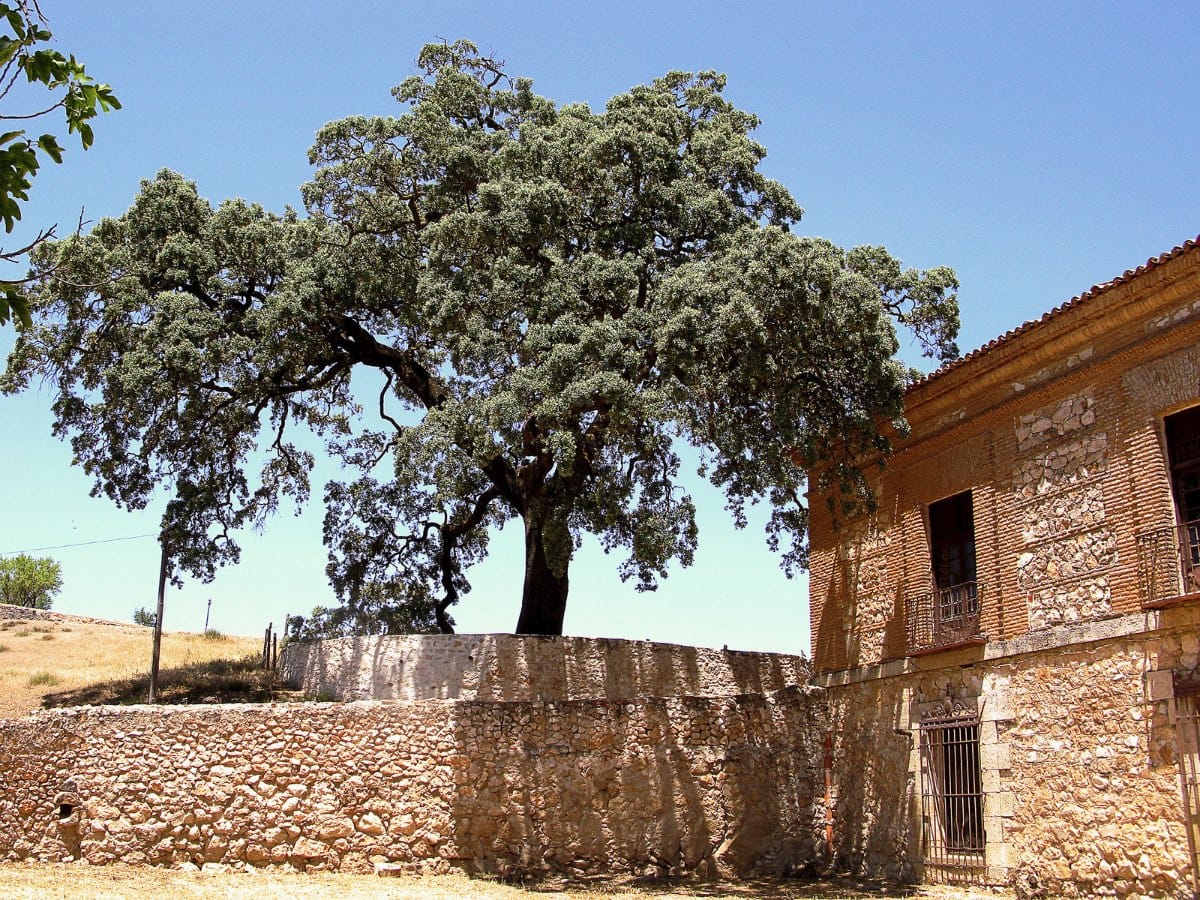
Joët et al. use the Mediterranean Holm oak (Quercus ilex) as a model system and monitor seed water status and viability during the unfavourable winter season in two years with contrasting rainfall. They find that in situ desiccation is the main abiotic cause of mortality in winter, and seed dehydration rates can be satisfactorily estimated using integrative climate proxies including vapour pressure deficit and potential evapotranspiration. Structural equation modelling of microhabitat factors highlights the major influence on seed desiccation of canopy and hence incident radiation on the ground.