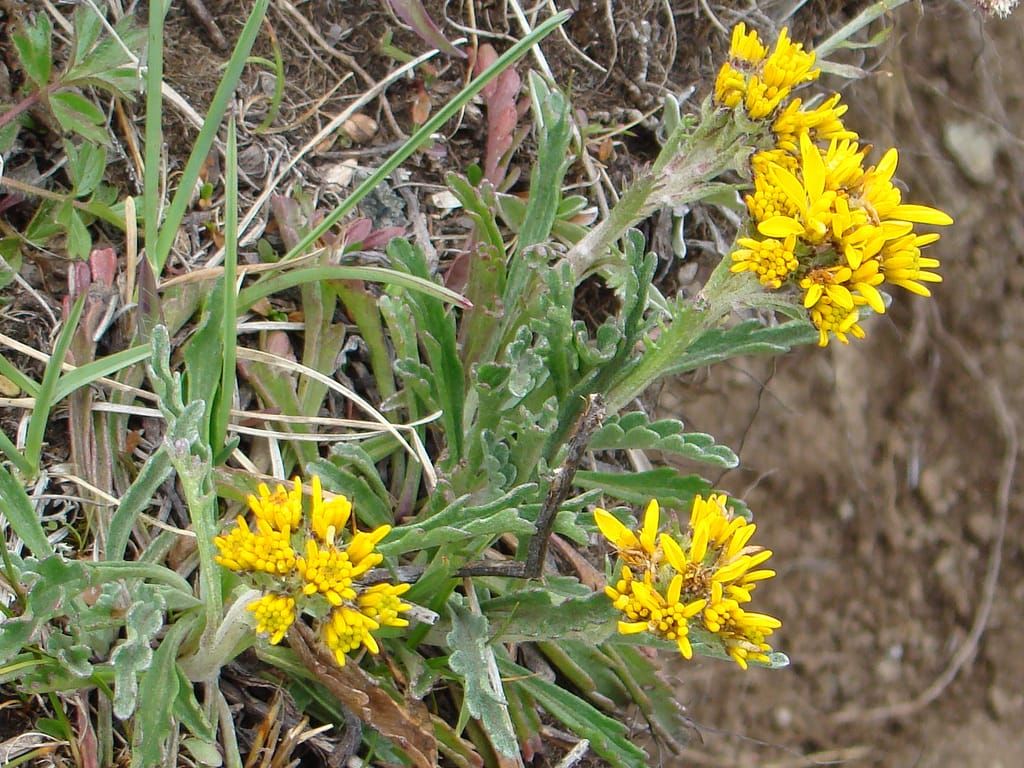
Grey Alpine Groundsel (Senecio incanus ssp. carniolicus)
annals-of-botany

Ecological differentiation of Senecio by ploidy is stronger in areas of sympatry

Characterizing ecological niches via Landolt indicator values of accompanying species, Sonnleitner et al. found that niches of four groups (two diploids, one tetraploid, one hexaploid) of Senecio carniolicus s.l. (Asteraceae) differed with respect to temperature, light and soil properties, but not i

https://www.botany.one/ecological-differentiation-of-senecio-by-ploidy-is-stronger-in-areas-of-sympatry/

Know someone who'd like this?

Ecological differentiation is an important speciation mechanism in polyploid complexes.
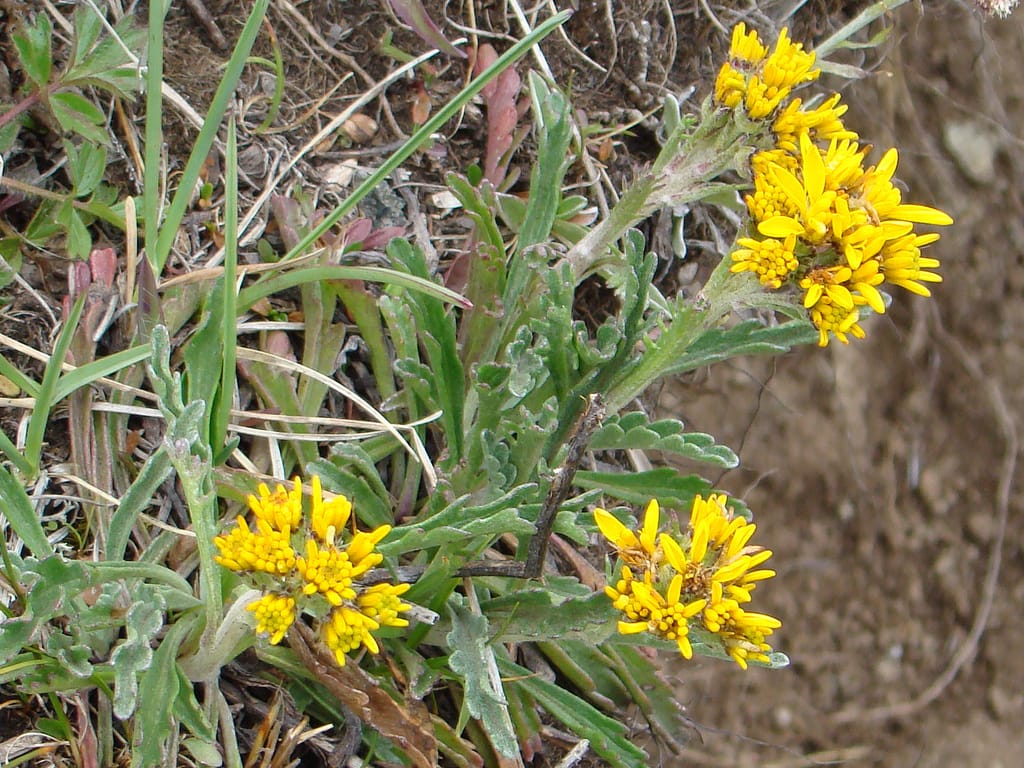
Grey Alpine Groundsel (Senecio incanus ssp. carniolicus)
Grey Alpine Groundsel (Senecio incanus ssp. carniolicus) . Photo: Werner Witte / Flickr.

Characterizing ecological niches via Landolt indicator values of accompanying species, Sonnleitner et al. found that niches of four groups (two diploids, one tetraploid, one hexaploid) of Senecio carniolicus s.l. (Asteraceae) differed with respect to temperature, light and soil properties, but not in their breadths. Niche differentiation was enhanced (niche displacement) where cytotypes co-occurred in sympatry with other cytotypes. Niche displacement potentially stabilizes contact zones between cytotypes and thus requires consideration in polyploidy research.

Liked this article?

Written by

botanyone

The Annals of Botany Office is based at the University of Oxford.

More from this writer

The nonprofit plant magazine

Lab science. Citizen science. Your source for plant science.