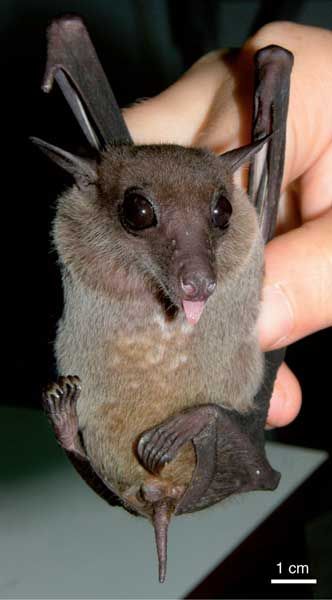
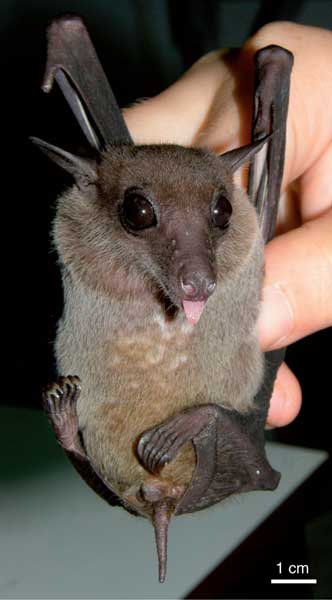
Eonycteris spelaea, a common nectar bat and important pollinator in Thailand.
annals-of-botany

Differential pollen placement increases pollination efficiency

Plant species that share pollinators are potentially subject to non-adaptive interspecific pollen transfer, resulting in reduced reproductive success. Mechanisms that increase pollination efficiency between conspecific individuals are therefore highly beneficial.

https://www.botany.one/differential-pollen-placement-increases-pollination-efficiency/

Know someone who'd like this?

Eonycteris spelaea, a common nectar bat and important pollinator in Thailand.
Eonycteris spelaea, a common nectar bat and important pollinator in Thailand. Image from Stewart and Dudash (2015).

Plant species that share pollinators are potentially subject to non-adaptive interspecific pollen transfer, resulting in reduced reproductive success. Mechanisms that increase pollination efficiency between conspecific individuals are therefore highly beneficial. Many nocturnally flowering plant species in Thailand are pollinated by the nectar bat Eonycteris spelaea (Pteropodidae).

Stewart and Dudash examined pollen transfer by E. spelaea, using different combinations of conspecific and heterospecific flowers in a flight cage. The four bat-pollinated flower species placed pollen on different areas of the bat’s body, and bats transferred significantly more pollen between conspecific than heterospecific flowers. Thus, in the Old World tropics, differential pollen placement is a mechanism that reduces competition for pollination among night-blooming plant species sharing a common pollinator.

Liked this article?

Written by

botanyone

The Annals of Botany Office is based at the University of Oxford.

More from this writer

The nonprofit plant magazine

Lab science. Citizen science. Your source for plant science.