
Plants are incredibly diverse, and so are botanists! In its mission to spread fascinating stories about the plant world, Botany One also introduces you to the scientists behind these great stories.
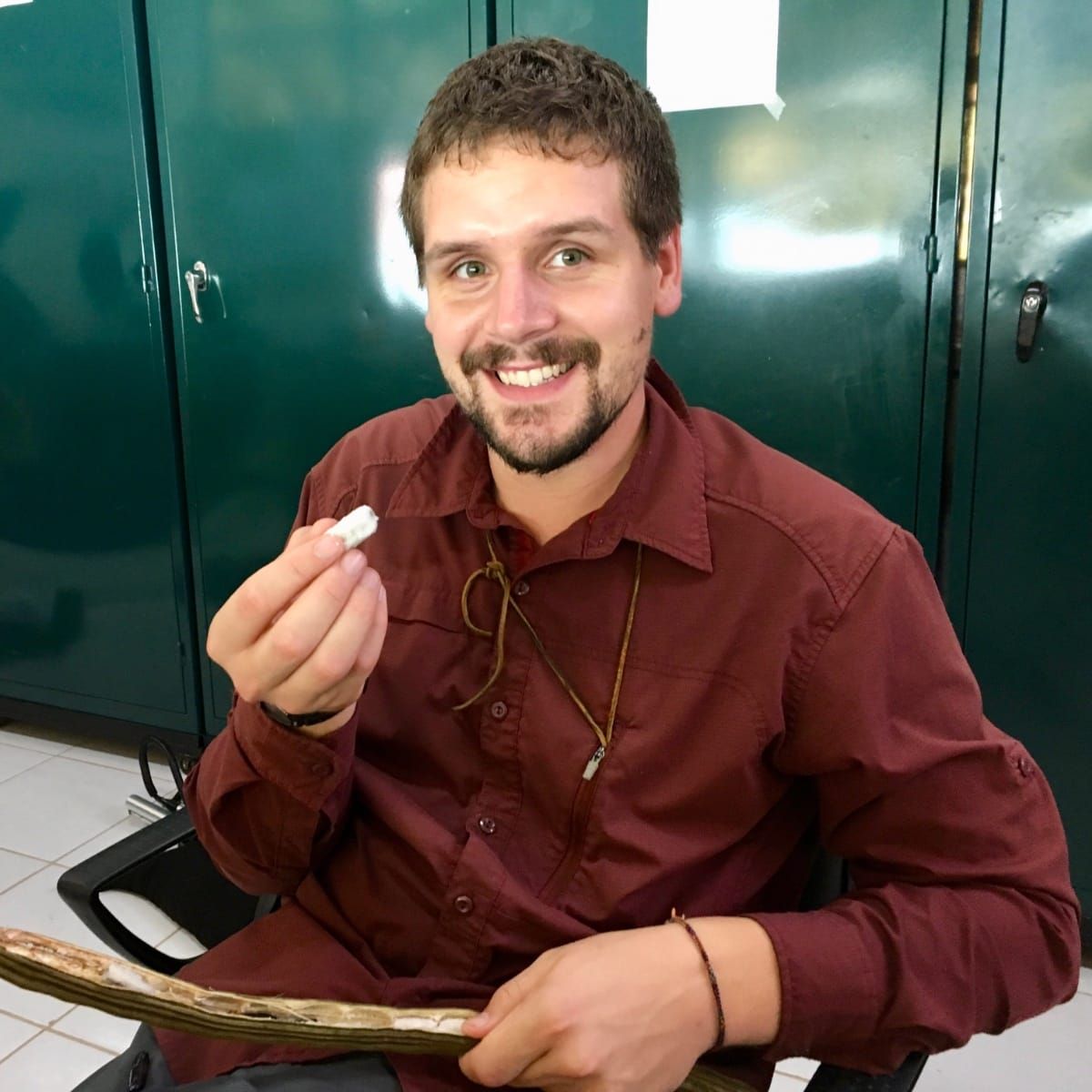
Today, we have Dr Dale L. Forrister, a chemical ecologist working to understand how the complex chemical cocktails produced by plants help them survive and shape their interactions with insect herbivores and fungal pathogens. His research combines ecology, evolution, plant systematics and metabolomics to link plant chemistry with ecological function.
Forrister is currently a Stengl-Wyer Postdoctoral Scholar at the University of Texas at Austin, where he is developing approaches in functional metabolomics. He uses mass spectrometry to examine how plant chemistry varies across tissues, species and environments, then combines these analyses with bioassays to determine what those compounds actually do. You can learn more about his work on his personal website.
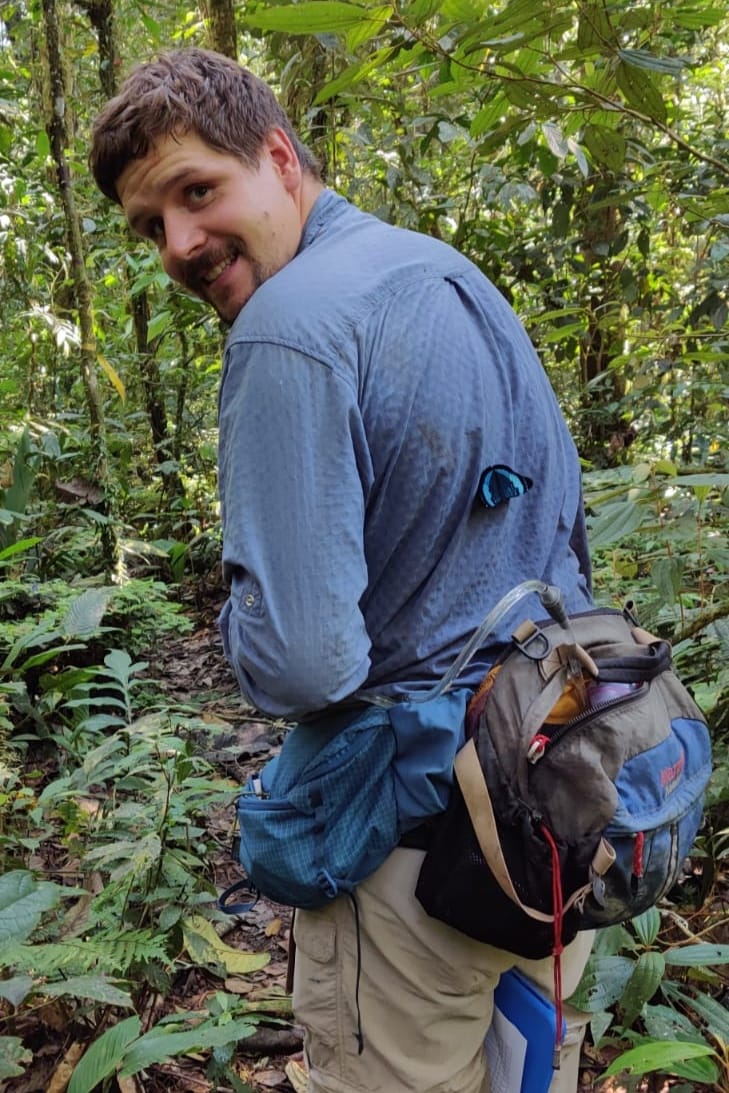
What made you become interested in plants?
Like many biologists, my interest in nature started in childhood. I grew up in rural Vermont in the northeastern United States, on a dirt road surrounded by maple trees. My dad, my sisters, and I used to tap about a dozen trees each year, collect sap and make maple syrup. Like many Vermonters, we also relied on that forest to heat our house, having to cut, split, and stack about 2 cords of wood each year. As idyllic as that sounds, I didn’t really appreciate how lucky I was until I left home, moved to a city and started studying biology in college. Like most people, I mostly saw the forest as just a wall of trees and a mass of green.
That changed when I was hired as a research assistant studying the tropical tree genus Inga in Yasuní, Ecuador—one of the most biodiverse forests on Earth. Our goal was to understand how tropical trees defend themselves against insect herbivores. It was a perfect fit for me: I had studied ecology, chemistry, and Hispanic studies as an undergrad, and suddenly I was working on a bilingual team doing chemical ecology in a hyper-diverse tropical forest.
One thing that stuck with me from that first summer was learning to identify nearly 50 species of Inga. Even working with world experts on the genus, we would stand around a single sapling and debate endlessly what species it might be. That experience taught me that each species has its own life history and ecological strategy, and that those differences shape interactions with herbivores, pathogens, and pollinators. If you want to understand tropical forests with over a thousand tree species, you must start with a single or a few species and try to learn what makes each one unique.
What motivated you to pursue your current area of research?
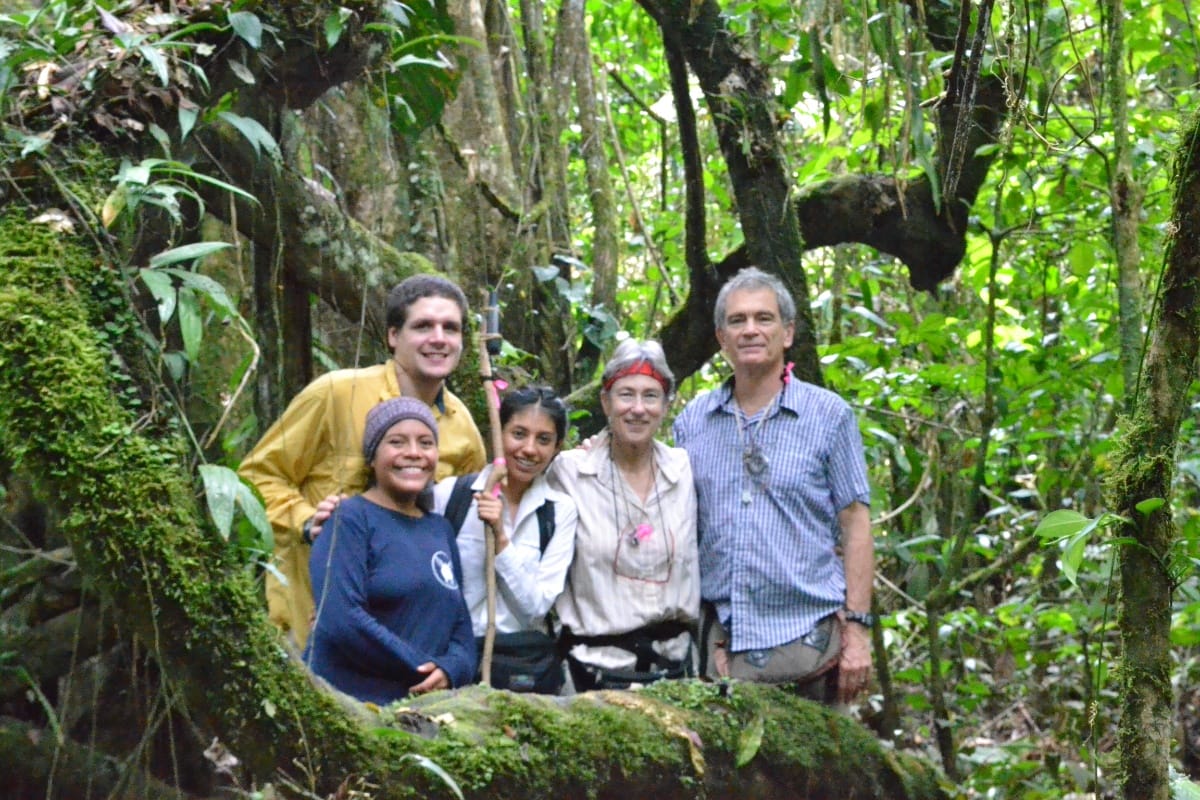
After that first trip to the Amazon, I was hooked. I decided to go to graduate school and was lucky enough to work with two of the most supportive and inspiring mentors, Drs. Lissy Coley and Thomas Kursar. Lissy and Tom, are pioneers in Tropical Ecology and Conservation. They introduced me to the fascinating world of plant-herbivore interactions and ever since I have been lucky enough to be a part of a warm and welcoming community of scientists working in that field. Early on in graduate school I quickly realized that to be an ecologist you have to master a lot of different skills, from field botany and plant systematics to molecular lab work, and untargeted metabolomics. What I enjoyed most wasn’t just learning those skills individually but connecting them. Bringing those pieces together made it possible to answer the kinds of questions I had about how tropical forests function, and about how and why they are so diverse.
I often define myself by what I’m not – “I’m not a real chemist” and or a real “botanist”, but the truth is those titles are just labels, and you don’t need to be classically trained to discover new and important things about plants or the world around you.
What is your favourite part of your work related to plants?
My favourite part about plants is how important, yet underappreciated, they are. They make up 80% of global biomass and form the physical and energetic foundation of every terrestrial ecosystem. At the same time, they’re endlessly interesting. Even in my backyard, I can find species I’ve never really noticed before. Learning to botanise and pay attention to small details makes every walk in the woods or stroll around my neighbourhood that much more interesting.
Are any specific plants or species that have intrigued or inspired your research? If so, what are they and why?
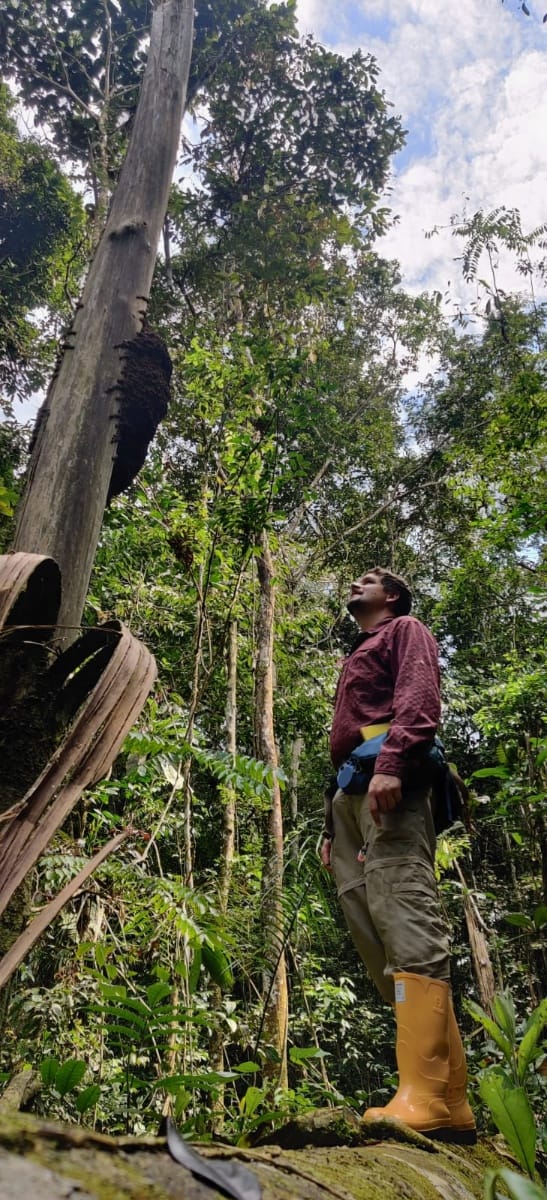
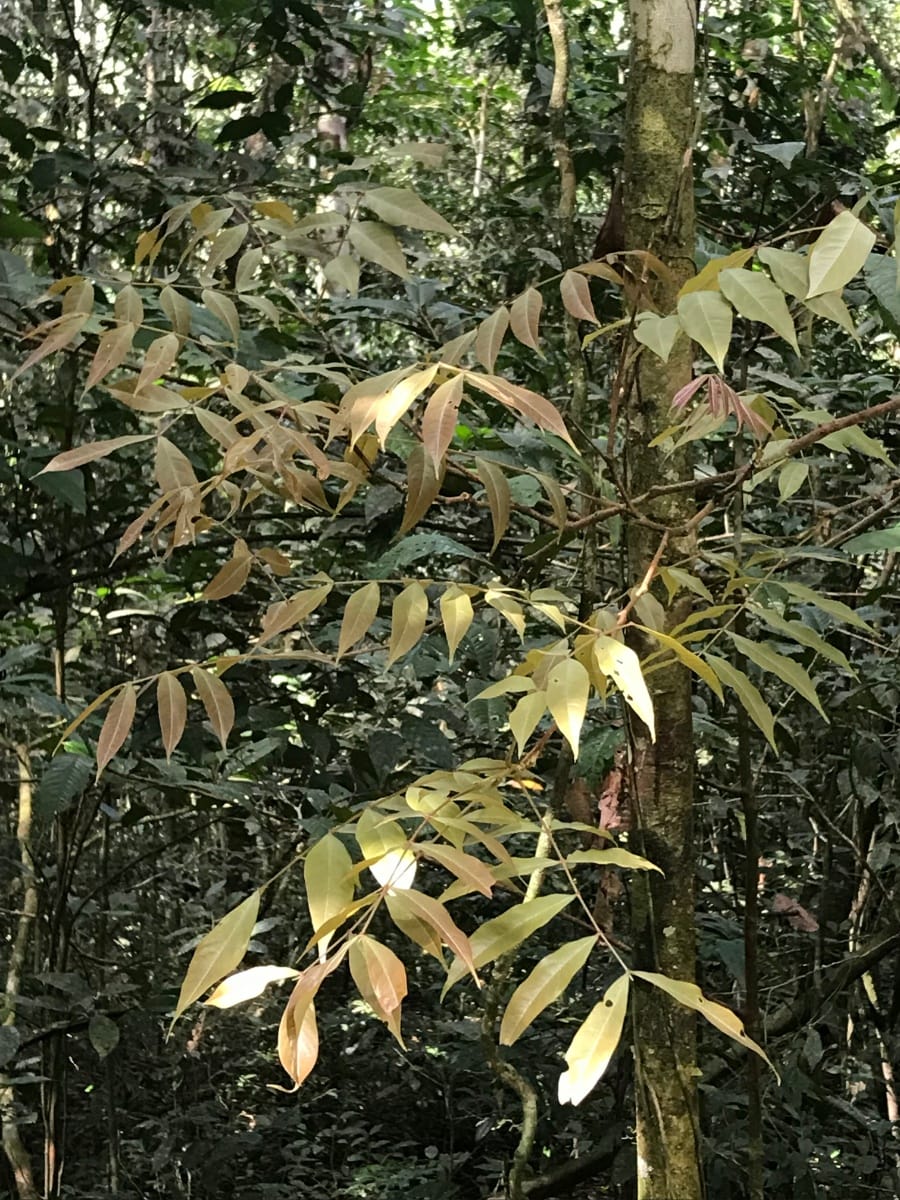
I’ll always be an “Inguero” at heart. Inga is a genus of tropical trees that is incredibly diverse and abundant across the Amazon, and it spans a huge range of ecological strategies. Some species are fast-growing pioneers that are heavily attacked by herbivores, while others are massive emergent canopy trees with trunks over two meters wide.
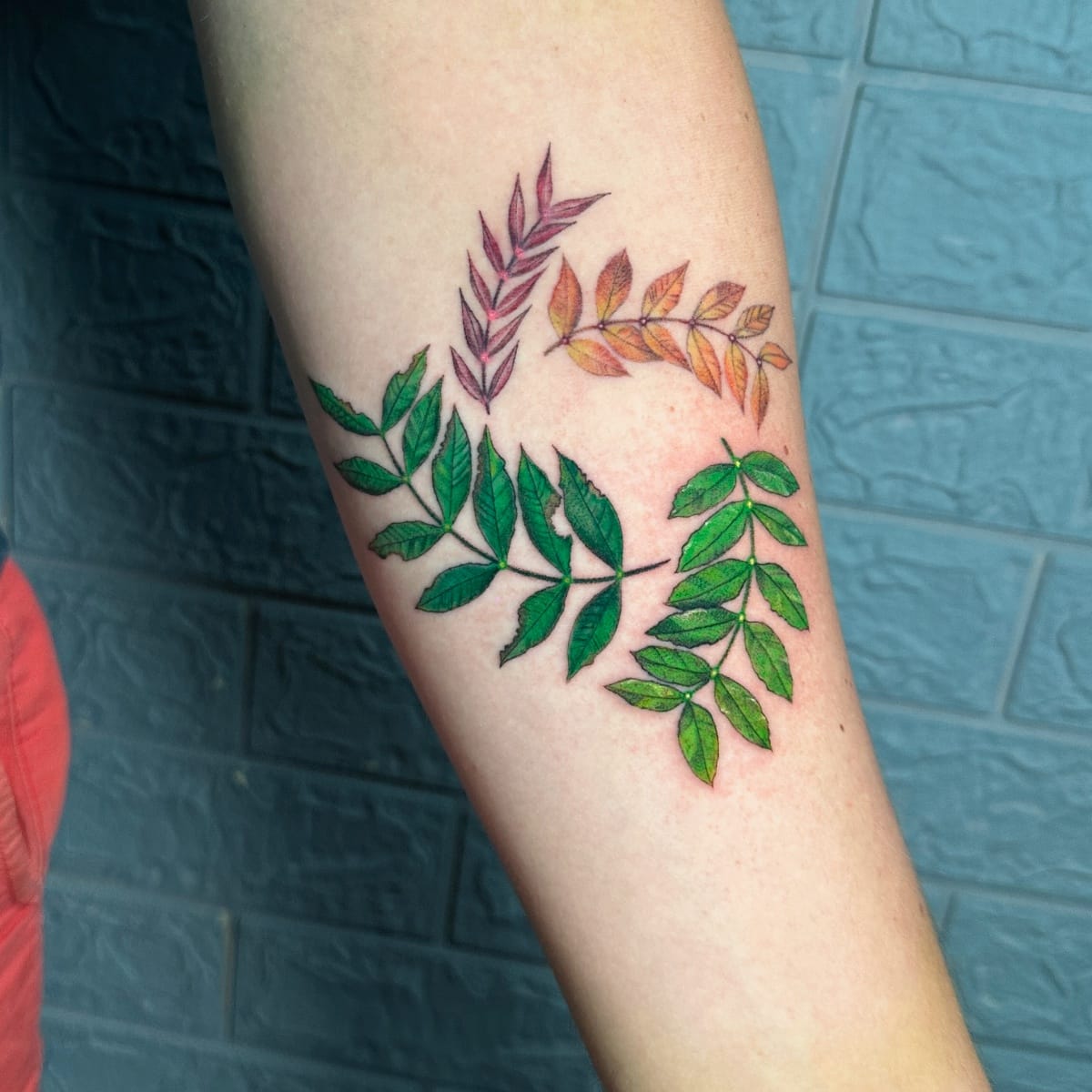
My favourite is Inga kursarii, a species we named in honour of the late Dr Tom Kursar. It’s an abundant canopy tree, but what really stands out is its leaf flushing strategy. It replaces its entire canopy at once, producing a full crown of pink, newly emerging leaves. It’s a striking example of how plant life history and defence strategies are tightly linked.
With over 300 species that radiated in the past 5-7 million years, Inga is one of the major genera contributing to tropical tree diversity. My hope is that by understanding how Inga has evolved, we can gain insight into tropical lineages more broadly and better understand how and why such extraordinary diversity exists in lowland tropical forests.
Could you share an experience or anecdote from your work that has marked your career and reaffirmed your fascination with plants?
Although fieldwork initially drew me into this field, I’ve spent much more time in the lab analysing samples. And honestly, that’s been just as compelling. Working with plant chemistry has made it clear that plants are essentially chemical factories. In tropical systems, up to 50% of a leaf’s mass can be made up of defensive compounds, and a single leaf can contain hundreds or even thousands of unique molecules.
Humans have been taking advantage of this since time immemorial, with many of our most important medicines coming from plants including Taxol, quinine, and digitoxin. Seeing that connection, from ecological function to real-world applications, has been a major part of what’s kept me engaged in this work.
What advice would you give young scientists considering a career in plant biology?
There are so many ways to appreciate, interact with and work with plants- both as a hobbyist or as a profession. Regardless of the path you choose, having plants in your life will probably help you be happier, less stressed and feel more connected with the world around you. I would say keep your eyes open and think broadly. There are many opportunities in agriculture, horticulture, forest health, conservation, drug discovery and business. More importantly, pay attention to what actually excites you. Ask yourself what parts of the work you find most engaging, and lean into those. That’s usually a better guide than trying to follow a predefined path.
What do people usually get wrong about plants?
Most people, including me, start out with a kind of green blindness: plants blur into a uniform backdrop, all doing more or less the same thing. At the same time, there’s this persistent assumption that plants are passive, boring, defenceless organisms just sitting there waiting to be eaten.
Both ideas are wrong.
What you don’t see at first is that each plant species is solving a different ecological problem, exquisitely adapted to its own unique, and often incredibly harsh environment. Imagine trying to stand in the sun for 14 hours straight on a hot summer day!
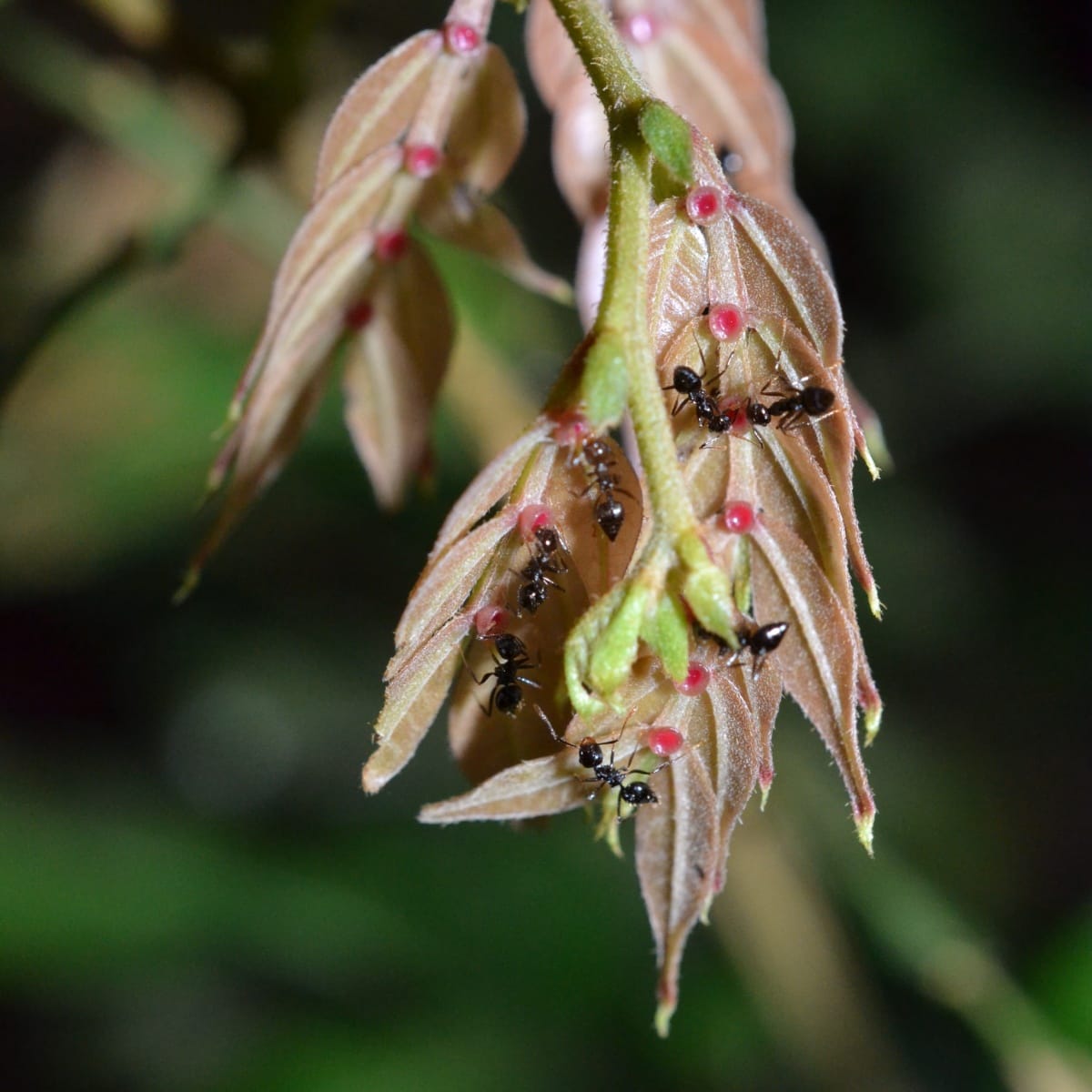
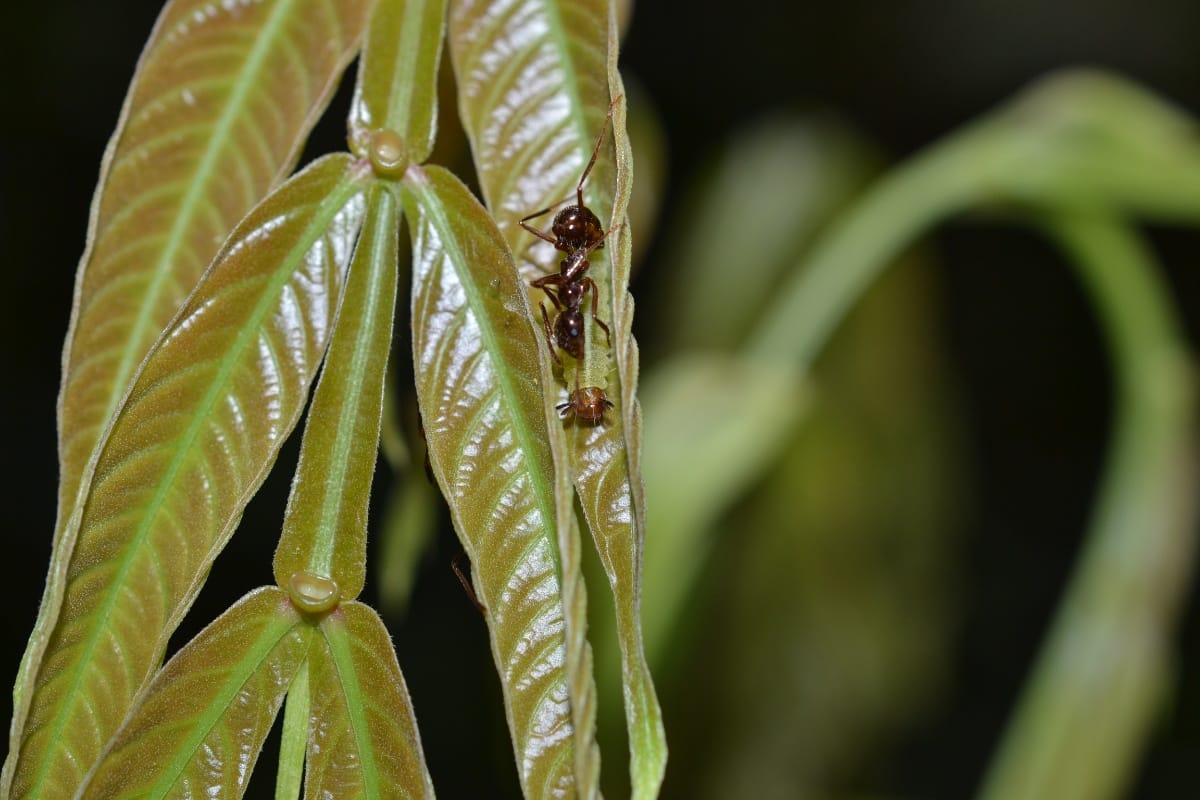
As everyone’s food source, plants have also evolved an extraordinary range of strategies to survive constant attack, from potent chemical defences to recruiting ants as bodyguards to building leaves so tough they can last for decades or even millennia.
Once you start paying attention, you realise that plants aren’t a uniform green blur, and they aren’t helpless. They’re diverse, dynamic, and constantly engaged in the same kind of high-stakes interactions we usually only notice in animals.
Cover picture by Dale L. Forrister.