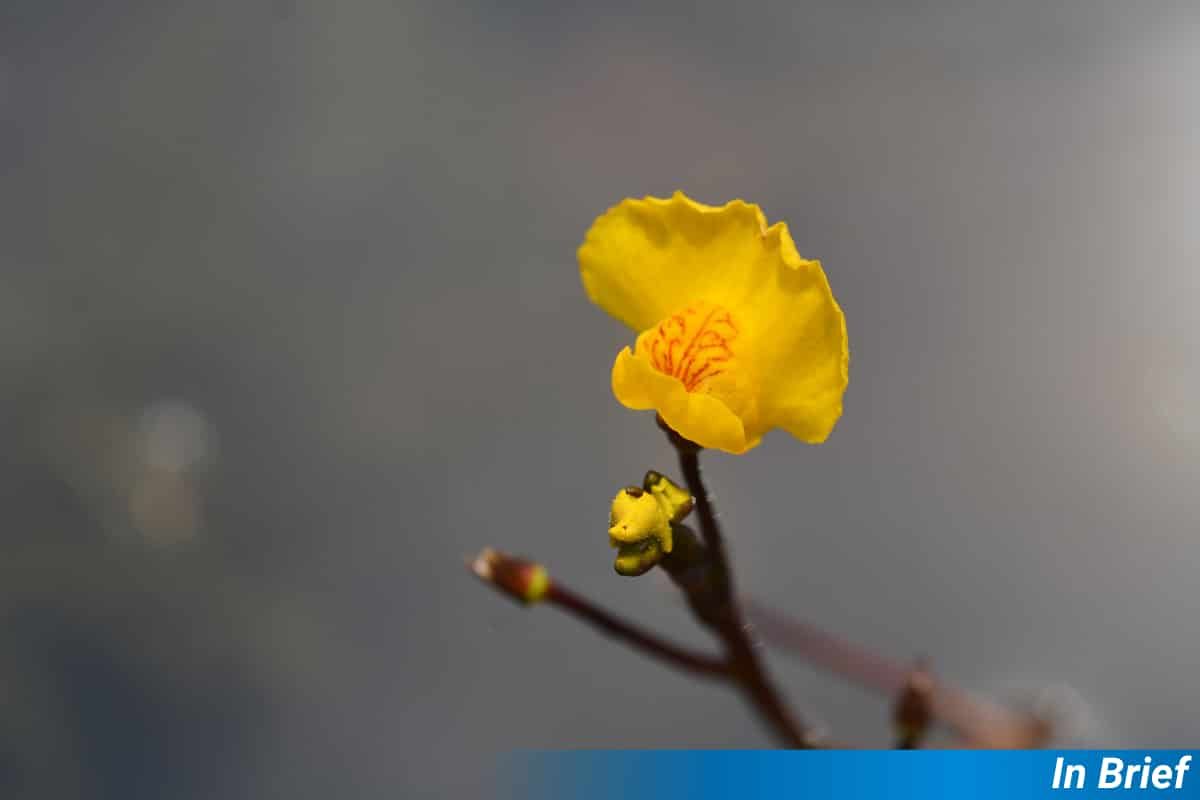

Not all carnivorous plants are as carnivorous as each other. Kurosawa & Oakes examined three types of carnivorous plants found in or around New England ponds. Their study of aquatic Utricularia inflata (Bladderwort), terrestrial Sarracenia purpurea (Pitcher plant) and Drosera intermedia (Sundew) and their nutrient sources, showed that the bladderworts were much more dependent on their prey for nutrients than the terrestrial plants.
The botanists found that the bladderworts got 70-100% of nutrients from prey. In contrast, the land plants, pitcher plant and sundew, got 30-60% of their nutrients from prey. The pitchers specialised in ants, while the sundews had a more varied diet. The bladderworts were thought to eat seston which is everything suspended in the water, zooplankton, phytoplankton and everything else.
Scientists collected plant and prey samples from two ponds over three seasons. They then measured stable isotope ratios in the plants and potential food sources. This allowed them to analyse the mix of carbon and nitrogen isotopes to determine where the nutrients were most likely to have come from.
As far as Kurosawa & Oakes know, this is the first study to compare diets of multiple carnivorous plant species over time and space. The study highlights differences between aquatic and terrestrial carnivorous plants. The botanists think it’s the lack of roots that makes bladderwort so dependent on prey, and this can inform conservation efforts for the plants and their habitats.
Kurosawa, E., & Oakes, J. M. (2024). What is on the menu? Botanical carnivory in carnivorous plants of New England (USA). Freshwater Biology, 00, 1–13. https://doi.org/10.1111/fwb.14341 (OA)