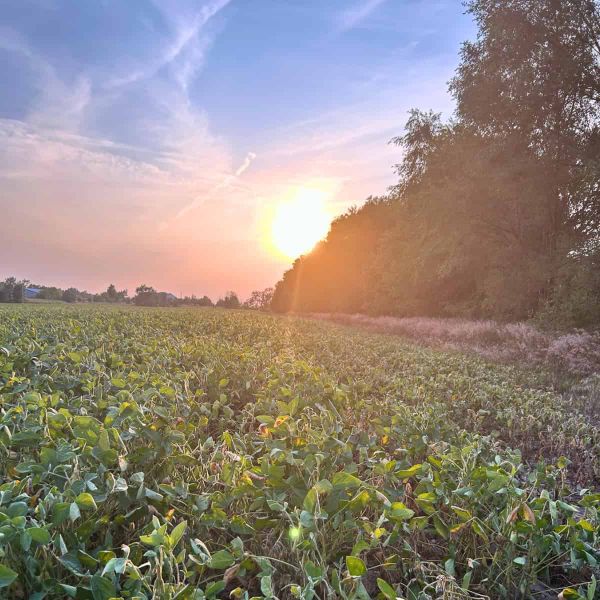

When a new neighbourhood is built, we typically see bulldozers clearing away the native vegetation, whilst gravel and concrete take over the ground, only for extensive turfgrass lawns with hardly any flowers to be laid at the end.
However, for many groups of insects that previously lived there, such as bees, butterflies, and beetles, this conventional landscaping approach is basically the same as turning a forest into a vast concrete desert completely devoid of resources. Imagine if we could design new neighbourhoods, combining architecture and landscaping, with a genuine focus on pollinators?
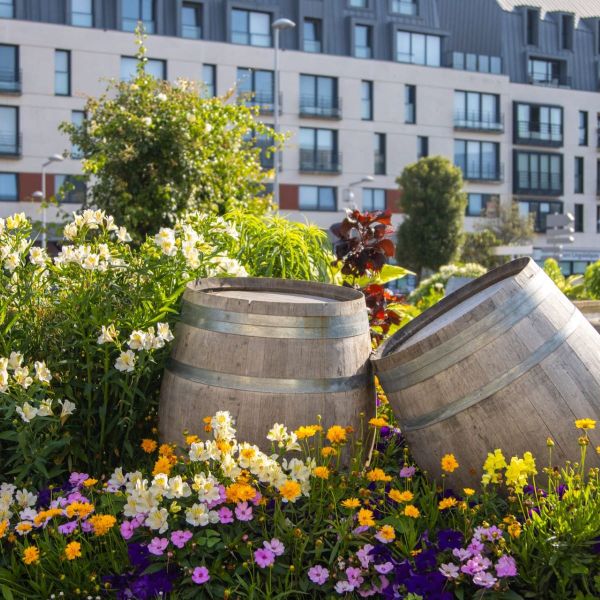
Researchers in Florida, United States decided to put this concept to the test. In a study published in Urban Ecosystems, the authors compared two newly established neighbourhoods built side by side at the same time. One followed a conventional design, featuring traditional turfgrass lawns covering most of the garden alongside non-native ornamental plants. The other neighbourhood had no turfgrass at all, being covered instead with pine straw mulch and dominated by plants native to the region.
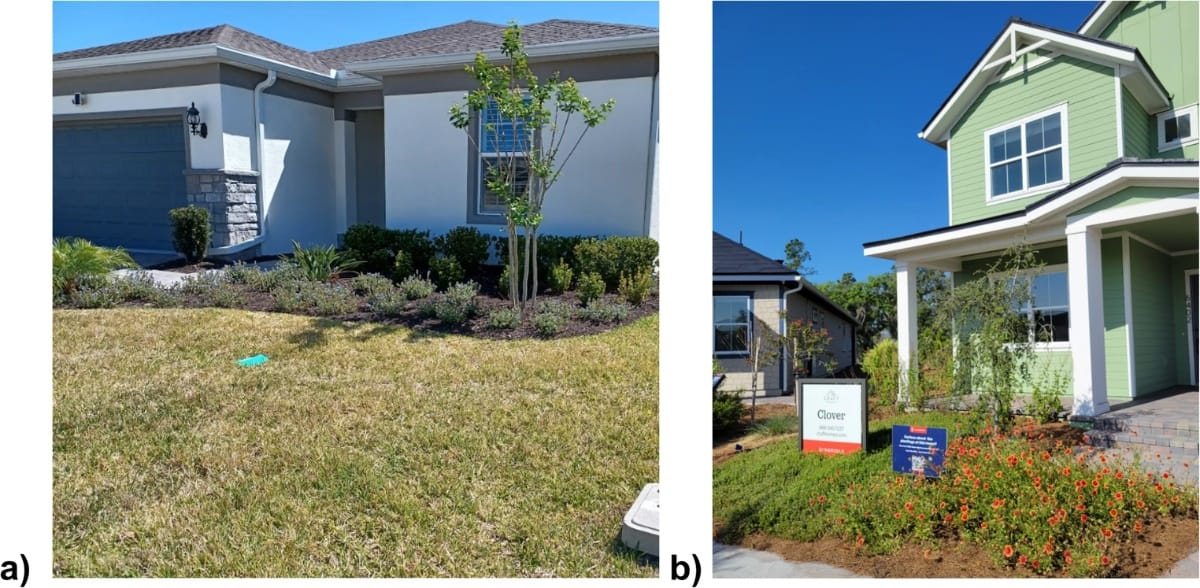
At first glance, both neighbourhoods offered roughly the same abundance of open flowers throughout the year. One might easily assume that, with a similar quantity of available blossoms, the number of visiting insects would be comparable. That is where the surprise lies! The study revealed that the neighbourhood with native landscaping attracted two to three times more pollinators and supported nearly four times the species richness of insects.
It was therefore not about floral quantity, but floral quality. The native plants acted as an irresistible draw for bees, wasps, and butterflies, which simply bypassed the conventional flowerbeds.
To demonstrate that local bees were actively seeking native plants in conventional neighbourhoods, the researchers conducted an experiment. They placed small pots of blooming native plants in the gardens of the conventional neighbourhood. Within just two to three days, the effect was clear: rare bee species that had never been recorded in that neighbourhood arrived to visit the potted flowers. This confirmed that pollinators were foraging nearby; they simply found nothing enticing in the conventional gardens.
Beyond supporting these small city dwellers, replacing lawns with native flora offers another major advantage: water conservation. In the United States and across many parts of the world, the vast majority of residential drinking water is used to irrigate turfgrass lawns that provide negligible ecological value.
The study demonstrated that it is possible to build modern, attractive neighbourhoods that serve as genuine sanctuaries for pollinating insects and, as a bonus, use less water.
READ THE ARTICLE:
Hagaman, M., Bohlen, P. J., McNamara, J., Pandolfi, A., Jenkins, D. G., Cope, V., & Iannone III, B. V. (2026). Building better homes for pollinators using native-based landscapes in new suburban developments. Urban Ecosystems, 29(4), 197. https://doi.org/10.1007/s11252-026-02056-7
Portuguese translation by Andressa Luna.
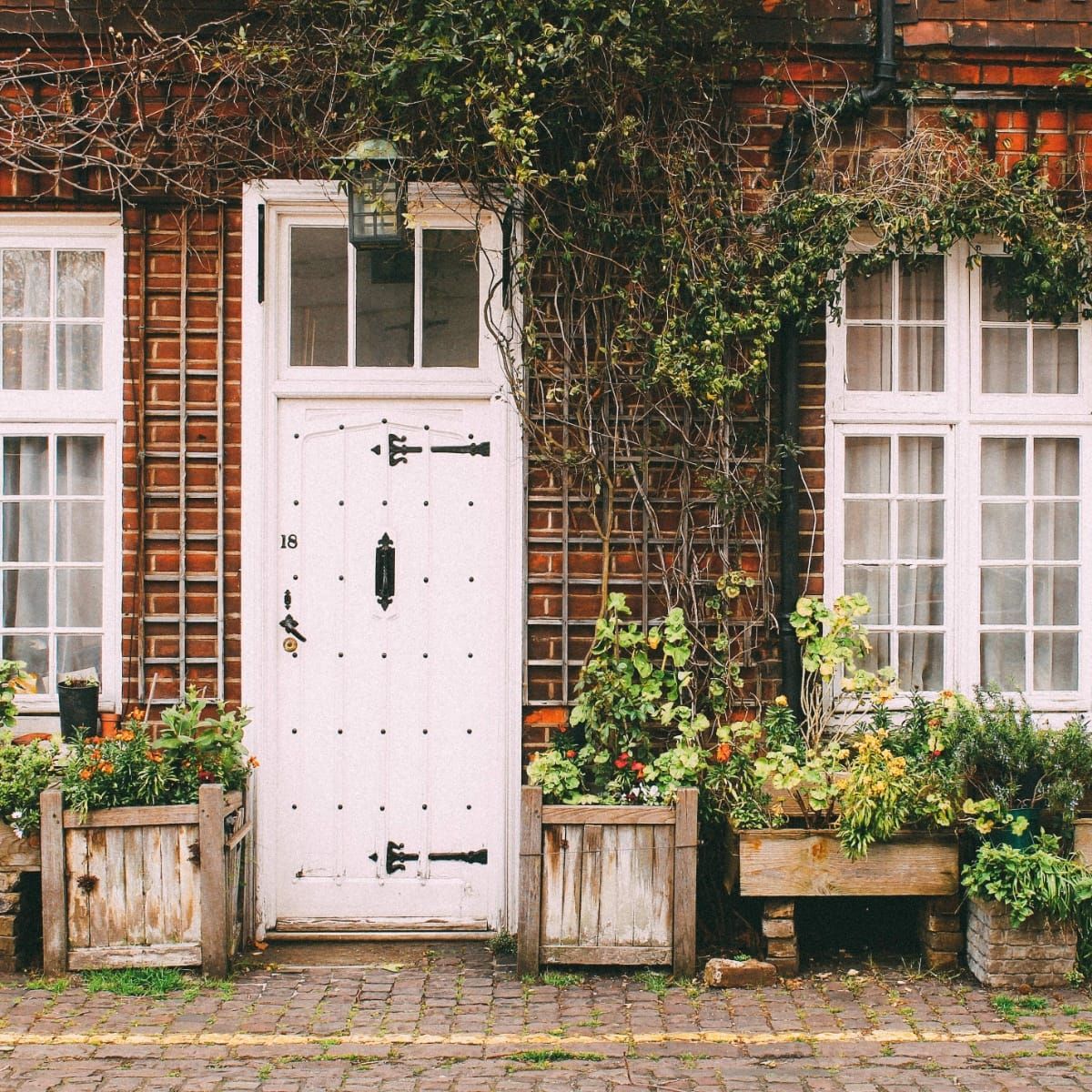
Cover photo by StockSnap from Pixabay.