annals-of-botany
Prey-induced responses in carnivorous Nepenthes
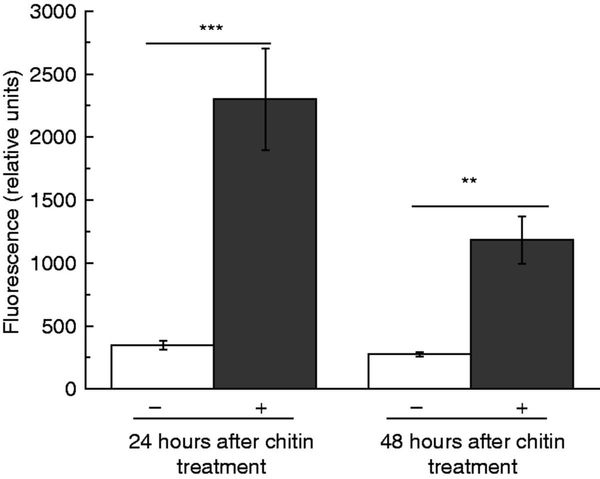
Carnivorous plants of the genus Nepenthes catch and digest prey, mainly arthropods, in their pitcher traps in order to obtain additional nutrients such as nitrogen and


Writer
The Annals of Botany Office is based at the University of Oxford.
annals-of-botany
Carnivorous plants of the genus Nepenthes catch and digest prey, mainly arthropods, in their pitcher traps in order to obtain additional nutrients such as nitrogen and
annals-of-botany
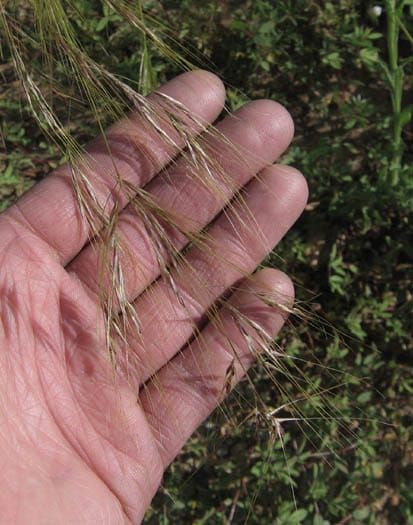
Superior drought survival is expected to result in reduced productivity and competitive ability, but this expectation has seldom been tested in herbaceous perennial species. Balachowski et
annals-of-botany
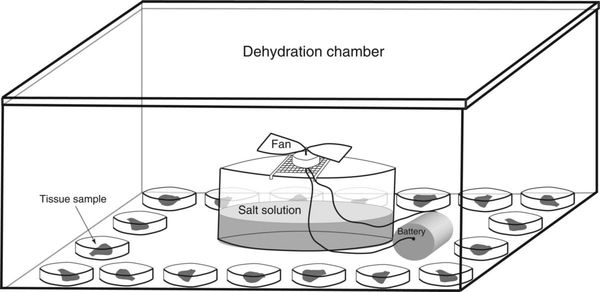
Plants have a multitude of strategies for drought survival. Dehydration tolerance (DhT), is one such strategy that provides an opportunity to identify key genes, physiological traits,
annals-of-botany
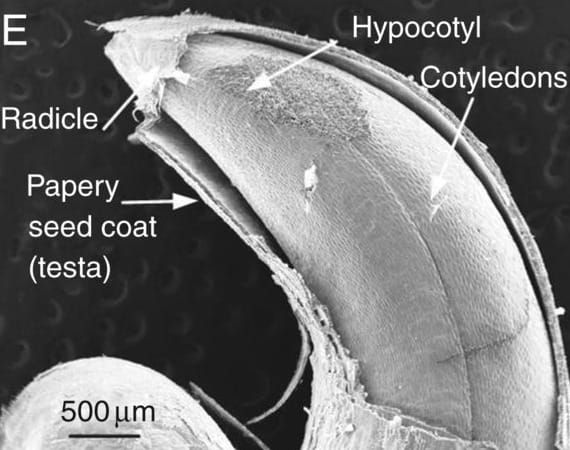
Germination of species with hard woody indehiscent endocarps has troubled seed scientists for many years. To understand how germination is regulated in such species Chia et
annals-of-botany
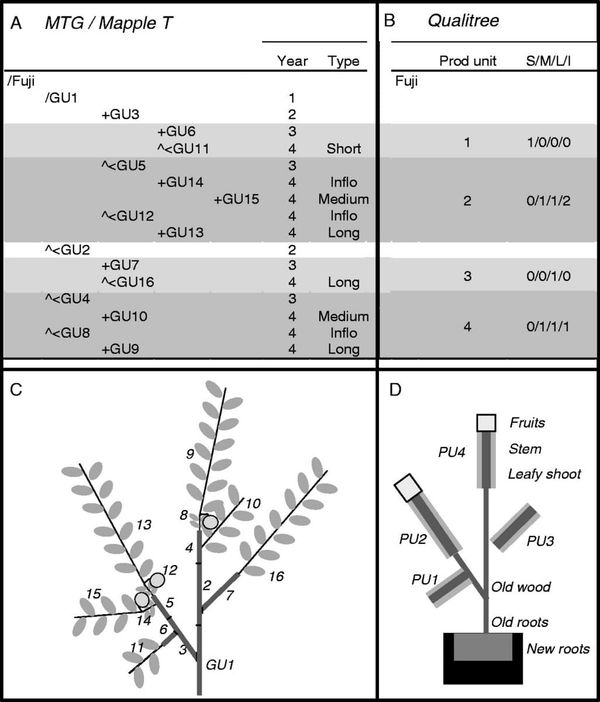
Modeling approaches which reveal how a plant allocates carbohydrates to the different organs are of major interest since carbohydrate allocation determines many growth processes. In this
annals-of-botany
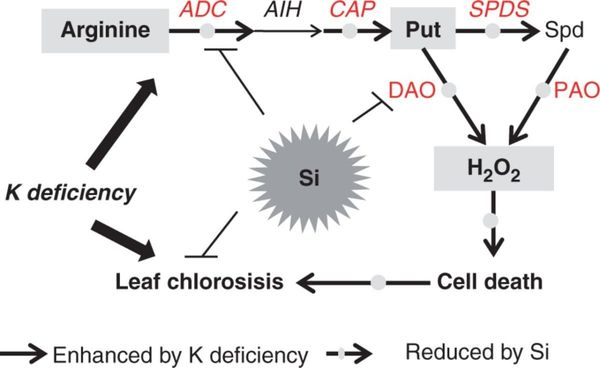
Silicon (Si) has been widely reported to alleviate the plant nutrient deficiency, but the alleviating effect of Si on potassium (K) deficiency and its underlying mechanism
annals-of-botany
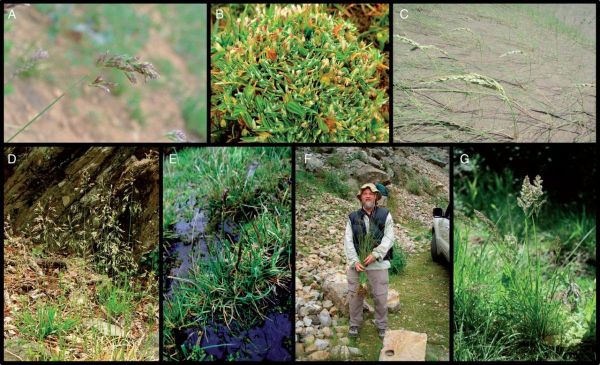
Species of Poa show an exceptional diversity in breeding systems represented by the occurrence of hermaphroditism to dioecism, with gynomonoecy very frequent among species in South
annals-of-botany
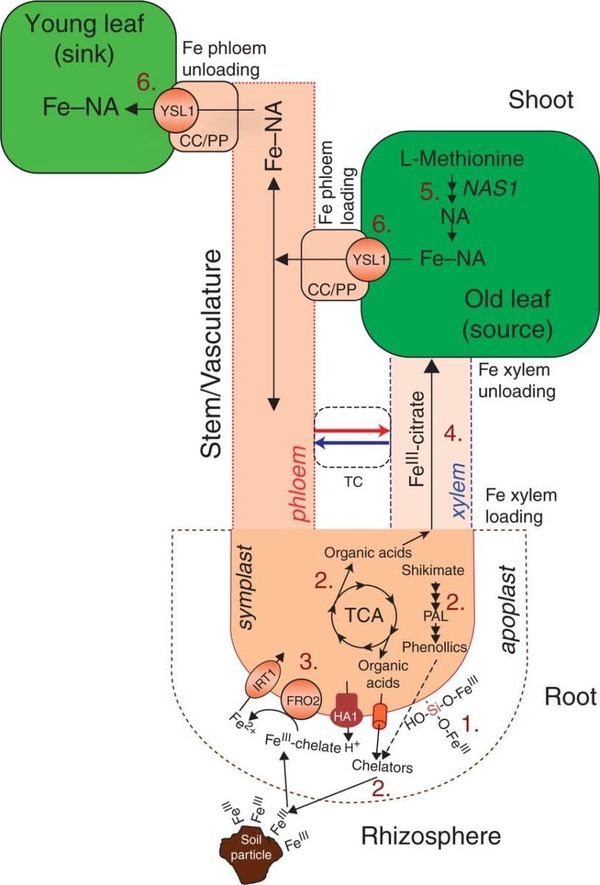
Recently it has been demonstrated that Si nutrition can alleviate Fe deficiency chlorosis in cucumber (Cucumis sativus) by enhancing acquisition and root-to-shoot translocation of

annals-of-botany
The peroxidase (POD) family shows functional diversity. Luo et al. demonstrate that Brachypodium distachyon ecotypes have distinct specific POD isozymes. Two POD genes are closely associated
annals-of-botany
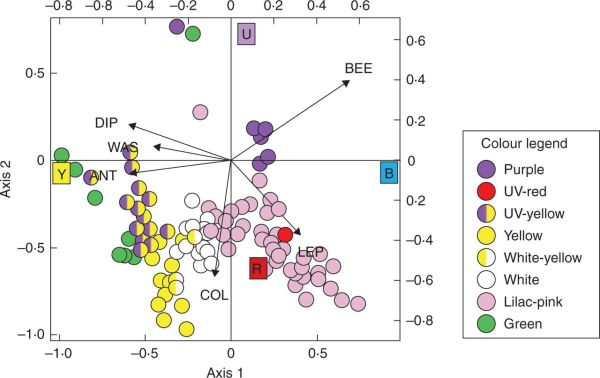
Different pollinator groups (bees, ants, wasps, flies, beetles and butterflies) preferentially visit flowers of certain colours. Interestingly, these colour preferences match the predictions of the pollination
annals-of-botany
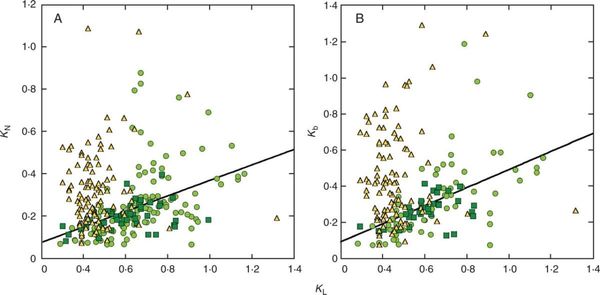
Leaf N is generally highest in top leaves and decreases with depth in leaf canopies. Although such a gradient contributes to efficient use of canopy N
annals-of-botany
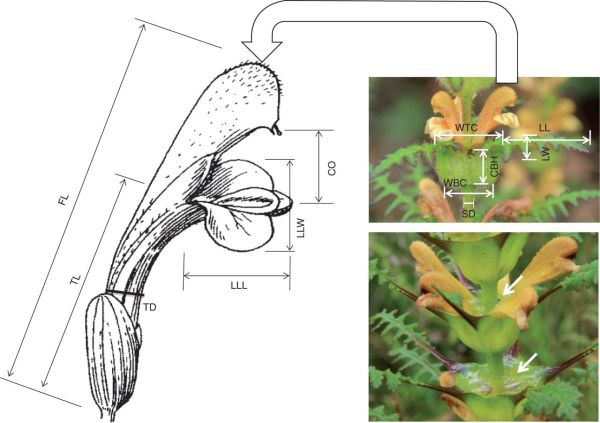
Floral traits attracting pollinators may also attract seed predators; however, evidence for conflicting selection on such traits remains scarce. One could expect that such selection generated