Taxonomy & Evolution
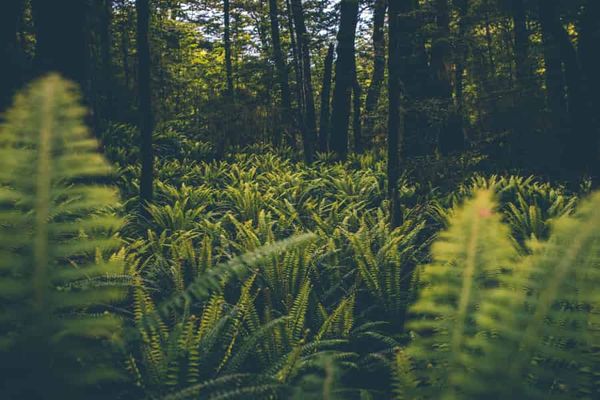
Extra blue-light receptors helped ferns thrive in early angiosperm forests
Leptosporangiate ferns have three times more cryptochrome receptors than their nearest relatives.


Writer
Erin Zimmerman is a botanist turned science writer and sometimes botanical illustrator. She did her PhD at the University of Montréal and worked as a post-doctoral fellow with the Canadian Ministry of
Taxonomy & Evolution
Leptosporangiate ferns have three times more cryptochrome receptors than their nearest relatives.

Ecosystems
Stomatal trait variation may have evolved more in response to pathogens than climate, or climate may be affecting the traits in unexpected ways.
Growth & Development
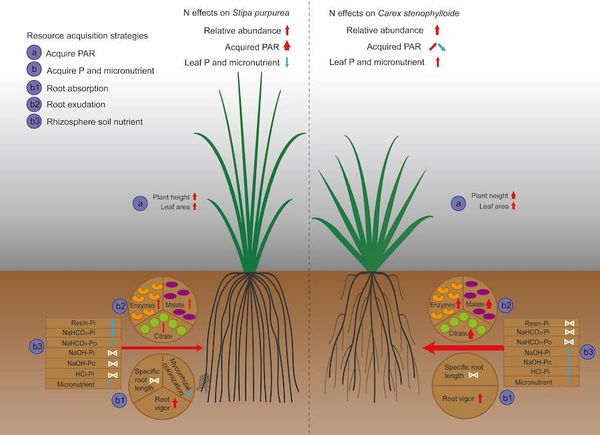
Both light capture and phosphorous acquisition affected the success of nitrogen-enriched plants.
Cells, Genes & Molecules
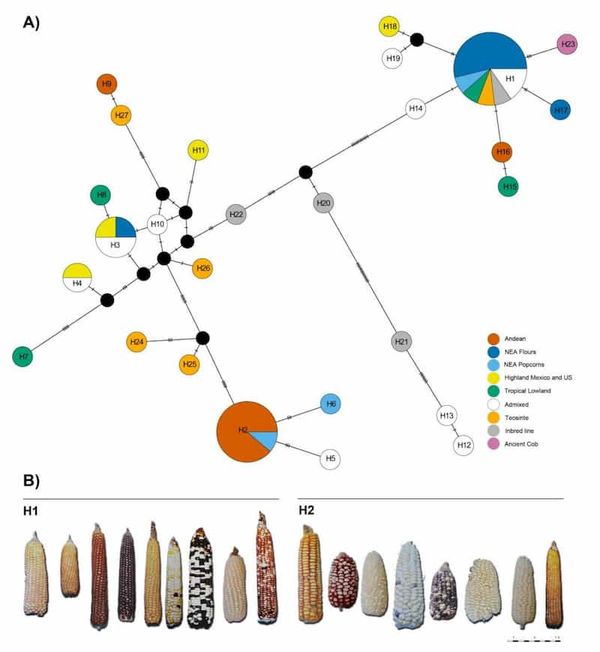
Haplotype analysis showed a clear distinction between Andean and lowland landraces.
Close Encounters
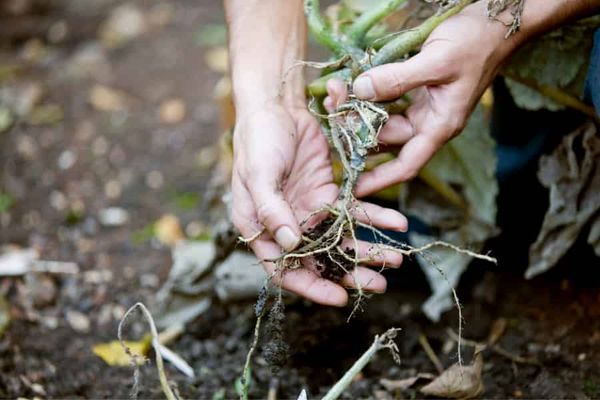
Both tannin distribution and root anatomy showed distinct patterns depending on mycorrhiza type.
Growth & Development
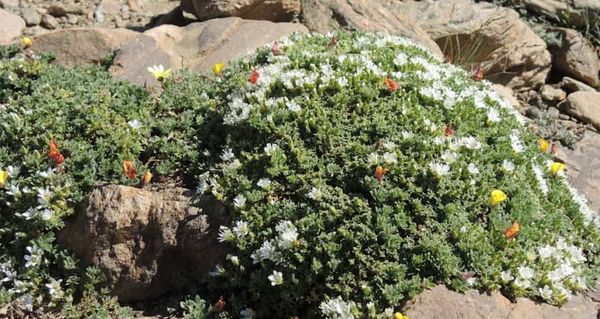
More independence in trait adaptation may mean a greater leeway to adapt to changing climate.
Growth & Development
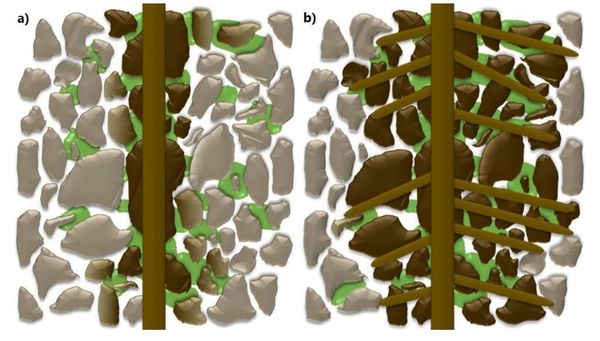
Exudates did bind soil to the roots, but were unable to compensate for the absence of root hairs.
Taxonomy & Evolution
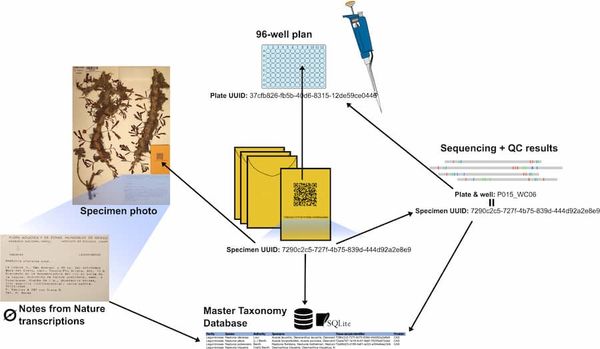
Herbaria are an under-used resource for large phylogenies.
Ecosystems
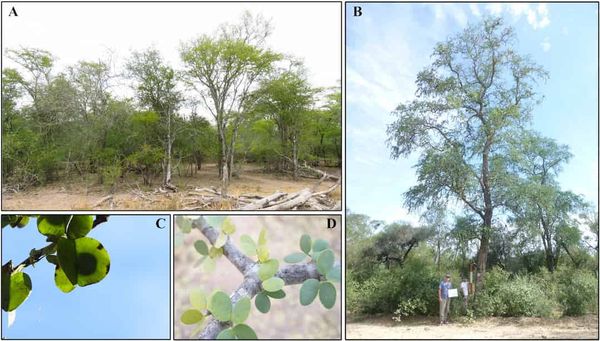
Accounting for the historical range can help explain trait variation in some cases.
Cells, Genes & Molecules
Surprisingly, life history, soil nutrients, and range size were not key determinants.
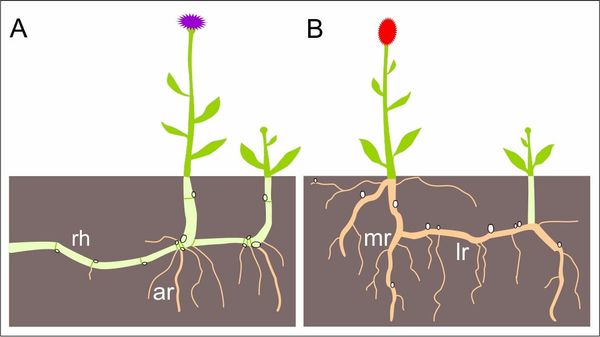
Growth & Development
The ability is most common in dry, open habitats, and most vigorous where disturbance is frequent.
Cells, Genes & Molecules
The transfer may have been triggered by the large-scale liming of acidic mires.