The Week in Botany
The Week in Botany August 25, 2025
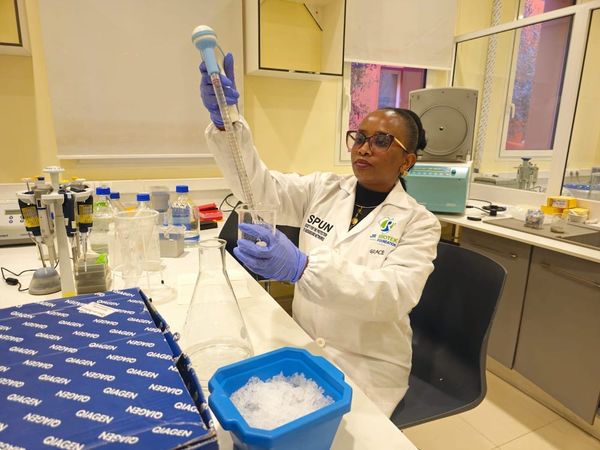
This week, urban biodiversity, logging into the Wood Wide Web, and an email bug.



Writer
Alun (he/him) is the Producer for Botany One. It's his job to keep the server running.
The Week in Botany
This week, urban biodiversity, logging into the Wood Wide Web, and an email bug.
The Week in Botany
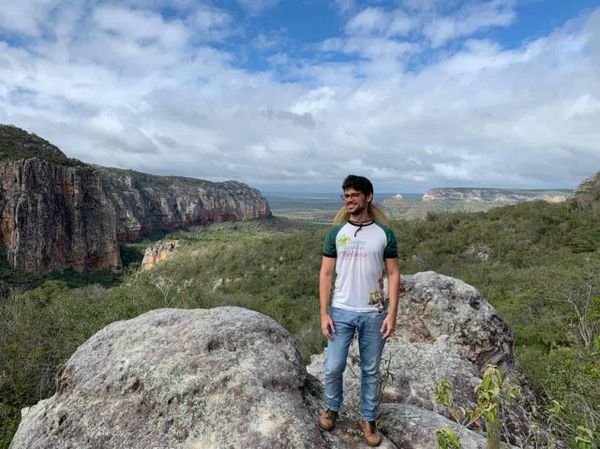
This week, Liedson Carneiro on networking, gunfire doesn’t stop Botany, how dinosaurs got along with each other, and more.
Growth & Development
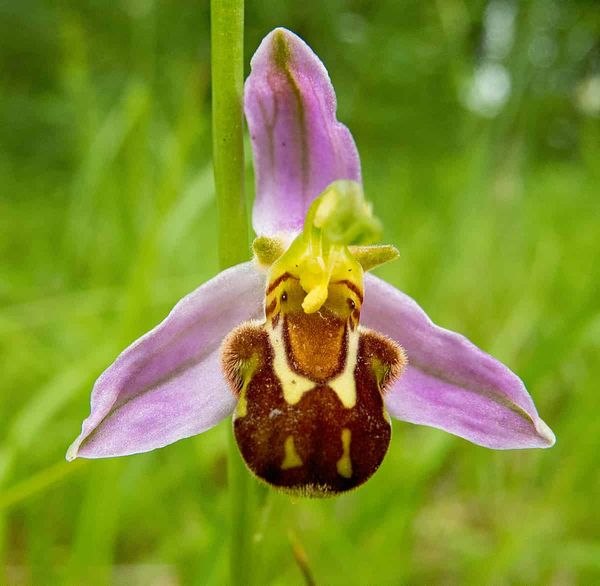
Scientists found a letter where Darwin predicted a major botanical discovery 36 years before anyone proved him right.
Plants & People
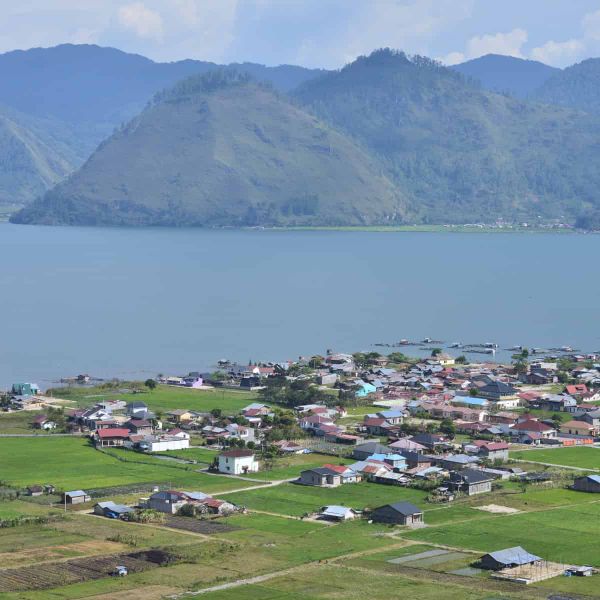
When scientists ventured into the backyards of Indonesian families, they discovered something remarkable hiding behind everyday cooking. Smallholders in Aceh are stewards of a complex ecosystem of 24 wild spice varieties that most of the world has never heard of.

The Week in Botany
This week, Juliane Ishida on her work with parasitic plants, how poor timing can spur flower evolution and a carnivorous plant that will you have your hand off, if you have tiny hands.
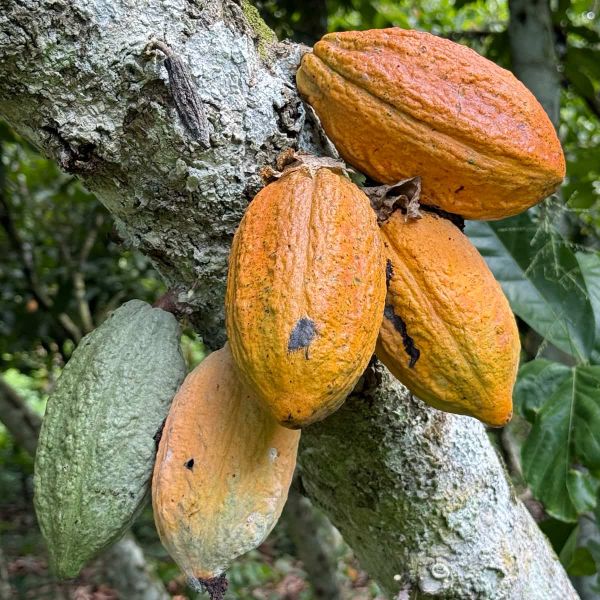
Close Encounters
Food Dive reports on an attempt by Mars to keep chocolate affordable and make your M&Ms CRISPR.
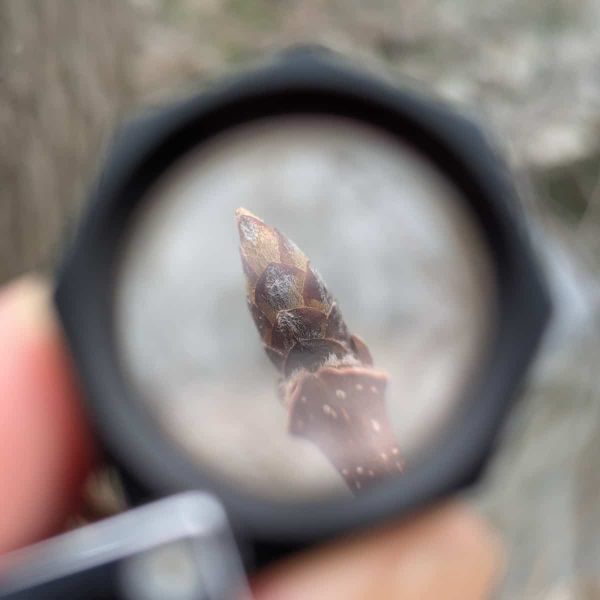
News in Brief
Gonzalez and colleagues introduce CAN BON, the Canadian Biodiversity Observation Network, a new project to track changes across the nation.
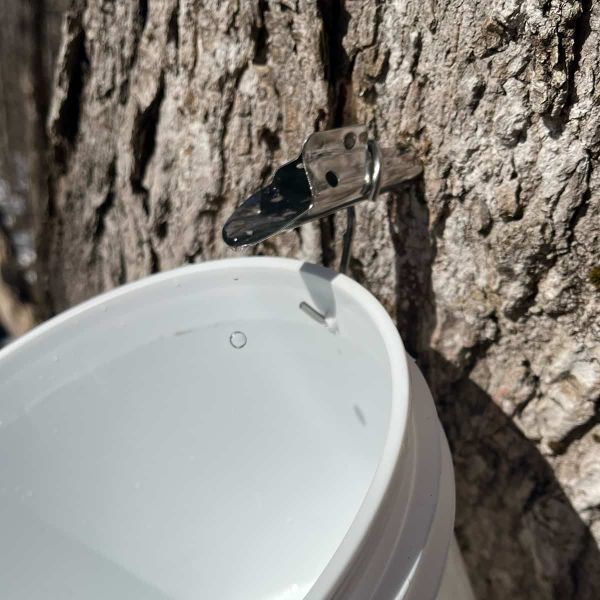
Close Encounters
Inside a tree can live up to one trillion beings. But seeing the bacteria hidden in its woody tissue takes a lot of work.
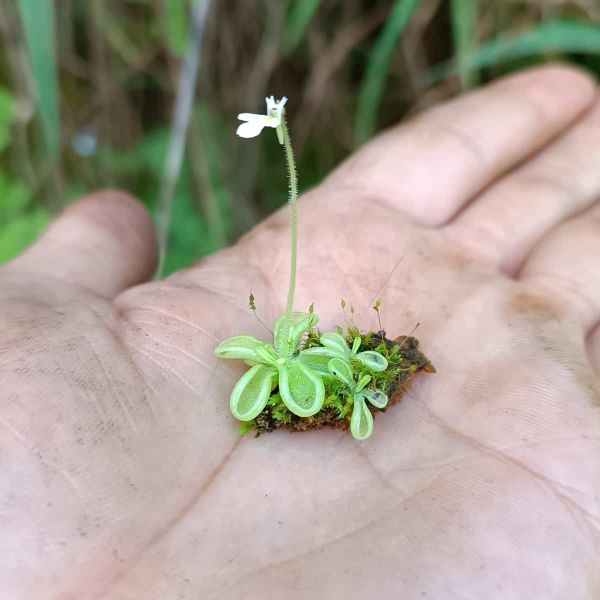
Close Encounters
A tiny butterwort found in Mexico has surprised scientists with its ability to catch prey. It has to be efficient as it has only a brief time to get everything prepared for the next generation.

Notes from the Editor
This list on Substack has been quiet, and now we’re shutting down our account entirely. Why? Well it’s because Substack is on the same route as X. I’ll explain why I think that is and, if it bothers you, what some alternatives are.
News in Brief
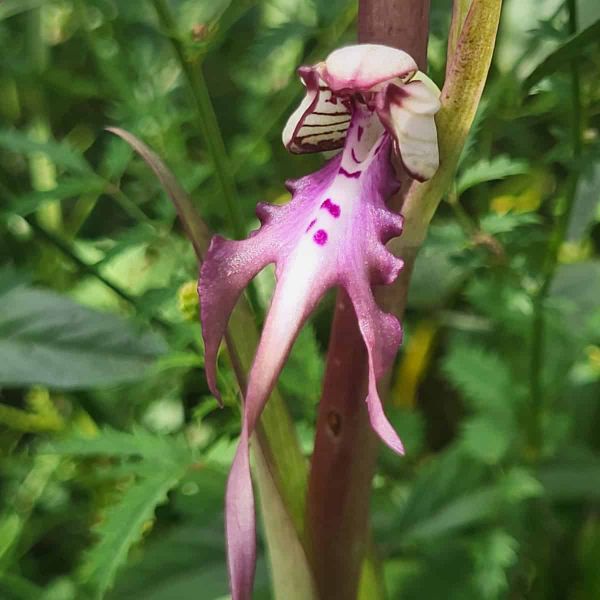
Orchids are one of the most successful plant families on the planet, with over 20,000 species, but many of those species are endangered. For the orchids of Serbia, help is at hand.
Growth & Development
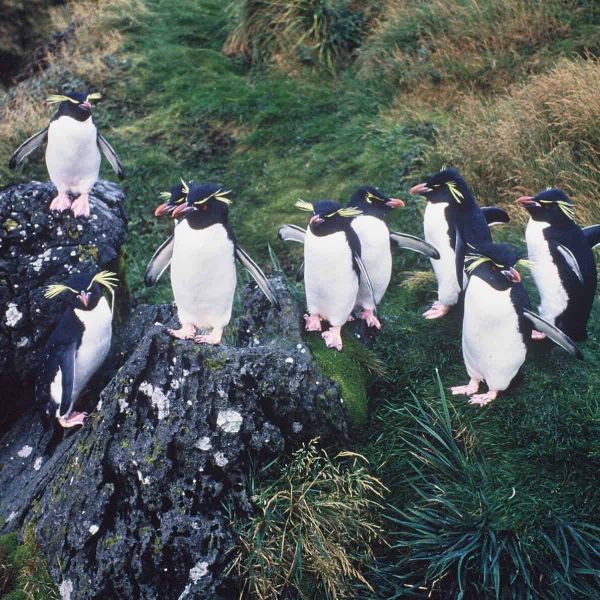
Only invasive weeds thrived when scientists warmed island soil, while native plants stayed hungry despite being surrounded by potential food.