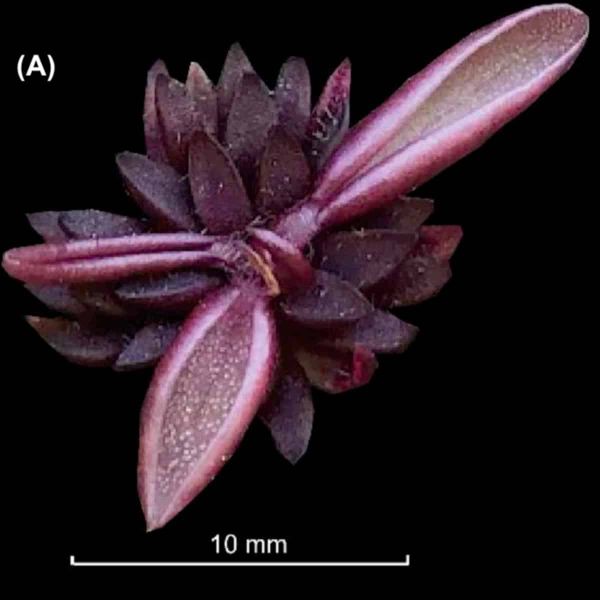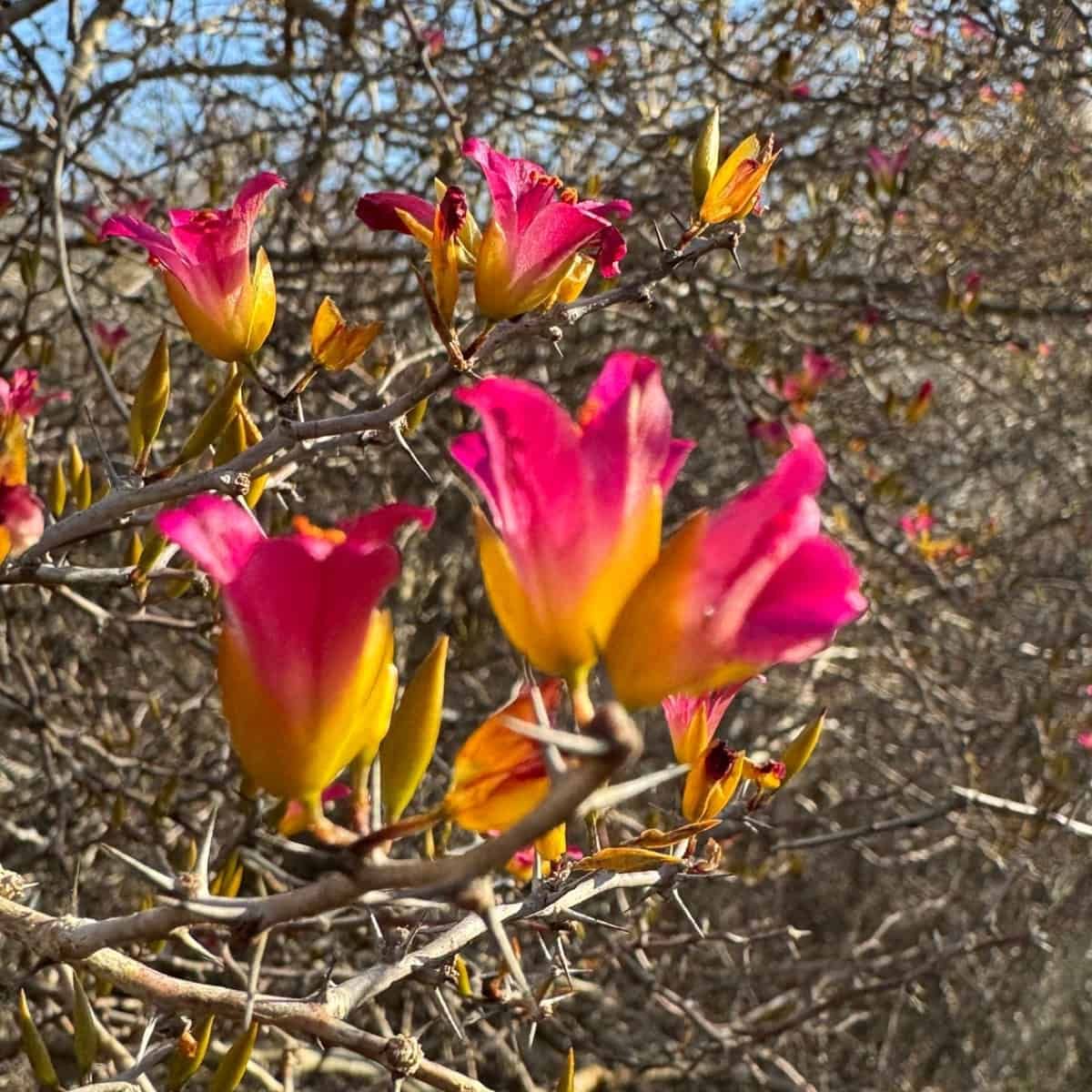

Plant of the Week this week is Alluaudiopsis marnieriana. I picked it because this recent observation on iNaturalist caught my eye, and it highlights a problem for many plants.
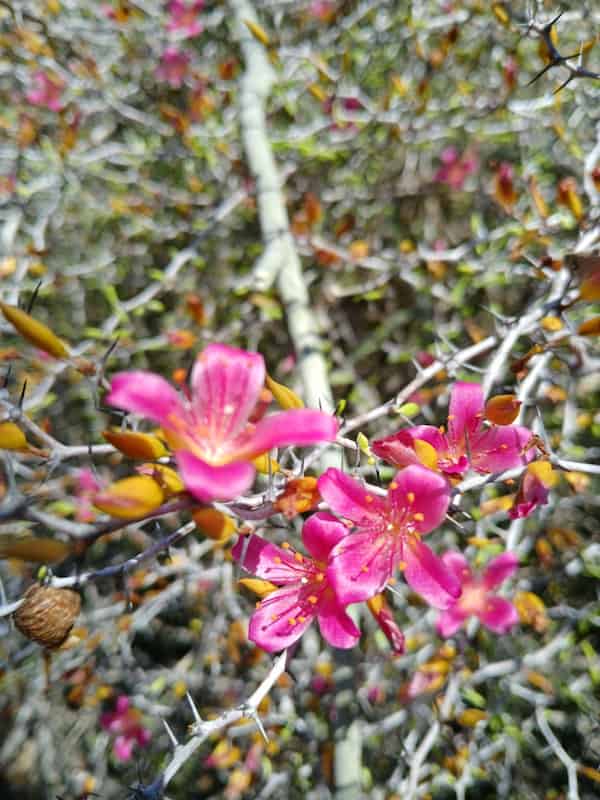
Alluaudiopsis marnieriana is one of two species in the Alluaudiopsis, a plant found in Madagascar. Madagascar is one of those places that gets biologists excited, and that’s because it’s a biodiversity hotspot.
Around 90% of plant species found in Madagascar are endemic, meaning they’re found in Madagascar, and nowhere else. One possible reason for Madagascar’s unusual biology is geology and time.
Madagascar split from Africa around 160 million years ago. This isolated it from changes on the African continent, like the rise of apes. Around 90 million years ago, it split again, this time from the Indian subcontinent. Research suggests that this mucked up the island’s geology and led to life having to adapt as rivers changed their courses and mountains shuffled. This sparked the idea that the island itself is a driver of evolution.
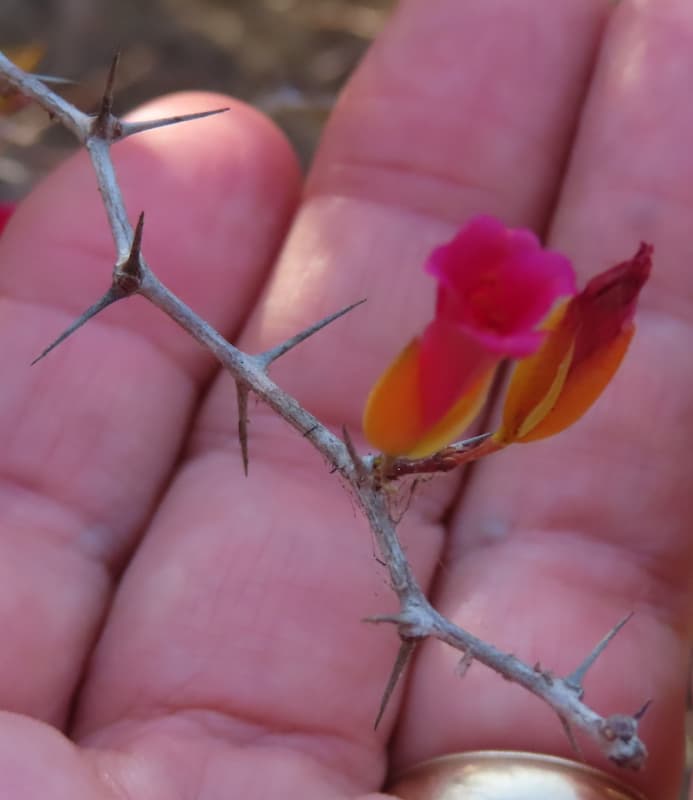
The plant is up to 4 metres tall, with spines, and it comes in male and female plants. You’ll find it in the southwest of Madagascar on the coast near Tulear, which is famous for its dogs. And all this information comes from botany.cz, which has the most information about the plant by far accessible on the internet. While Botany.cz is a great site, this is a bit of a problem.
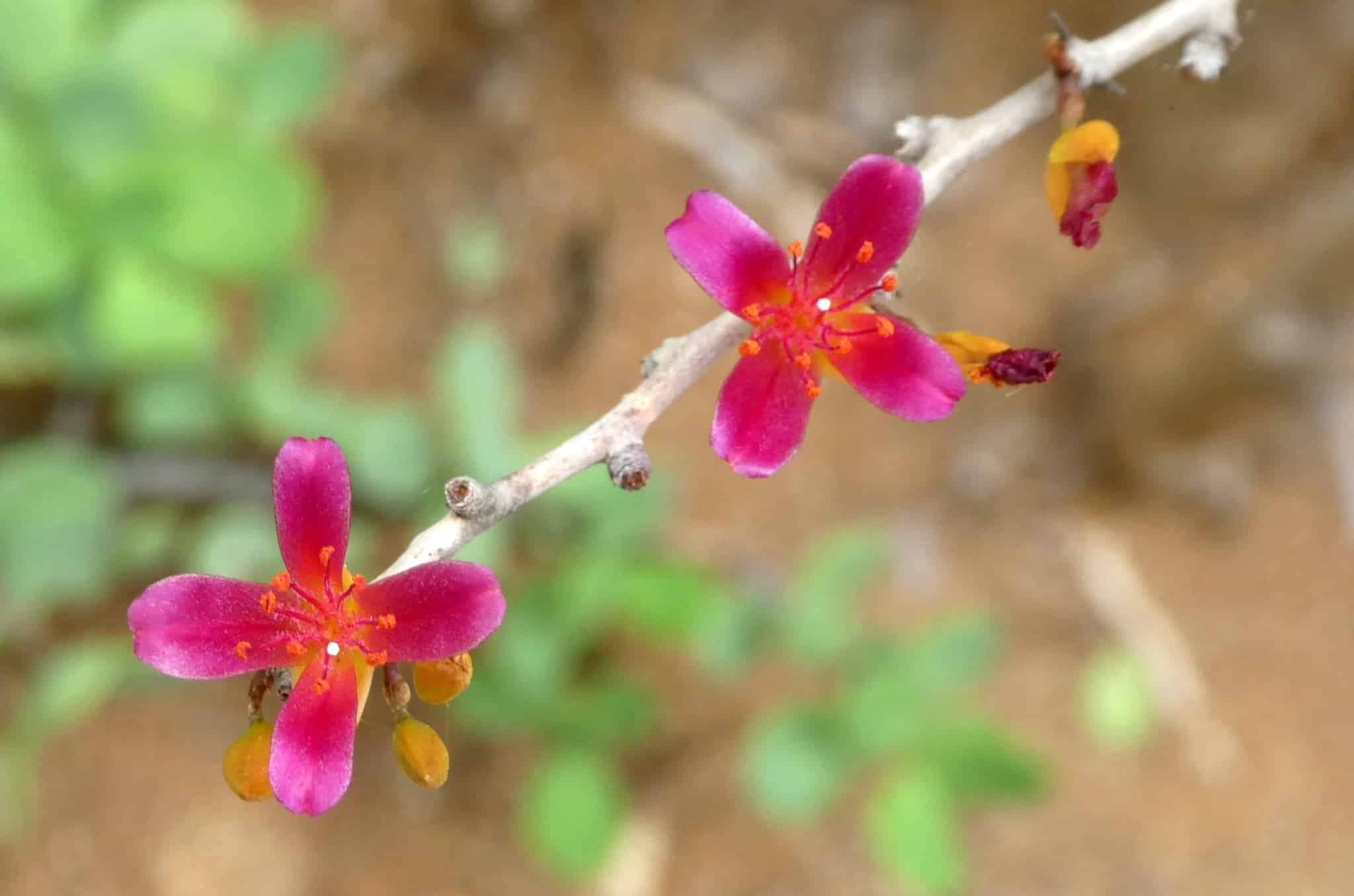
The IUCN Red List lists it as endangered, which is a clue as to why it’s so hard to find information. You might think that if a plant is endangered, botanists would want to know all about it before it’s lost. However, a recent paper by Renon Andrade and colleagues says that’s not what happens.
It’s one of those papers with the kind of title I like: “The most threatened plants receive the least scientific attention”. It’s so much easier to find a paper when you remember what the thrust of it was, and the title matches that. The study is of Brazilian plants, but the reason they give for the reduced study of rare plants is that conservation value is less of drive for research than economic value. Sadly, that’s a conclusion that seems reasonable around the world.
Cover image: Alluaudiopsis marnieriana by Simon M Bell CC BY-NC