

Citizen science is becoming an increasingly important way to study nature in a rapidly changing world. As habitats are altered by human activity, scientists need far more observations than small research teams can collect alone. On paper, the idea sounds simple: ask the public to record what they see in nature, then use those observations to answer big scientific questions. However, a recent study by Kristiina Gibson and colleagues shows that things become more complicated, especially when such projects grow in scale.
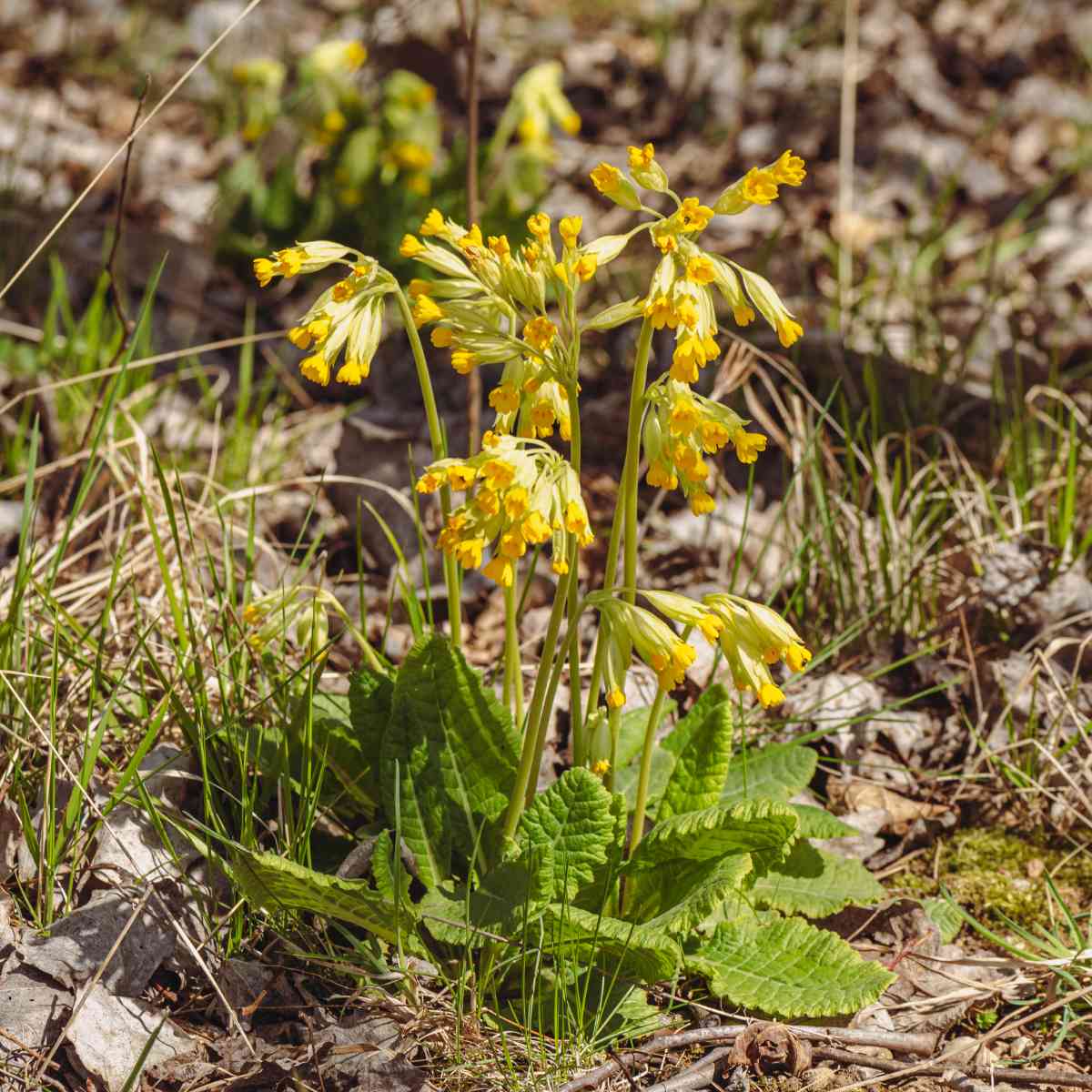
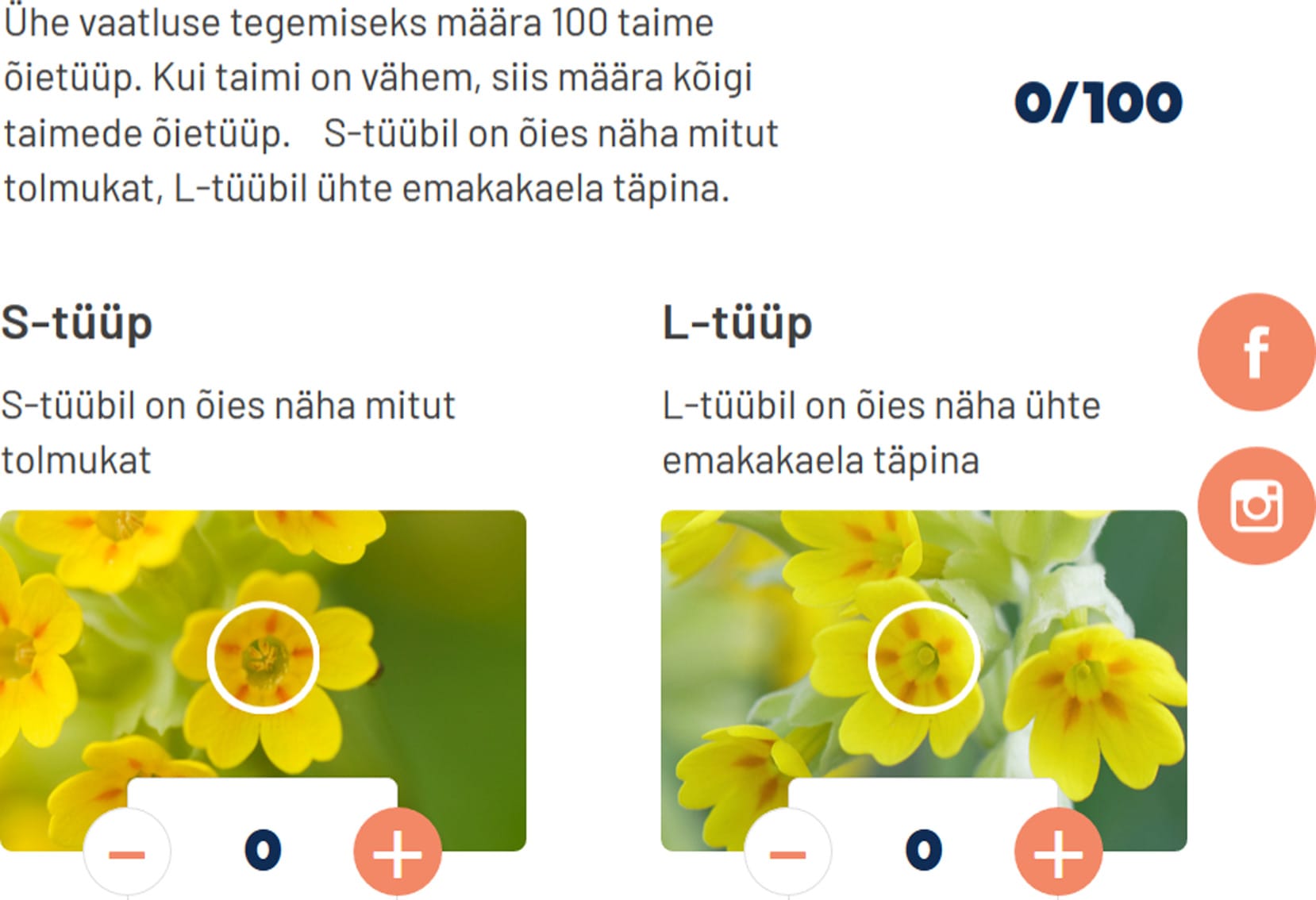
The story began in Estonia in 2019 with a project called Looking for Cowslips, which set out to explore how habitat loss and fragmentation might be affecting the relative abundance of two flower types in the cowslip, Primula veris. To do this, researchers designed a web platform where volunteers could record how many plants of each flower morph they found at a site.
Following the success of the Estonian campaign, the project was expanded across Europe, eventually reaching 31 countries. Across the wider campaign period from 2019 to 2023, it yielded records from nearly 8,300 locations and about 910,000 cowslip individuals. Yet despite the enthusiasm of co-organisers and numerous observers, the discussions during the campaign revealed that the biggest challenges were not scientific or technical, but public engagement.
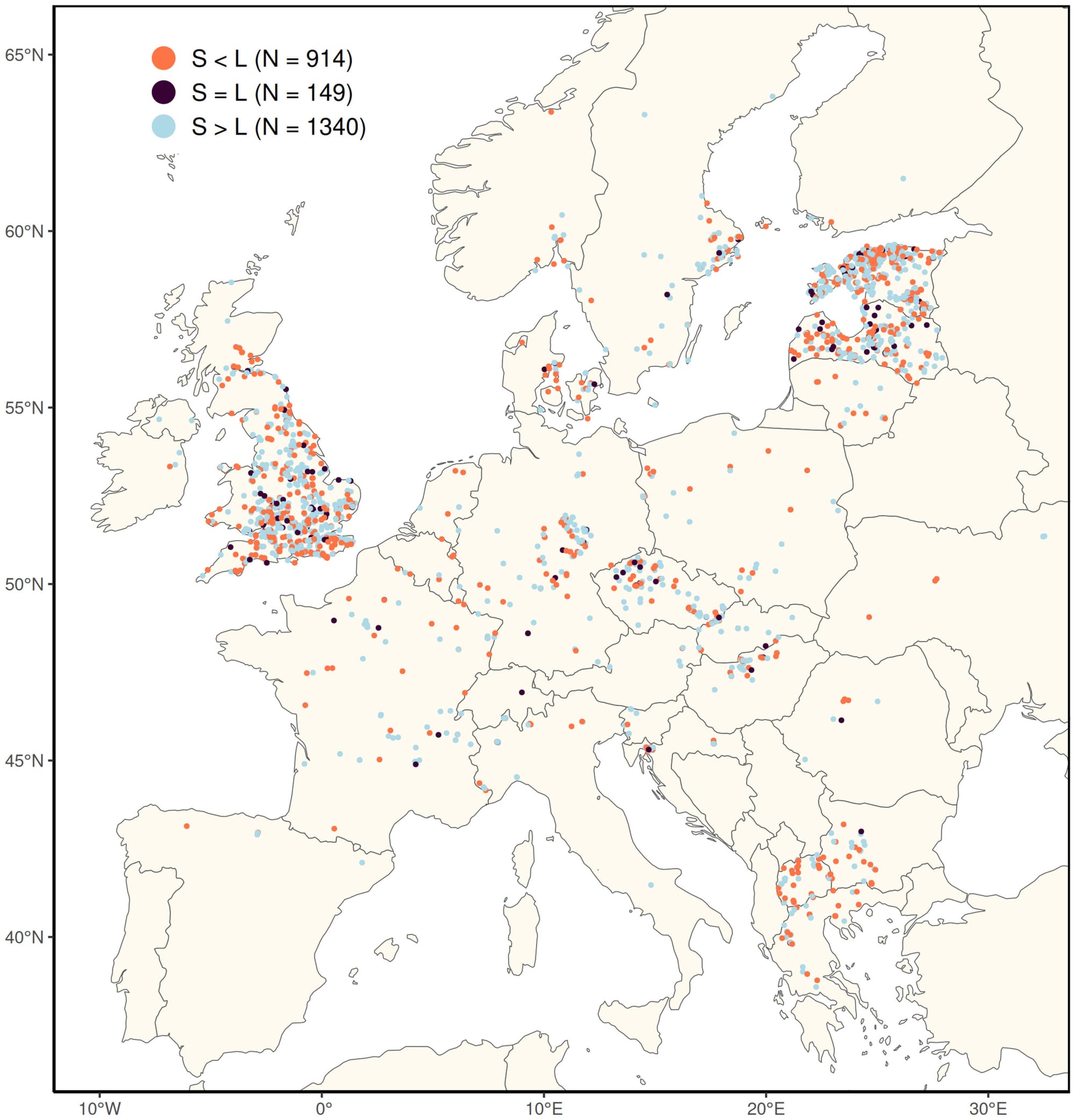
To understand what helped and hindered communication, Gibson and her colleagues interviewed ten coordinators, surveyed additional academic organisers, and held three online group discussions with coordinators from different countries. The team then analysed these conversations to see which communication channels were used, what motivated volunteers, what barriers emerged, and how problems differed between regions.
The clearest finding was that success depended less on simply having a website or data-entry form, and far more on whether communication stayed active, local and well supported. Regular online meetings between organisers, advice from a communication specialist, and materials translated into national languages all helped keep the project running across Europe.
No single communication channel worked perfectly. Facebook was widely used and could reach large audiences, but posts could easily disappear into the flood of online content, attract hostile comments, or miss younger people altogether. Emails, newspapers, radio and television sometimes helped, but they could also be imprecise or fail to reach the people most likely to participate. In some cases, efforts to simplify the science for the public created confusion about what volunteers were actually meant to record. Organisers also found that communication demanded much more time and labour than expected, especially from researchers already juggling many other responsibilities.
Local context mattered just as much. In some countries, Primula veris was easy to recognise and culturally familiar. In others, it could be confused with related species such as Primula vulgaris or Primula elatior, grow in hard-to-reach places, or mean very different things to local communities. In Estonia and Latvia, for example, cowslips are tied to traditional medicine and herbal tea, which helped make the campaign more relatable. Elsewhere, the plant had less cultural presence, or even raised suspicion in places where wild harvesting was already a concern. Timing mattered too: because cowslips flower at different times across Europe, communication had to be carefully matched to local seasons, weather and holidays.
Perhaps the most important lesson is that effective citizen science needs more than enthusiasm. It needs local organisers, cultural awareness, flexible funding and people skilled at turning scientific goals into clear public messages. The paper argues that such projects work best when researchers work with communication specialists, teachers and environmental organisations instead of trying to do everything alone. In that sense, Looking for Cowslips was not only about getting people to look for flowers. It was also about showing that if science wants public participation, it has to meet people where they are.
READ THE ARTICLE:
Gibson K, Suškevičs M, Prūse B, et al. 2026. Engaging the public in plant science: Communication facilitators and barriers of scaling up a citizen science campaign. People and Nature. https://doi.org/10.1002/pan3.70248
Spanish and Portuguese translation by Erika Alejandra Chaves-Diaz.
Cover picture by Flocci Nivis (Wikimedia Commons).