
I’ve chosen the common dandelion as this week’s plant because of a discussion I had with someone about dandelions in the lawn. My opinion is that if they weren’t so common, they’d be hailed as botanical wonders. It wasn’t a huge surprise to find that there were collectors in regions where it doesn’t grow naturally who do cherish the plant. Though, for reasons we’ll see, smuggling it into somewhere where it’s not native is a Really Bad Idea.
If you look at the map, you’ll see a darker patch in Europe, and its home range is in Europe and Asia. However, you’ll find it on every continent except Antarctica. In North America it was introduced, possibly deliberately, by European settlers. Once they arrived they spread dramatically because they’re apomictic, they don’t need a mate to set seeds. So any collector importing dandelion seeds is importing something that’s ready to explode, given the opportunity. What it needs is disturbed meadow. That’s a narrow niche in the natural environment, and few seeds would germinate in a natural meadow. The reason it’s everywhere is that ‘natural’ meadows are rare. Humans disturb things, for example lawns are continually disturbed. That gives dandelion the opening it needs to establish itself. It’s pre-adapted to spread, the moment humans stop paying attention.
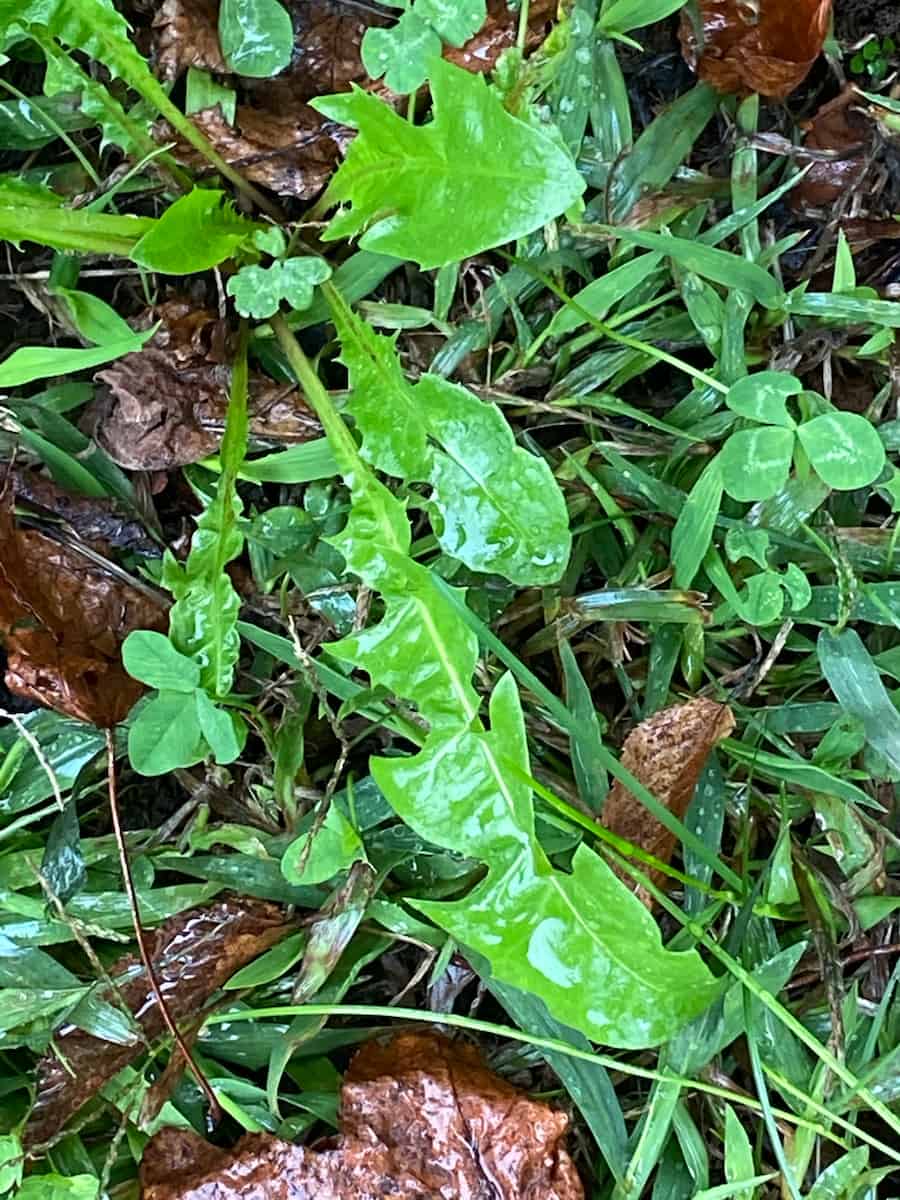
Dant y Llew, Löwenzahn, Dent de Lion, names in multiple European languages refer to the Lion’s Tooth, referring to the jagged edge of its leaves. The scientific name is a bit more of a puzzle. Taraxacum is said to come from the Arabic, but it’s not clear which Arabic. It could be Disturber from tarakhshagog or Bitter Herb from talkhchakok. The epithet, officinale is more helpful. Any name with an epithet officinalis, officinale or officinarum means something you’d find in an officina. An officina was the storeroom of a monastery, where the medicines and herbs were kept. In the case of dandelion, it can act as a diuretic, leading to a whole load of other common names, pissenlit in French, pissblum in Luxembourgish, pissros in Swedish.
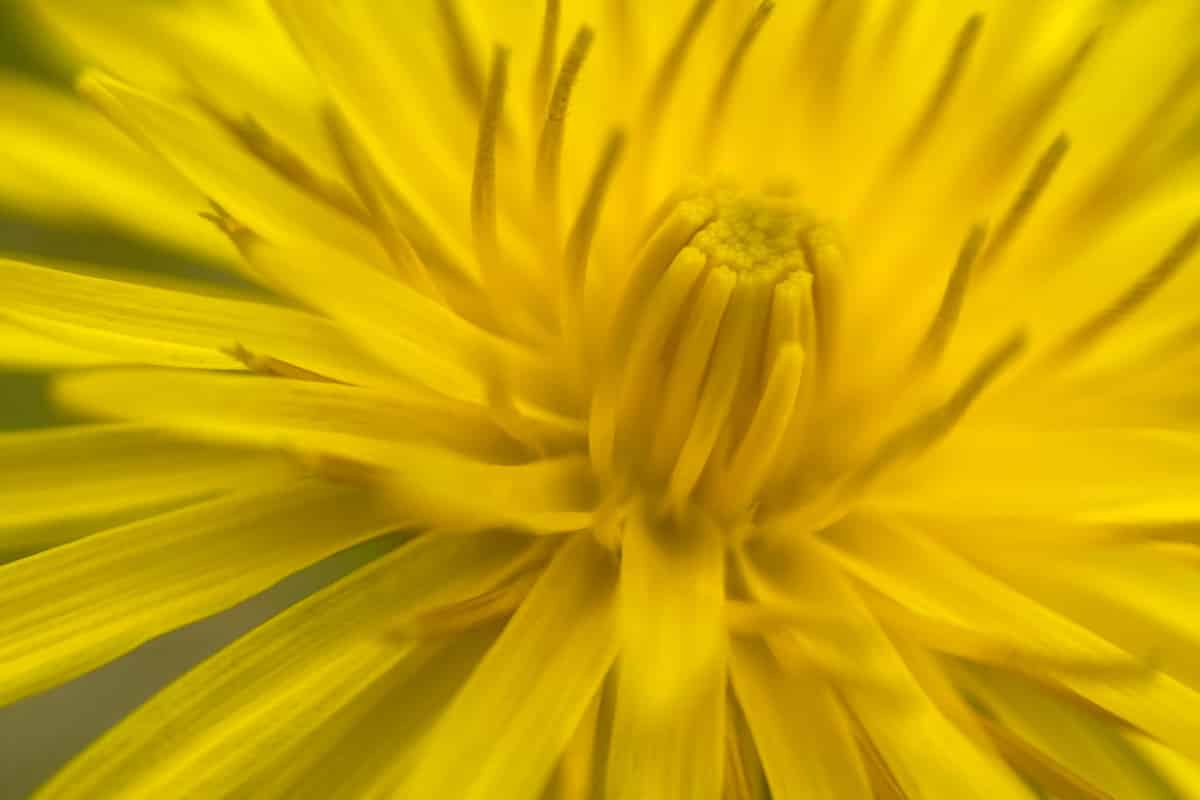
The dandelion is a generalist flower for pollination, meaning it can be visited by bees, hoverflies, beetles or butterflies. It’s often cited as an important early-season nectar source. But, while insects may need dandelions, dandelions don’t need them. Apomixis means the seeds are produced without fertilisation. The seeds are dispersed in achenes, each one a dry, single seeded fruit. Each achene has a pappus, a little feathery parachute that catches the wind to pull the achene along on the breeze, in search of a new site. Because of this asexual reproduction, it’s not clear if we should describe each seedling that germinates as a new plant, or as copies of the same plant.
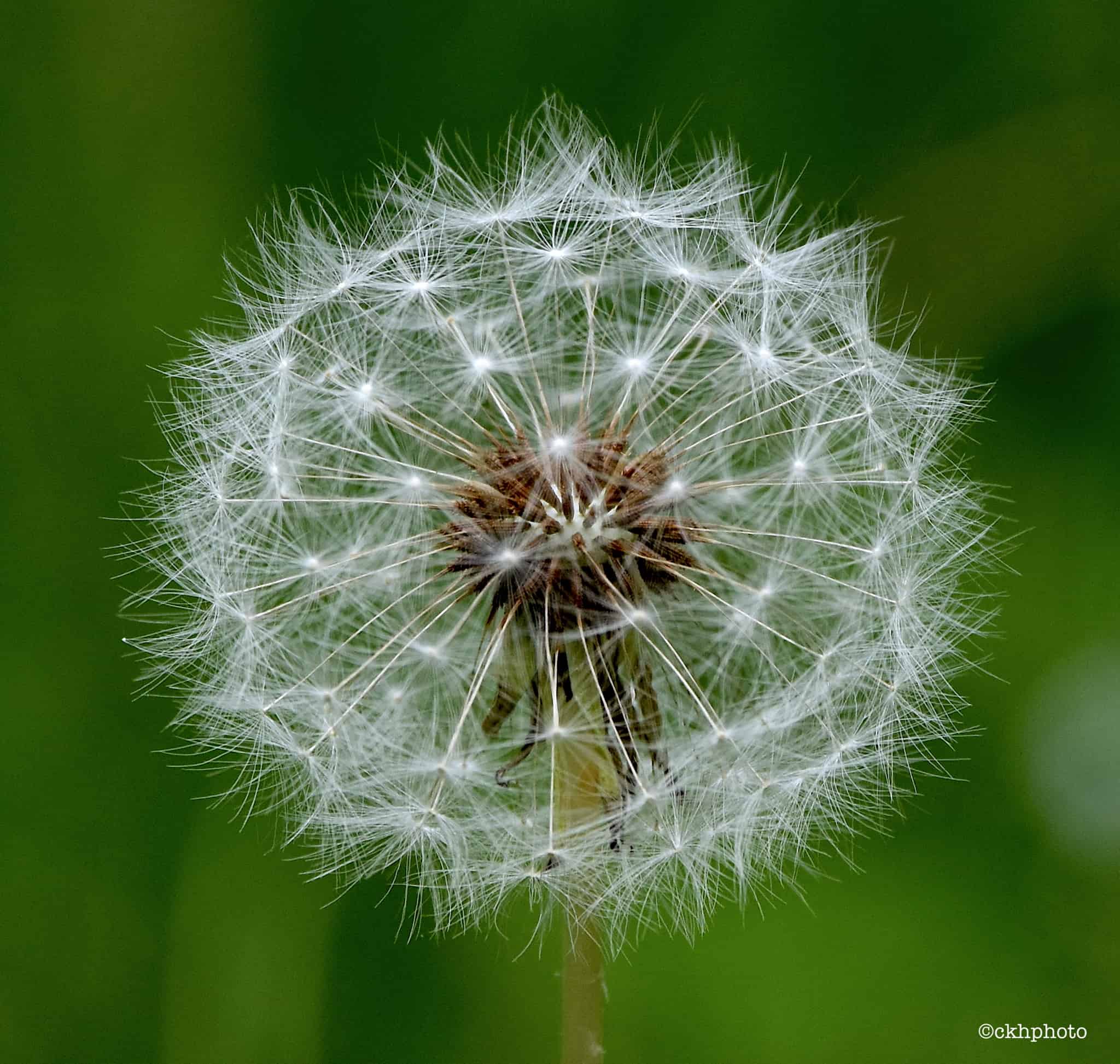
Apomixis in Taraxacum officinale challenges this idea of what a species is. With each plant seeding without exchanging genetic material, they produce clones of themselves, making each lineage distinct. With each lineage having distinct DNA, they can be described as microspecies. Another description is as an aggregate species. There are sexual species still in Southern Europe that are thought to be the ancestral lineage, but those ancestors are a minority. The dandelions you'll meet in any lawn north of Mediterranean Europe are clones.
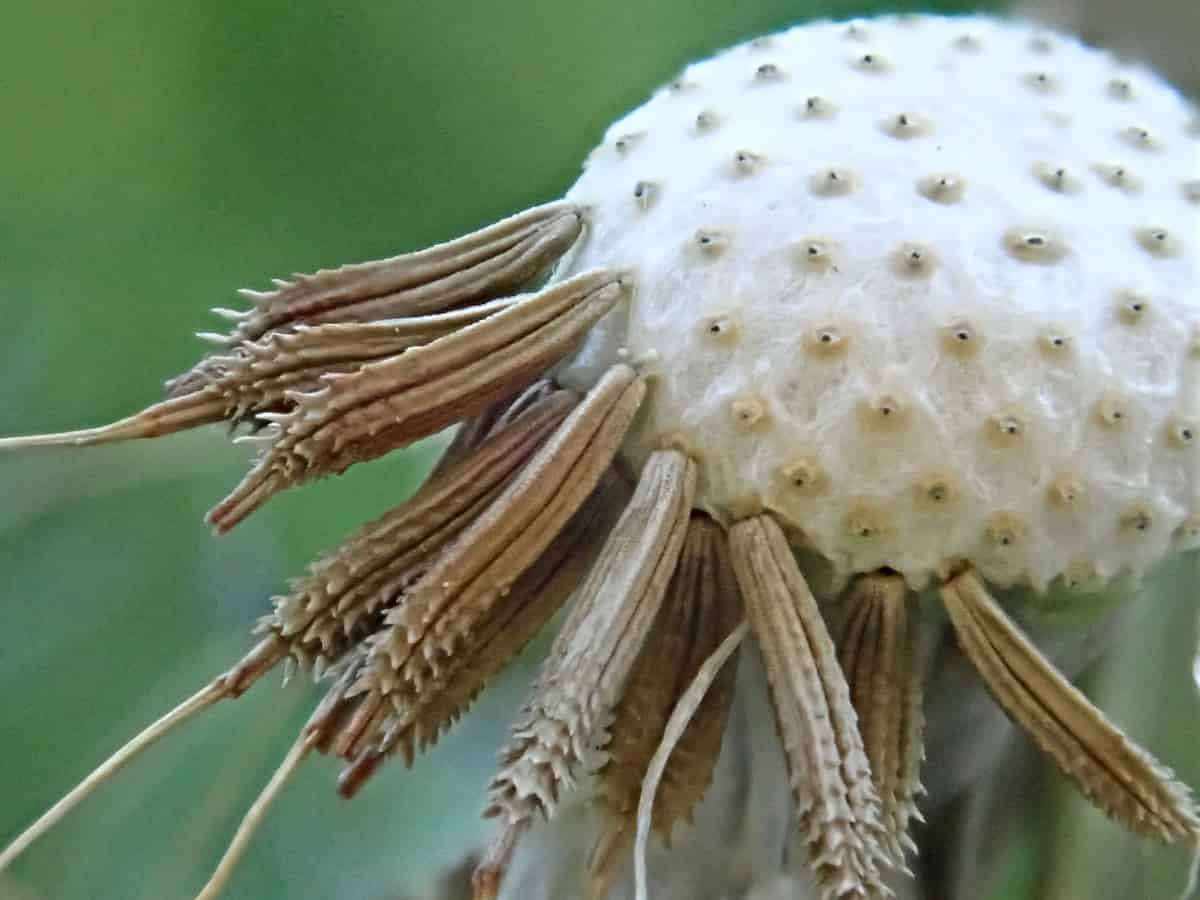
Just as the many dandelions you can see in your lawn might be described as one plant, any single dandelion flower might be described as many. Just like a daisy, which is in the same family, the flower head is a capitulum, a collection of flowers tightly packed together. Each of these florets may produce a single seed that copies its mother, and flies into the sky to seek life somewhere else. Should it land in someone else’s garden, someone will pay money for equipment to remove it, just as others would smuggle it across borders to appreciate it.
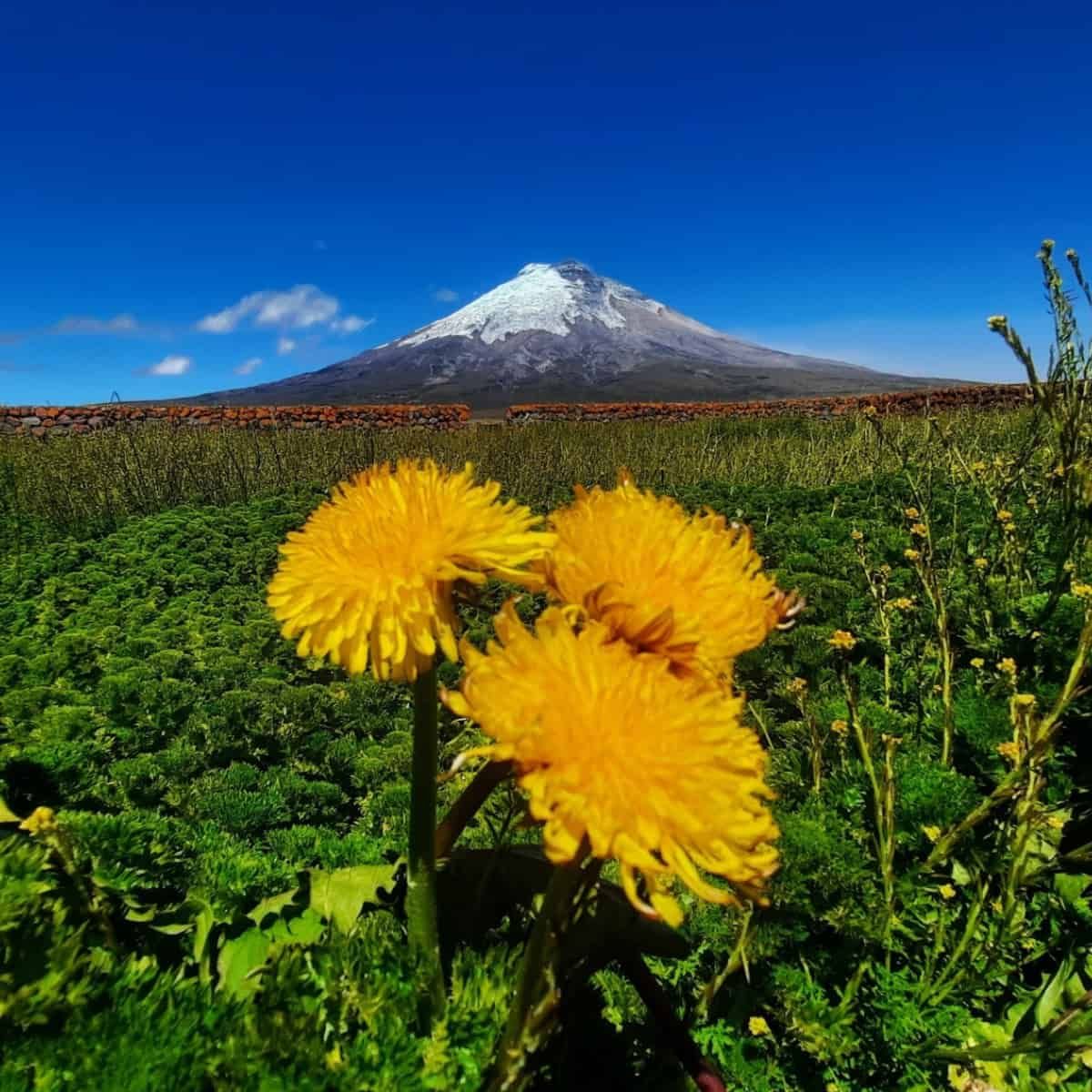
Cover image: Taraxacum officinale by lui_23 / iNaturalist CC BY-NC