
Michael Caine once described himself as “calm, like a duck, on the surface, but paddling like hell underneath.” What would be the botanical equivalent? I wondered if it could be this week’s plant, Parinari capensis. It doesn’t seem to have a lot going on above the surface, but there’s a lot hidden beneath.
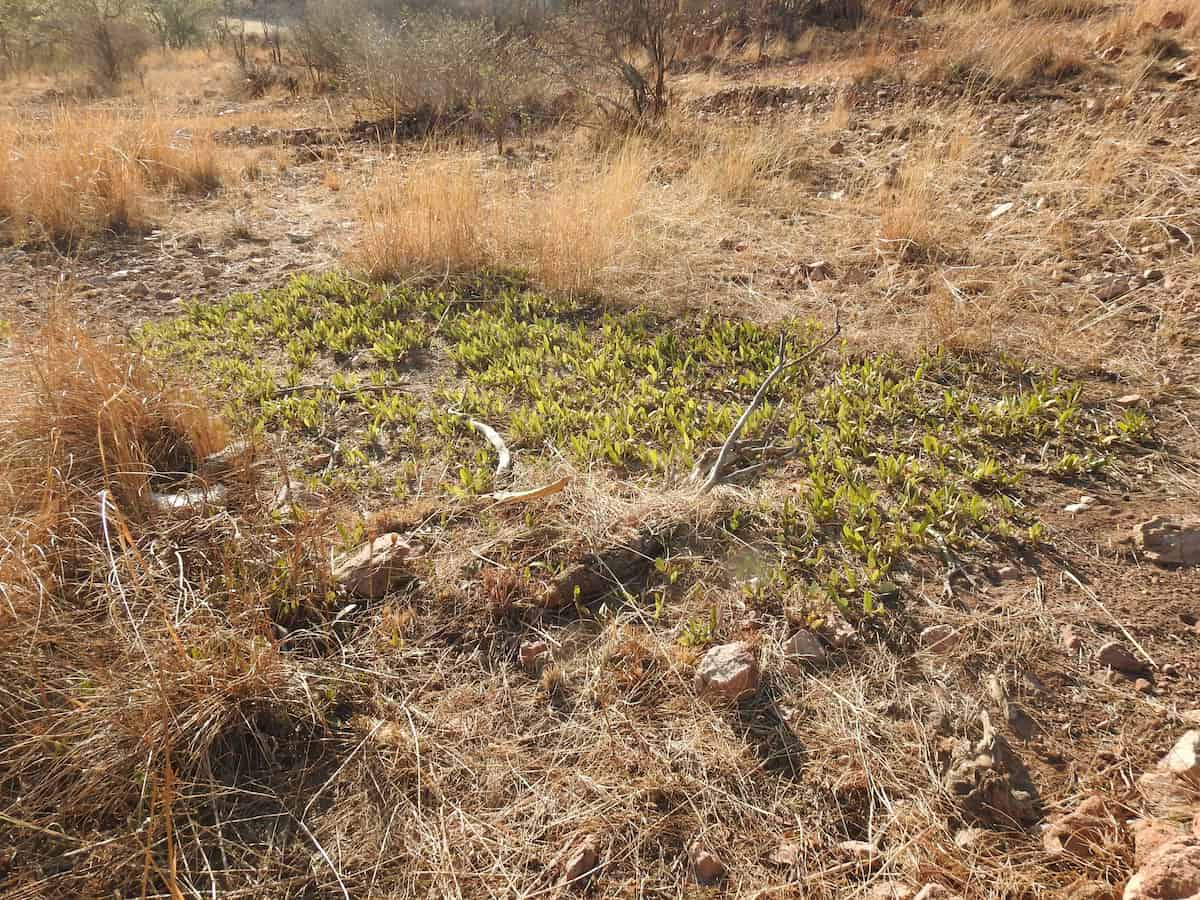
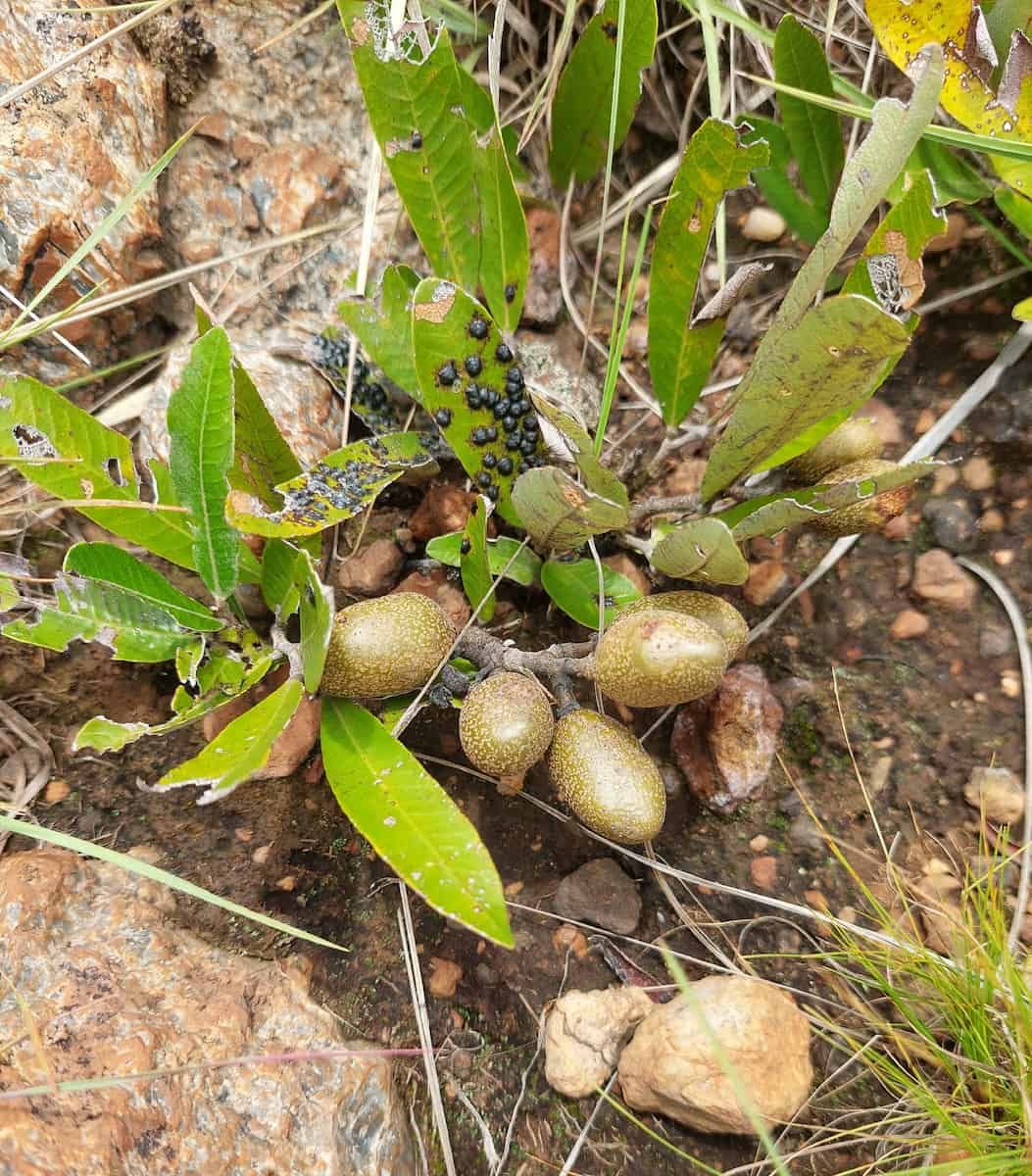
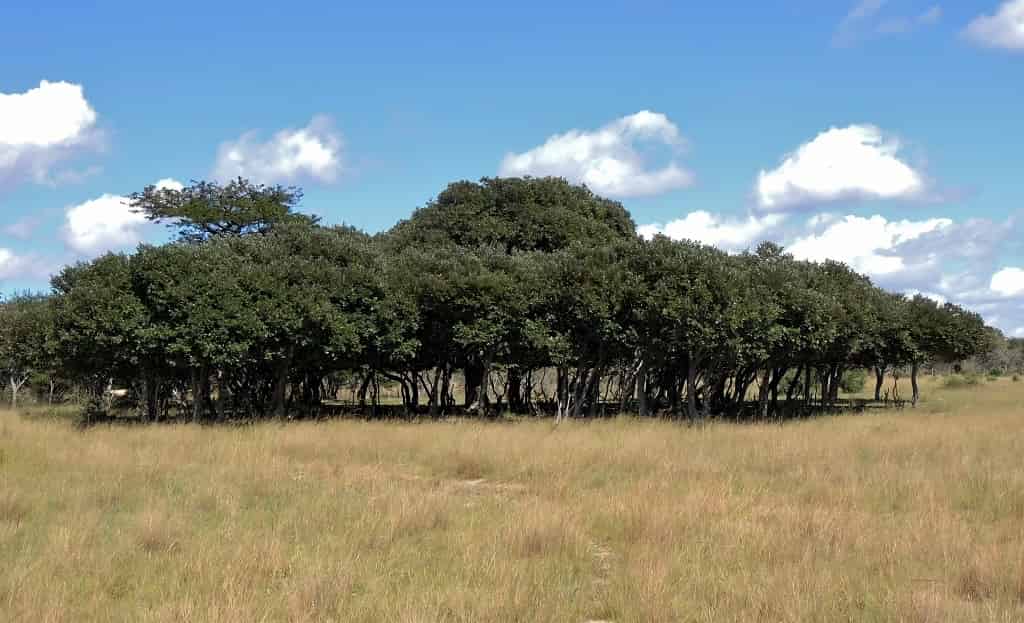
Parinari capensis is a geoxyle, an underground tree. I thought that most trees had a good portion of themselves underground, but some plants have taken this to an extreme, putting their trunks underground and sprouting as little as possible above the surface of the soil. Geoxyles aren’t a single group, it’s a tactic that’s been adopted by a few unrelated plants in Africa. For example, a close relative of P. capensis is P. curatellifolia, a tree that’s perfectly happy standing tall.
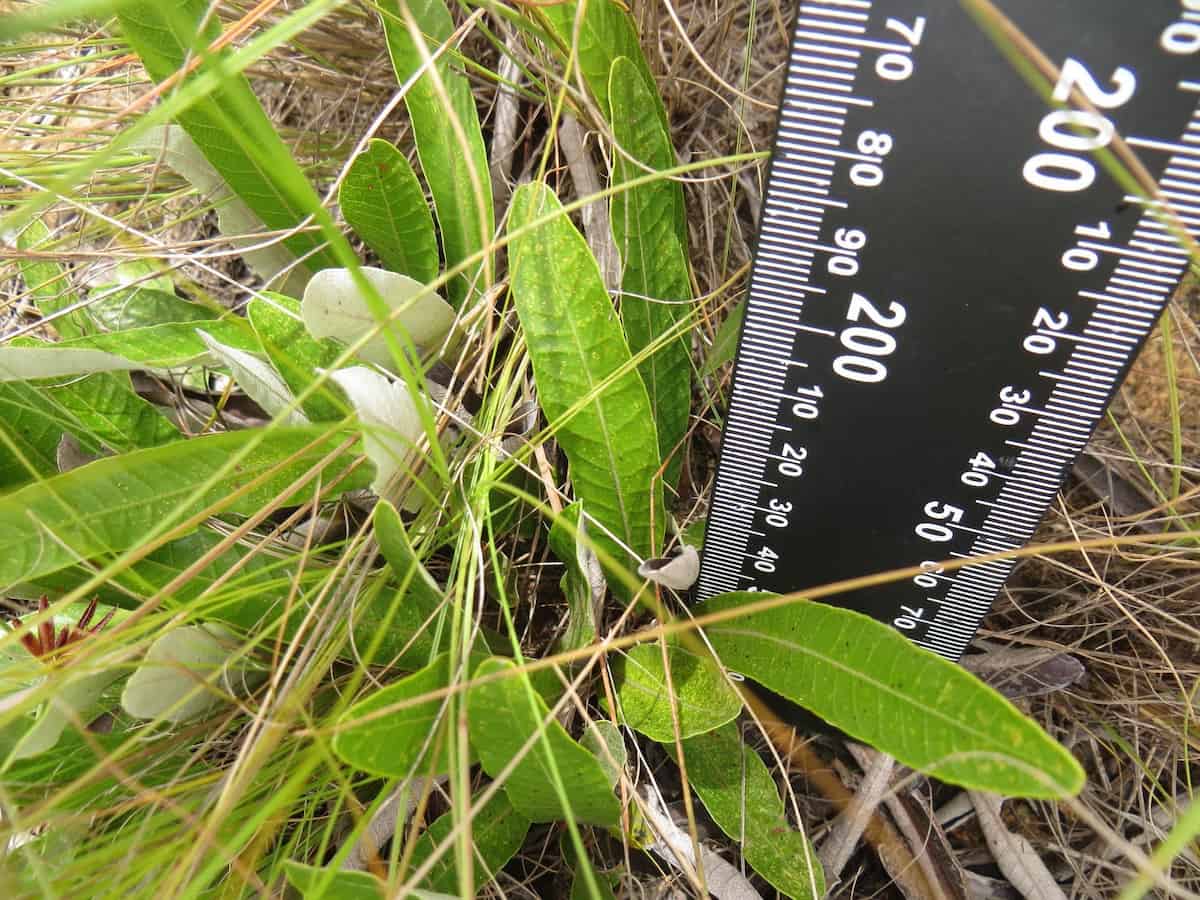
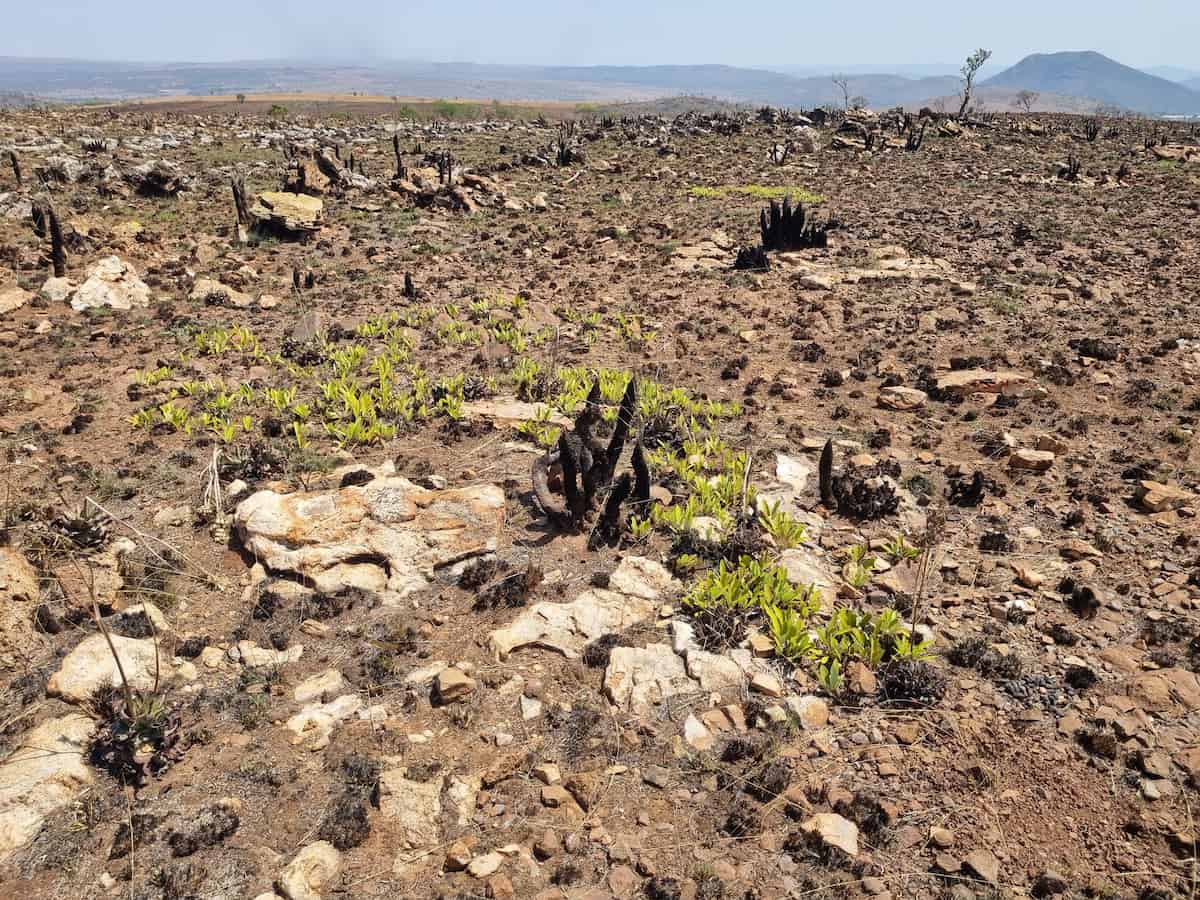
What Parinari capensis is doing is taking precautions. It puts its efforts into producing a lot of woody roots, and rhizomes, underground stems. What you’ll see above the surface are branches with leaves, so what you see above the ground may look like many short plants but is in fact all part of the same plant. That’s vegetation that’s at risk because the grasslands that P.capensis evolved to live in often went up in flames.
It has been argued that savanna spread across Africa thanks to C4 grasses promoting fire, though some disagree, and blame browsing mammals. Sweeping clean the ground with flame gives an advantage to those plants that can colonise new territory or leave seeds to take advantage of the lack of competition. If fire is burning everything above the surface, then a tree that can hide most of its body below the soil, is also better placed to survive.
The result is a tree that’s quite difficult to kill. It’s possible therefore, that some of these trees are among the oldest living beings on the planet. Their ability to reproduce clonally from their rhizomes would allow this, but sadly, I can’t tell you that they are up to 13,000 years old, because I can’t find a scientific source for that. Getting an age for clones is difficult, because the parts you can see only have a few tree rings, and the parts you can’t are difficult to sample for radiocarbon dating.
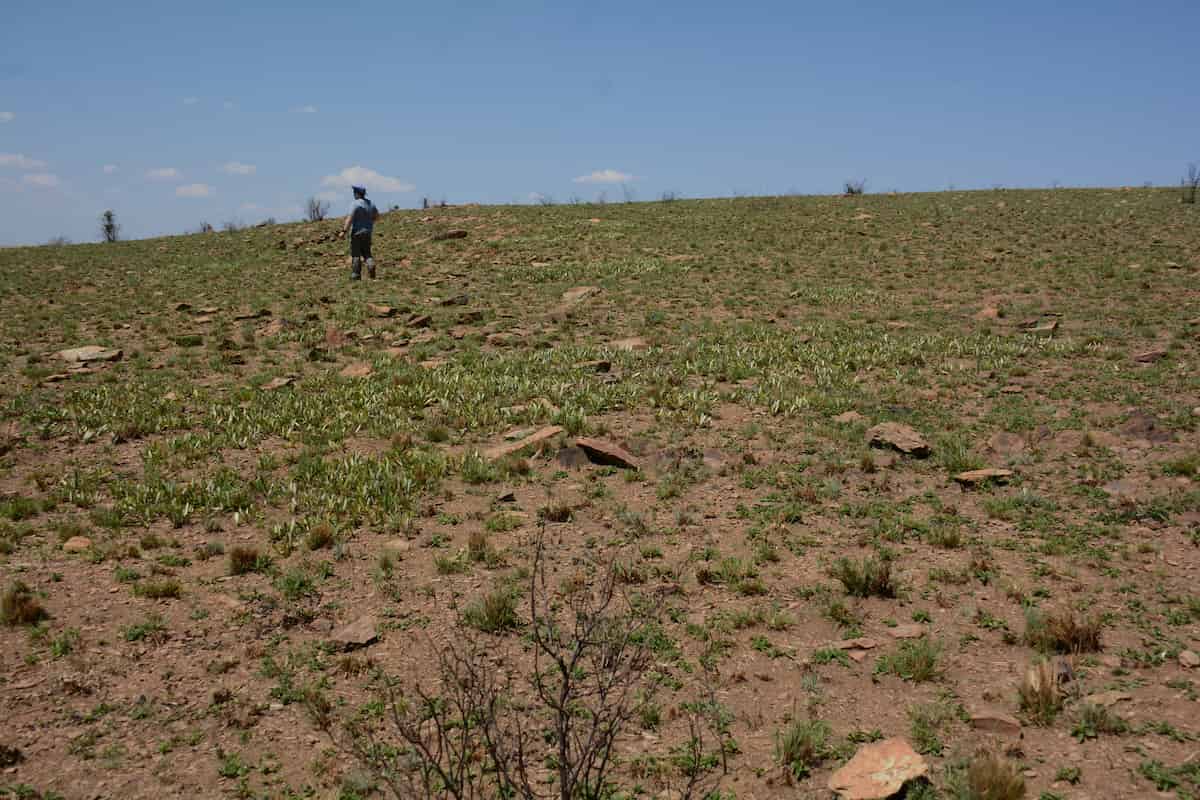
Each new shoot above ground looks like effort, a tree straining to get a foot high. But underground the story is different. All is calm. Parinari capensis has already done the hard work, and done it on a timescale that makes fire and frost look impatient. New leaves spring up as the plant returns to the surface, unsinkable.
Cover image: Parinari capensis by Grant Egen / iNaturalist CC BY-NC