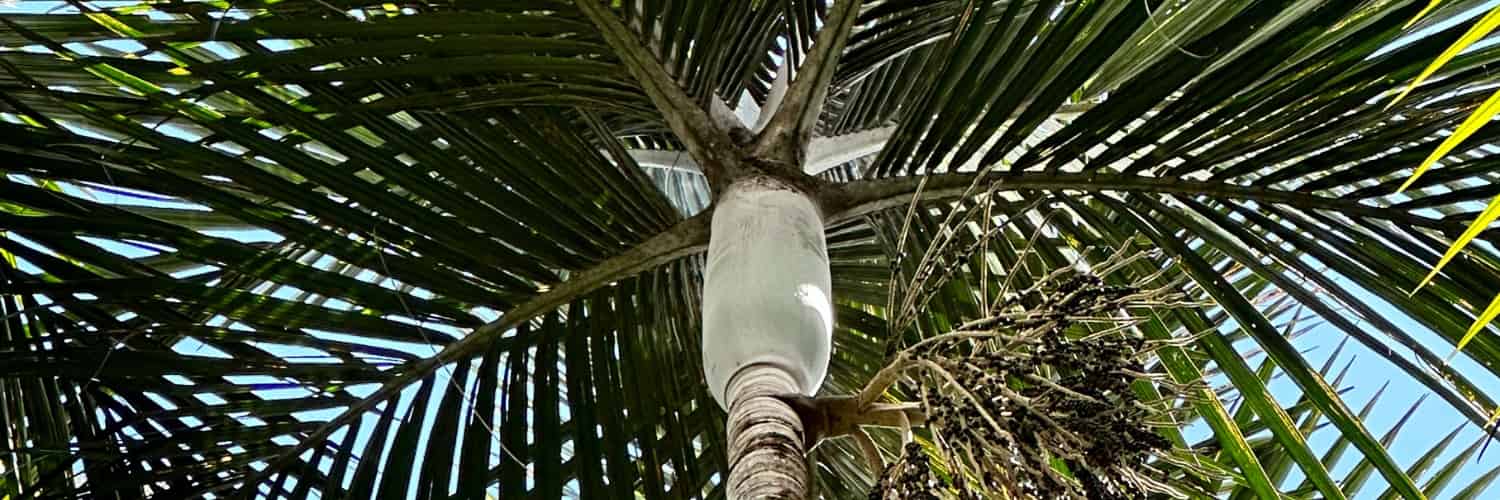
Scientists used DNA to create a family tree of New Caledonia’s unique palm trees and discover how they arrived on the islands over many millions of years through long distance travel and evolving to different environments.
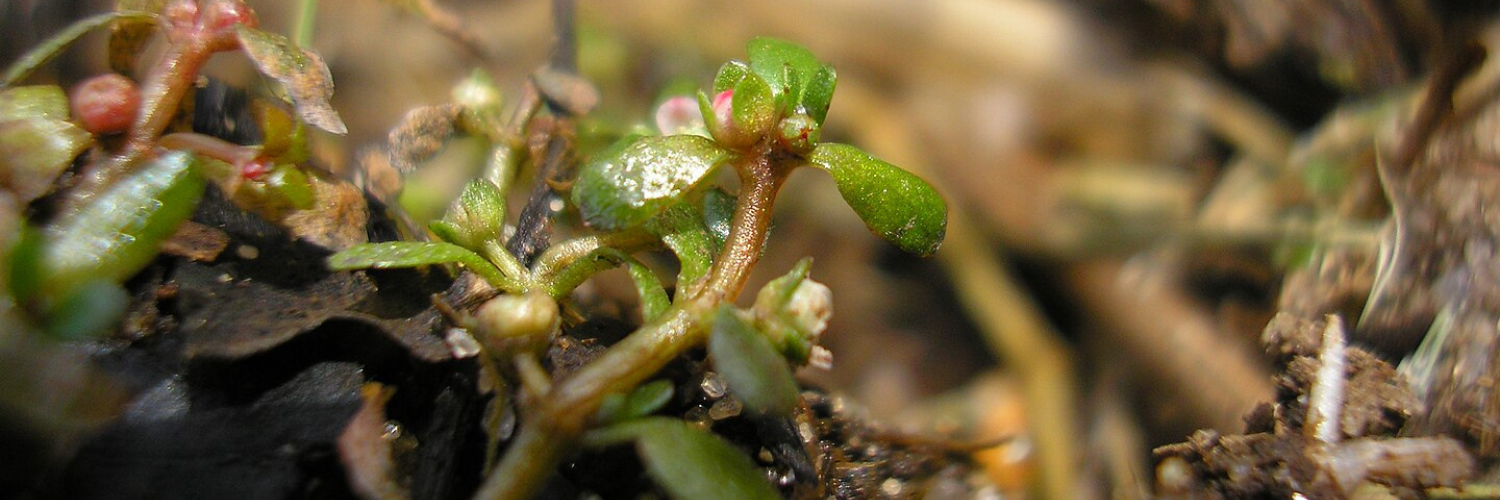
To understand the evolution of the flowers of a megadiverse group, Brazilian researchers had to delve into the floral anatomy of a family whose position on the evolutionary tree of plants has been controversial.
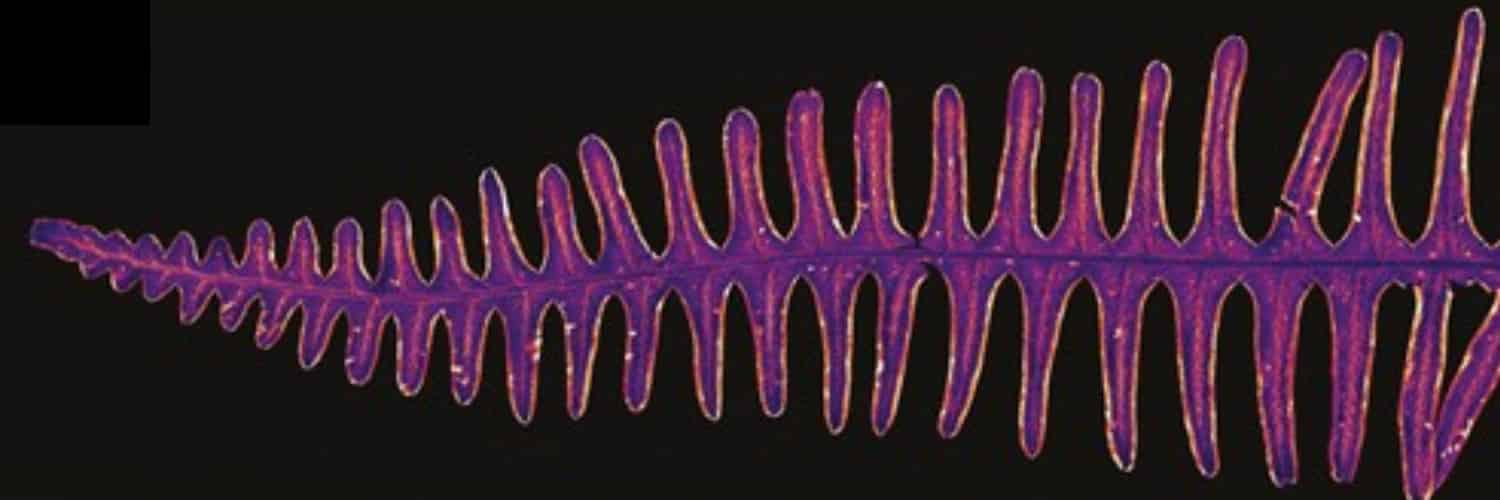
By analysing herbarium specimens, scientists found new plants that take rare earth elements from the ground, which could help get more of these important metals in a more sustainable way.
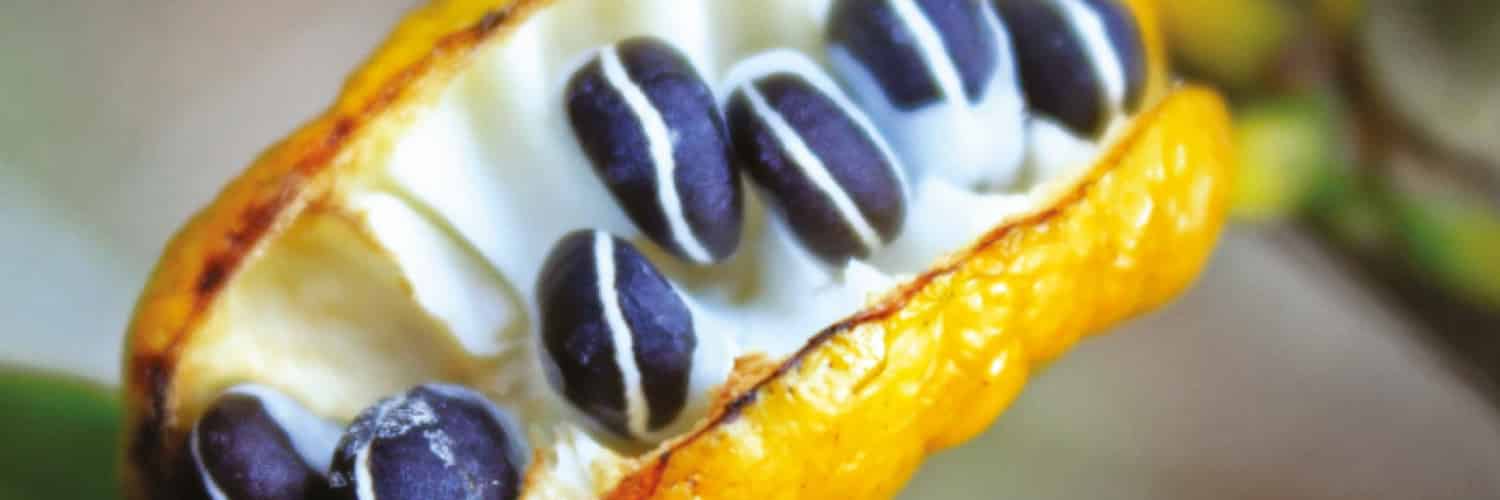
Scientists used DNA to track how a group of tropical plants travelled across continents over millions of years and found that they were able to spread because they attracted a variety of animals to eat their fruits and excrete their seeds.
A global team of plant experts harnessed new tools to map worldwide hotspots of botanical evolution over millions of years, revealing overlooked regions crucial for protecting nature’s phylogenetic diversity against extinction.