Growth & Development
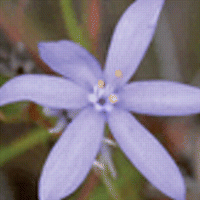
Style polymorphism in Nivenia (Iridaceae)
Heterostyly is widely distributed among the angiosperms, but detailed studies are limited to few taxonomic groups. Sánchez et al. (pp. 321–331) ascertain the presence of

Growth & Development
Heterostyly is widely distributed among the angiosperms, but detailed studies are limited to few taxonomic groups. Sánchez et al. (pp. 321–331) ascertain the presence of
Growth & Development
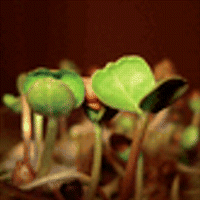
The growth–differentiation balance hypothesis states that there is a physiological trade-off between growth and secondary metabolism. Cella Pizarro and Bisigato (pp. 297–307) investigate
Growth & Development
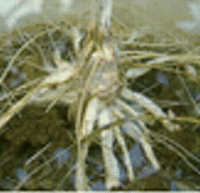
When in flooded soil, soybean, Glycine max, produces aerenchyma and hypertrophic stem lenticels. Shimamura et al. (pp. 277–284) investigate the oxygen dynamics in these tissues
Growth & Development
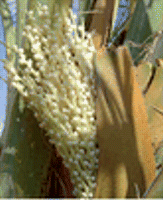
Dioecy has evolved independently several times during the evolution of flowering plants, but knowledge of the mechanisms involved is poor. Phoenix dactylifera is a dioecious species
Growth & Development
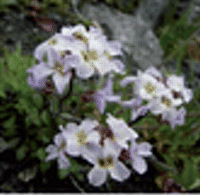
The perennial Arabidopsis lyrata is able to propagate both sexually and asexually, and this is expected to influence spatial genetic structure in the species. A fine-
Growth & Development
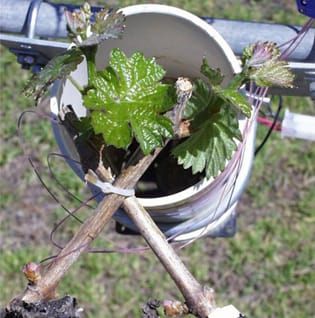
Plant growth is commonly understood to be determined by current temperature. Using a free-air cooling and heating system in the field, Keller and Tarara (pp.
Growth & Development
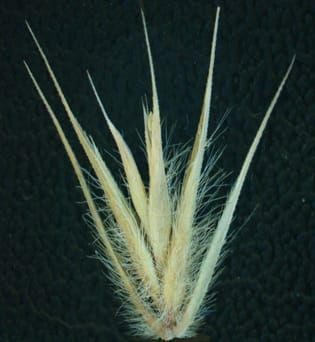
The cold desert annual grass Eremopyrum distans exhibits position-dependent effects of seeds in the spikelet. Wang et al. (pp. 95–105) find that seeds from
Growth & Development
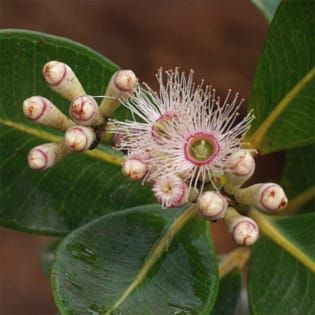
Fleshy fruits have evolved independently several times amongst Myrtaceae. Using a family-wide phylogeny, Biffin et al. (pp. 79–93) find that the parallel evolution of
Growth & Development
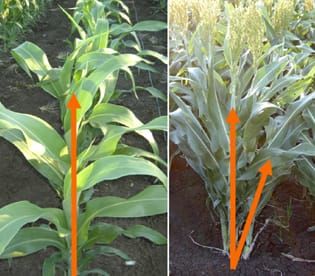
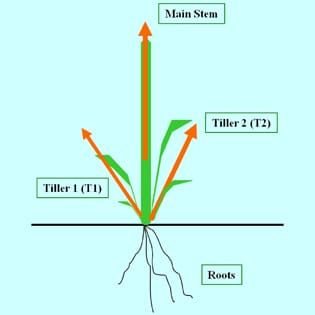
Tillering is generally recognized as one of the most plastic traits affecting accumulation of biomass and ultimately grain yield in many field crops. Kim et al.
Growth & Development
Tillering has a significant effect on canopy development, resource capture, crop growth, and grain yield in cereal crops. Kim et al. conduct a series of field
Growth & Development
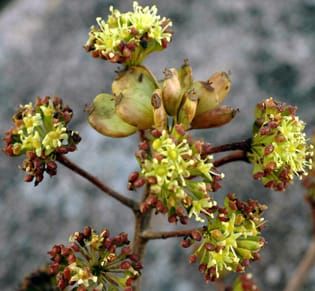
Seemannaralia (Araliaceae) Seemannaralia (Araliaceae) has bilocular ovaries whereas its fruits are unilocular, formed by two adjacent carpels. Oskolski et al. (pp. 29–36) find that the