annals-of-botany
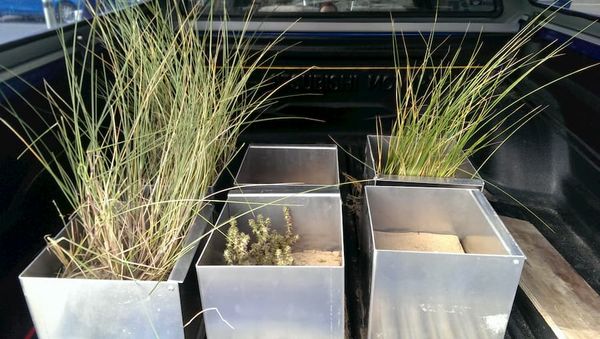
Belowground biomass reduces erosion rates in sand dunes
New research shows that it’s the parts of the plants you don’t see that help preserve dunes from erosion.

annals-of-botany
New research shows that it’s the parts of the plants you don’t see that help preserve dunes from erosion.
featured
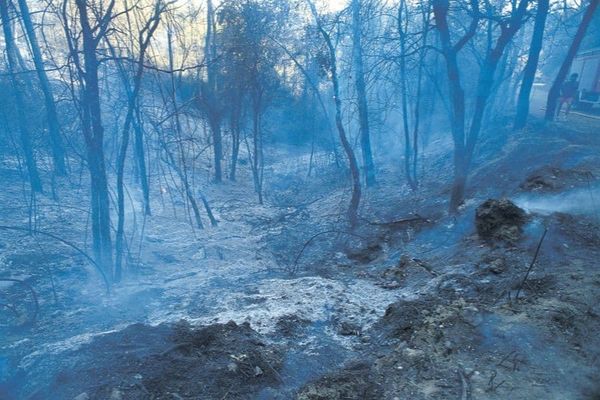
Forests that have coped with fires in the past may struggle to regenerate as climate change increases aridity in the Mediterranean Basin.
annals-of-botany
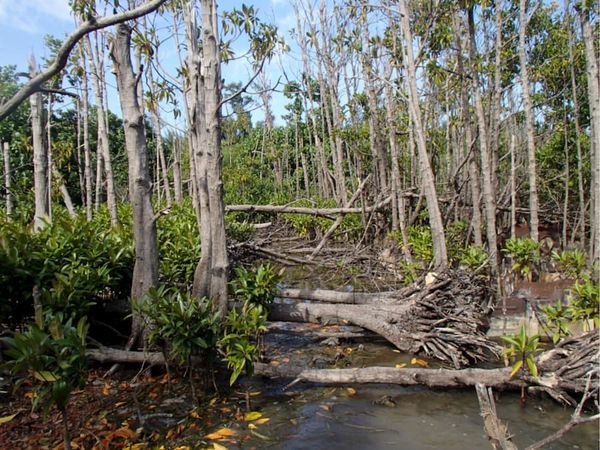
What happens when cyclones hit mangroves? What happens when there are repeated impacts? Ken Krauss and Michael Osland have been looking at the scientific research to find out.
annals-of-botany
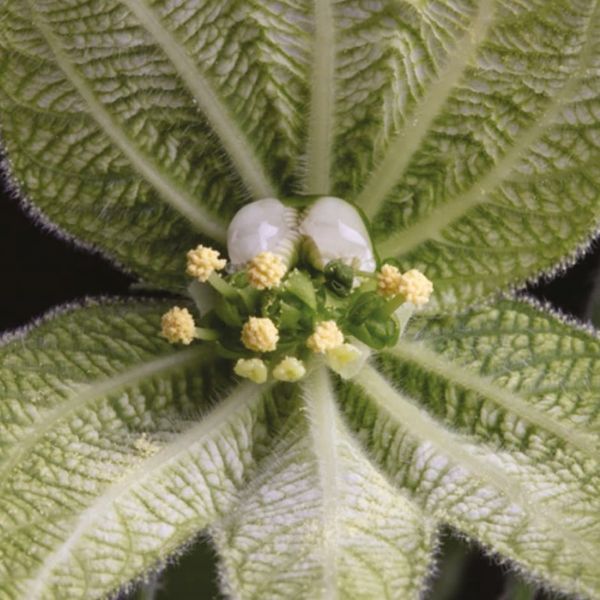
The longer a plant waits to self-pollinate, the longer it has to attract pollen from outside. But waiting too long can have consequences.
annals-of-botany
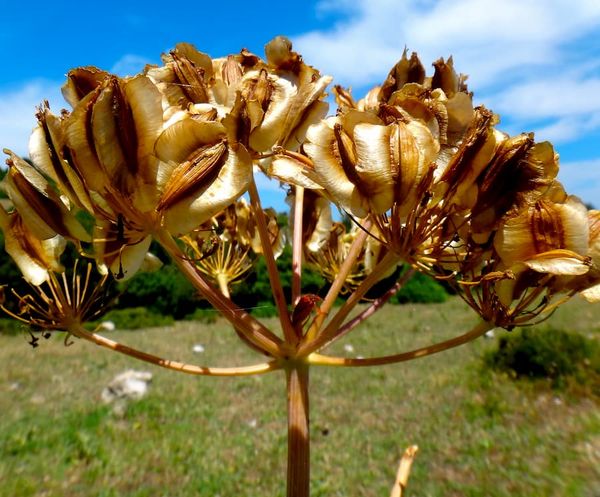
The deadly carrot might sound as likely as the killer tomato, but decoding the defences of Thapsia garganica might have a big pay-off in the future.
annals-of-botany
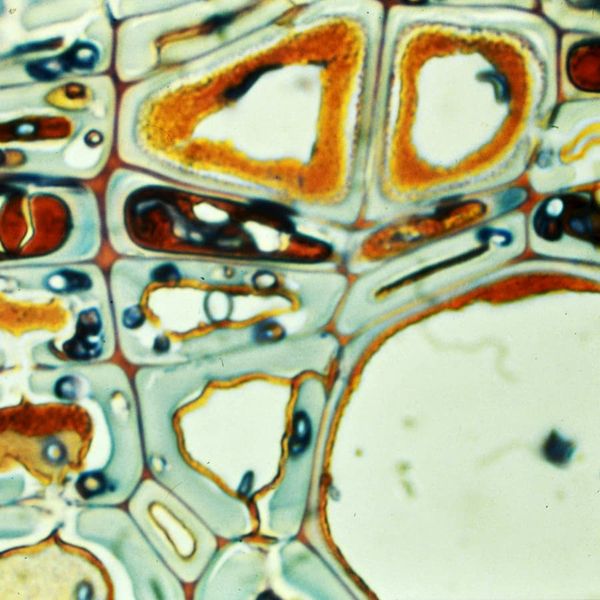
Trees fight infections by trapping pathogens in one part of the tree. Hugh Morris and colleagues have been reviewing how trees use secondary metabolites in order to control the process.
annals-of-botany
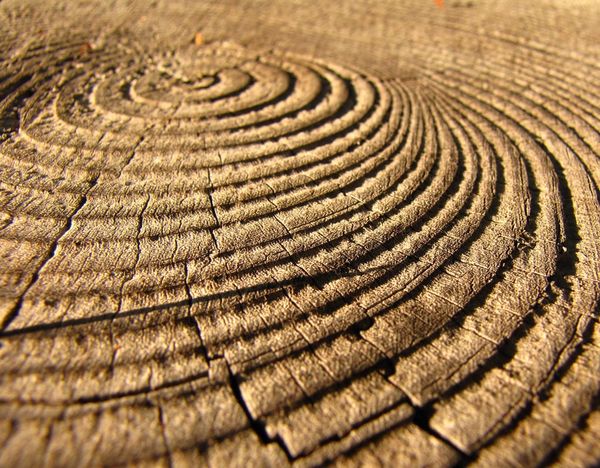
A new technique to scan tree rings offers to yield precious new data on past climates.
annals-of-botany
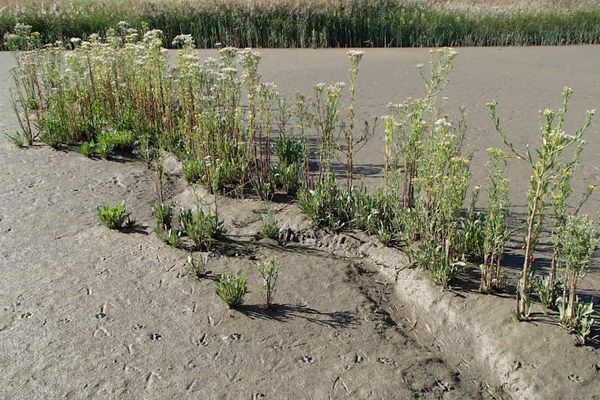
For pioneer species in the marshes, it’s a case of grow fast or die young. But the differences in growth speed can be caused by tiny changes in geography.
annals-of-botany
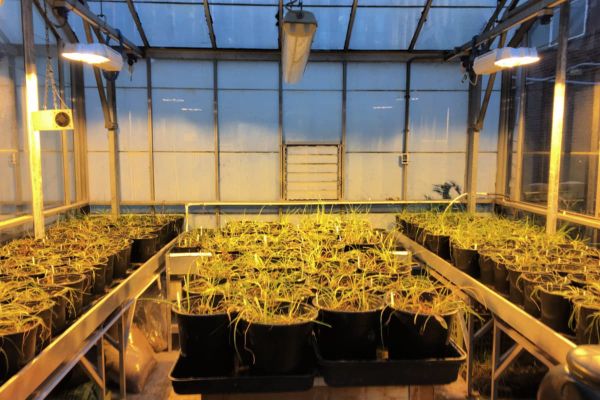
A coastal plant’s ability to cope with temporary flooding isn’t just due to its own traits. Neighbours can make a flood more, or less, tolerable.

featured
We asked the members of the in silico Plants editorial board about the experience that has had the biggest impact on their career. This is what
annals-of-botany
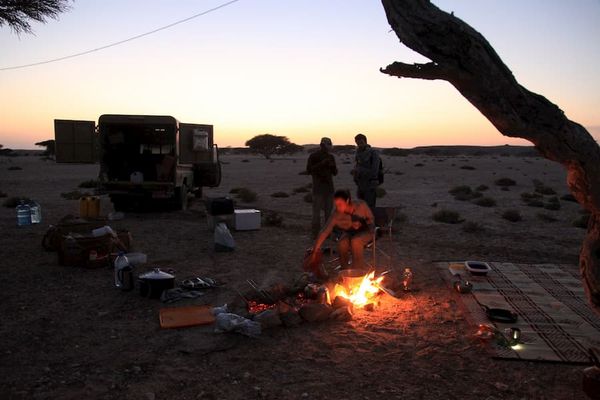
If you’re looking for biodiversity, one good place to start is an unexpectedly harsh environment.
featured
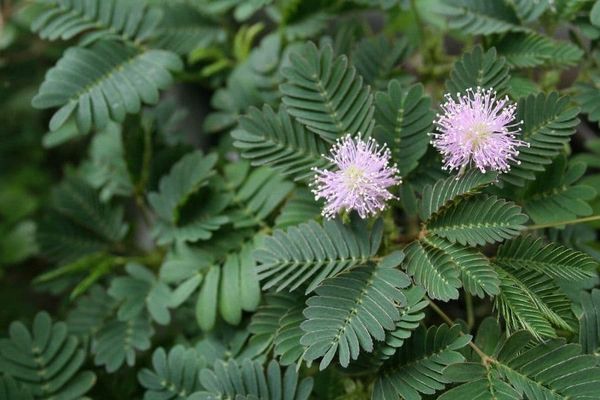
Can a plant learn? Drawing on recent and forthcoming research, Monica Gagliano and Michael Marder suggest that we should be rethinking what intelligence is.