featured
The Next Generation of Natural Historians
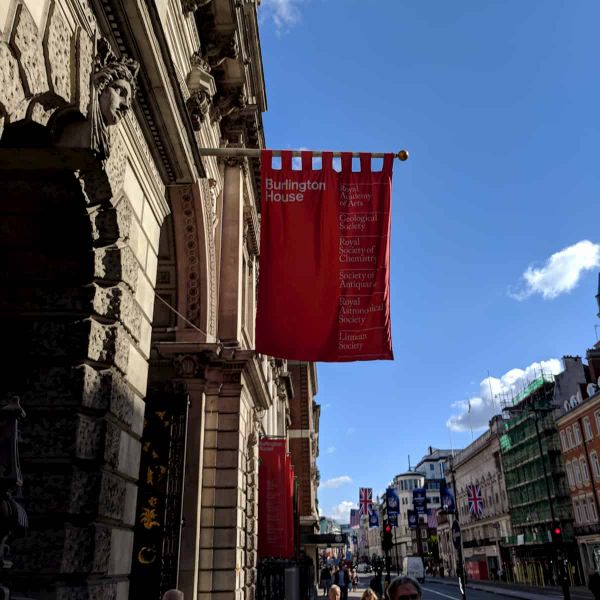
The Linnean Society held its second student conference last Friday, Student Spotlights 2020: Discover the next generation of natural historians. I had hoped to go to

featured
The Linnean Society held its second student conference last Friday, Student Spotlights 2020: Discover the next generation of natural historians. I had hoped to go to
featured
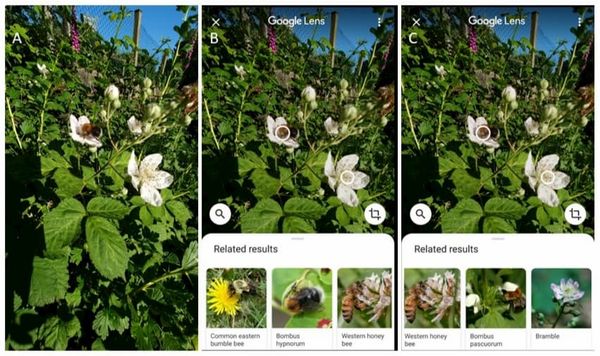
It is well-known that people are better at identifying animals than plants and this relative inability of people to identify plants is increasingly termed “plant
Computational Models
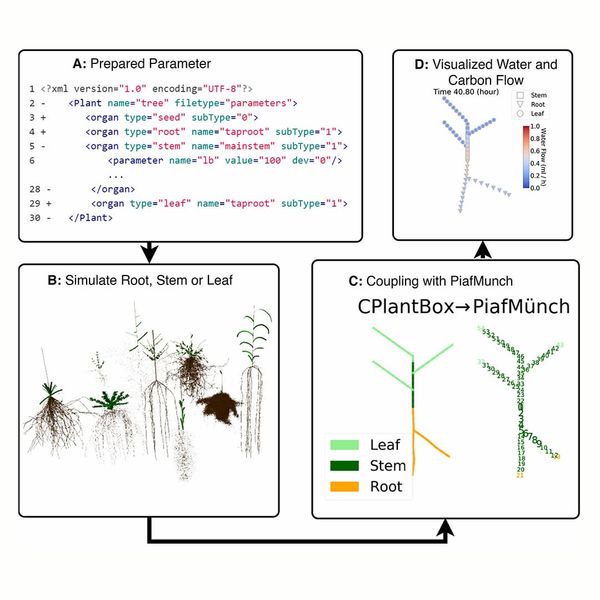
CPlantBox generates a variety of 3D full plant architectures and accurately simulates water and carbon flow in the full plant.
Ecosystems
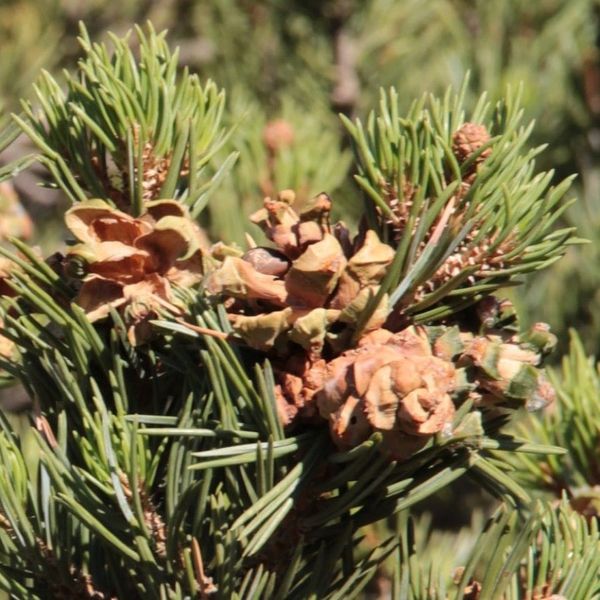
Three key functions are required for the long-term persistence of tree populations in a landscape. Broadly speaking, trees must acquire and allocate resources to maintain
Close Encounters
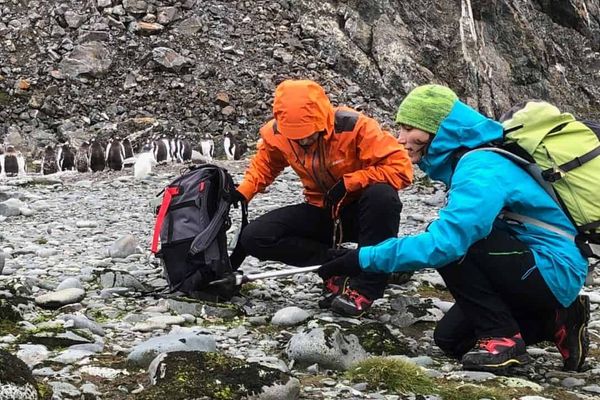
Lichens are partnerships between algae and fungi. In the Antarctic Lichens offer algae shelter against the cold, but also an uncertain future.
featured
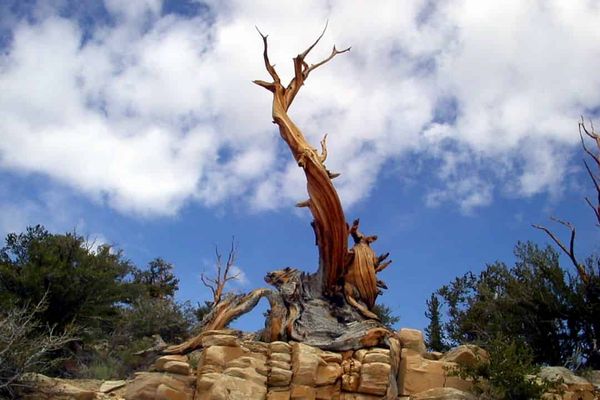
How old is OLD?
Cells, Genes & Molecules
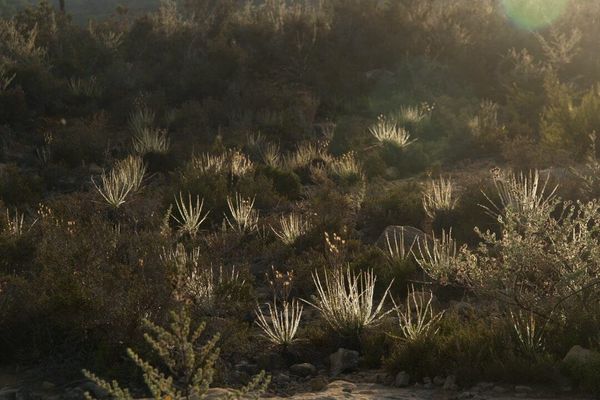
Drosophyllum lusitanicum, also known as the Portuguese sundew or dewy pine, is unusual even for carnivorous plants in that it lives in dry environments. Typically, carnivorous plants live in nutrient-poor wetlands, so does it really gain much from carnivory?
featured
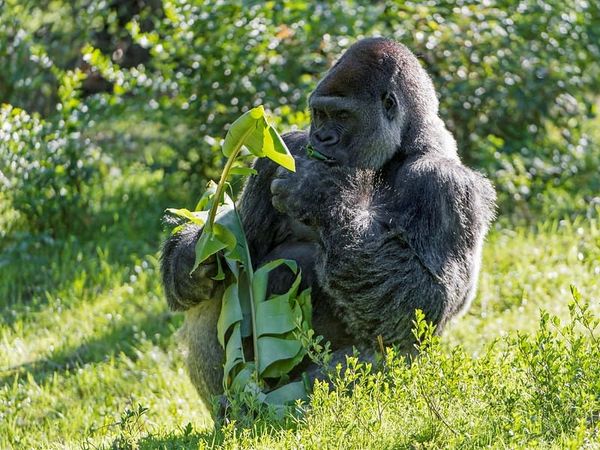
School lessons devoted to plants may be off-putting to those students who are already plant-averse. So, why not smuggle bits of plant information into lessons on topics as diverse as Geography, History, Art & Design, and Computing to show how relevant plants are?
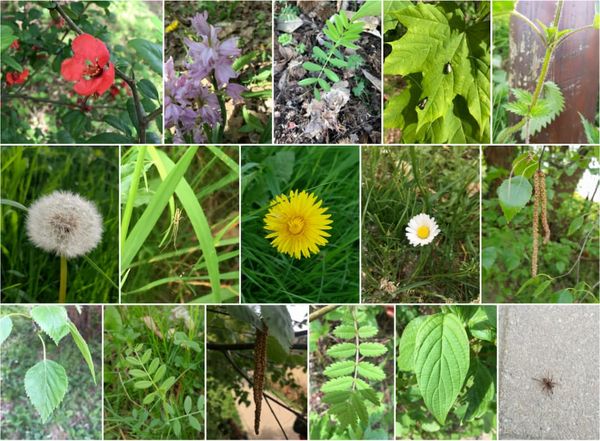
featured
It’s hard for students to do their own thing on an introductory course, when you have an intake of hundreds. The easy way is to rely on lectures, but at the Université catholique de Louvain, they do things differently.
featured
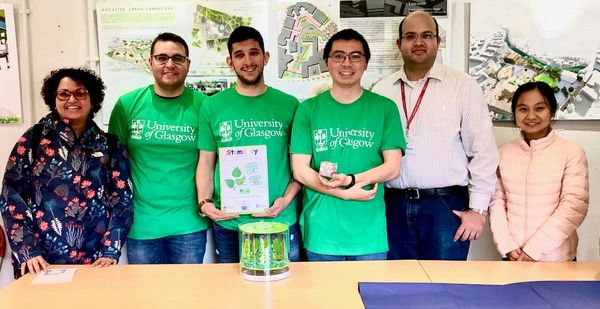
Stomata are necessary for photosynthesis, but they’re also access points for pathogens. How do plants defend them?

featured
This is what they said:
annals-of-botany
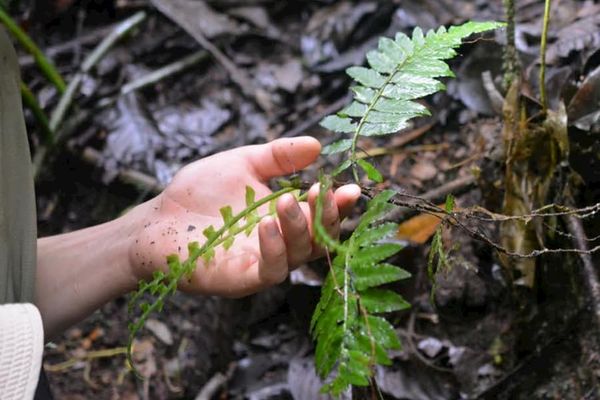
The Aspleniaceae is a family of ferns, some of which are terrestrial and some of which are epiphytes. A new study has found a rarity, a hemiepiphyte.