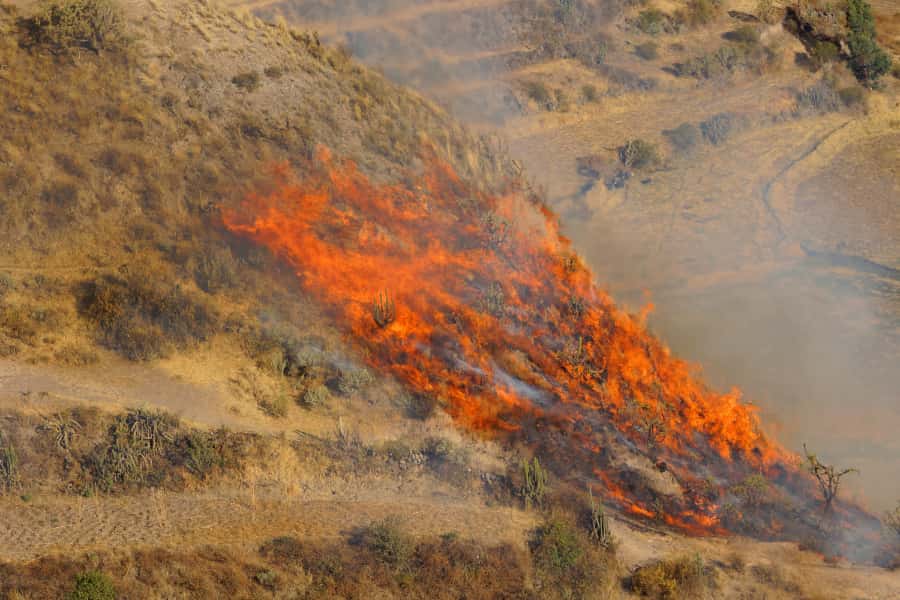
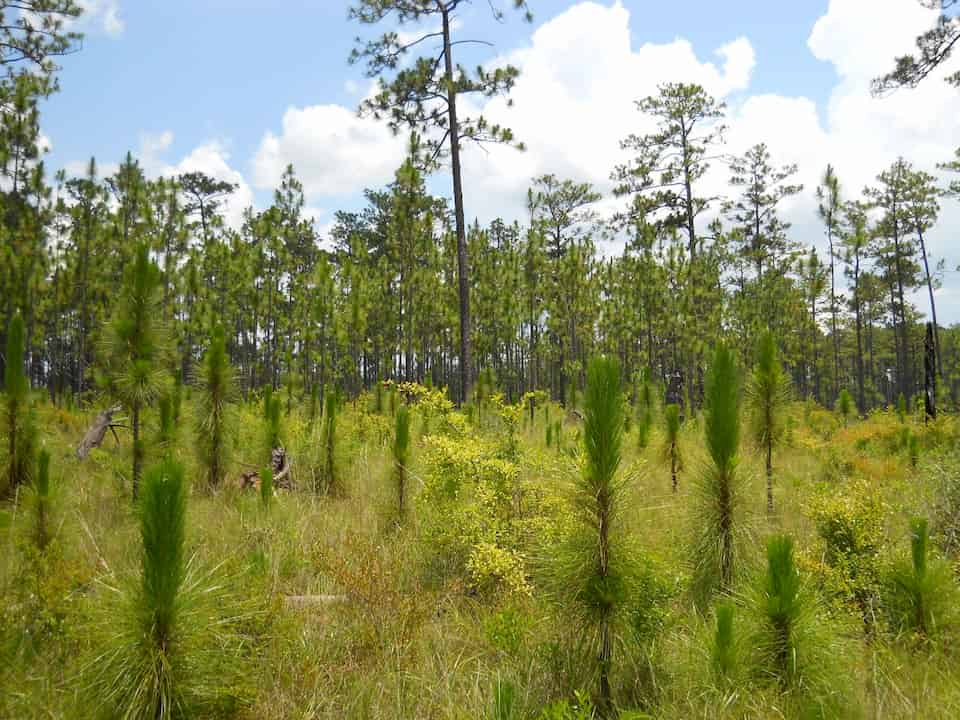
A new study highlights the value of recognizing four reproductive syndromes within fireprone vegetation, varying in their seedling–adult spatial relations.
In a fire-adapted ecosystem, increased fire frequency altered community composition and structure of the ecosystem through changes in the position of the shrub line.
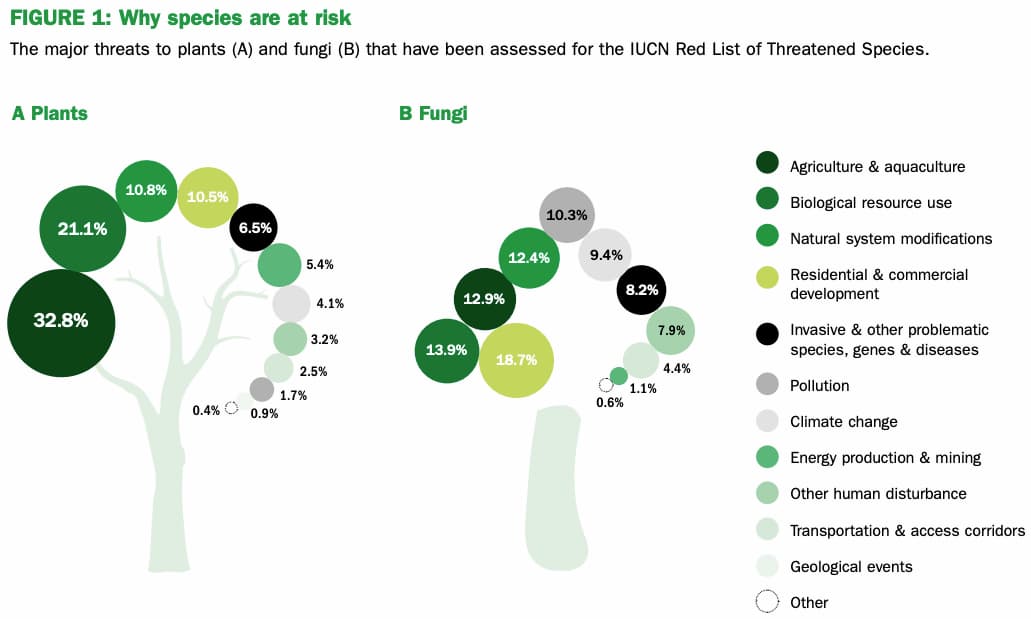
Scientists highlight the state of the art in conservation science and point to current methods of assessment and future studies needed to mitigate species extinction.