Ecosystems
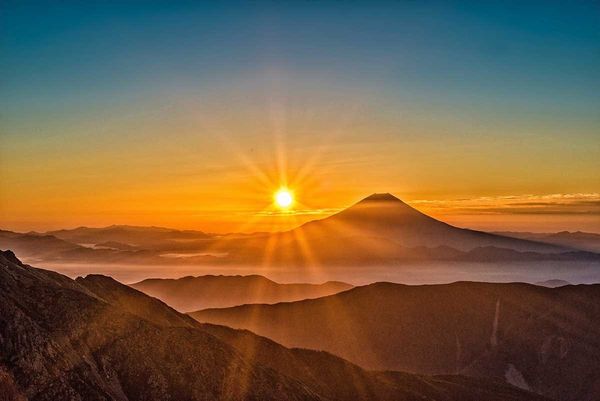
Functional traits restrict plant community assembly at high elevations
Community structure is most likely regulated by both elevation and soil nitrogen availability.

Ecosystems
Community structure is most likely regulated by both elevation and soil nitrogen availability.
Ecosystems
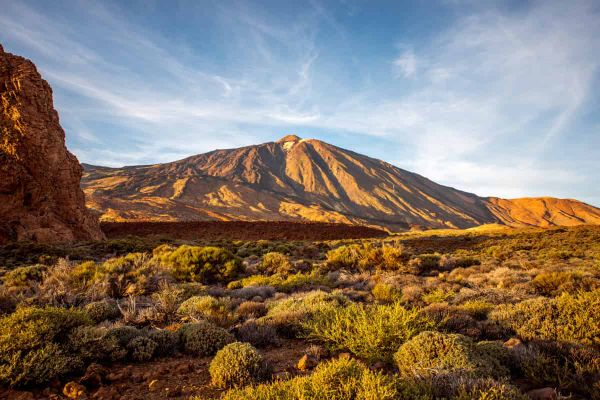
One way invasive species spread through an area is by harnessing variability in traits, but this doesn’t match observations of invasive species on the slopes of Mount Teide.

Ecosystems
Although dispersal is generally viewed as a crucial determinant for the fitness of any organism, our understanding of its role in the persistence and spread of
Ecosystems
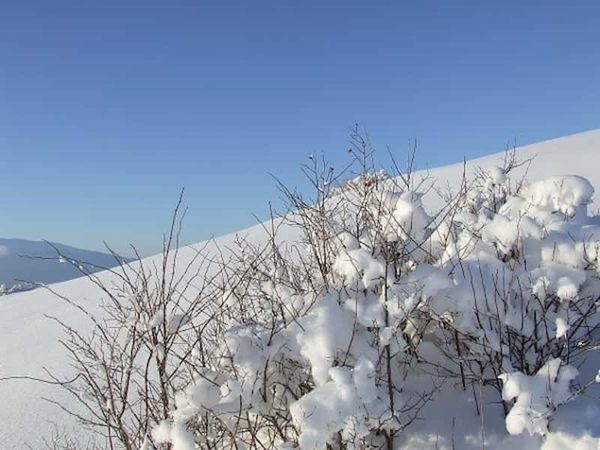
Snow may not necessarily be a bad thing for plants
Cells, Genes & Molecules
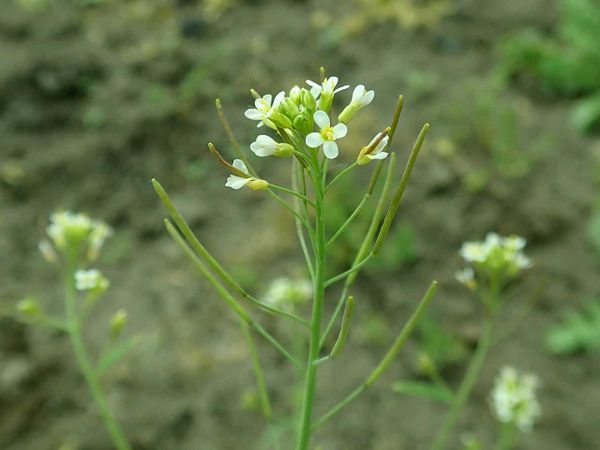
Diversity of parental environments could have comparable effects to genetic diversity in Arabidopsis.
Ecosystems
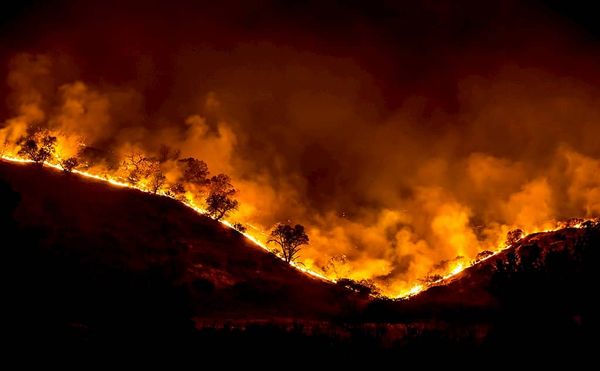
Why would a plant not frequently exposed to fire evolve to burn well?
Ecosystems
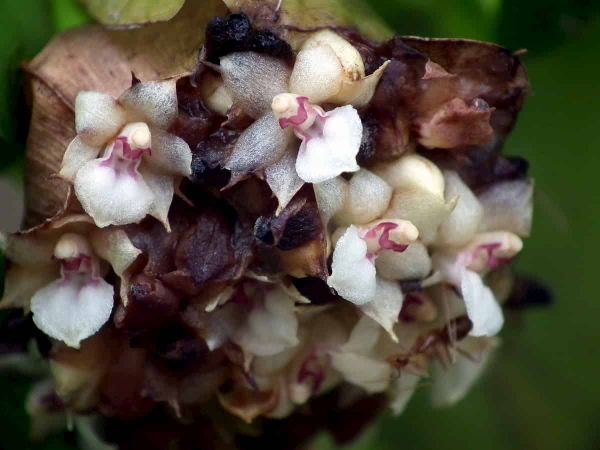
What makes orchids unique can also make saving them a challenge.
Ecosystems
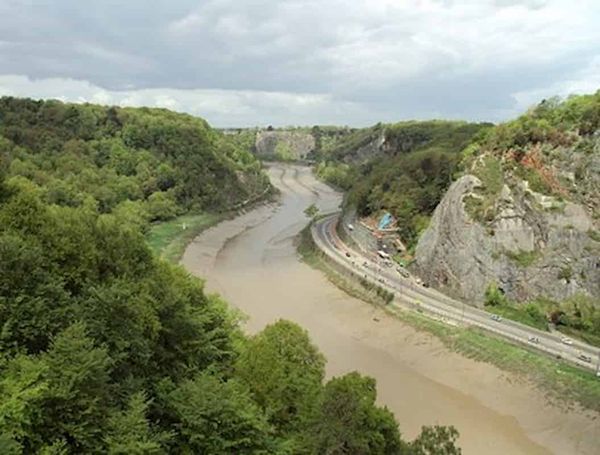
Is a population of rare cress found near Bristol, UK, a remnant of an ice age population, or is it part of a wider European population that survived in refugia somewhere?
Ecosystems
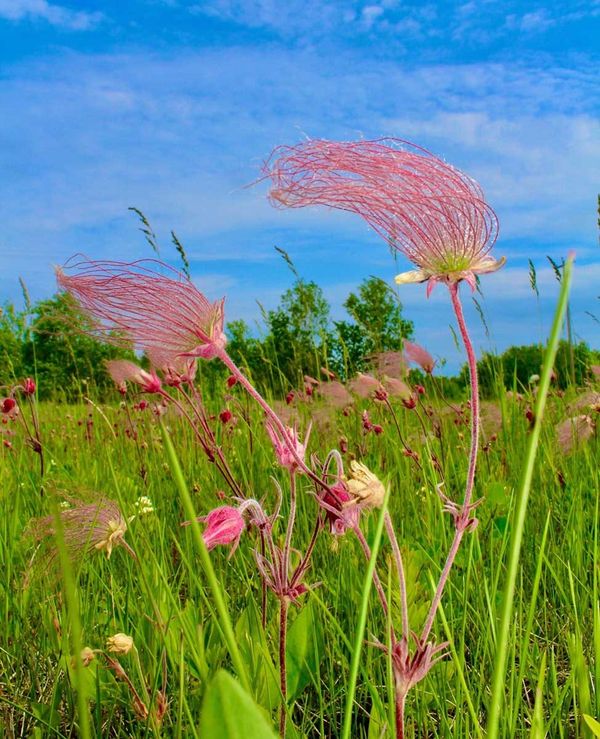
Successful restoration of habitats relies on the sourcing of seed appropriate to the restoration environment. The use of non-adapted genotypes can compromise the long-term
Ecosystems
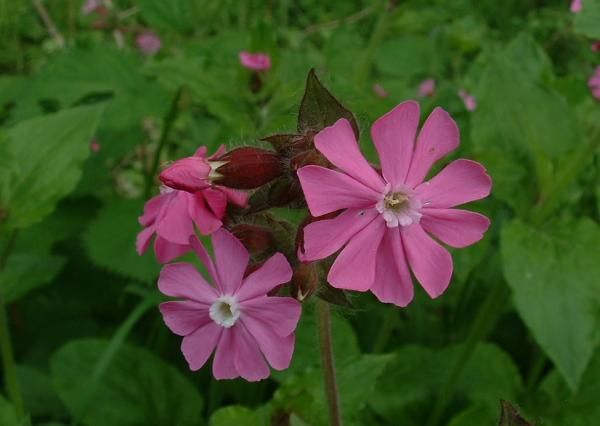
‘Two households, both alike in dignity’ is famously the opening line of Romeo & Juliet. How alike houses Montague and Capulet actually are is debatable, but
Ecosystems
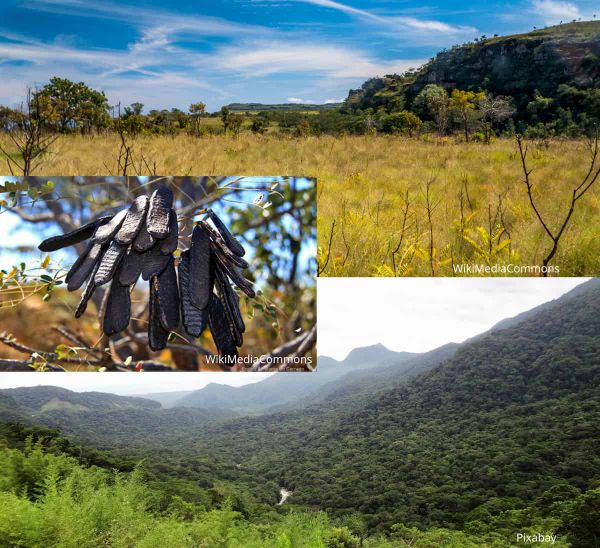
Have you ever gone for a walk and noticed that the landscape has changed? Changes in plant species are easy to spot between, for example, a
Ecosystems
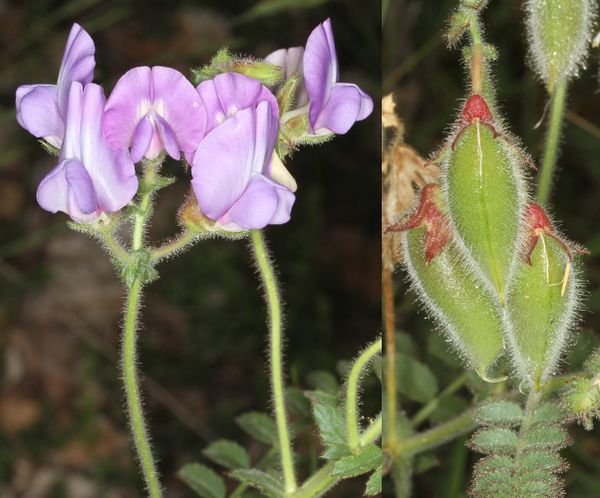
In recent years, wild relatives of crop species have come under the spotlight as a potential solution to the genetic bottleneck experienced by many domesticated crops.