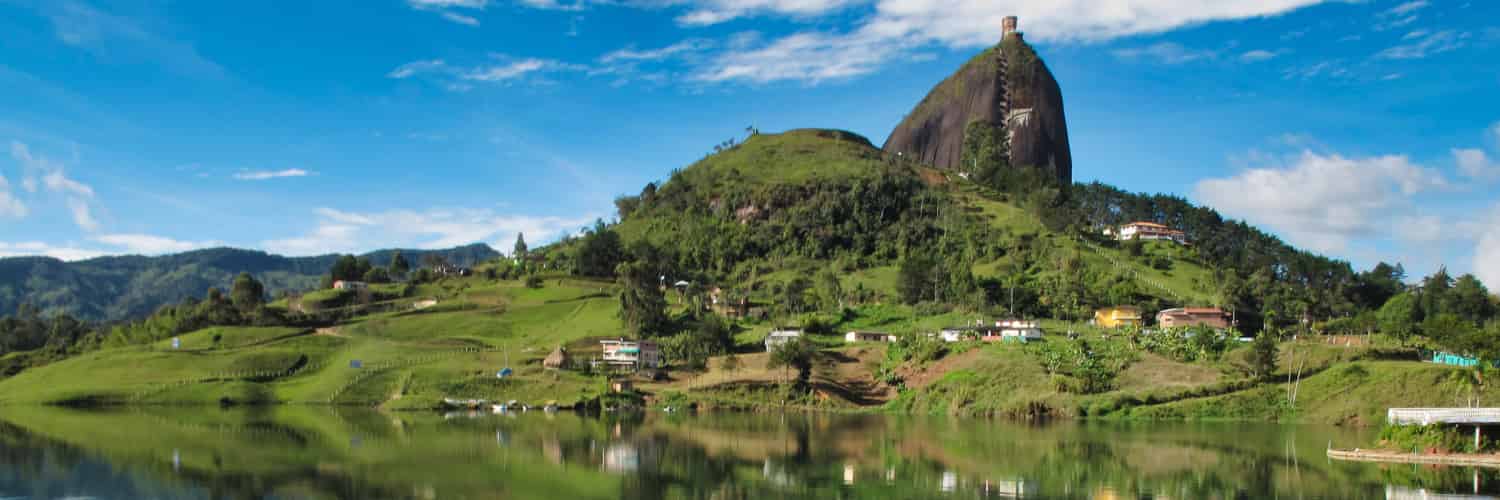
Patrick Gibson reviews a book about José Celestino Mutis’s botanical expedition to what is now Colombia, as well as his scientific and artistic legacy.
A global team of plant experts harnessed new tools to map worldwide hotspots of botanical evolution over millions of years, revealing overlooked regions crucial for protecting nature’s phylogenetic diversity against extinction.
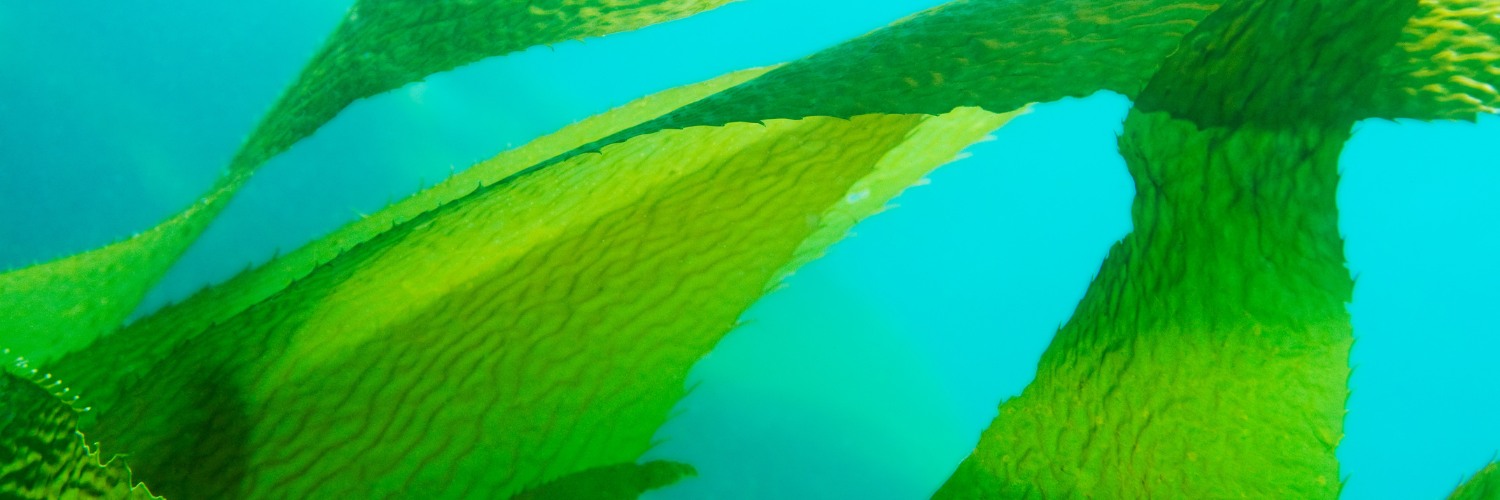
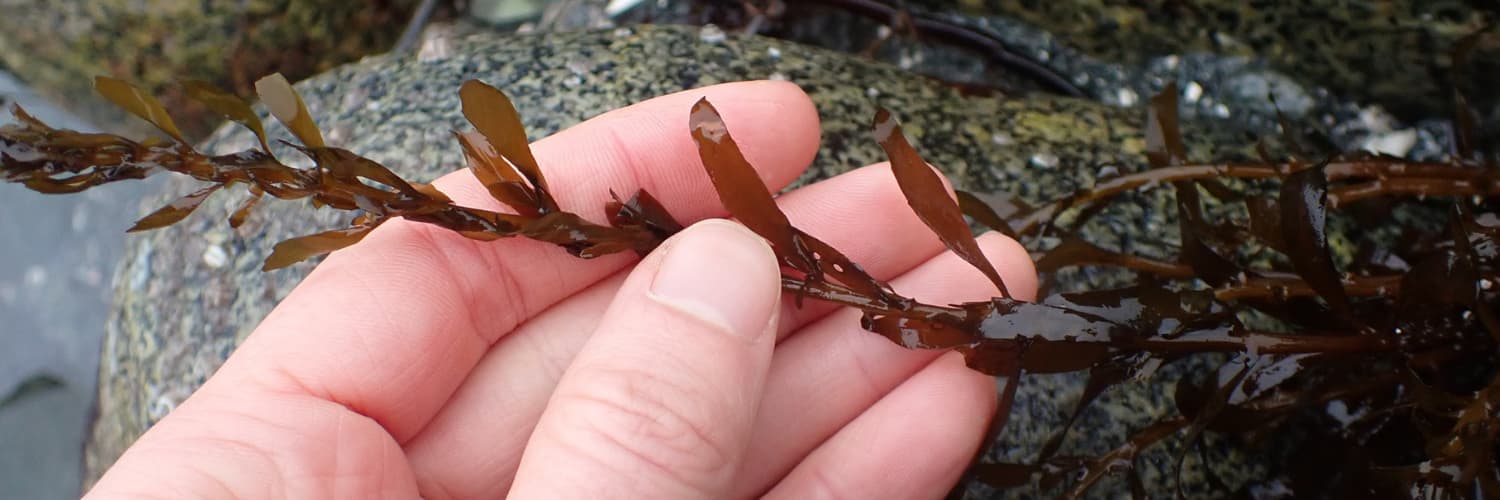
Scientists discovered that some invasive seaweed can travel from rocky shorelines out into seagrass beds by hitching rides on the backs of foraging limpets, helping the seaweed spread into new habitats and competing with native plants.
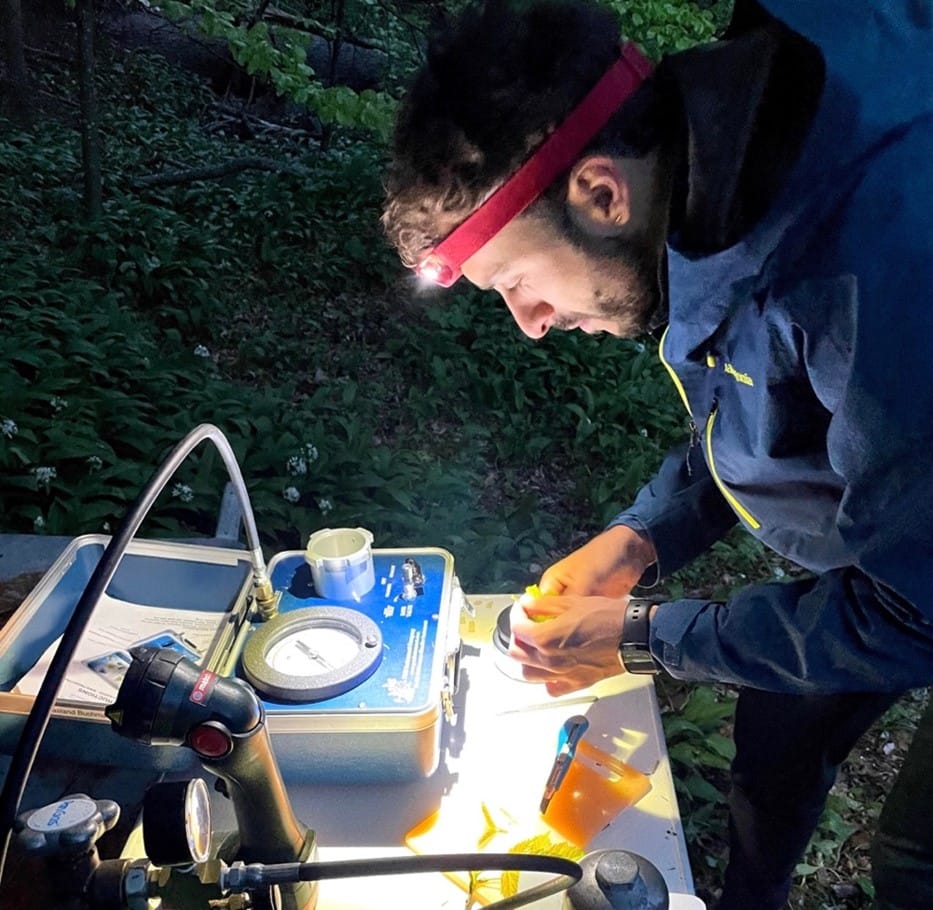
Plants use and lose water through a process called evapotranspiration, which varies considerably across biomes due to a diverse set of factors. Understanding the intricacies of evapotranspiration is pivotal in a climate change scenario, especially in the context of rising drought events worldwide.
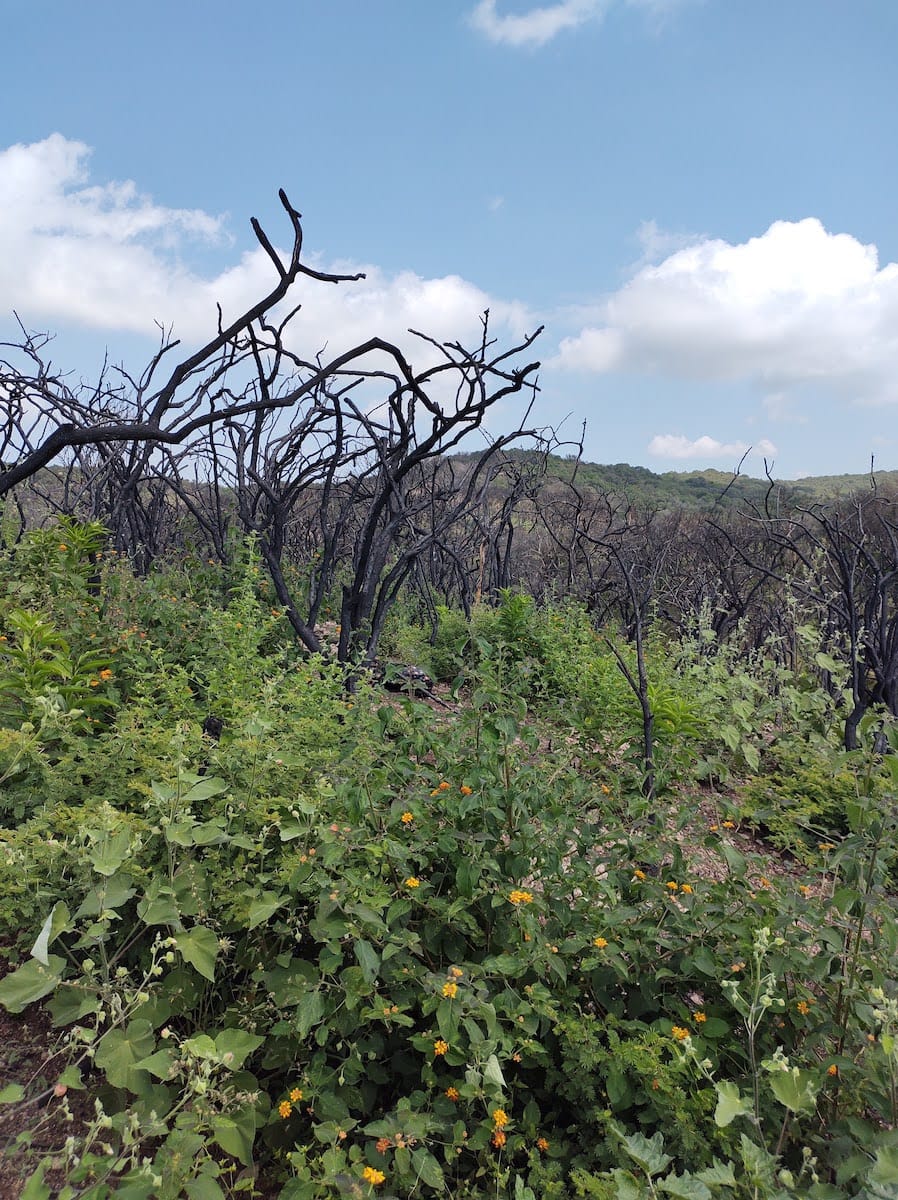
Periodic prairie burns are a reproductive riot for large plant populations but a reproductive rut for smaller fragmented groups, reveals a new long-term field experiment.
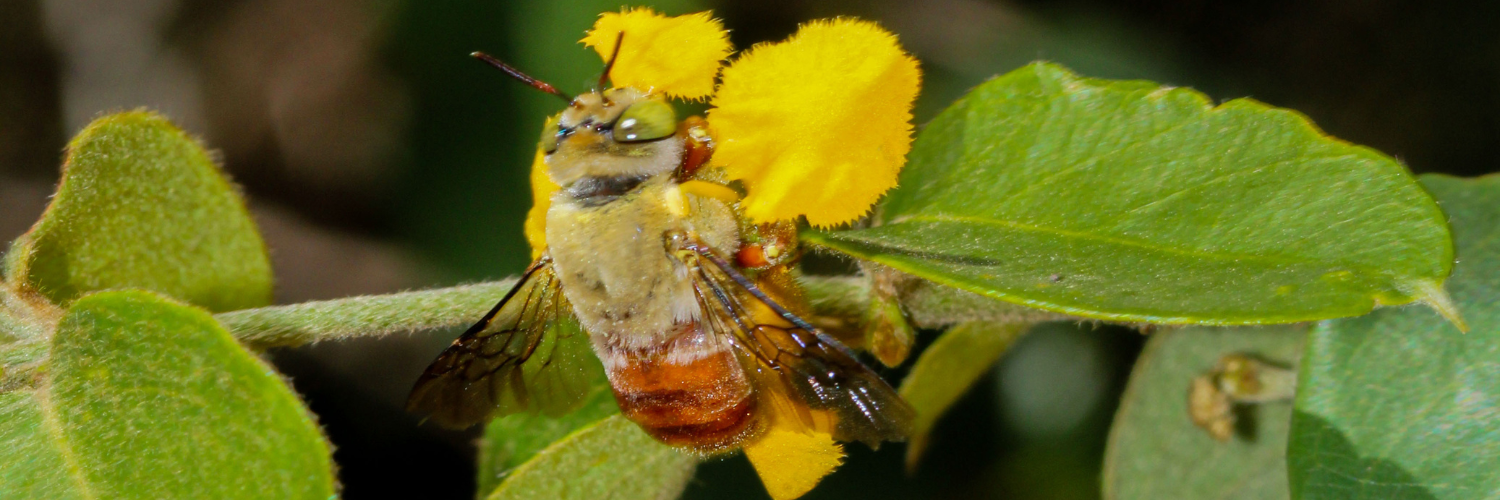
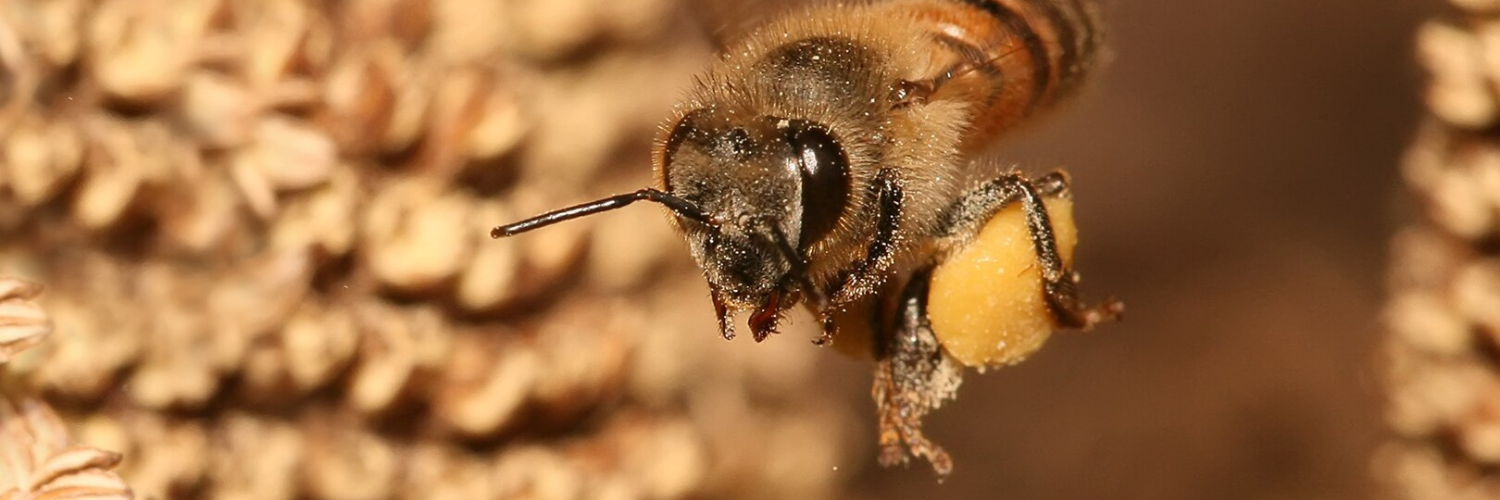
If you want your urban garden to be buzzing with bees, scientists say floral evenness is crucial – mix up your blooms instead of planting just a few dominant species.
Darwin’s longstanding puzzle about reef productivity sparked ongoing research that reveals the complex dynamics sustaining coral symbioses and entire reef ecosystems.