Close Encounters
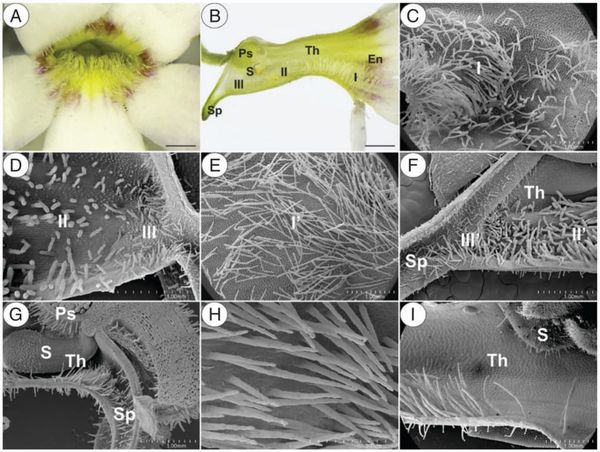
A carnivorous plant that feeds its pollinators
Edible floral trichomes discovered in bee-pollinated Pinguicula species show carnivorous plants can feed insects as well as feed on insects.

Close Encounters
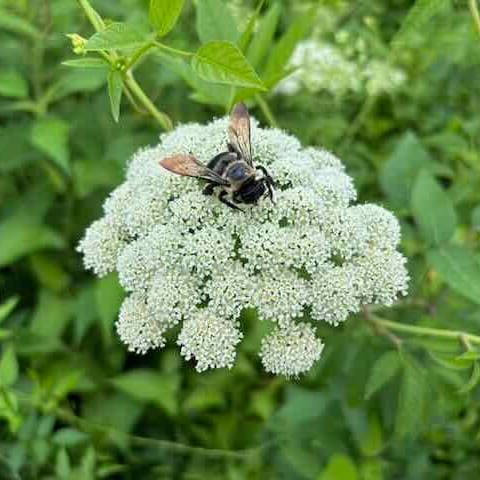
Edible floral trichomes discovered in bee-pollinated Pinguicula species show carnivorous plants can feed insects as well as feed on insects.
Close Encounters
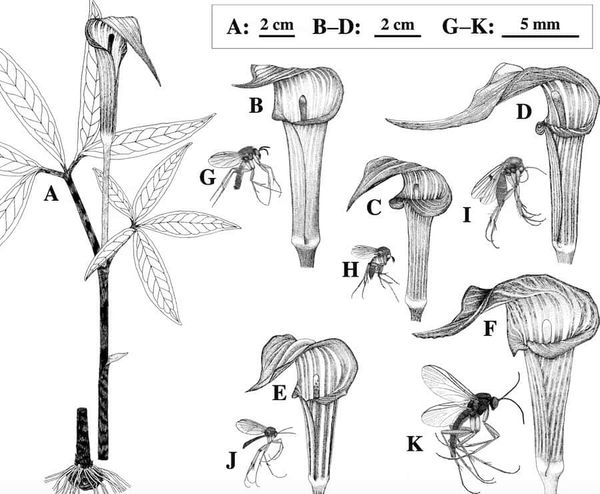
Fungus gnats might not be a glamorous group of insects but they are important pollinators, especially attracted to plants with dark red flowers. Not much is
Close Encounters
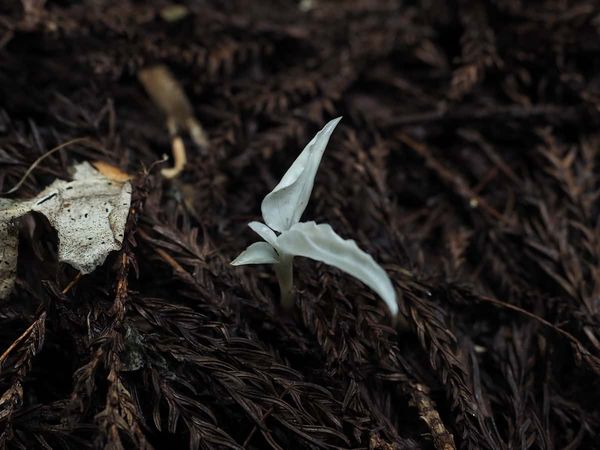
A surprising number of plants snack on fungi as well as sunshine.
Close Encounters
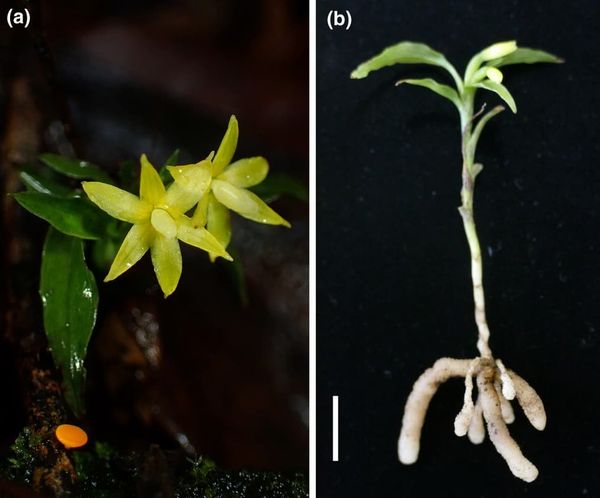
Apostasia nipponica is the first member of the early-diverging orchid clade found to be using this strategy.
Close Encounters
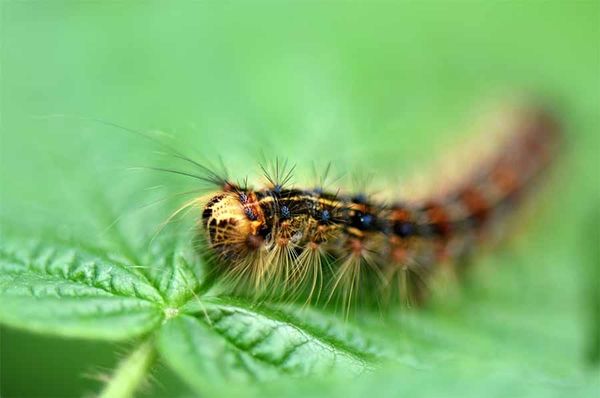
Can a better understanding of ecosystem nitrogen cycling allow us to more accurately predict invasive insect outbreaks?
Close Encounters
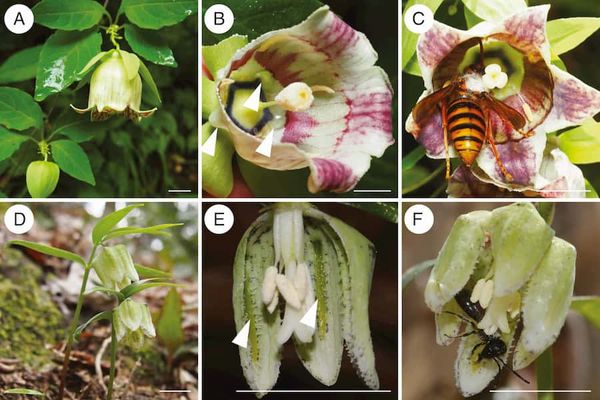
A wax crystal coating causes ants to slip off, while hornet and bee pollinators can fly right in.

Close Encounters
New study in New Phytologist reveals that nutrient-solubilising bacteria can travel on fungi hyphae if the fungi provides a source of energy.
Close Encounters
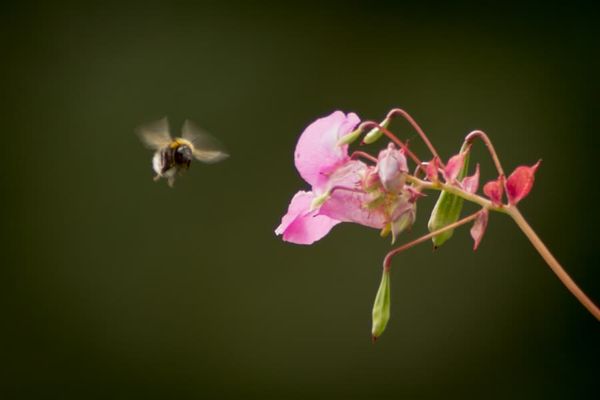
Greater proportions of semi-natural habitat surrounding fields increased bumble bee and honey bee densities.
Close Encounters
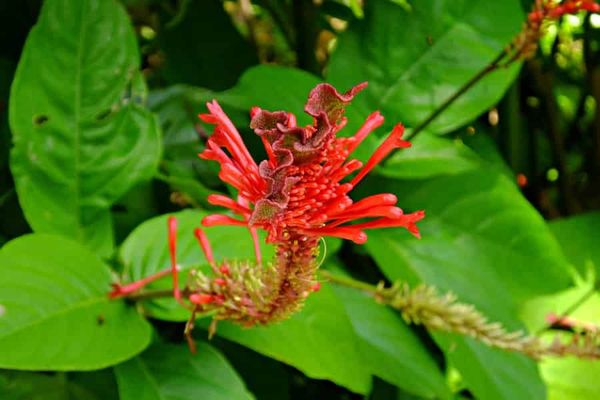
Displaying flowers in light rather than shadow should help them attract pollinators, but a good display can also attract thieves.
Close Encounters
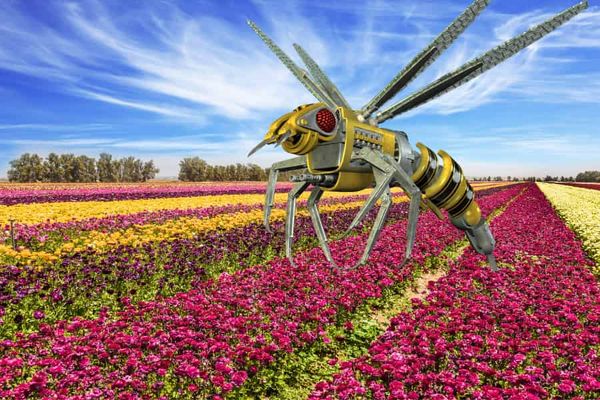
Sharing pollinators can cause problems when pollen competes for transport
Close Encounters
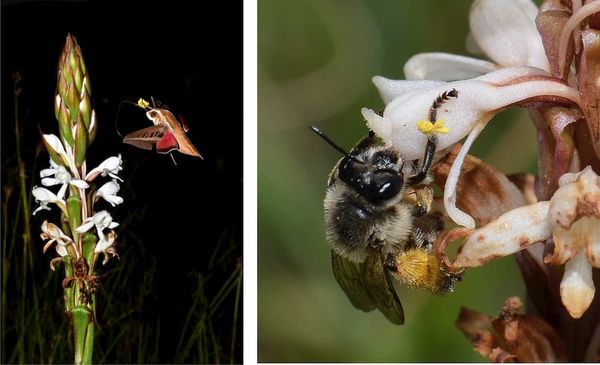
A greater concentration of a compound present throughout the species allowed one morph to attract bee pollinators.
Close Encounters
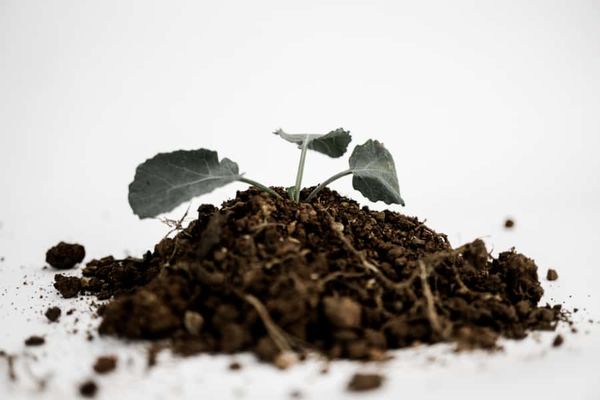
The decreased number of pathogen species appears to benefit the invaders.