Close Encounters
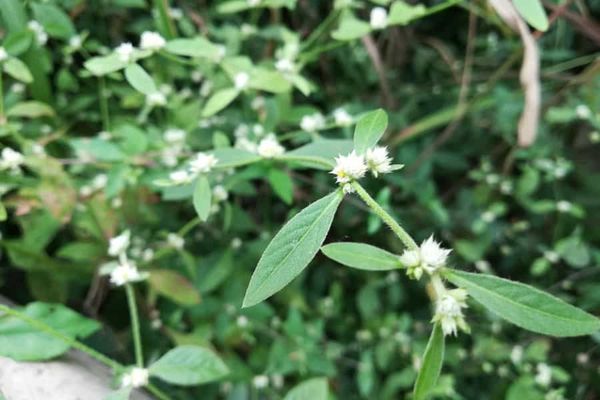
A warming climate will change plants’ responses to herbivores in different ways
Invasive species might not always have the upper hand when temperatures rise.

Close Encounters
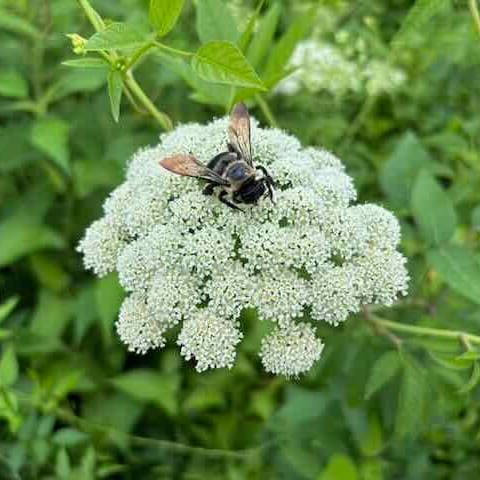
Invasive species might not always have the upper hand when temperatures rise.
Close Encounters
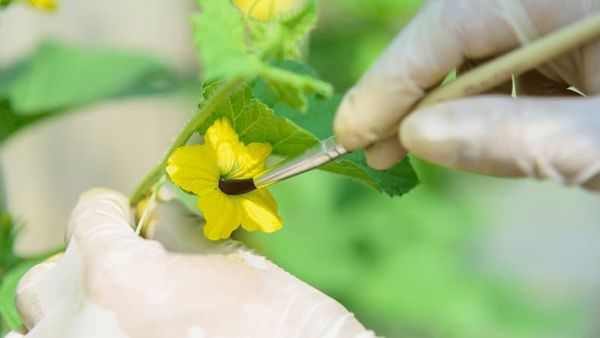
Some plants tackle thieves and pollinators eating pollen by producing enough both to feed visitors and fertilise available ovules.

Close Encounters
Un vistazo a estos rebeldes botánicos ofrece nueva información para comprenderlos mejor
Close Encounters
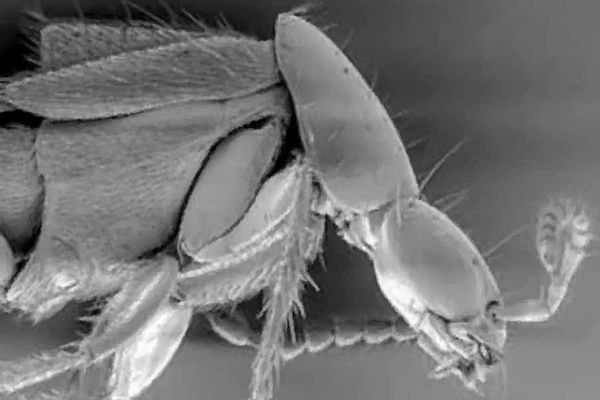
New study finds that scent is more pollinator-specific than heating up the flower-like parts
Close Encounters
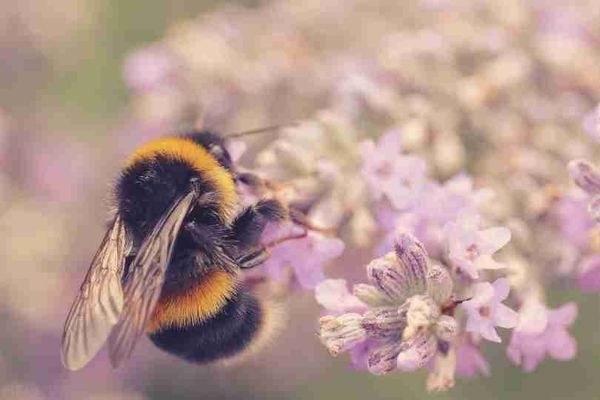
How does drought influence floral traits of Sinapis arvensis and how does this affect visitation by bumblebee pollinators?
Close Encounters
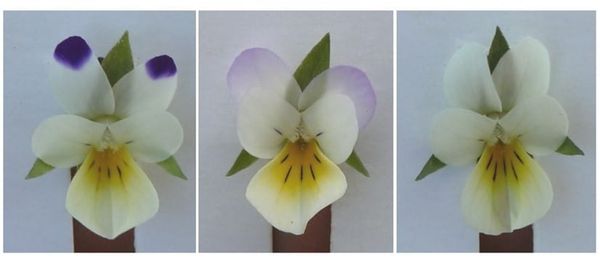
A recent paper highlights a critical research gap, and reveals the potential for finding new data in old places.
Close Encounters
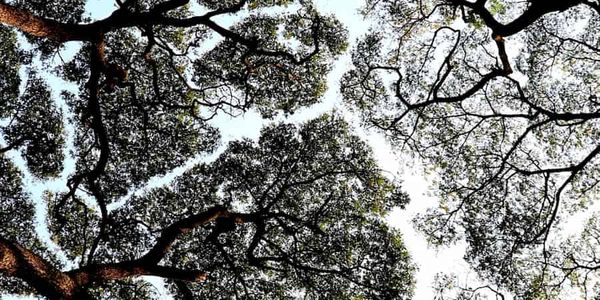
New metric quantifies the “puzzle-shape-ness” of tree crowns.
Close Encounters
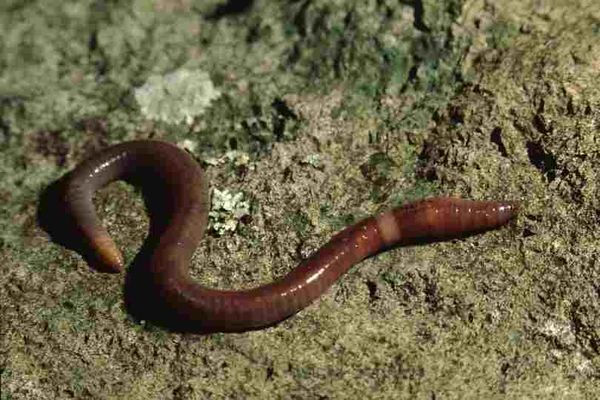
How do invasive species interact to influence the abundance and physiology of native plants?
Close Encounters
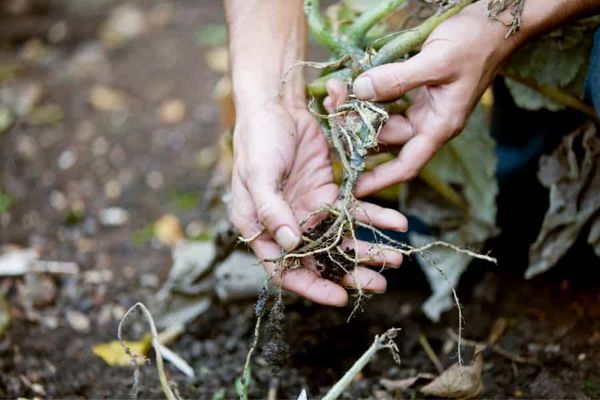
Both tannin distribution and root anatomy showed distinct patterns depending on mycorrhiza type.
Close Encounters
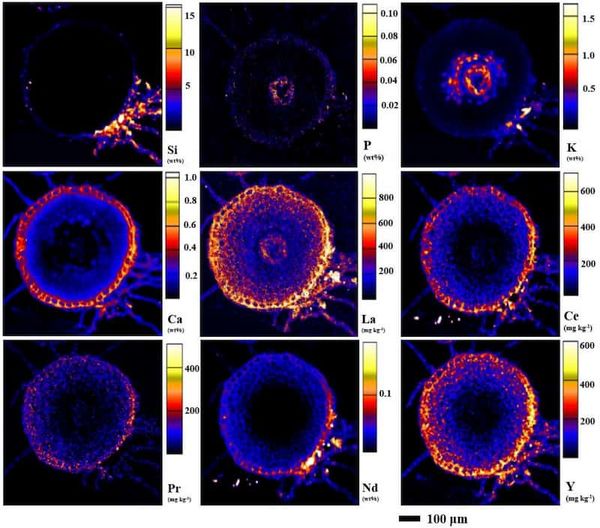
New X-raying method reveals how a fern accumulates rare-earth elements in its tissues
Close Encounters
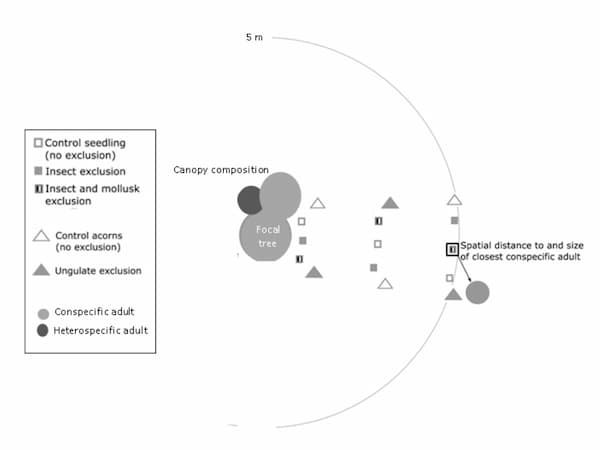
Foraging decisions of molluscs and mammals repulse seedlings from old adults.
Close Encounters
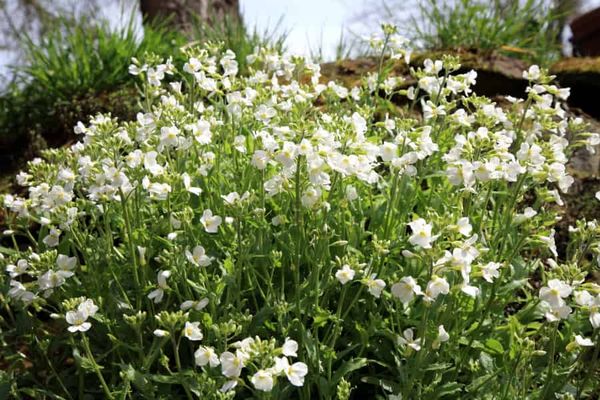
The study demonstrates extensive variation in floral scent among populations of a geographically widespread species, Arabis alpina.