Cells, Genes & Molecules
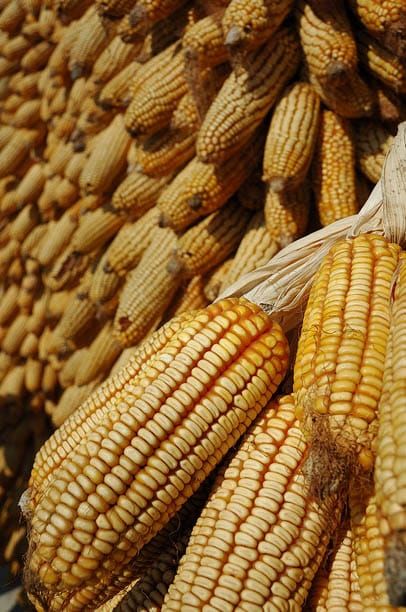
Maize seed ‘Feed me’ gene identified
Unlike ‘Audrey 2’ – the plant which ate members of the cast from ‘The Little Shop of Horrors’ (botanically suspect but with some good songs) – the maize

Cells, Genes & Molecules
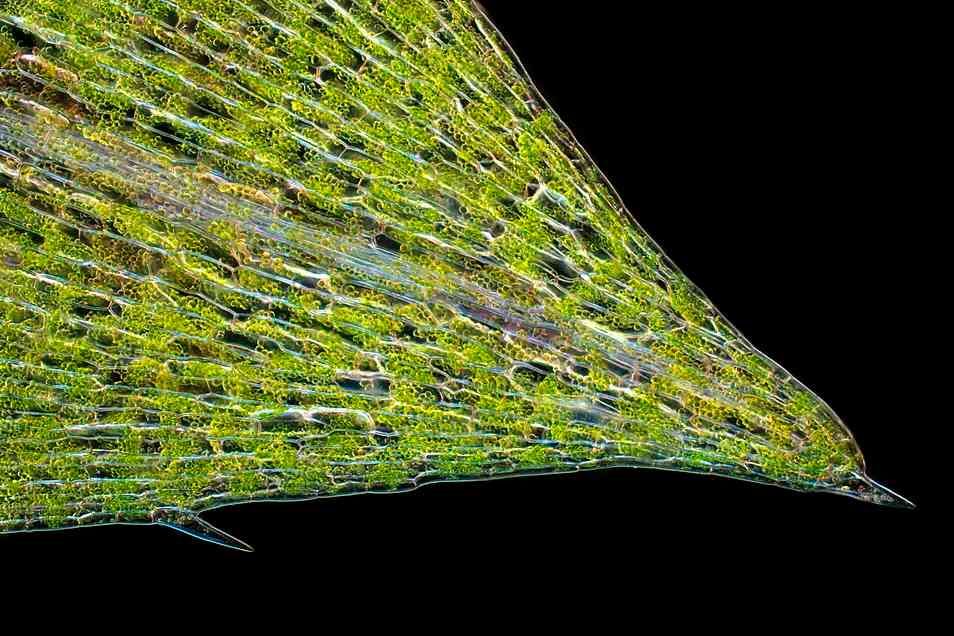
Unlike ‘Audrey 2’ – the plant which ate members of the cast from ‘The Little Shop of Horrors’ (botanically suspect but with some good songs) – the maize
Cells, Genes & Molecules
The BBC reports on a plan to collect and store the wild plant relatives of essential food crops, including wheat, rice, and potatoes by the Global
Cells, Genes & Molecules
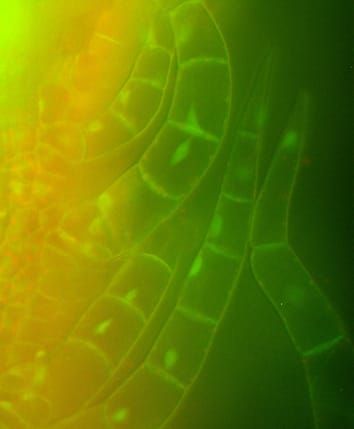
Silencing of tandem transgenes in potato Transgene expression stability is a critical point in applications of transgenic plants. Nocarova et al. study long-term changes in
Cells, Genes & Molecules
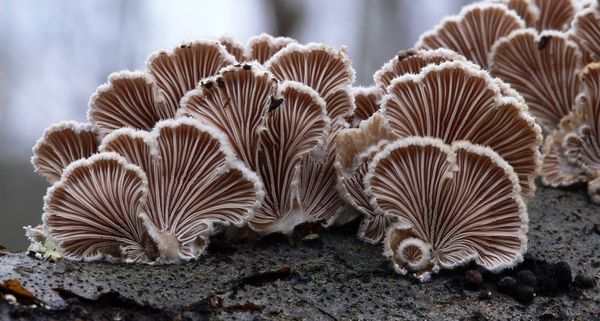
The genome of the wood-degrading fungus Schizophyllum commune has been sequenced, offering insights into fungal biology and potential industrial applications.
Cells, Genes & Molecules
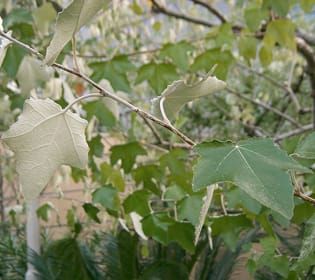
AM fungi and poplar growth on contaminated soil Plant tolerance to stress can be improved by the presence of mycorrhiza. Cicatelli et al. study the response
Cells, Genes & Molecules
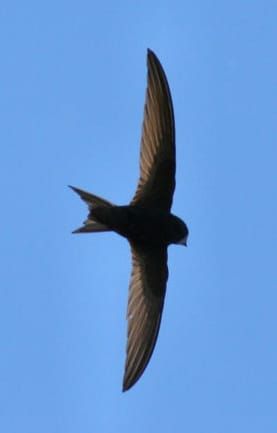
A discovery echoes Jonathan Swift’s ideas of maximising agricultural yield and extracting more sunlight from plants.
Cells, Genes & Molecules
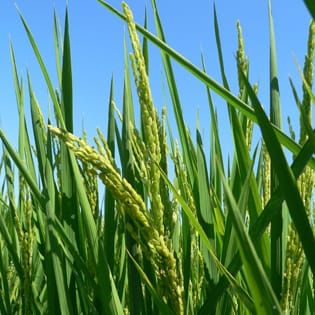
Chromosome region for high hydraulic conductance in rice The rate of photosynthesis in paddy rice, Oryza sativa, often decreases around noon on sunny days because of
Cells, Genes & Molecules
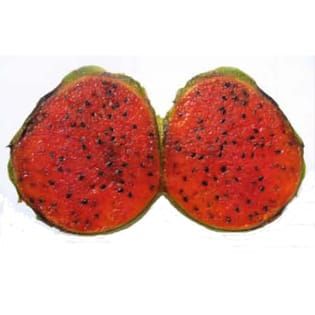
Domestication without a genetic bottleneck in Stenocereus (Cactaceae) The Tehuacán Valley in Mexico provides an excellent setting for studying domestication as artificial selection is currently practised
Cells, Genes & Molecules
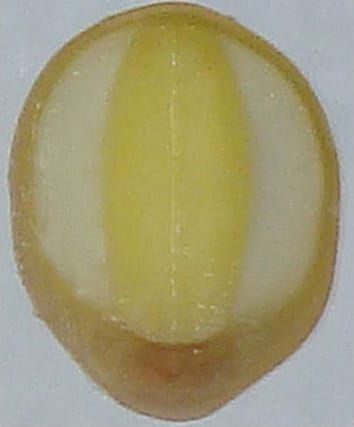
Hormones and sugar network signalling in seeds Endospermic legumes are abundant in tropical forests and their establishment is closely related to the mobilization of storage polysaccharides
Cells, Genes & Molecules
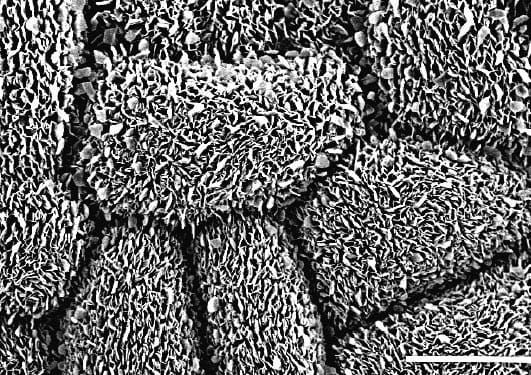
Self-cleaning nanotechnology from plant leaf surfaces comes of age
Cells, Genes & Molecules
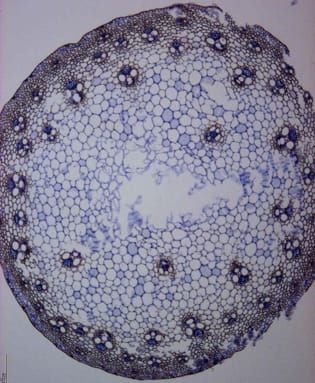
Stem lignification and resulting reduced digestibility of forage grasses is thought to be associated with the transition of apices to the reproductive stage. Seppänen et al.
Cells, Genes & Molecules
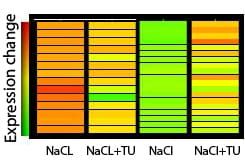
Microarray-analysis for components of salinity-stress tolerance Thiourea has been demonstrated to impart salinity-stress tolerance to seedlings of mustard, Brassica juncea. Srivastava et al.