Cells, Genes & Molecules
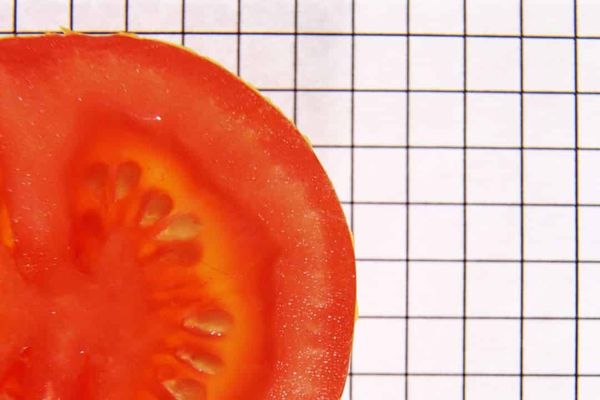
Wild tomatoes have the genes to partner with fungi
Foraging for nutrients is easier when something else does it for you, but how can tomatoes better attract a partner?

Cells, Genes & Molecules
Foraging for nutrients is easier when something else does it for you, but how can tomatoes better attract a partner?

Cells, Genes & Molecules
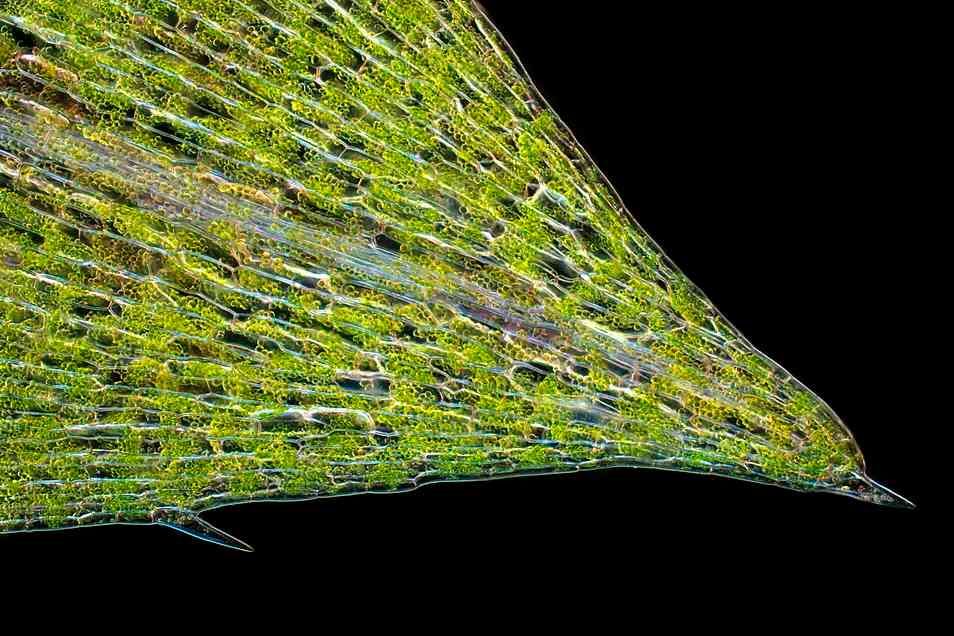
What makes a plant tall? Scientists think it may be connected to a gene involved in responding to the hormone Auxin.

Cells, Genes & Molecules
Drosophyllum lusitanicum, also known as the Portuguese sundew or dewy pine, is unusual even for carnivorous plants in that it lives in dry environments. Typically, carnivorous plants live in nutrient-poor wetlands, so does it really gain much from carnivory?

Cells, Genes & Molecules
How do plants adjust their body plan to cope with high-temperature stress?
Cells, Genes & Molecules
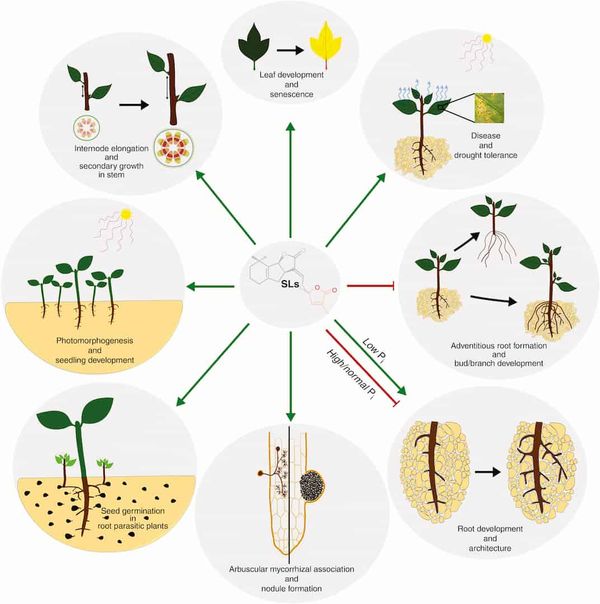
Strigolactones are interesting phytohormones in their own right, but Luke Omoarelojie and colleagues say we should be looking at cross-talk with other hormones too.
Cells, Genes & Molecules
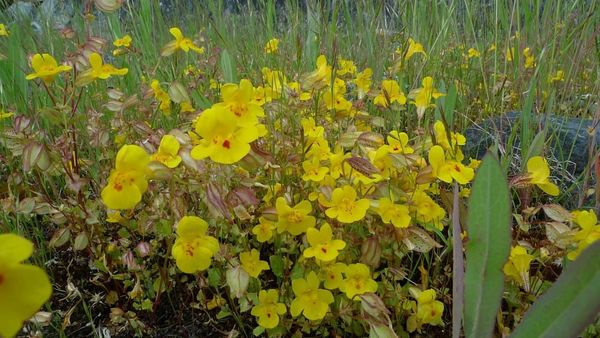
A new paper in Science highlights how variation in an environment can mean plants have no single solution for survival. Where conditions change, genetic diversity can be the best option for a species.
Cells, Genes & Molecules
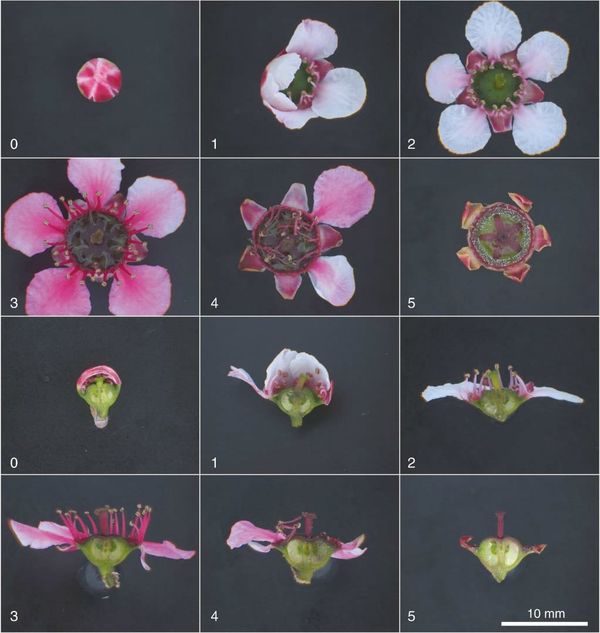
The secret of mānuka honey, is mānuka nectar, but what is the secret of mānuka nectar?
Cells, Genes & Molecules
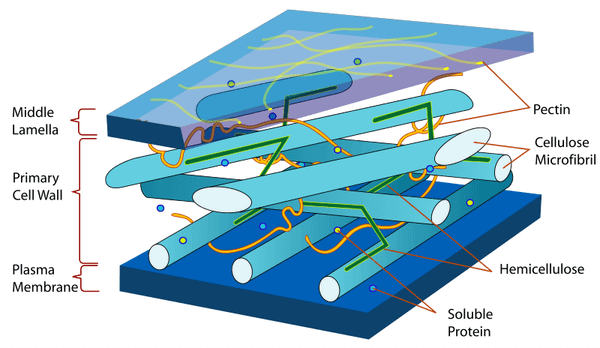
Joseph Stinziano investigates how something you might find in jam controls how easily trees open or close access their leaves.
Cells, Genes & Molecules
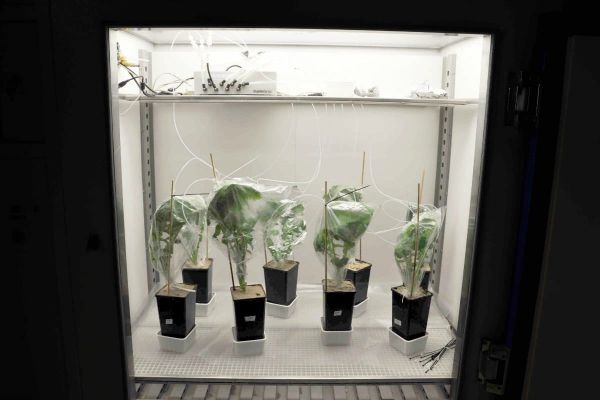
Normally when a headline asks a stupid question the answer is ‘no’, but new research suggests a better answer is ‘maybe’.

Cells, Genes & Molecules
Scotland is to ban GMOs, because there’s more to GMOs than Science. It might sound good, but is it really a way to a more
Cells, Genes & Molecules
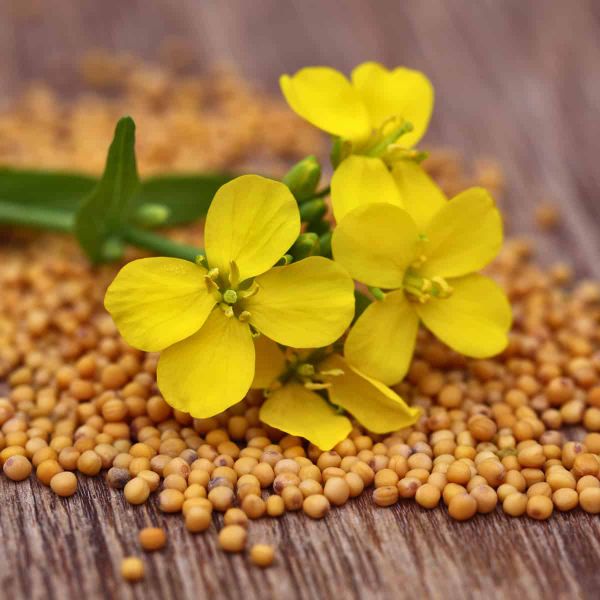
Mustard plants have evolved clever cellular tricks to avoid “dating” their own pollen, using molecular signals to accept strangers and reject relatives.

Cells, Genes & Molecules
Plants may be good for your health in your diet, but advances in science mean they may soon also be good for your health in other ways too.