The ‘virtual leaf’ that simulates leaf physiology in 3D, promises breakthroughs in understanding plant responses to environmental changes and boosting our agricultural strategies.
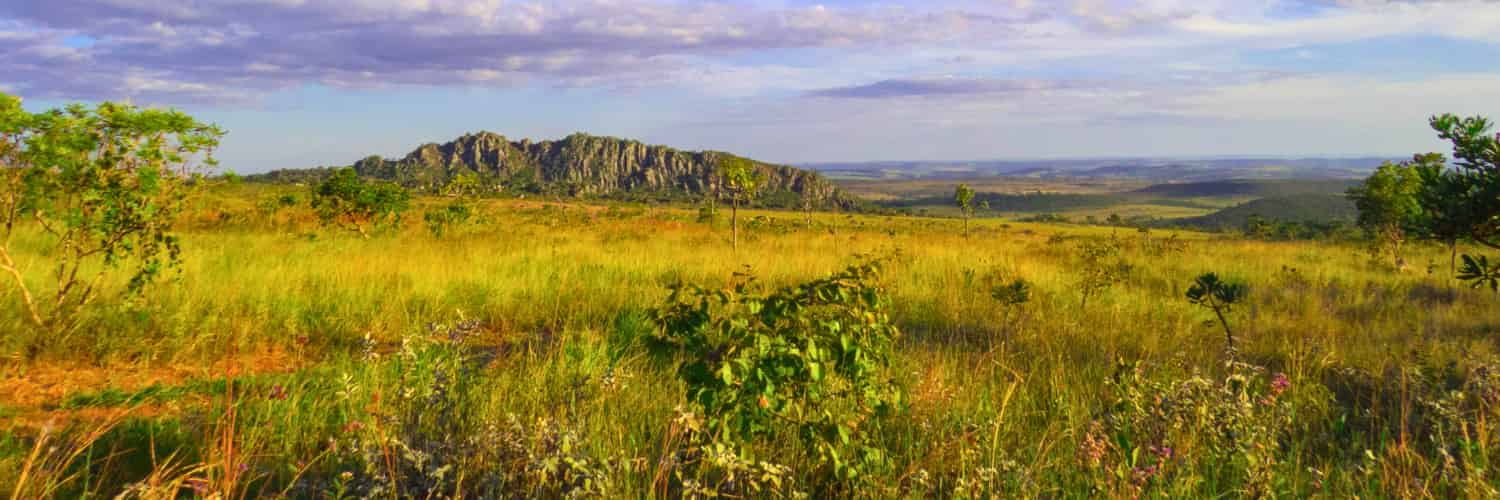
Chiminazzo and colleagues shed light on the intriguing survival strategies of woody plants in fire-prone ecosystems, using the Brazilian Cerrado as an example.
As the climate warms, shifts in temperature and water availability, affects competition and interaction among native and exotic plant species in Southern British Columbia.
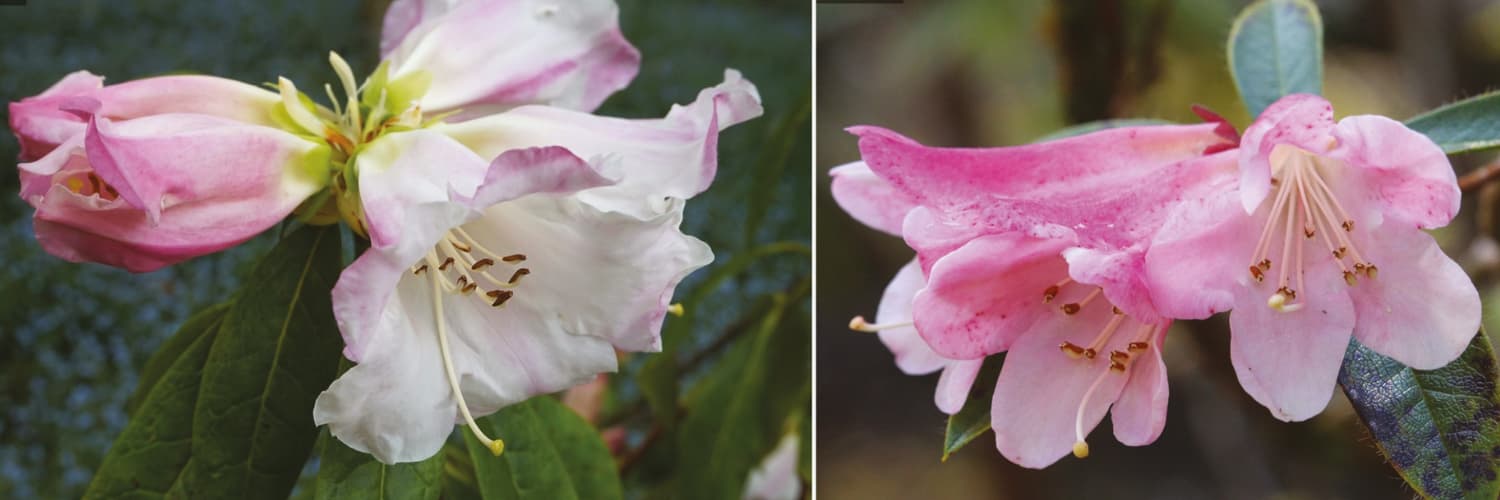
Hu and team reveal a rich diversity of chromosome counts in the Rhododendron genus, potentially reshaping understanding of species diversification and offering crucial insights for biodiversity conservation.
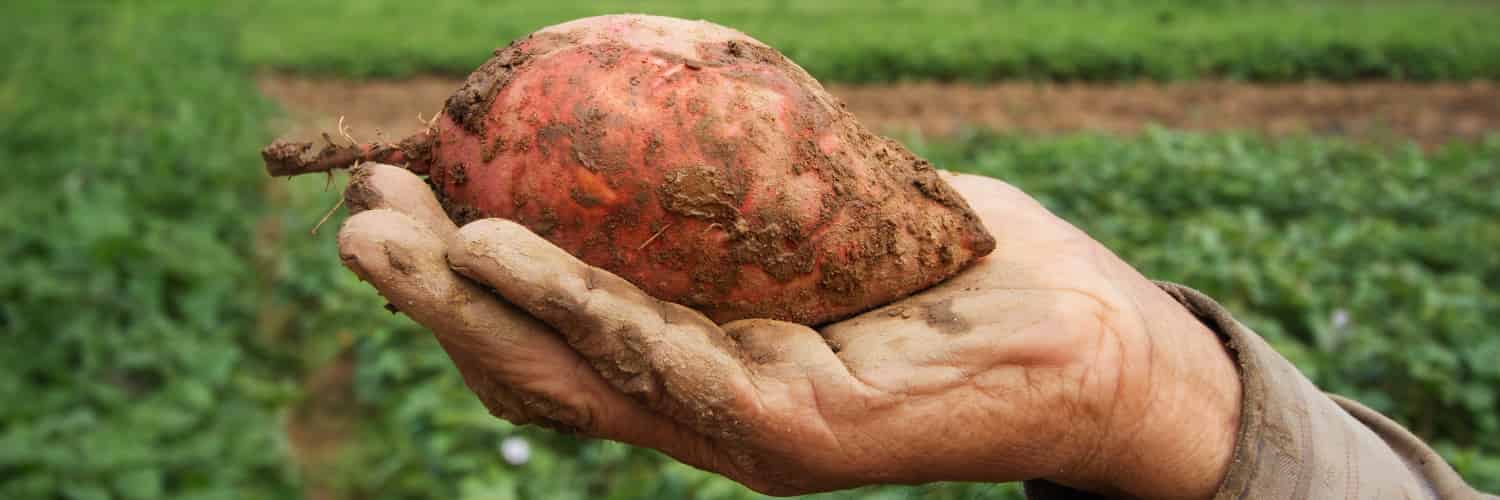
Sarah Mathura’s new study charts a vital path to understanding sweet potato growth and boosting its yield, potentially revolutionising food security in developing countries.
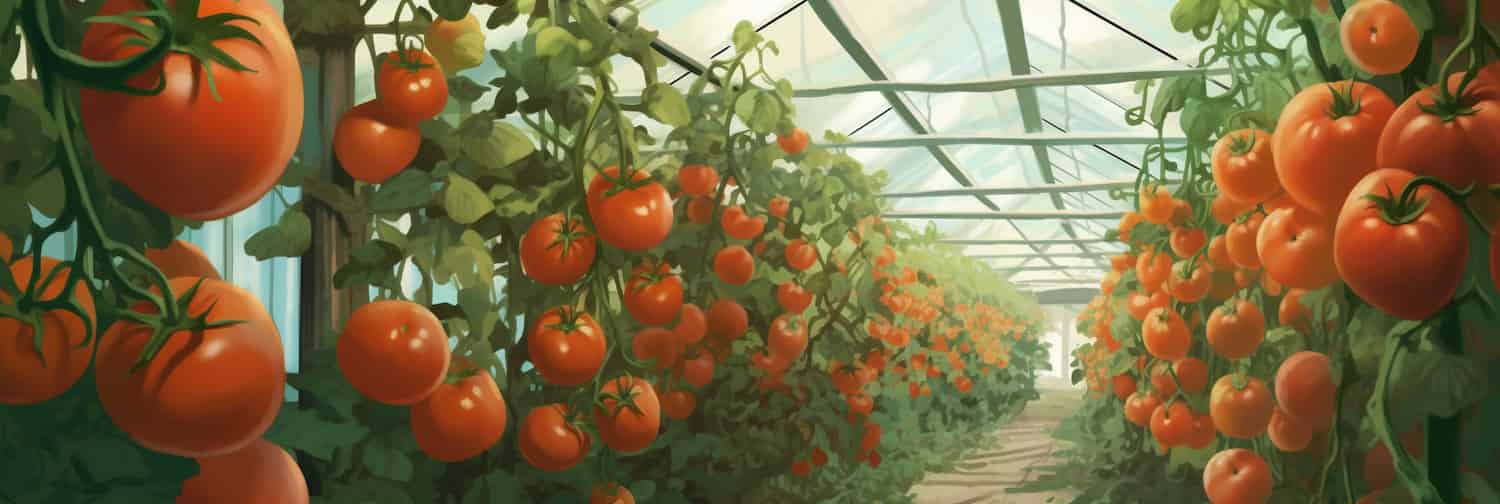
Research by Ngo and colleagues illustrates how carefully managing the use of organic and inorganic phosphorus and nitrogen sources can increase tomato yield and potentially contribute to more sustainable agriculture.
Scientists studied how plants in the Amazonian savannas survive in dry conditions. They found that different plants have unique ways of persisting in this challenging environment, like having thick leaves or special structures in their branches, which help them grow in this unique ecosystem.
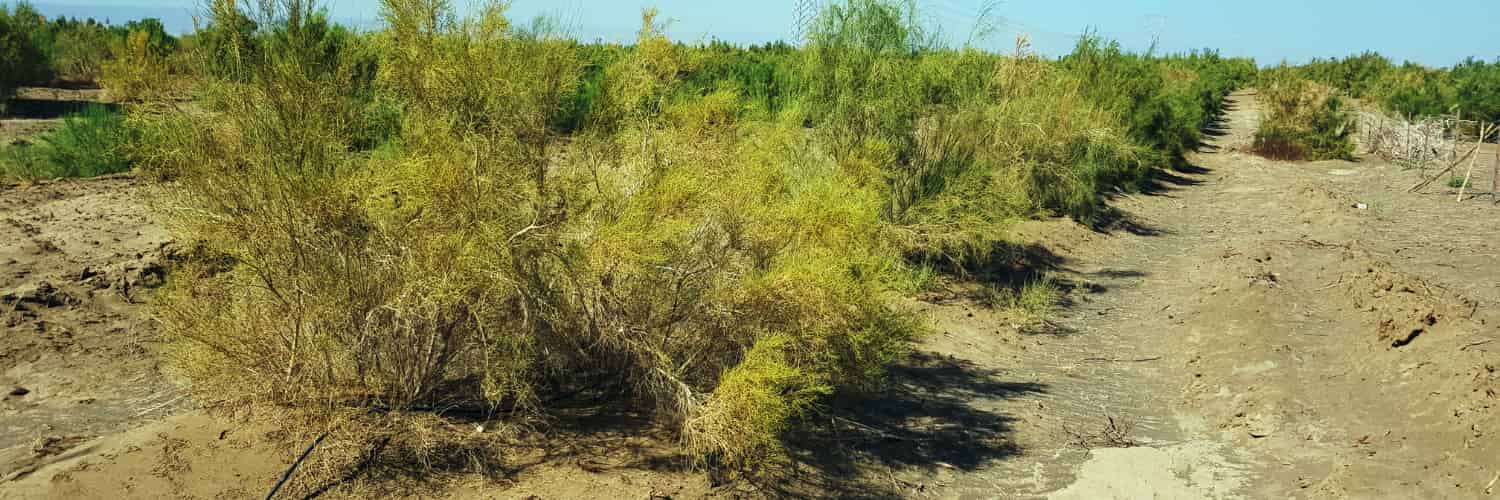
One way to preserve plants suffering from rising temperatures is to relocate them in new areas that have become suitable for them. But when a plant grows in the sands of a harsh desert, you don’t want that habitat to expand.