annals-of-botany
‘Hemiepiphyte’: a confusing term and its history (Viewpoint)
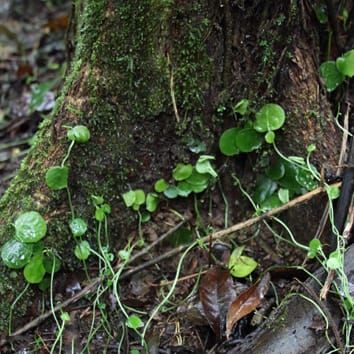
Zotz suggests a more coherent scheme to categorize structurally dependent flora that discards the misleading term secondary hemiepiphyte.

annals-of-botany
Zotz suggests a more coherent scheme to categorize structurally dependent flora that discards the misleading term secondary hemiepiphyte.
annals-of-botany
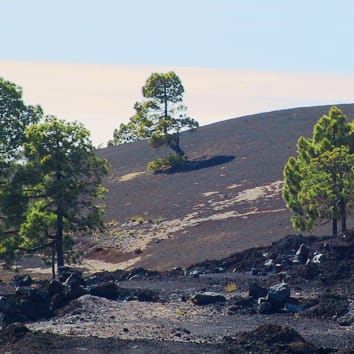
The ability of P. canariensis to inhabit a wide range of ecosystems seems to be associated with high phenotypic plasticity.
annals-of-botany
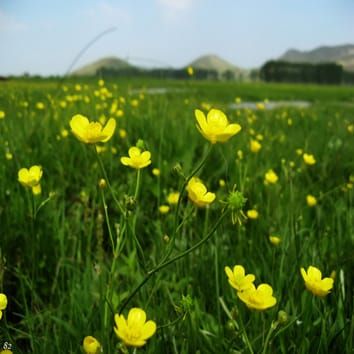
Phenology is one of most sensitive traits of plants in response to regional climate warming and it may interact with other environmental change factors such as
annals-of-botany
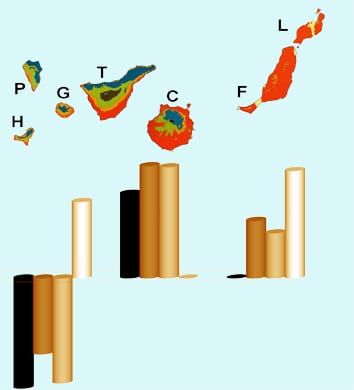
Canarian endemic plants are phylogenetically constrained by the traits of the colonizing lineages, although also influenced by distances to the mainland.
annals-of-botany
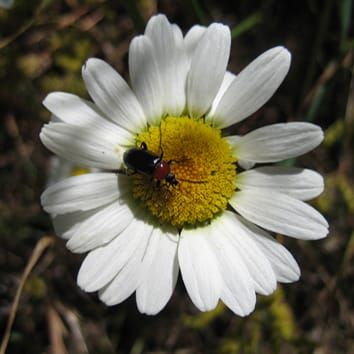
Using molecular and systematic techniques to infer the evolutionary history of the L. pluriflorum clan in the north-west of the Iberian Peninsula.
annals-of-botany
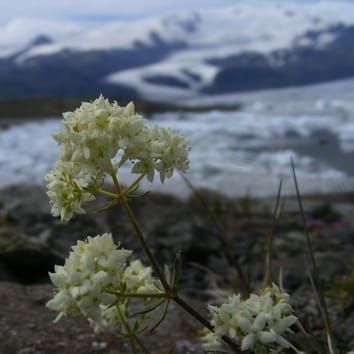
Kolář et al. compare karyological and ecological variation of the Galium pusillum aggregate in deglaciated northern and unglaciated central Europe.
annals-of-botany
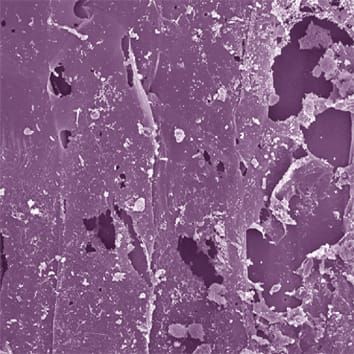
Studies that do not allow for anaerobic conditions during iron plaque formation may under-estimate metal sequestration in wetland plants.
annals-of-botany
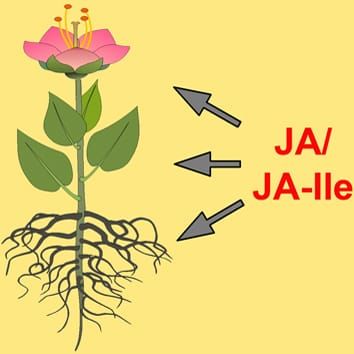
Wasternack and Hause update their 2007 Annals of Botany review on jasmonates, and summarize new data from the last 5 years.
annals-of-botany
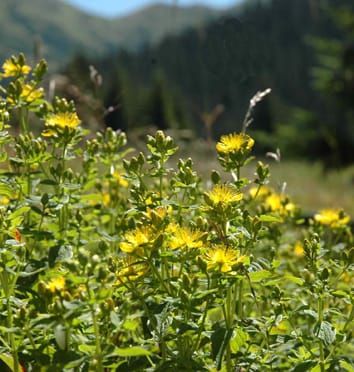
Analysis of extensive field collections demonstrates that H. perforatum is not of hybrid origin, and for the first time, documents wild diploid populations.
annals-of-botany
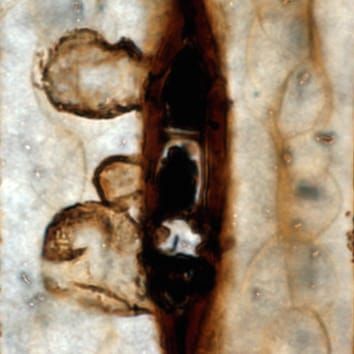
Knowledge of tylose formation is mainly based on observations of extant species, and their developmental and functional significance are less well understood in fossil plants. Feng
annals-of-botany
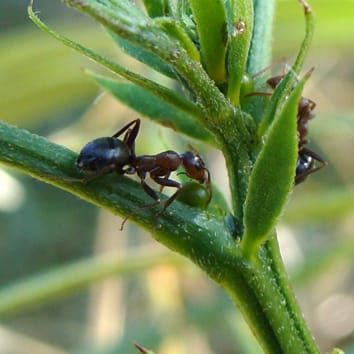
Plants in over 100 families bear extrafloral nectaries (EFNs), which secrete a carbohydrate-rich food that attracts ants and other arthropods. By fostering ecologically important protective
annals-of-botany
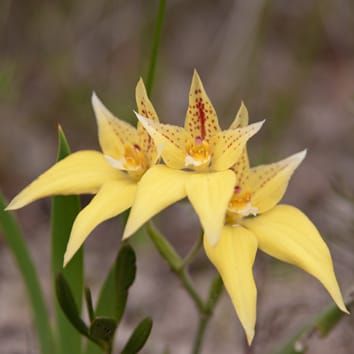
Results suggest that orchid mycorrhizal fungi can differentiate between niches in a constrained, highly resource-limited environment.