annals-of-botany
Geographical ecology of the palms (Review)
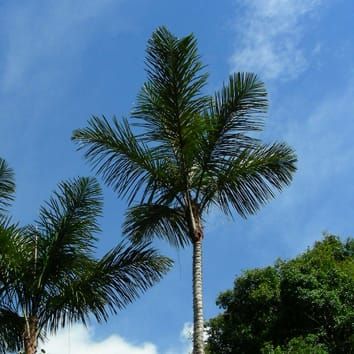
Palms (Arecaceae) are an important element of tropical vegetation across the world and serve as a model system in geographical ecology.Eiserhardt et al. review how

annals-of-botany
Palms (Arecaceae) are an important element of tropical vegetation across the world and serve as a model system in geographical ecology.Eiserhardt et al. review how
annals-of-botany
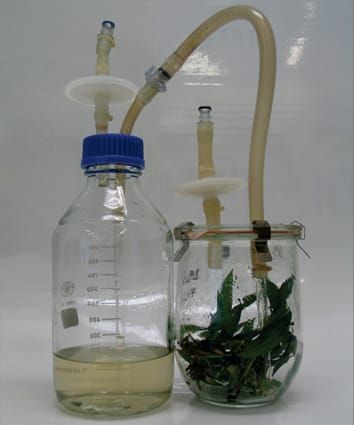
Secondary somatic embryogenesis has been postulated to occur during induction of peach palm (Bactris gasipaes) somatic embryogenesis. Steinmacher et al. study this morphogenetic pathway and use
annals-of-botany
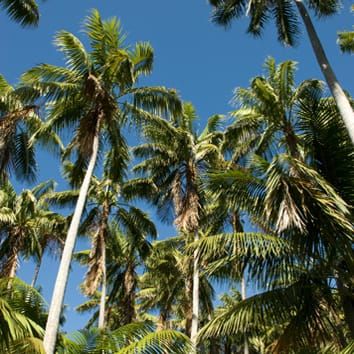
The Arecoideae is the largest, most diverse and most economically important palm subfamily and yet relationships within the group are poorly understood. Baker et al. collect
annals-of-botany
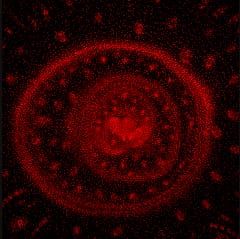
Oil palm (Elaeis guineensis) is an unbranched palm, possessing a single shoot apical meristem (SAM) that may remain active for more than 100 years. Through histological
annals-of-botany
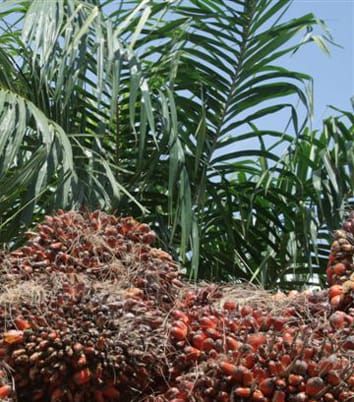
The mantled somaclonal variation of oil palm (Elaeis guineensis) hampers oil production as the supernumerary female organs are either sterile or produce fruits with poor oil
annals-of-botany
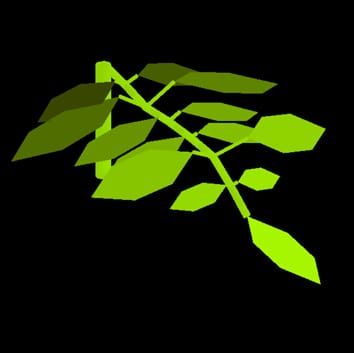
Manipulation of plant structure can lead to substantial improvements in crop photosynthesis even when leaf area remains the same. Using L-system, Sarlikioti et al. produce
annals-of-botany
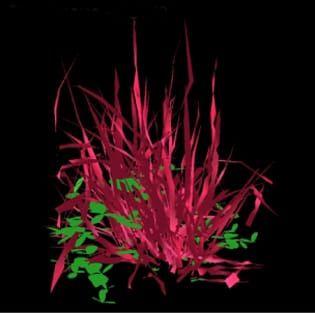
Light partitioning within intercropping systems is mostly modelled by using the turbid medium analogy. Barillot et al. assess this approach by comparing it with a light-
annals-of-botany
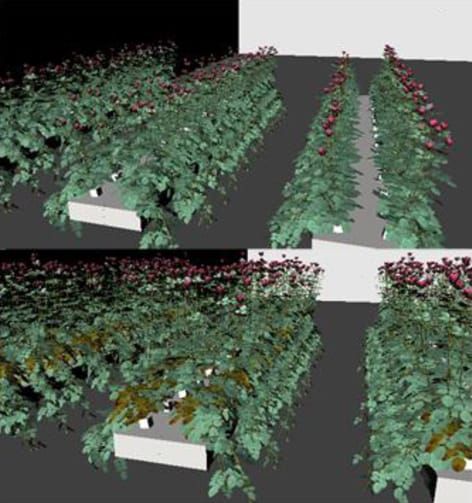
The production system of cut-rose (Rosa × hybrida) involves a complex combination of plant material, management practice and environment. Using XL programming, Buck-Sorlin et al.
annals-of-botany
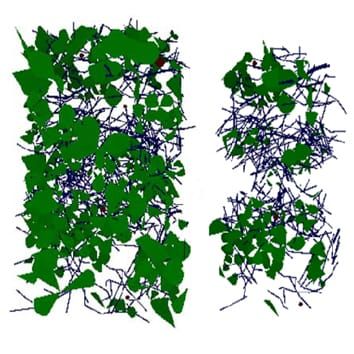
The productivity and stability of grazed grassland rely on dynamic interactions between the sward and the animal. Combes et al. record 3-D canopy structures of
annals-of-botany
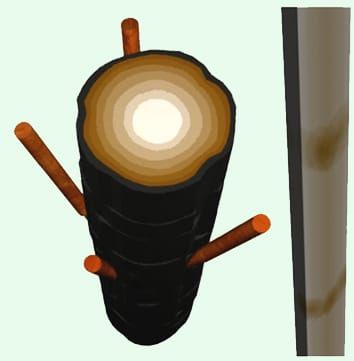
Functional–structural tree models can be used not only for biomass and crown architecture modelling, but also for wood properties. Using L-system language, Fernández et
annals-of-botany
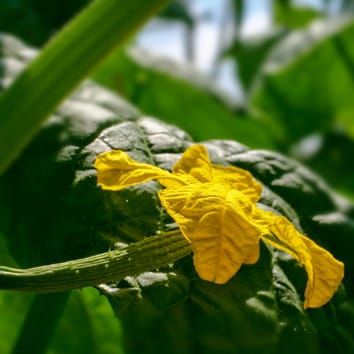
In cucumber (Cucumis sativus), imbalances in growth between individual fruits can be related to the partitioning of assimilates. Using L-Studio software, Wiechers et al. develop
annals-of-botany
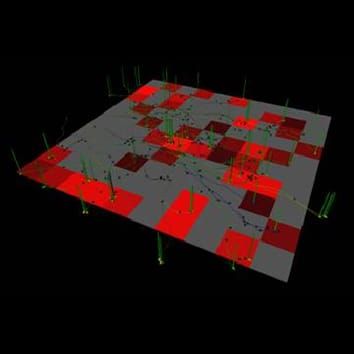
Transplanting seagrasses can help restore ecologically important and threatened marine ecosystems. Based on the L-system formalism, Renton et al. present a functional–structural plant model