annals-of-botany
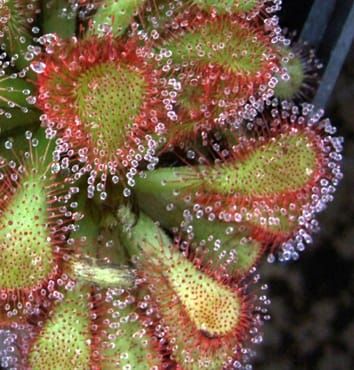
Carnivorous plants: a review
Carnivory offers plants special advantages in habitats where nutrient supply is scarce, but counterbalancing costs are the investments in the synthesis and maintenance of trapping organs

annals-of-botany
Carnivory offers plants special advantages in habitats where nutrient supply is scarce, but counterbalancing costs are the investments in the synthesis and maintenance of trapping organs
annals-of-botany
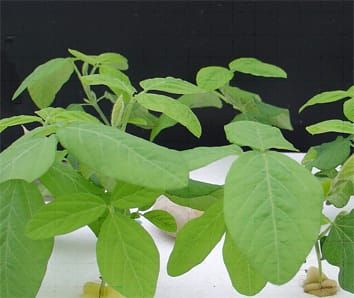
Purple acid phosphatases (PAPs) are members of the metallo-phosphoesterase family and have been known to play important roles in P acquisition and recycling in plants.
annals-of-botany
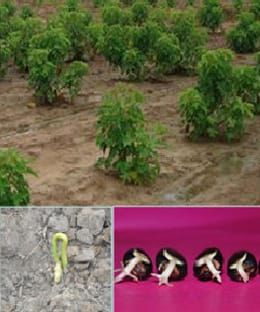
Jatropha curcas is a drought-resistant tree whose seeds are a good source of oil that can be used for producing biodiesel. Windauer et al. examine
annals-of-botany
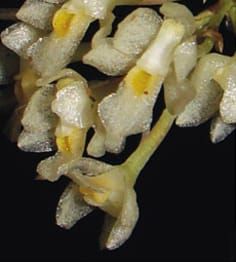
Capanemia, an orchid comprising seven species and mostly found in the Brazilian Atlantic rain forest, is divided into two sections based on leaf shape. Buzatto et
annals-of-botany
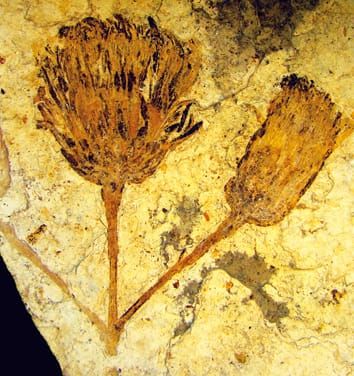
Barreda et al. describe Raiguenrayun cura gen. & sp. nov., an extinct Eocene taxon of the daisy family that might represent the ancestor of Mutisioideae–Carduoideae,
annals-of-botany
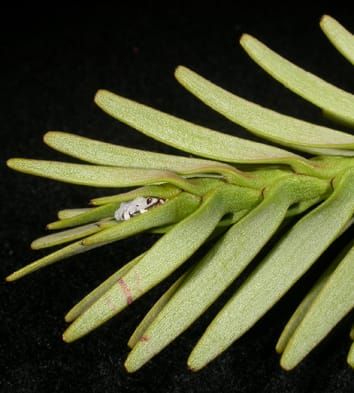
In a recent paper (Annals of Botany 107: 909–916; 2011) Tomlinson and Huggett indicated that reiterative branches in the pine Wollemi nobilis develop from groups
annals-of-botany
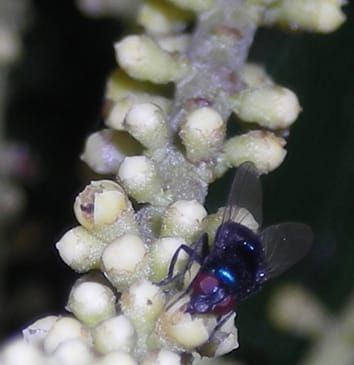
Understanding of palm–pollinator interactions has implications for tropical silviculture, as well as for our knowledge of the evolution and diversification of Arecaceae. Barfod et al.
annals-of-botany
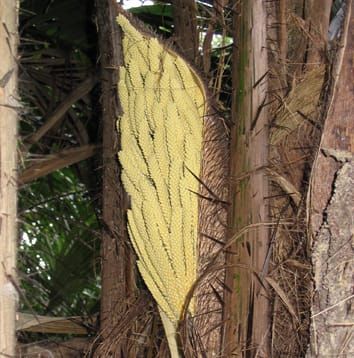
Molecular phylogenetic studies of palms (Arecaceae) have not yet provided a fully resolved phylogeny of the family. Ludeña et al. test the value of AGAMOUS 1
annals-of-botany
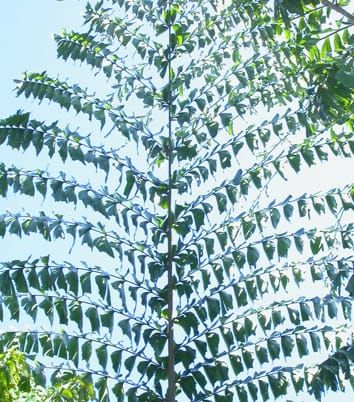
Although taxonomy of palms (Arecaceae) is fairly well known, many problems remain and this is, in part, due to the difficultly of representing palm diversity with
annals-of-botany
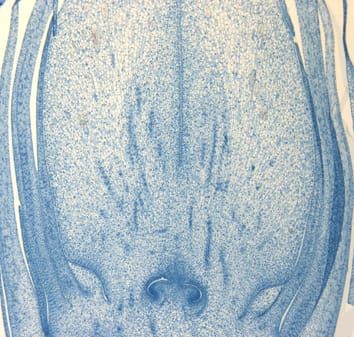
In the African oil palm, Elaeis guineensis, male and female inflorescences are produced separately in an alternating cycle that is influenced by the environment: stress conditions
annals-of-botany
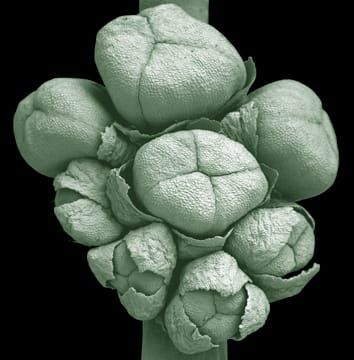
The palm tribe Chamaedoreeae displays flowers arranged in a complex partial inflorescence called an acervulus. Ortega-Chávez and Stauffer examine ontogeny in Hyophorbe lagenicaulis and show
annals-of-botany
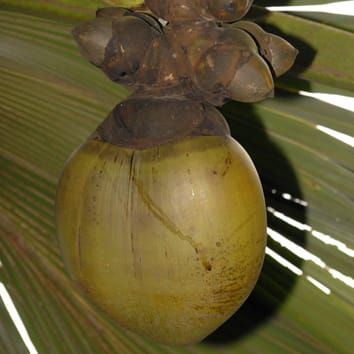
The Borasseae form a highly supported monophyletic clade in the Arecaceae–Coryphoideae, and the large fruits of borassoid palms contain massive pyrenes, which develop from the