
Today marks the evacuation of Saint Kilda, an Atlantic archipelago over a hundred miles off the west coast of Scotland. In the morning of August 29, 1930, the last 36 inhabitants left from Hirta, the inhabited island on HMS Harebell for resettlement on the mainland. Since then the islands have been left as a nature reserve. And they left behind a botanical puzzle.
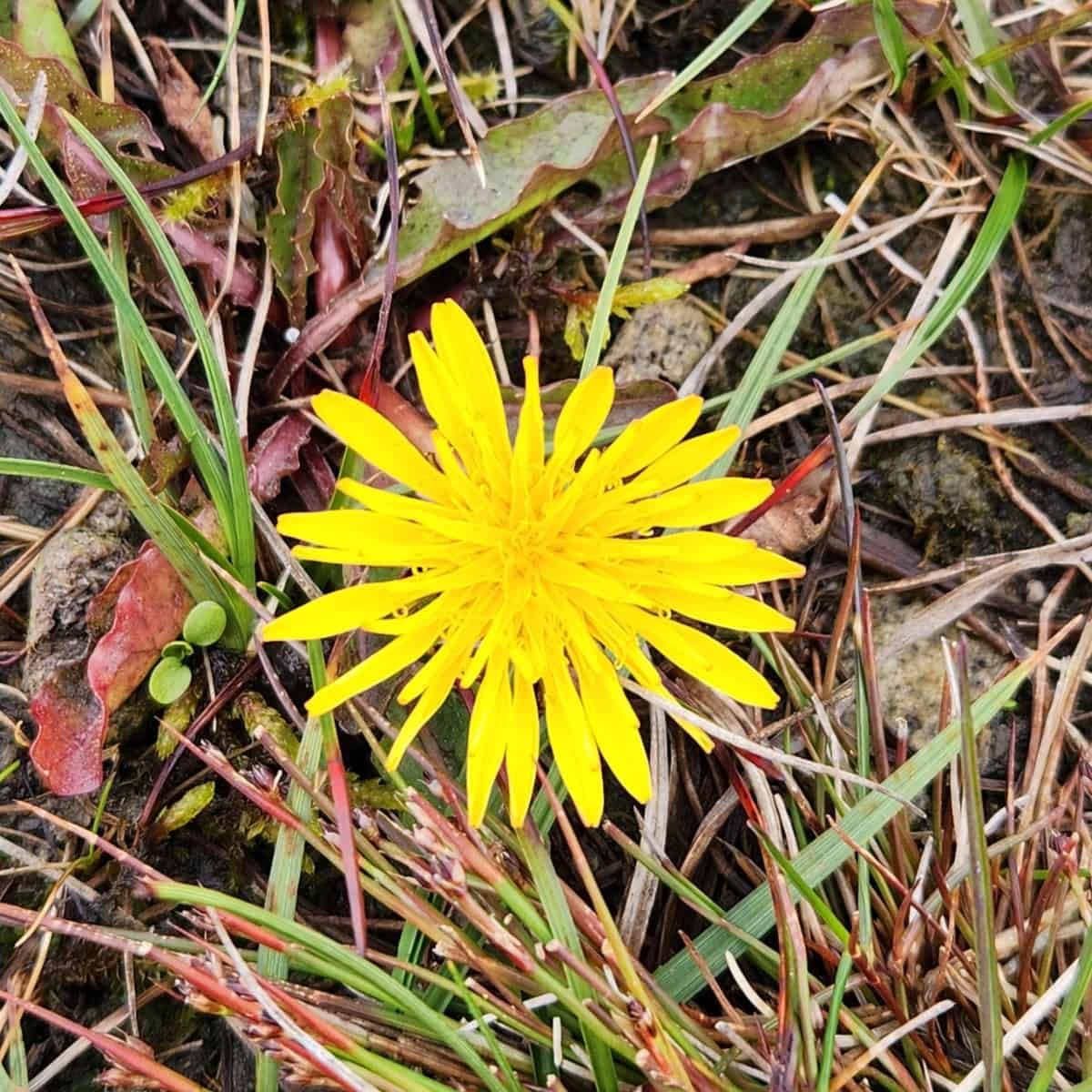
In 2010, a group of botanists sailed to Saint Kilda to look at the flora. Among the things they found was a dandelion. It was an unusually hairy dandelion, and close examination has led to it being classified as a new species, Taraxacum pankhurstianum. At the moment it’s unknown if it evolved in situ and is endemic to the archipelago, or if it’s an arrival from elsewhere. It’s also not clear if, like the human inhabitants, its days are numbered. While humans left the islands, sheep did not. Both live around the abandoned village as it’s reclaimed by nature.
How to Play
Six plants fill each row
each column, each box of six
no bloom may repeat
Tap an empty cell
then choose your plant from below
watch the garden grow
Or pick a plant first
then tap the cells where it goes
faster hands plant more
Red borders will warn
when two alike share a line
rethink and replant
Ticked plants rest complete
all six placed in rightful soil
fewer choices left
The clock starts to run
the moment your first plant falls
how swift is your hand?
Select a plant, then tap cells
Two ways to play: Tap an empty cell then pick a plant, or select a plant below then tap cells to place it.
Cover image: Taraxacum pankhurstianum by Jo Roberts / iNaturalist CC BY