
Soybean (Glycine max) is one of the world’s most important legume crops. Its high protein and oil content makes it a valuable staple in both human diets and animal feed. As the demand for sustainable sources of protein grows, its popularity in our diets is ever increasing.
Yet much of the world’s soybean is grown far from European consumers. Between July 2025 and mid-March 2026, 8.6 million tonnes of soybeans were imported into the EU, mainly from South America and the US. The use of de-forested land for cultivation, and the massive food-miles associated with this source, contributes to a considerable carbon footprint.
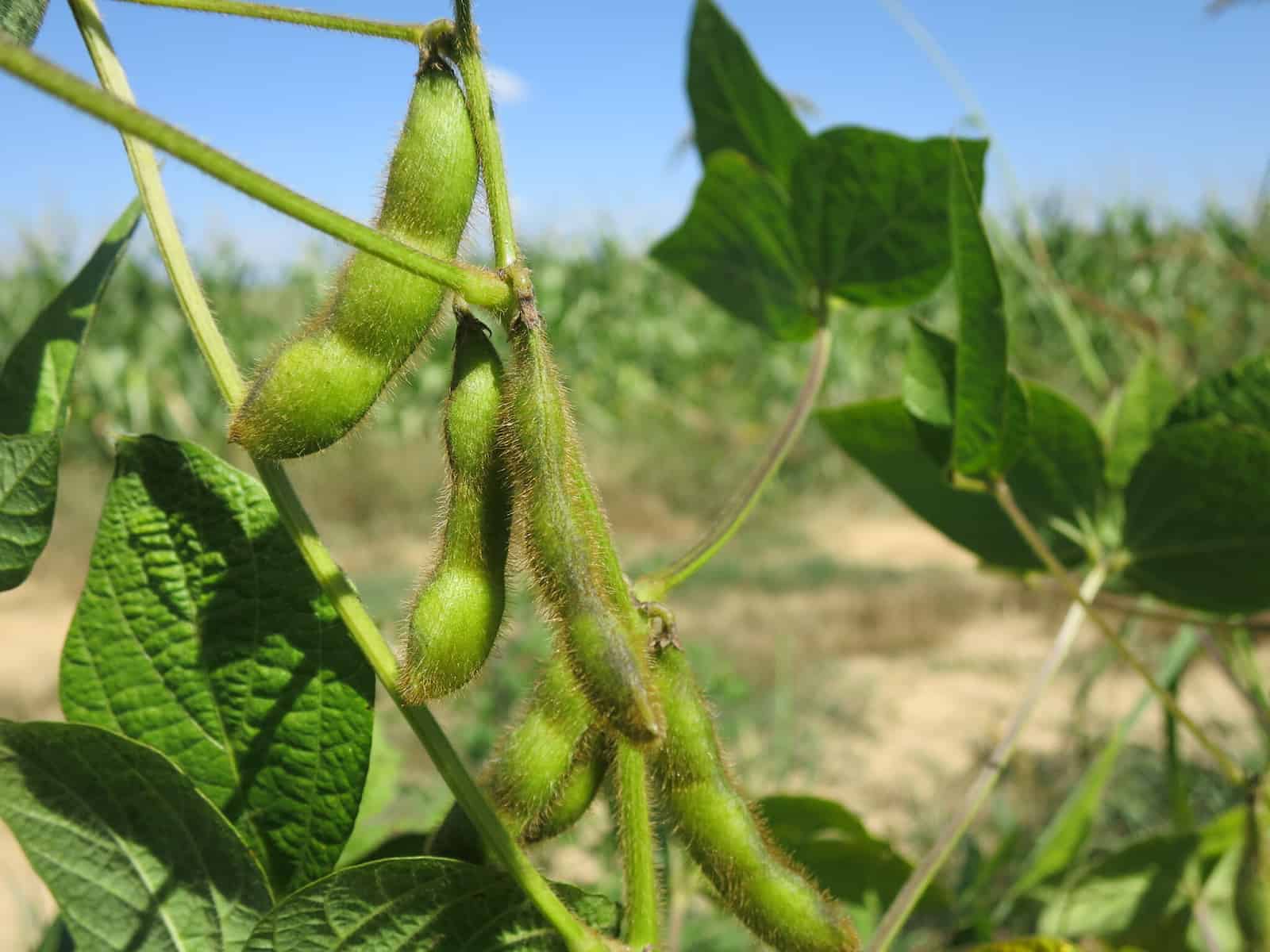
Soybean production is not alone in this geographical imbalance. In fact, only 1.5% of arable land in Europe is used for legume crops in general, compared to 14.5% worldwide. To tackle this issue, European policymakers are looking for ways to grow legumes closer to home. The European Soya Declaration, for example, is focused on growing soybeans in Europe to reduce reliance on its import.
Cultivating soybeans in Northern Europe, however, proves a fundamental biological problem. Imagine being a soybean plant adapted to the warm and sunny weather of South America. How would you feel if you were made to relocate to the cold and wet fields of Northern Europe?
Initial attempts to cultivate soy in these environments had limited success. Eventually, however, cold-tolerant crop varieties were successfully bred. But this only solved part of the problem.
A Happy Harmony: The Legume-Rhizobia Symbiosis
When we think of legume crops, we picture fields of green, leafy plants dotted with pods containing protein-packed beans. What you might not realise is that this luscious landscape displays only half the story. Hidden under the soil surface, specialised soil bacteria act as personalised plant life-supports.
Legume plants are unique as they form a symbiotic relationship with soil bacteria called rhizobia. Symbioses are partnerships in which both parties benefit. In this case, rhizobia supply the plant with a form of nitrogen they can easily incorporate into their metabolism. In return, plants supply the bacteria with carbon-rich food sources as well as shelter in specialised structures called root nodules.
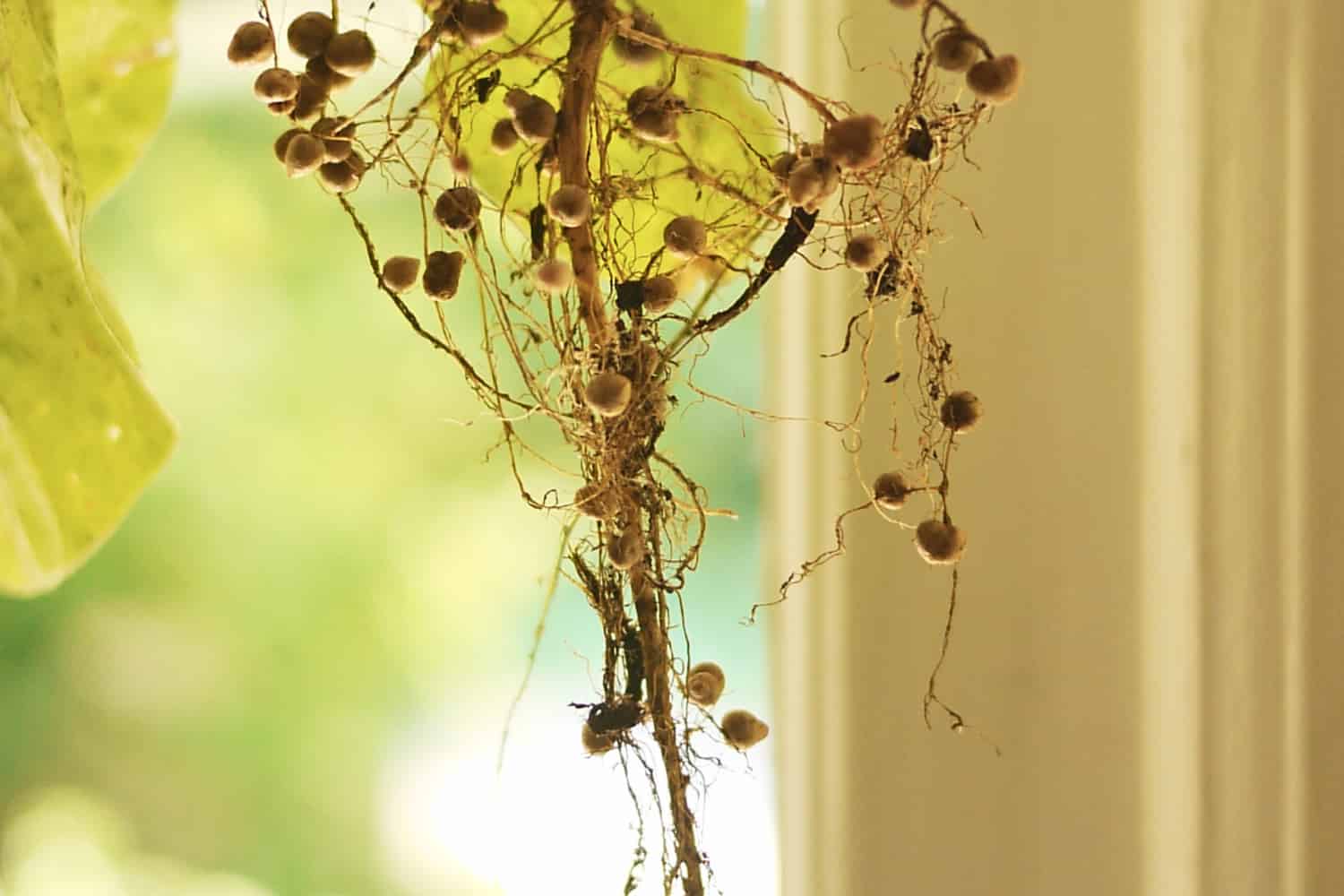
This cross-kingdom partnership is invaluable to legume plants. Nitrogen is an essential component of proteins, DNA and many other molecules required for life, and is needed by plants to survive. Despite nitrogen gas forming 80% of the atmosphere, plants have trouble integrating it into their metabolism. Like us, simply absorbing it from the air is not an option. Unlike us, they don’t have a digestive system to extract it from food. By entering a symbiotic relationship with rhizobia, which naturally convert atmospheric nitrogen to forms that plants can uptake, legumes are able to flourish and produce their characteristic high-protein fruits.
Not only is this a remarkable cross-kingdom partnership, but it is also extremely valuable in the context of sustainable agriculture. Non-legume crops typically need to be supplied with nitrogen fertilizers for growth. But by naturally forming this symbiosis, the amount of fertilizer needed for legume cultivation is significantly reduced. In addition, the non-harvested legume plant material is rich in nitrogen and acts as natural nitrogen fertilizers as it decomposes, boosting soil fertility in fields where legumes are cultivated. In a time where sustainable agricultural practices are highly sought, the legume-rhizobia symbiosis provides a promising biological solution.
Too Good to be True?
So, acclimatising the plants is only half of the story. These new cold-tolerant soy varieties need to be compatible with nitrogen-fixing rhizobia. But when the cold-adapted plants are paired with the hot-climate rhizobia strains commercially used, the bacteria struggle in the soil and the symbiosis breaks down. With a severed nitrogen source, the protein content of the soybeans plummets.
This raises the question: what if the key to home-grown legumes isn’t breeding cold-tolerant crops, but finding the appropriate microbial partner? To successfully cultivate soybean crops in Europe, these cold-tolerant plants need equally-acclimatized rhizobia.
But in a world overwhelmed by microbial diversity, knowing where to look for such a specific bacterium is an immensely difficult task.

Citizens Get Involved!
Researchers in Belgium needed people with a close connection with the soil. The solution was obvious: ask the general public. As part of the ‘Soja in 1000 Tuinen' ('Soy in 1,000 Gardens') project, the people of Flanders assisted researchers by growing soybeans in their backyards. In fact, they helped search a whole region for the perfect microbe. What followed was essentially a giant microbial dating project with thousands of plants, numerous bacteria, and the search for the perfect match.
The research group based their study on a simple assumption: if the soil microsphere contains an enormous diversity of bacteria, European soils probably contain some type of compatible rhizobia. It’s just a matter of finding them. But how would they sift through tonnes of soil to find the perfect legume partner?
This is where the public came in. By growing soybean plants in their backyards, citizens transformed the gardens of Flanders into a living laboratory. All hands were on deck. Citizens tended to the soybeans and recorded visual data, while scientists collected soil and plant samples for analysis in the lab.
The researchers could easily tell which plants had picked a partner, by looking for the characteristic root nodule organ. These only form when a symbiosis is established. The challenging part was to identify the mystery suitor inside. They used a diagnostic method called 16S rRNA barcoding, which essentially reads the genetic code of a gene that is present in all bacteria, but has a unique sequence in each strain. Using this, they developed a list of candidate bacteria, which they carried over to the next stage of the experiment: speed-dating.
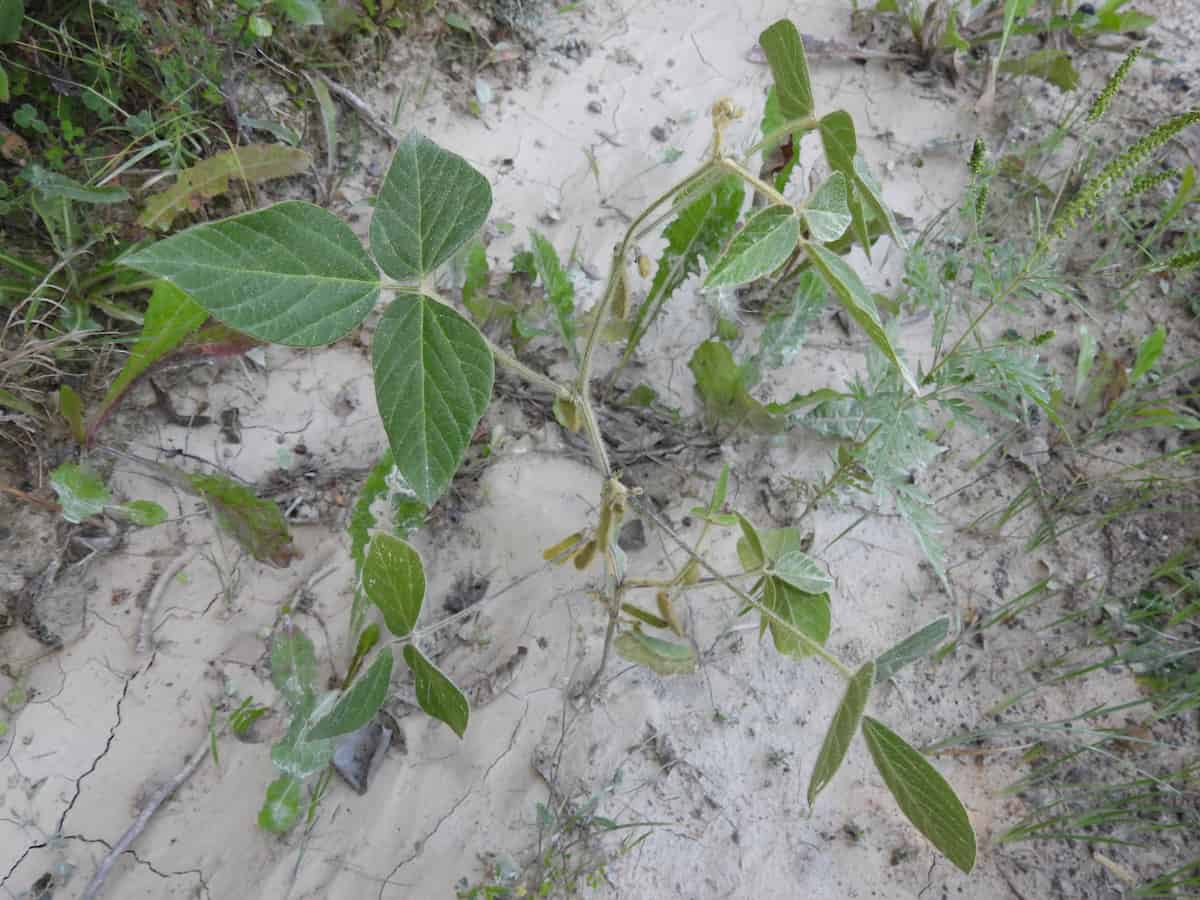
Each candidate strain was individually paired with lab-grown soybean plants, to see if a symbiosis would form. And let me tell you, romance flourished.
Two native strains stood out, both stimulating root nodule formation. In comparison to plants without bacterial partners, these lucky lovers grew greener leaves and higher-protein beans, indicating that the symbiosis was positively impacting their growth.
But there was no knockout match just yet. The native bacteria did not outperform soybeans paired with the commercial, hot-climate strain. More research needs to be done to see if these Belgian bacteria can compete with, or eventually replace, the strains currently used by growers.
Nevertheless, researchers have identified something valuable: a promising local match. By uncovering rhizobia that are native to Belgian soils, they can focus their research into coaxing these putative partners into a fully flourished relationship.
Can Citizen Science Translate to Applied Science?
In a climate crisis, we cannot afford to rely on imported crops with extensive food-miles. But so far, the biology behind crop growth has limited the cultivation of soy in Northern Europe. By teaming up with the general public in the 'Soy in 1,000 Gardens' project, current research shows that climate solutions are on the horizon.
The project generated new possibilities for applied science, contributed to fundamental understanding of plant-microbe interactions, and sparked public engagement with legumes, soil health, and sustainable agriculture.
It couldn't have been done without the people of Flanders, and highlights the importance of a symbiosis not only between plants and bacteria, but also between citizens and scientists.
Read More Here:
Méndez, Sonia García, et al. “Fast Track to Environmentally Adapted Rhizobia for Growing Soybean at Northern Latitudes Using Citizen Science.” The ISME Journal [England], vol. 20, no. 1, January 2026, https://doi.org/10.1093/ismejo/wraf152.
Vlaminck, Lena, et al. It Takes Three to Tango: Citizen, Fundamental and Applied Science. Elsevier, 2023, https://doi.org/10.1016/j.tplants.2023.02.009.
Project page : https://sojain1000tuinen.sites.vib.be/en
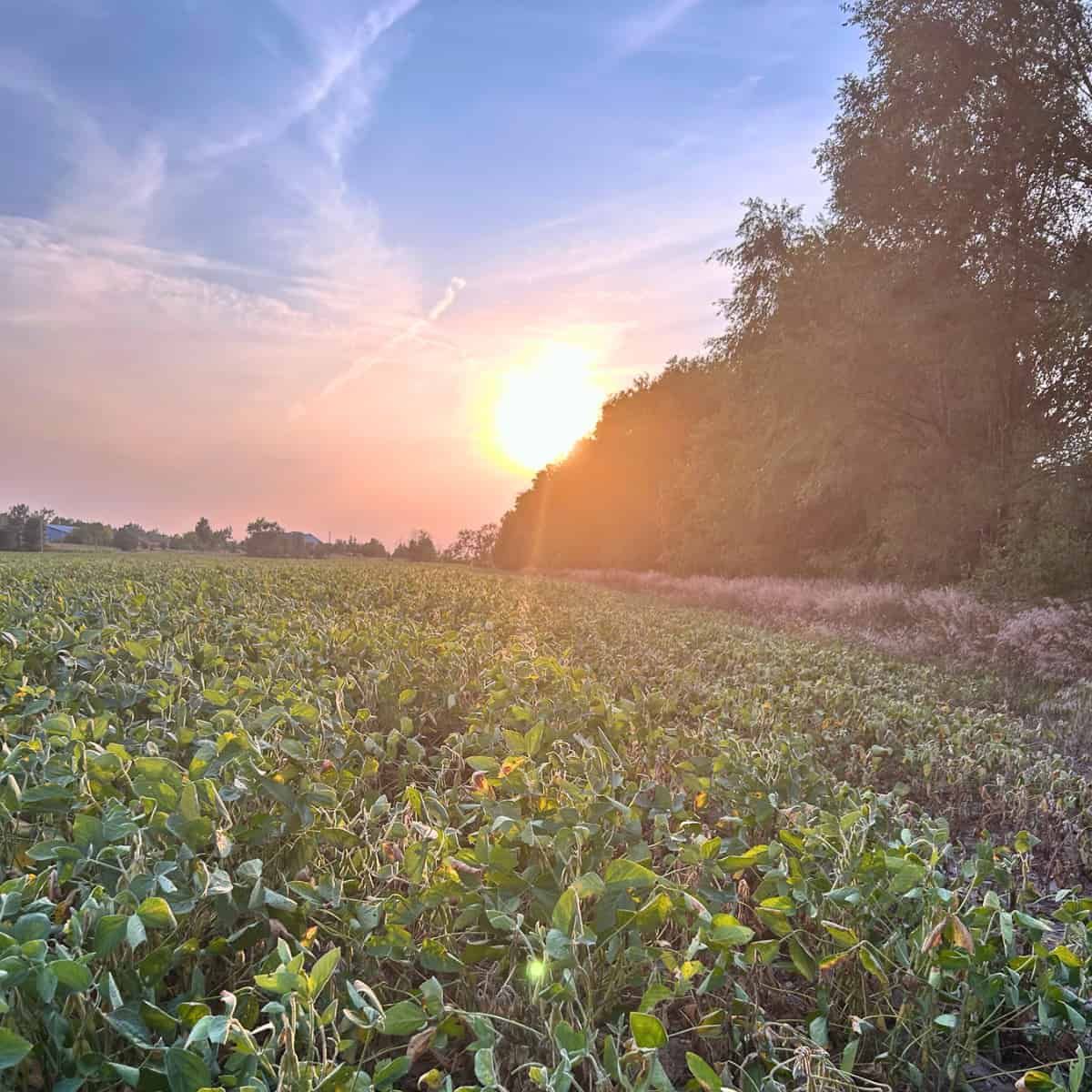
Cover image: Glycine max under a romantic sunset by avery oldenkamp CC BY-NC