Ecosystems
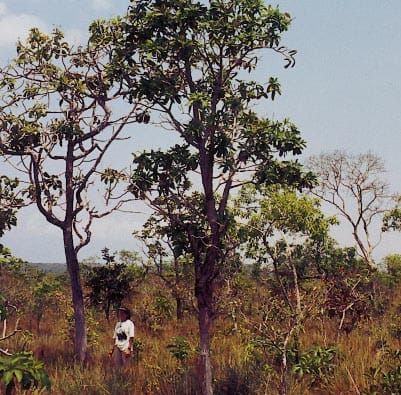
Foresight, hindsight and biodiversity
I was looking at the downloads of papers from Annals of Botany over the last year. In the top ten of most downloaded papers was one

Ecosystems
I was looking at the downloads of papers from Annals of Botany over the last year. In the top ten of most downloaded papers was one
Plants & People
Asking scientists what makes good science outreach can risk ignoring survivor bias.
Plants & People
Wood (aka ‘the really hard stuff inside trees’) is as ancient a building material and engineering solution as they come, but new uses are still being
Growth & Development
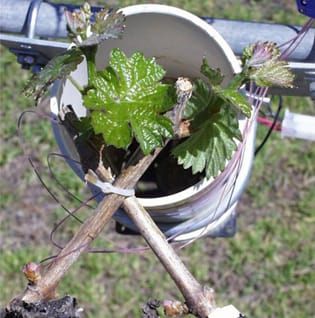
Plant growth is commonly understood to be determined by current temperature. Using a free-air cooling and heating system in the field, Keller and Tarara (pp.
Taxonomy & Evolution
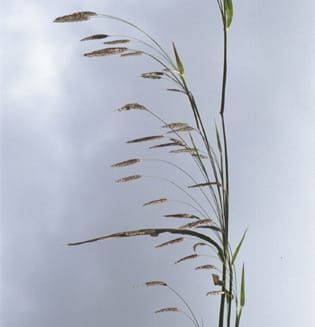
Unification of Pennisetum, Cenchrus and Odontelytrum Based on a plastid, morphological and nuclear phylogeny, Chemisquy et al. (pp. 107–130) show that the genera Pennisetum, Cenchrus
Growth & Development
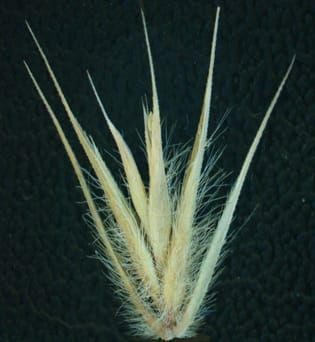
The cold desert annual grass Eremopyrum distans exhibits position-dependent effects of seeds in the spikelet. Wang et al. (pp. 95–105) find that seeds from
Growth & Development
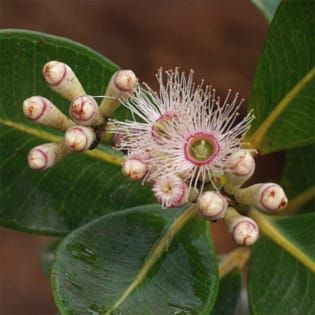
Fleshy fruits have evolved independently several times amongst Myrtaceae. Using a family-wide phylogeny, Biffin et al. (pp. 79–93) find that the parallel evolution of
Growth & Development
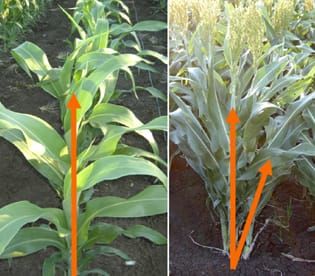
Tillering is generally recognized as one of the most plastic traits affecting accumulation of biomass and ultimately grain yield in many field crops. Kim et al.
Growth & Development
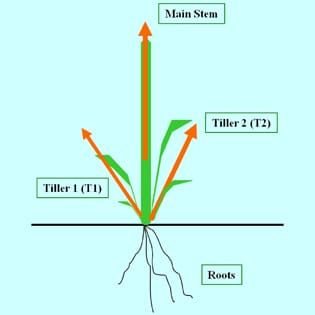
Tillering has a significant effect on canopy development, resource capture, crop growth, and grain yield in cereal crops. Kim et al. conduct a series of field
Taxonomy & Evolution
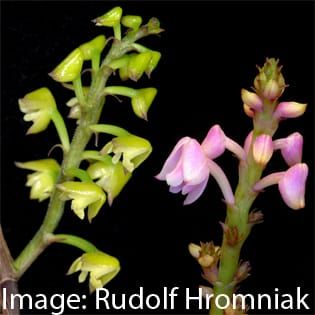
Polystachya (Orchidaceae) Evolutionary studies are usually based on dichotomously branching phylogenetic trees. Russell et al. (pp. 37–56) use DNA data from several plastid and low-
Growth & Development
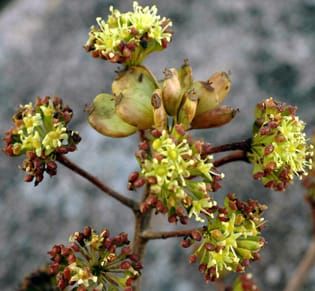
Seemannaralia (Araliaceae) Seemannaralia (Araliaceae) has bilocular ovaries whereas its fruits are unilocular, formed by two adjacent carpels. Oskolski et al. (pp. 29–36) find that the
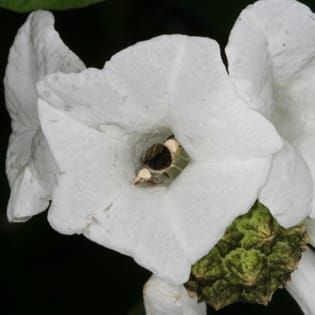
Close Encounters
Cordia leucocephala Oligolectic bees and host-plants frequently depend on each other to rear offspring and to set fruit, respectively. Milet-Pinheiro and Schlindwein (pp. 17–