Uncategorized
Galleria Carnivora
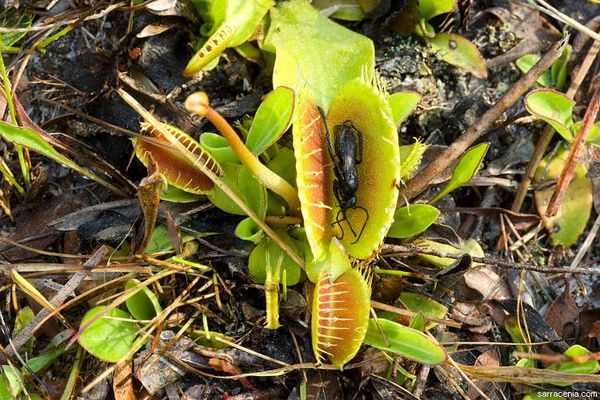
Jeff Karron (AoB’s “pollen Editor”) recently tipped me off about Galleria Carnivora, a museum of colour photographs of carnivorous plants. There are lots of images

Uncategorized
Jeff Karron (AoB’s “pollen Editor”) recently tipped me off about Galleria Carnivora, a museum of colour photographs of carnivorous plants. There are lots of images
Plant Cuttings
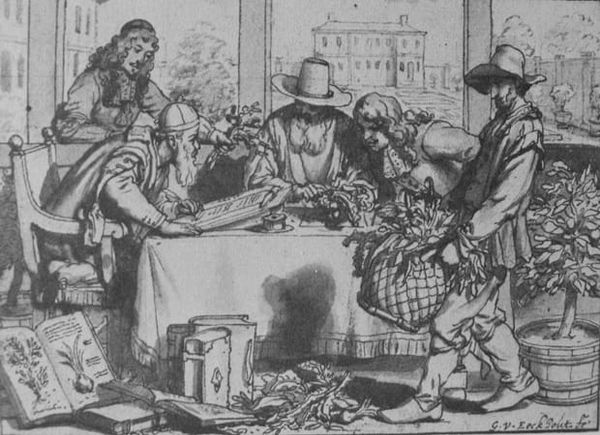
I’m probably not alone in associating ethnobotany with tales of derring-do, usually involving arduous treks through unbearably hot, mosquito-infested, disease-ridden, swamps or
Plant Cuttings
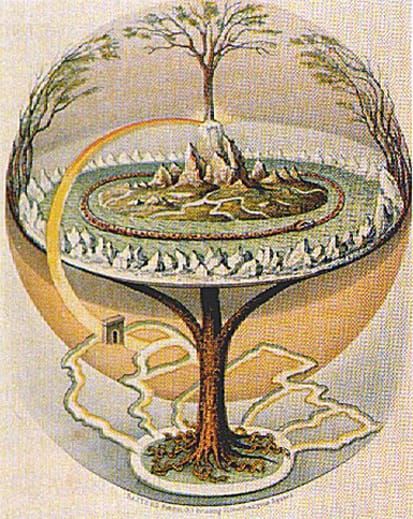
In trying to encourage my students to consider the structure–function issues in being a land plant, I often joke that all plants really want to
annals-of-botany
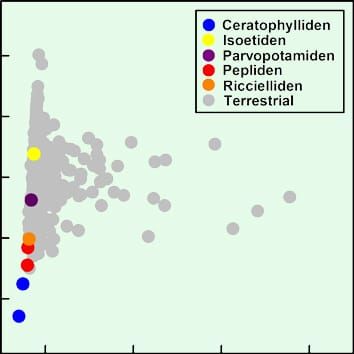
Hydrophytes exhibit a wide range of growth forms, denoting variability in adaptive strategies. Pierce et al. measure morpho-functional leaf traits for 61 species from 47
Uncategorized
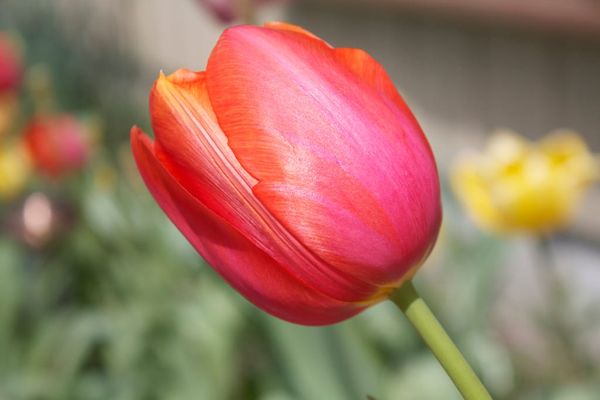
What do peacocks, CDs and certain plants have in common? They all have multi-coloured parts – feathers, surfaces or petals – which change their hue depending on
annals-of-botany
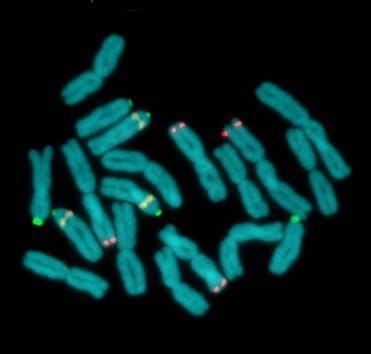
Nothoscordum gracile is an apomitic tetraploid with a rare karyotype with 2n = 19 and is widely distributed throughout the Americas. It has been suggested to form
Plant Cuttings
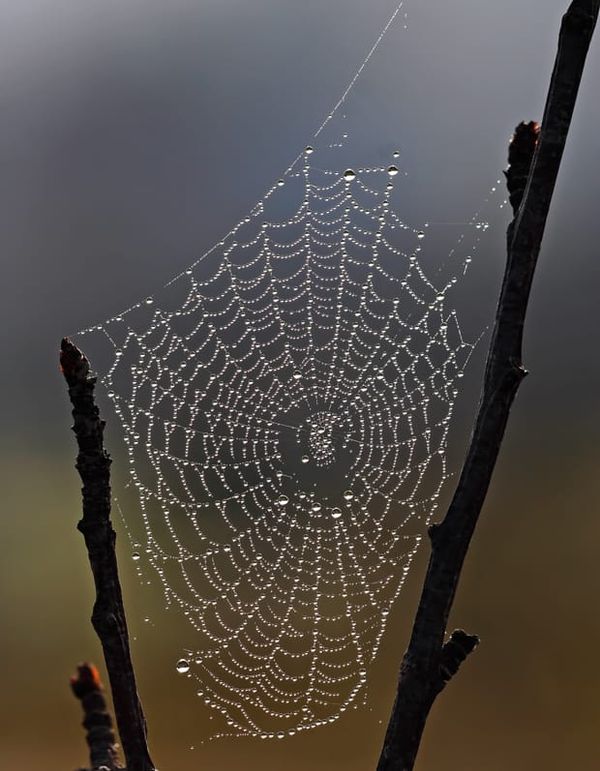
The dew point is ‘the temperature to which a volume of humid air must be cooled… for water vapor to condense into liquid water’, and is
annals-of-botany
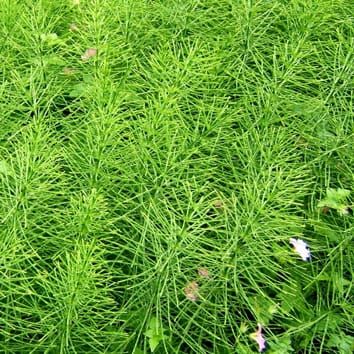
The Equisetopsida emerged in the Upper Devonian (>370 mya), and Equisetum (horsetails) may be the oldest surviving vascular plant genus. Horsetails and the Poales are

Uncategorized
Annals of Botany’s impact factor just increased to 4.03. If I listen carefully, I can hear the thousands of people who read this blog
featured
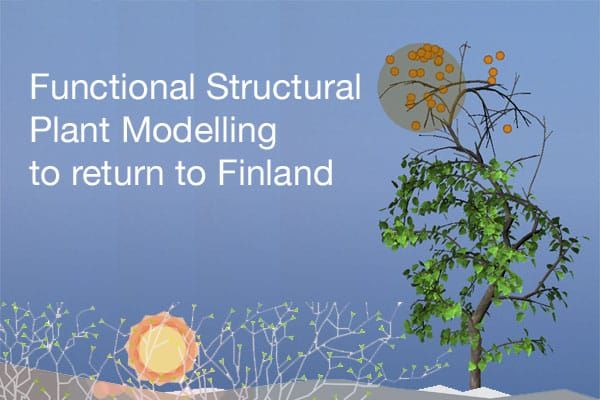
Plants have always attracted human interest as evolving structures, Leonardo da Vinci’s studies on trees as an early example. Today not only intellectual curiosity but
Uncategorized
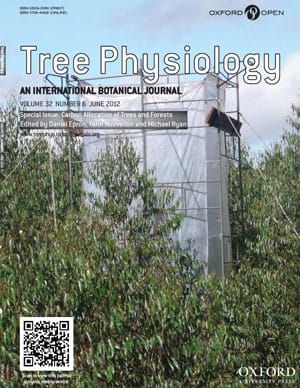
Carbon allocation, the process by which plants invest carbon into stored reserves and structures such as new leaves, stem tissue and roots, has implications for topics
annals-of-botany
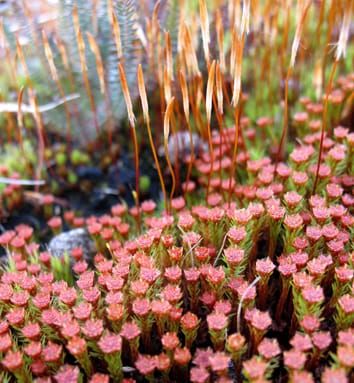
Land plants arose from a common ancestor at least 470 million years ago and presently encompass four major lineages: liverworts, mosses, hornworts and tracheophytes. By integrating