Taxonomy & Evolution
Taming the beasts: challenges of identification in big plant genera
Digital revolution provides perfect opportunity to identify species.

Taxonomy & Evolution
Digital revolution provides perfect opportunity to identify species.
Ecosystems
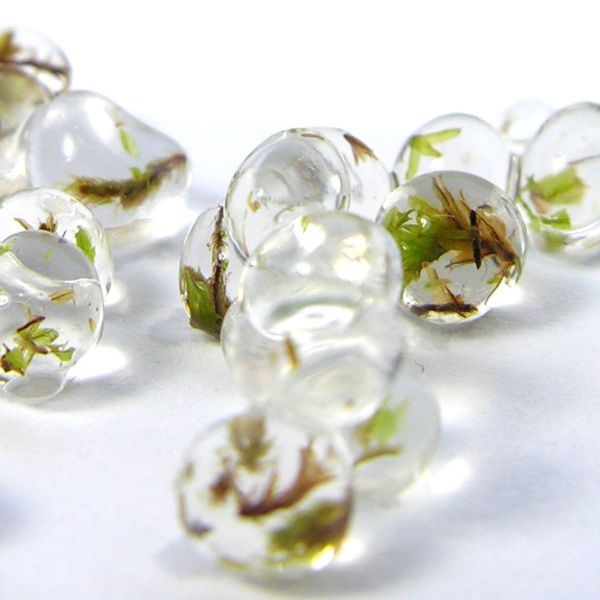
A Brazilian team develops a scalable bioengineering method using alginate beads to deliver mosses, algae, and cyanobacteria for restoring degraded soils.
featured
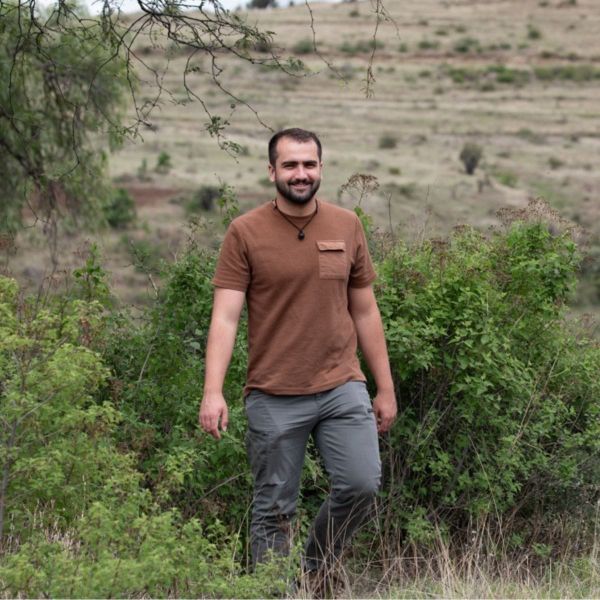
Botany One interviews Francisco Navarro-Rosales, a PhD student fascinated by fire ecology in tropical ecosystems.
Plants & People
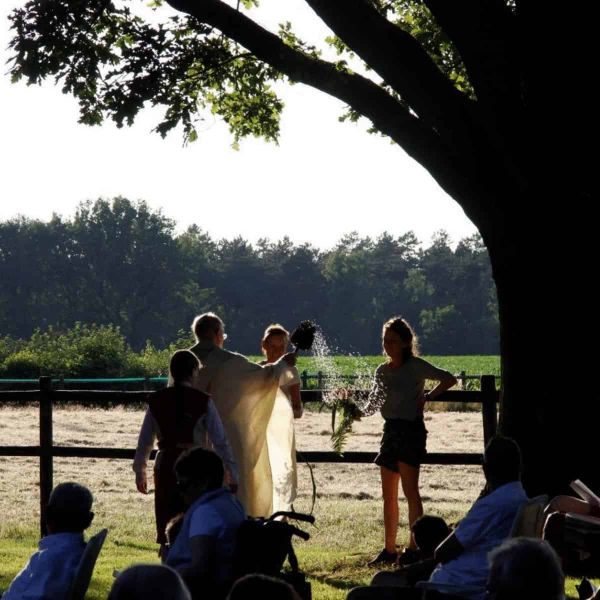
Some southern villages in the Netherlands continue the ancient practice of protecting their homes with St. John’s bouquets and wreaths. An ethnobotanical survey was recently conducted to understand the species composition and function of these blessed charms.

Plants & People
Surveying visitors at a major botanical garden reveals a surprising gap in plant evolution knowledge, and a clear opportunity to close it.
The Week in Botany
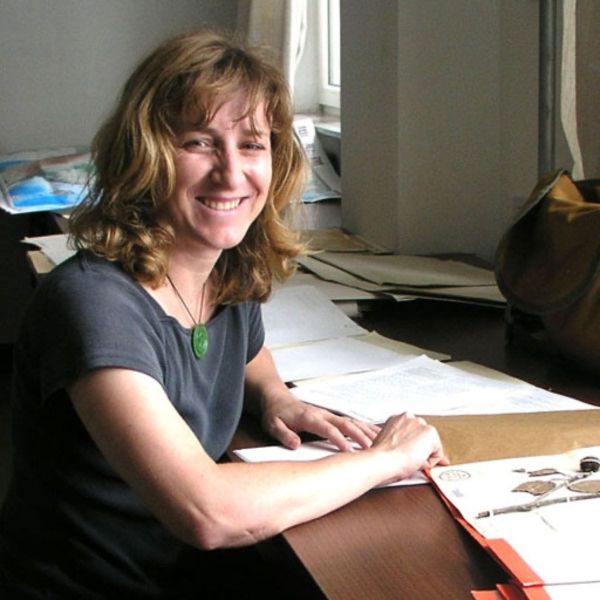
This week, nature and nurture, the long life of a rose, and Dr. Stefanie Ickert-Bond on the importance of taxonomy.
Ecosystems
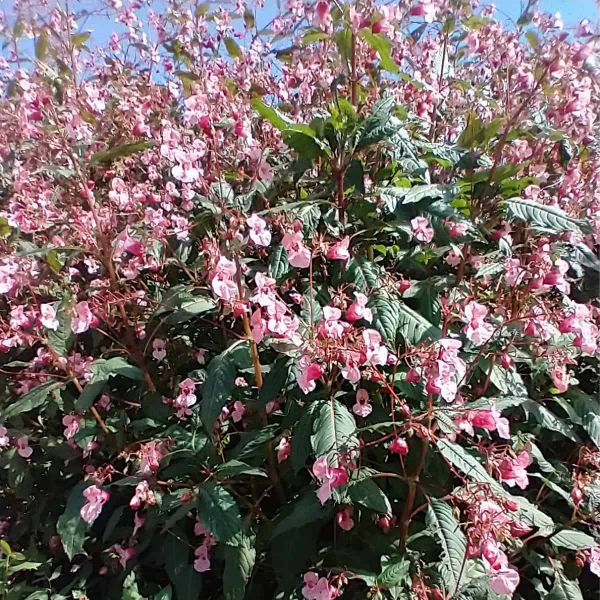
Drones, equipped with automated detection systems, can efficiently survey difficult habitats, enabling targeted management of noxious weeds.
Cells, Genes & Molecules
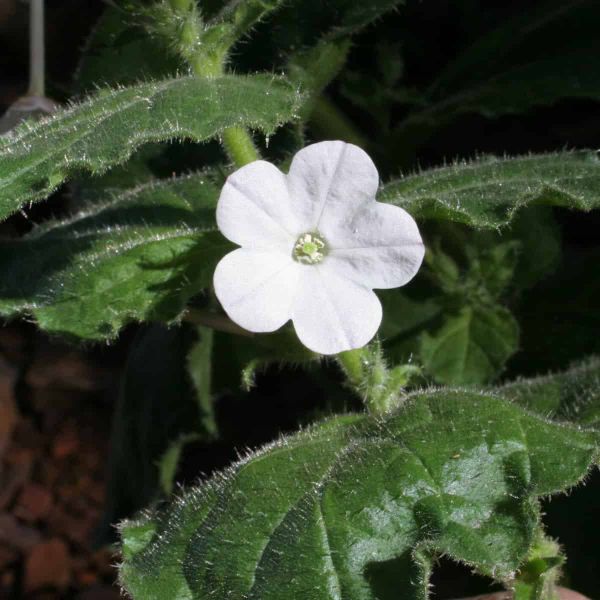
A new process could harness plants natural chemical prowess and allow them to become factories for producing complex molecules like antibodies and enzymes.
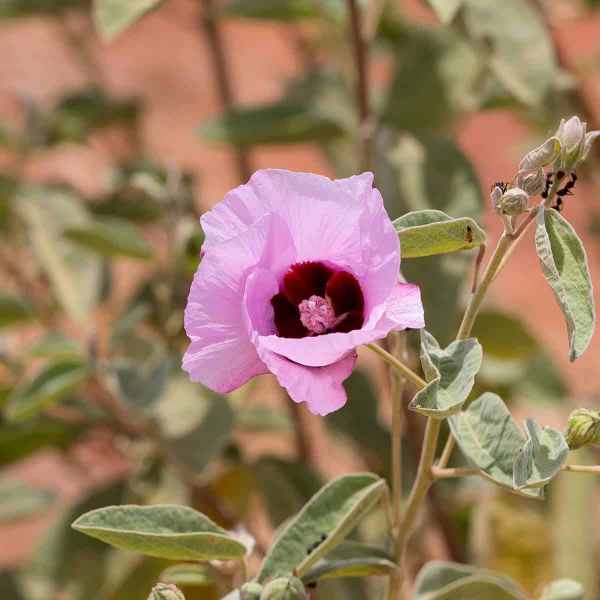
Growth & Development
Four wild Australian cotton species thrive in high heat, unlike commercial cotton. These wild species could be used to breed heat tolerance into commercial cotton.
featured
Botany One interviews Dr. Stefanie Ickert-Bond, speaker at the “Evolutionary History of the Gnetales” symposium held during Botany 2025.
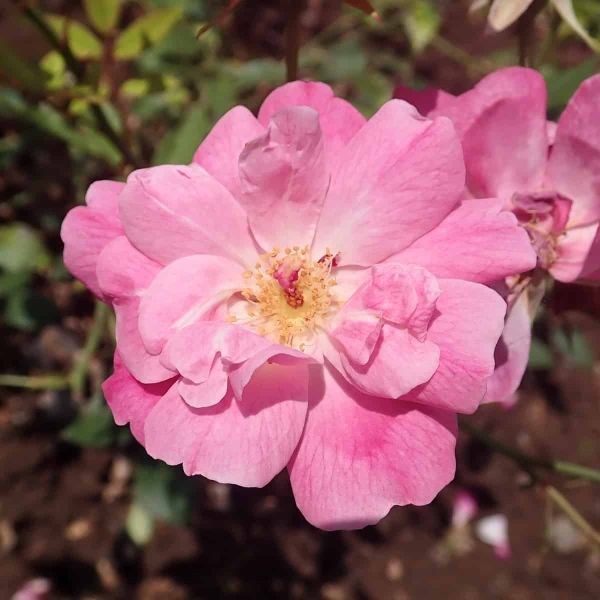
Cells, Genes & Molecules
Scientists discovered that modern roses’ ability to flower repeatedly comes from a single genetic mutation in Chinese wild roses, and by tracing their family tree, they showed how hybridization with a few wild species created the roses we know today.
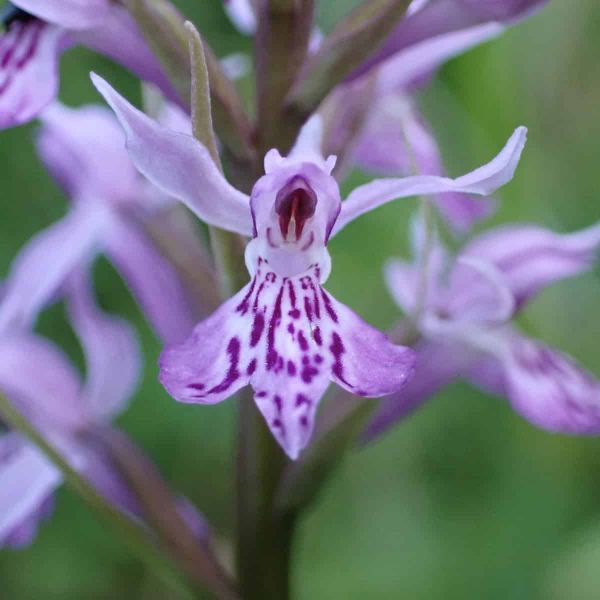
Close Encounters
Mycorrhizal communities are shaped by orchid trophic mode and biogeography but not orchid phylogeny.