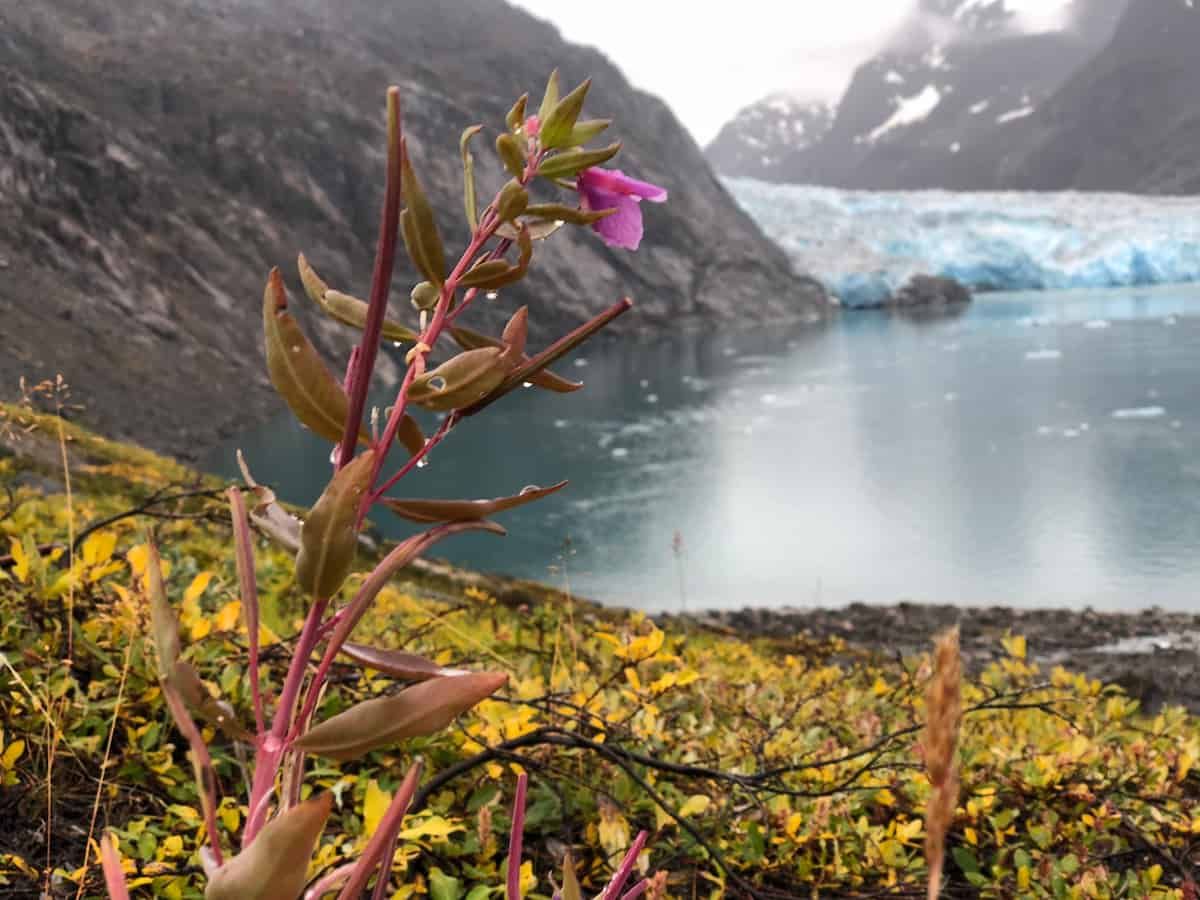

This week’s plant is a plant of many names. I searched for it as Chamaenerion latifolium, but Plants of the World Online lists that as a synonym of Epilobium latifolium. It’s not a settled argument as the Flora of North America keeps with Chamaenerion latifolium, so if you’re searching for research on the plant, you’ll need both names. Its common name in English is Dwarf Fireweed or River Beauty. Unlike last week’s plant, this genuinely is having a spike in observations, because it’s Greenland’s summer, so if it’s going to grow now is the time. In Greenland it’s known as Niviarsiaq, or young girl, and it’s the national flower.
Epilobium latifolium is found across the Northern Hemisphere. I was expecting a circumpolar distribution for an arctic plant, because I first saw it in a Greenlandic context. However, it gets a long way south reaching as down through the Rockies in North America, and into the mountains of Central Asia on the other side of the planet. The reason for its presence is that it’s an alpine plant. That doesn’t mean it’s literally found just in the Alps, but rather in an alpine climate. That means above the treeline where it can be windy, well-drained and exposed with poor soil. In the arctic these conditions occur at sea-level, which explains why it’s so common in the far north.
The plant supports a variety of insect life. During its flowering period it provides nectar for generalist pollinators including bumblebees, moths, and flies, particularly in Greenland, where half the insect species are flies. The Burke Herbarium also lists hummingbirds as potential pollinators, but that’s unlikely in Greenland, unless it’s a very unlucky hummingbird. It’s also a food plant for the moth larvae of Scythris noricella, which feeds on the plant in the summer.
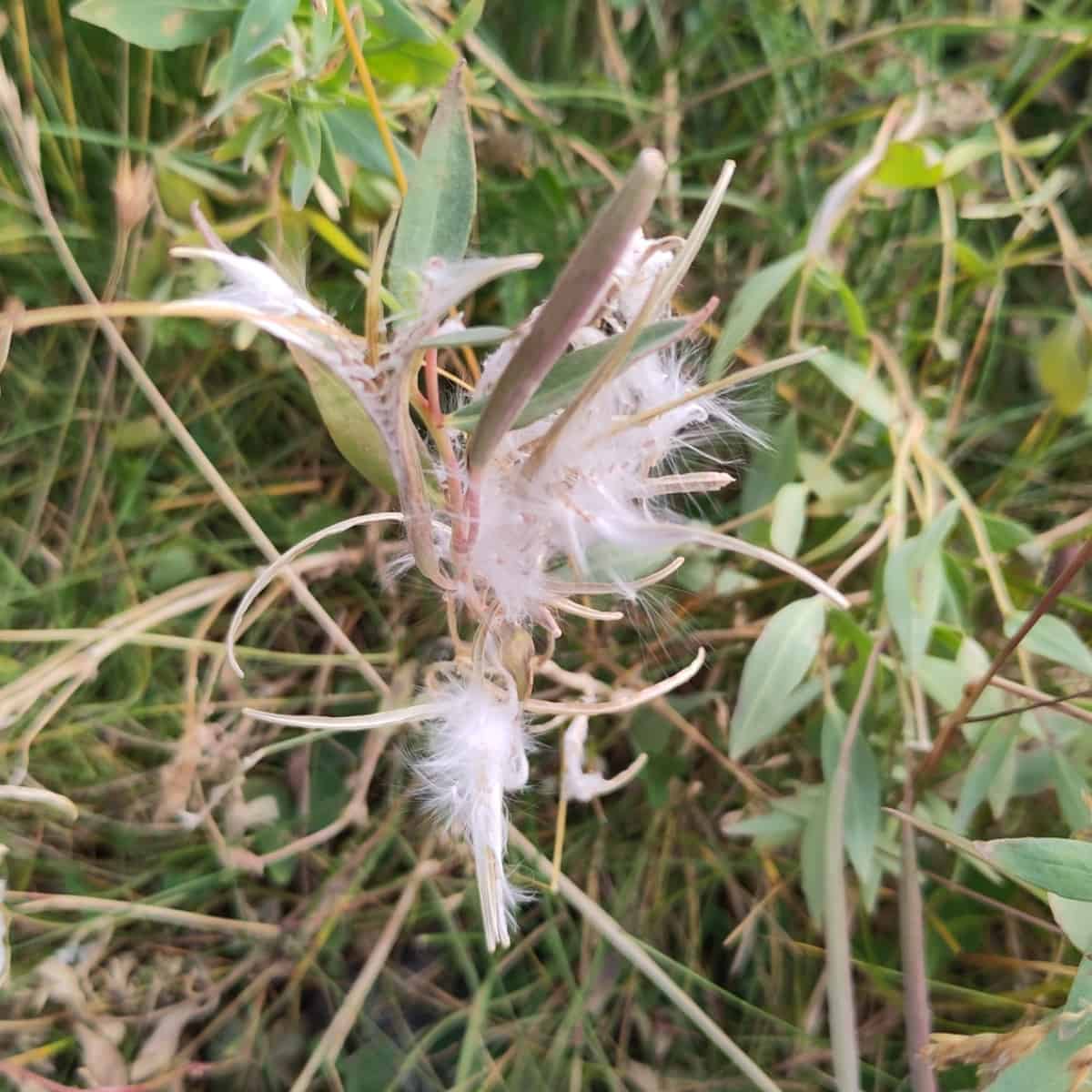
After pollination, the seeds fly reluctantly to new grounds, lifted by the wind catching hairs around the seeds. They're not the easiest seeds for the wind to lift. What the seeds want is exposed, moist but well-drained soils, where other plants haven’t arrived yet. It can also grow through pseudorhizomes. These are stems that grow up from branches on the previous year’s shoots. One mass can sprout over a hundred shoots, helping the plant survive for thirty-five years or more.
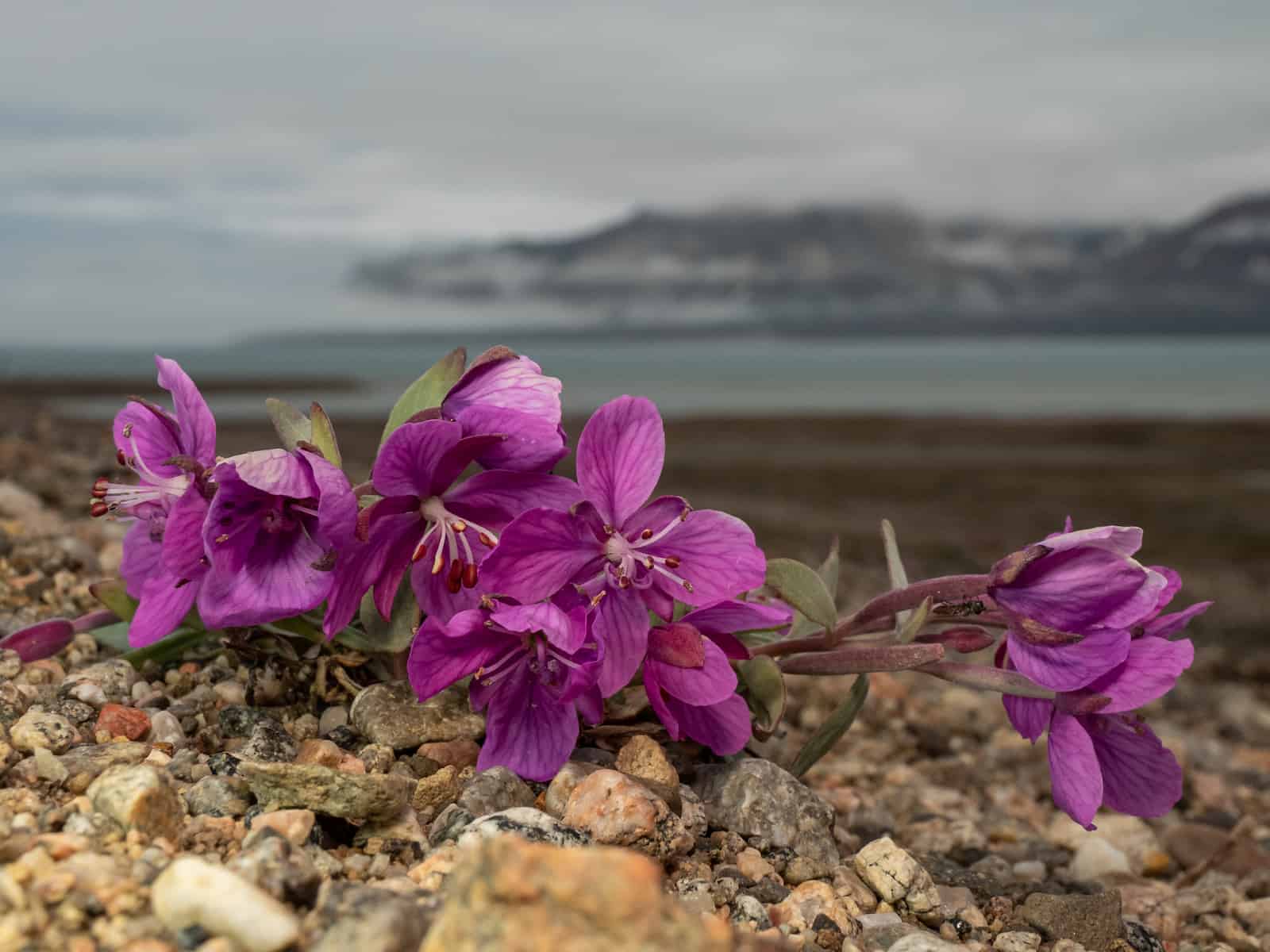
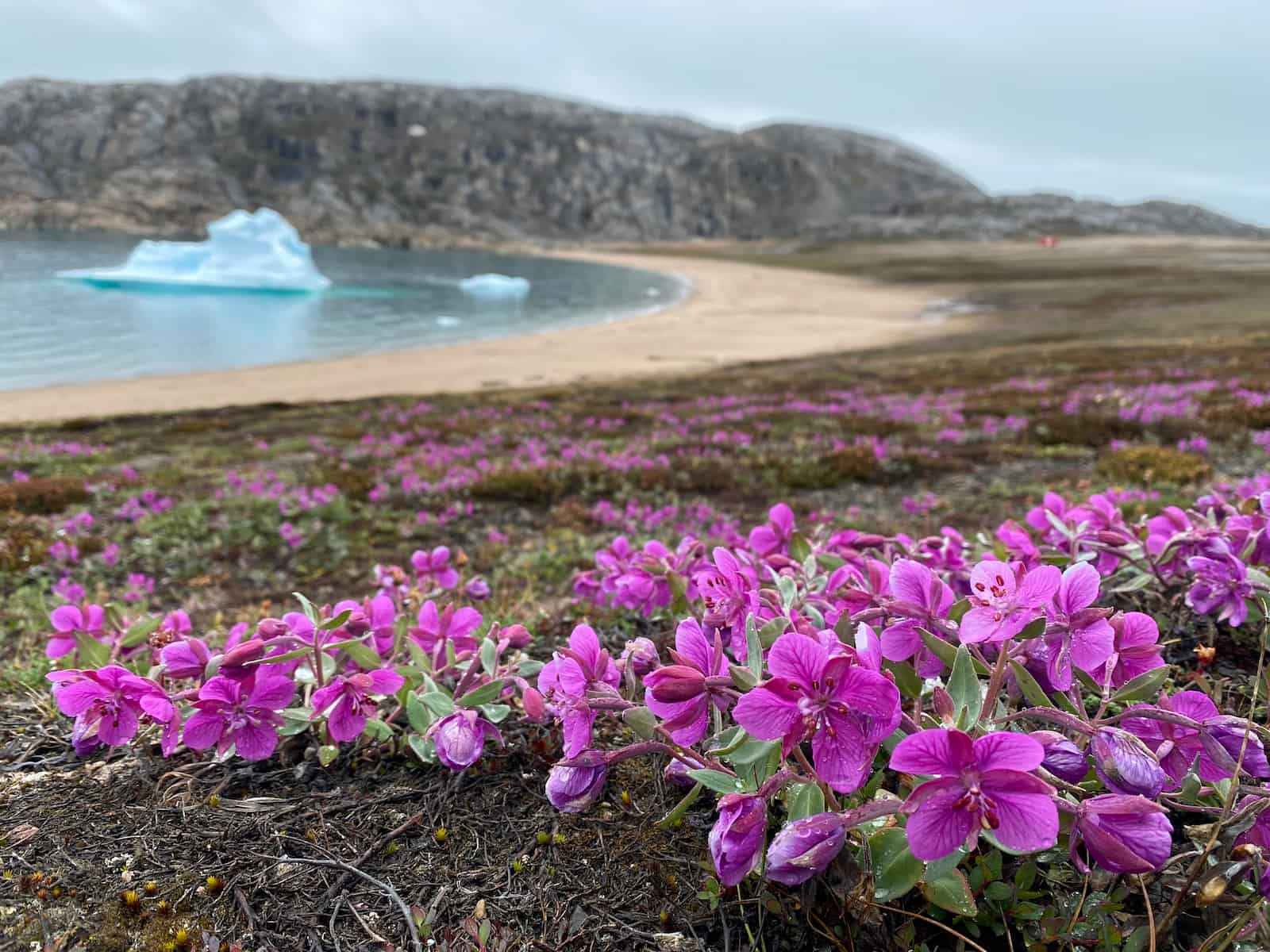
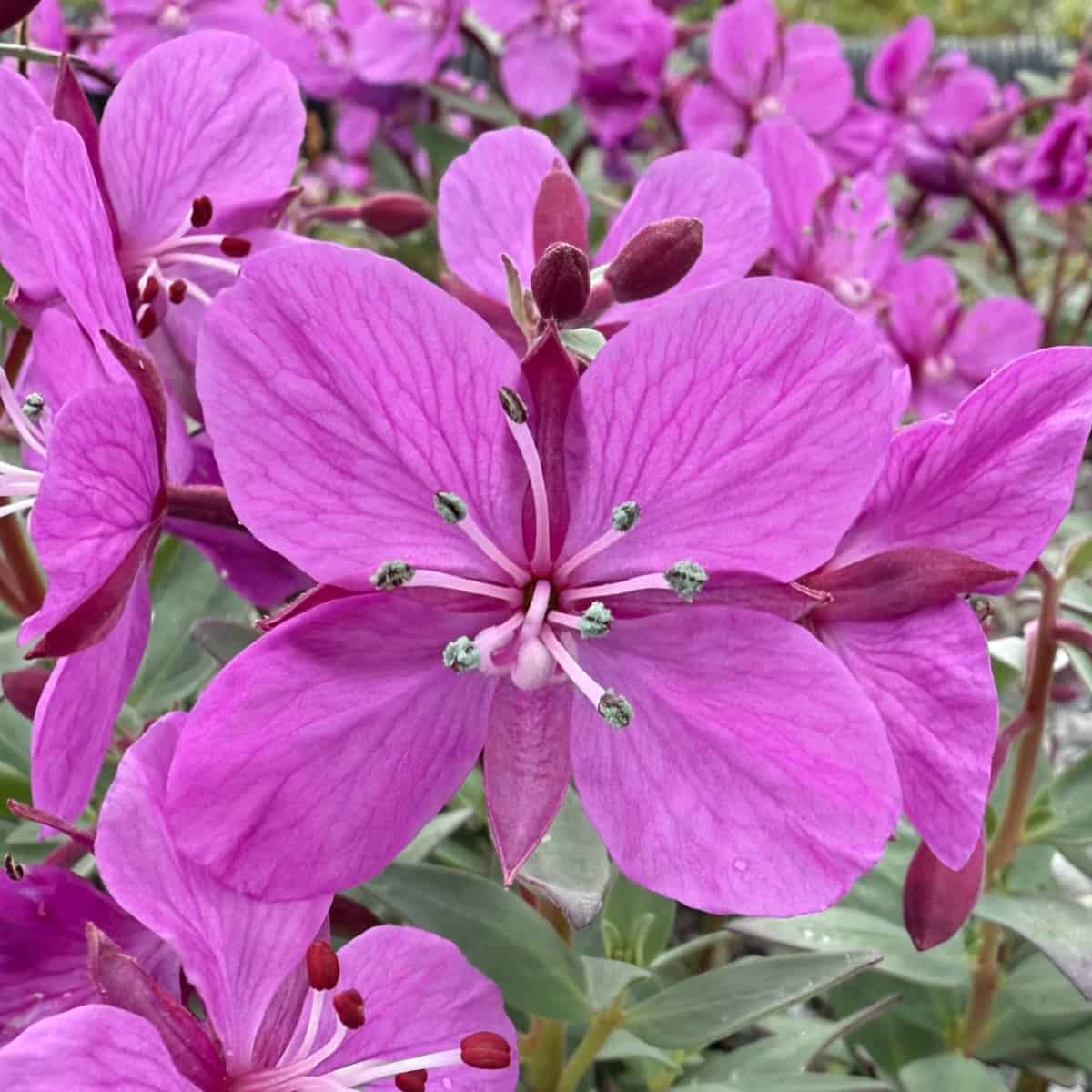
In Greenland, it seems observations have just passed their annual peak, which seems in step with observations around the world this year. If you’re there, or anywhere where it’s nearby, and you want to see it this year, you probably want to be out before the end of the month. You’re looking for a clump of stems between 10 cm and 60 cm tall, with plants being lower and more sprawling in harsher environments. The flowers appear at the top of a short stalk, nodding slightly so they’re facing sideways. The sepals are often flushed purplish red while the four petals are rose-purple to pink, 1–2.4 cm long.
If you miss it, then there’s always next year. Niviarsiaq is a perennial. It’s said that it was chosen as Greenland’s national flower due to its resilience. That’s a useful quality for any botanist.
Cover image: Chamaenerion latifolium by Kelly Koller / iNaturalist CC BY-NC