


Plants are incredibly diverse, and so are botanists! In its mission to spread fascinating stories about the plant world, Botany One also introduces you to the scientists behind these great stories.
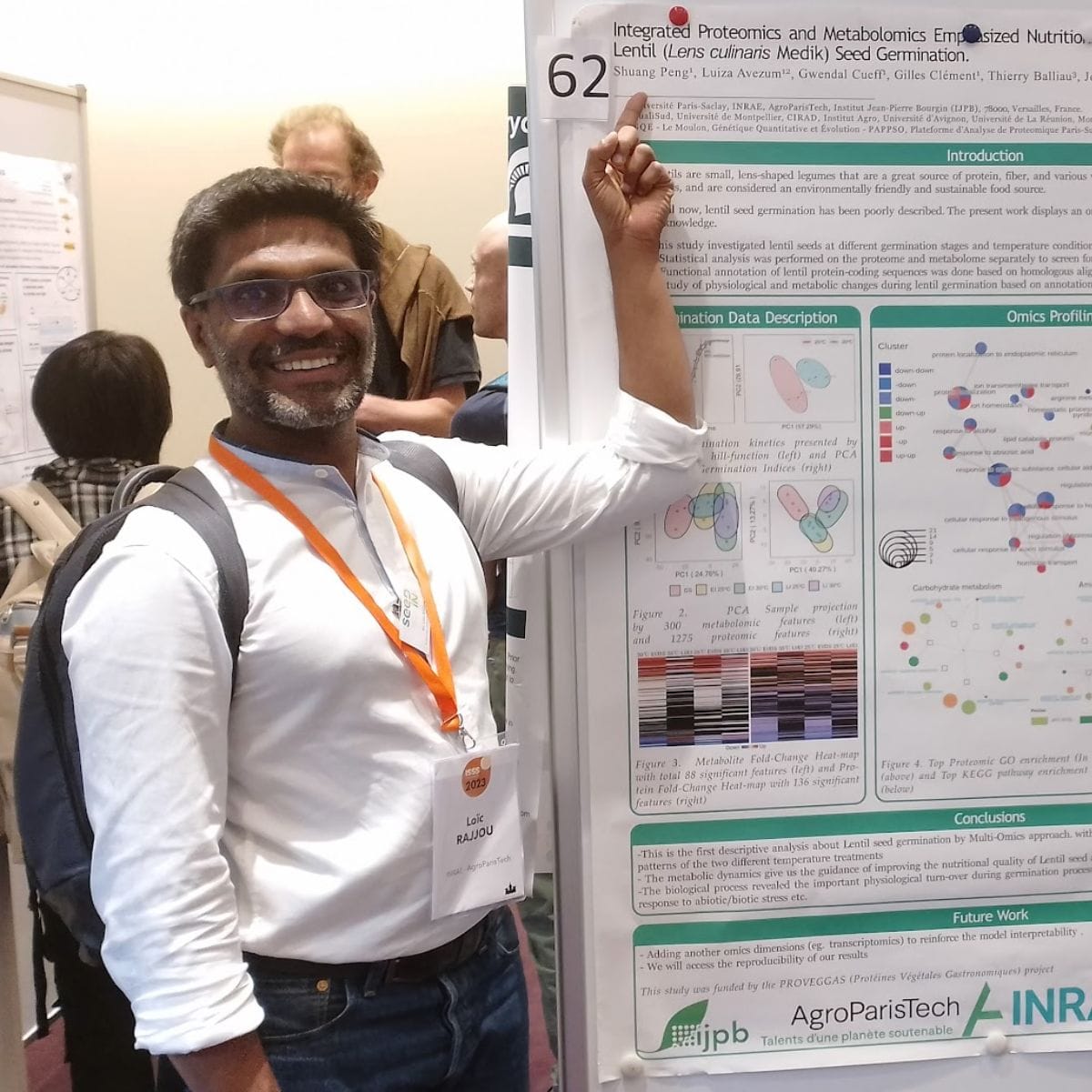
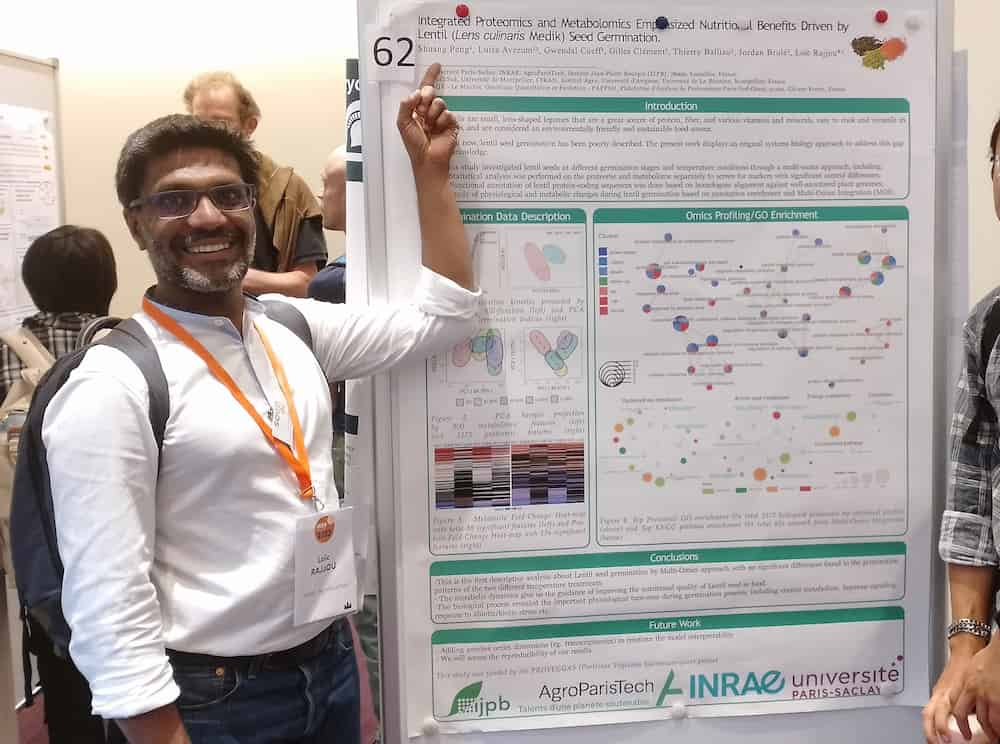
Today, we have Dr Loïc Rajjou, a Professor of Plant Physiology at AgroParisTech and a researcher at the Institut Jean-Pierre Bourgin, a joint research unit under the tutelage of INRAE, AgroParisTech, and Université Paris-Saclay, located in Versailles, France. His research focuses on the mechanisms involved in seed quality, including dormancy, dry-state preservation, defences, and vigour. He also explores biocontrol and biostimulation solutions in seed technology, such as coating and priming, to protect seeds and enhance germination and seedling establishment. Rajjou’s work spans the molecular, cellular, and metabolic dimensions of seed physiology, employing multiomics approaches to study various seed compartments, including the embryo, endosperm, seed coat, and spermosphere. His ultimate goal is to develop innovative solutions that promote faster, more uniform germination and robust plant growth, contributing to sustainable agricultural production. You can follow his activities on LinkedIn.
What made you become interested in plants?
Plants represent the most abundant storage of carbon in living systems, with an estimated 450 gigatons of carbon stored in plant biomass globally. This significant carbon reservoir is crucial in the global carbon cycle and climate regulation. Moreover, plants are fundamental to human existence and ecosystem sustainability. They are essential for food production, providing nutrients for humans and animals, and are critical for producing biomaterials and biofuels. Additionally, plants are a source of central and specialized metabolites, vital for crop protection, fertilization, and applications in the cosmetics industry and human health. My interest in plants is driven by their multifaceted roles in supporting life and their incredible potential to address global challenges in food security, environmental sustainability, and health.
What motivated you to pursue your current area of research?
The importance of seeds in agriculture and their critical role in food security motivated me to focus on seed biology. I am intrigued by the potential to improve seed quality through scientific research, which can enhance crop yields and resilience against environmental stresses. This pursuit aligns my passion for plant biology with the practical impact of contributing to more sustainable and efficient agricultural practices. The opportunity to make a tangible difference in global food production while addressing environmental concerns is a powerful driving force.
What is your favourite part of your work related to plants?
My favourite aspect of working with plants is uncovering the hidden molecular mechanisms that govern seed quality, plant development, and environmental interactions. Unravelling these complex processes through multiomics approaches feels like solving a puzzle, where each piece of data brings us closer to understanding how we can optimize plant growth and resilience. Additionally, translating these findings into practical applications that benefit agriculture and the environment is incredibly rewarding.
Are any specific plants or species that have intrigued or inspired your research? If so, what are they and why?
While my research is not confined to a single plant species, I frequently work with model species like Arabidopsis thaliana due to its well-characterized genetics and ease of manipulation. However, my work is also deeply inspired by crop species critical to global food security, including cereals like wheat, barley, and rice; legumes such as beans and lentils; oilseeds like rapeseed and camelina; and vegetables like tomato and lettuce. These crops are not only staple foods for a large portion of the world’s population but also play a key role in sustainable agricultural systems. By understanding and improving seed quality in these species, we can enhance agricultural productivity, ensure more reliable food sources, and contribute to global efforts in combating hunger and malnutrition. Each of these plants offers unique insights and challenges, driving my passion to develop innovative solutions for both current and future agricultural needs.
Could you share an experience or anecdote from your work that has marked your career and reaffirmed your fascination with plants?
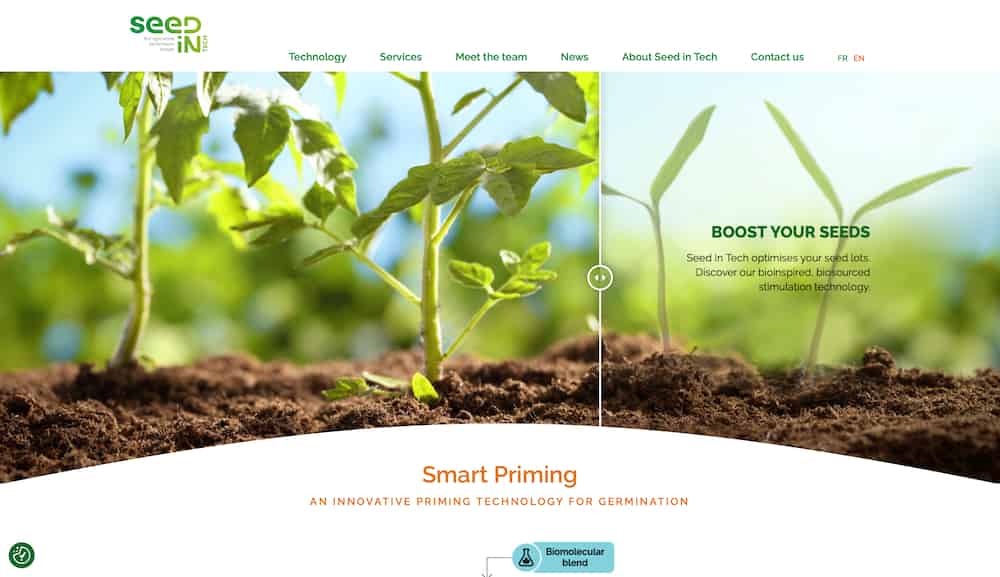
A defining moment in my career was the transfer of over 15 years of research on molecular and metabolic discoveries into practical applications, which led to the development of innovative seed priming methodologies. This journey culminated in the creation of the start-up SeedInTech (https://seedintech.com/), focused on enhancing seed quality and vigour through advanced priming treatments. Witnessing our fundamental research translate into real-world solutions that improve crop resilience and agricultural productivity has been incredibly rewarding. This experience reaffirmed my fascination with plant science’s potential to drive impactful innovations in seed technology.
What advice would you give young scientists considering a career in plant biology?
My advice to young scientists is to embrace curiosity and perseverance, qualities essential for success in scientific research. Plant biology is a diverse and dynamic field with numerous opportunities to make impactful contributions, whether through fundamental research or applied sciences addressing global challenges like food security, climate change, and sustainable agriculture. Be open to exploring interdisciplinary approaches, as combining insights from different fields often leads to groundbreaking discoveries. Surround yourself with mentors and collaborators who inspire and challenge you, and don’t hesitate to take risks and pursue innovative ideas. Remember, the path of discovery can be complex and unpredictable, but the potential to advance our understanding of the natural world and develop solutions that benefit society is immensely rewarding. Stay passionate, stay patient, and let your curiosity guide you.
What do people usually get wrong about plants?
Many people underestimate the complexity and importance of plants, viewing them as passive or simple organisms. In reality, plants are highly sophisticated, equipped with intricate signalling networks and adaptive mechanisms that enable them to respond dynamically to their environment. This complexity extends to their genetic and genomic systems, which are crucial for understanding plant development, stress responses, and adaptation. Advances in genetic and genomic engineering have revealed the remarkable potential of plants to be modified for improved traits, such as increased resilience to climate change and enhanced nutritional content. Plants are foundational to ecosystems and agriculture, and their ability to address global challenges like food security, climate change, and biodiversity conservation underscores their critical role. Appreciating the depth of plant biology, including the potential for genetic and genomic innovations, is essential for fully recognizing their impact and potential.
Carlos A. Ordóñez-Parra
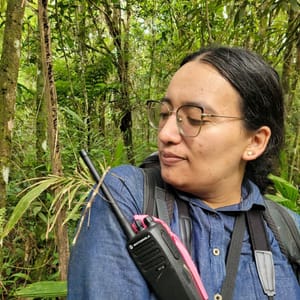
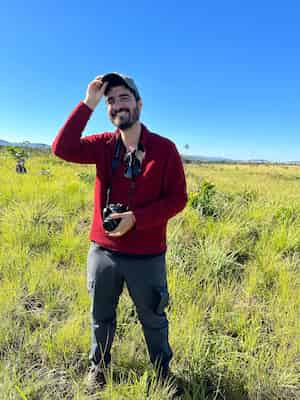
Carlos (he/him) is a Colombian seed ecologist currently doing his PhD at Universidade Federal de Minas Gerais (Belo Horizonte, Brazil) and working as a Science Editor at Botany One and Communications Officer at the International Society for Seed Science. You can follow him on BlueSky at @caordonezparra.