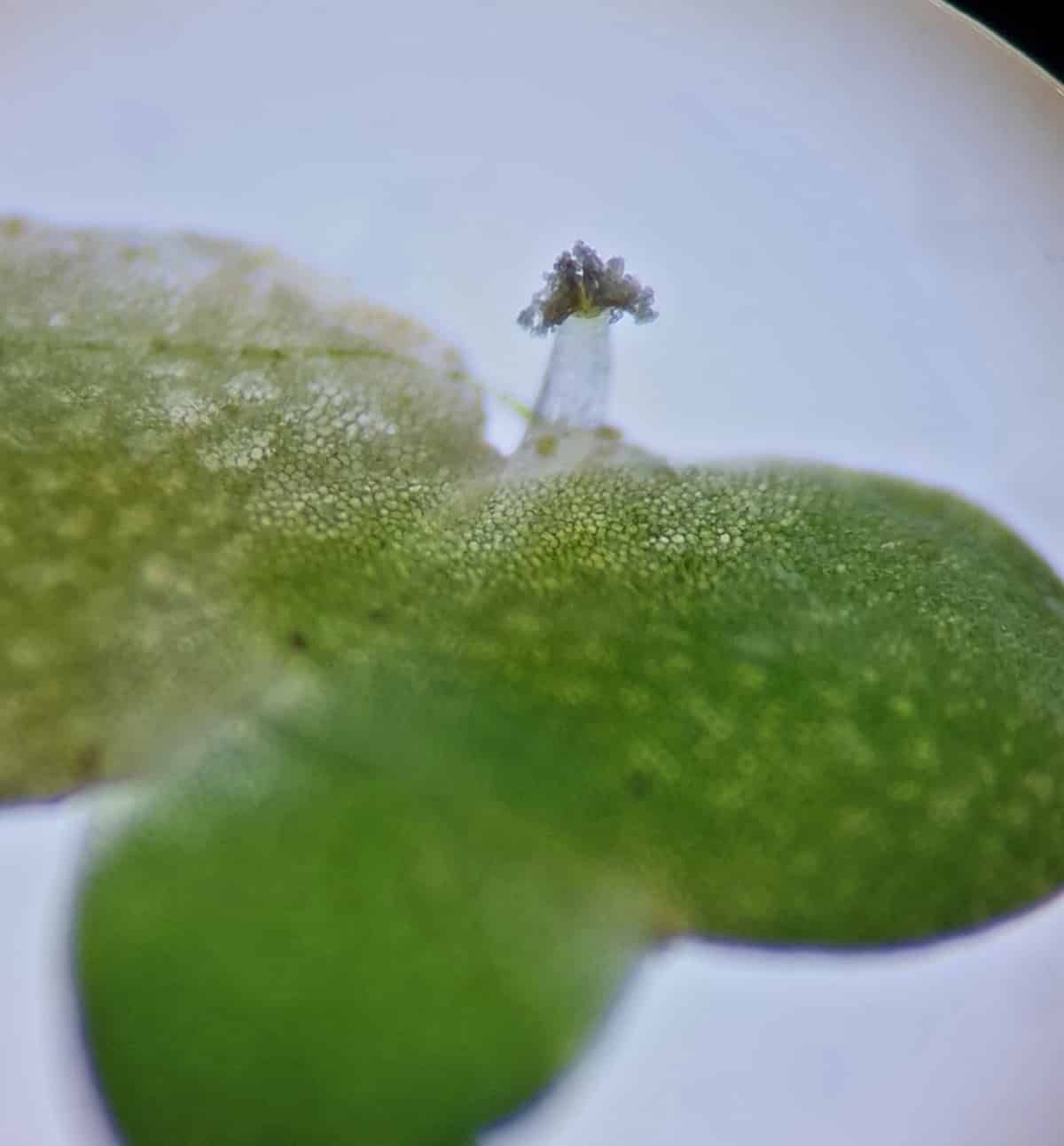

This week’s plant of the week is something snapped by Fazakas Bendegúz in Hungary recently, a Lemna minor flower. To get the photo he had to get quite close. There’s lots of words you could use to describe Lemna minor and, for some people, the words are sadly unprintable as it can be a problem plant. But one word everyone would agree on to descibe Lemna minor is the minor part. It’s tiny.
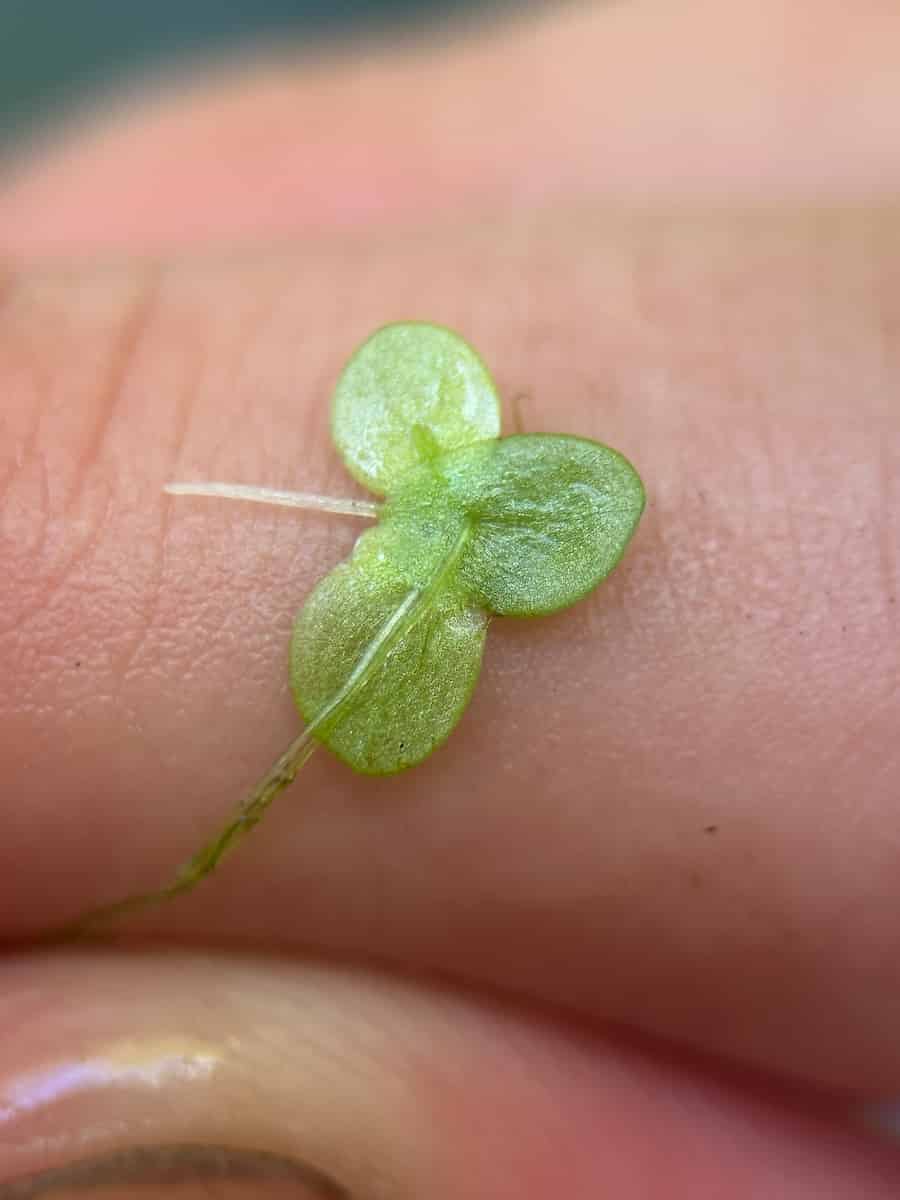
Duckweed fronds are up to 8mm long and maybe 5mm wide. They’re not leaves in the strict sense, but flattened green bodies that blur the line between leaf and stem. A plant might carry up to four of them, plus roots a couple of centimetres long if it's really pushing it. When it flowers, the bloom is barely a millimetre across, which puts Lemna minor among the smallest flowering plants on Earth. At that size you'd think it easy to overlook, but you'd be wrong. It's everywhere, and when it arrives you notice.
Plants of the World Online has it as native to a large amount of the planet, and that makes sense when you look at where it lives. Duckweed doesn’t need a specific soil, or hillside to grow. It lives on the surface of water, using its fronds as floats, which have air pockets, as floats.
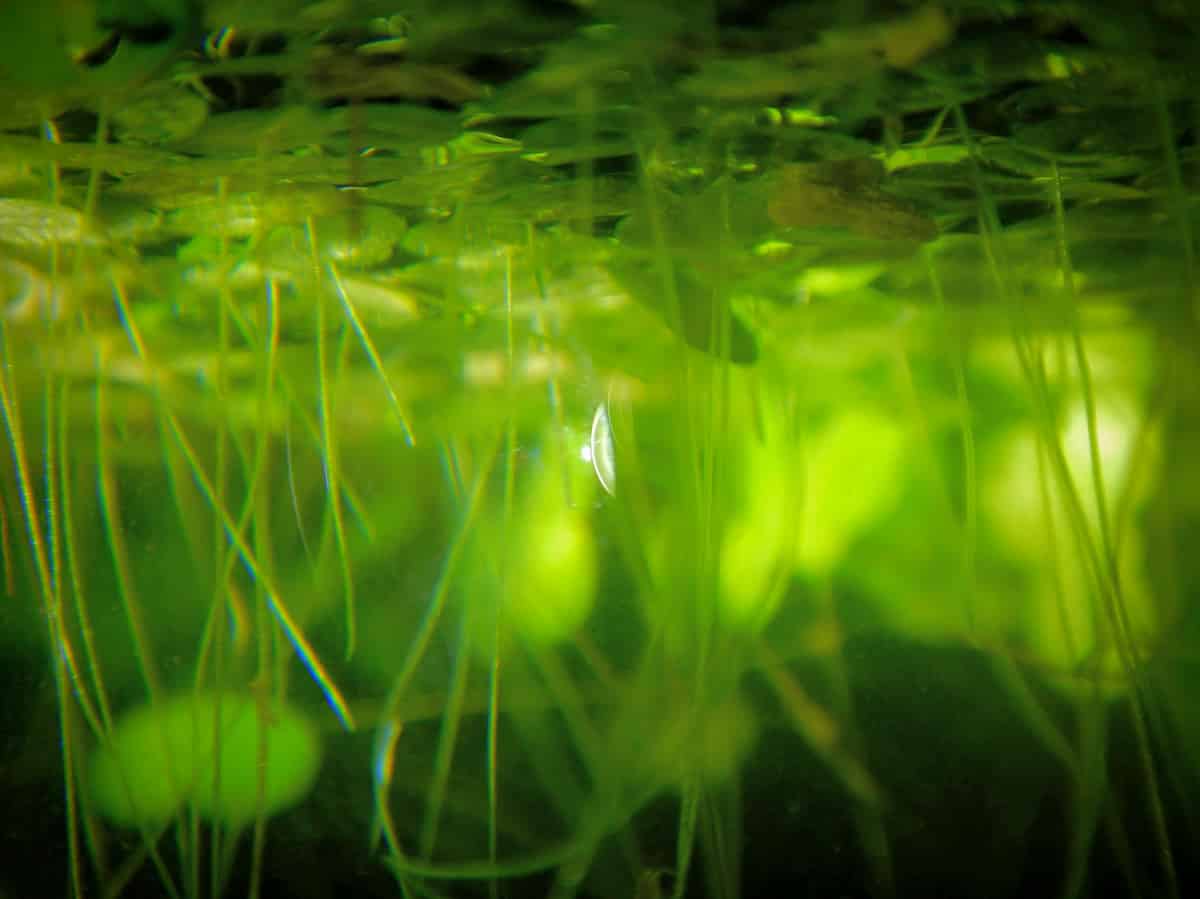
This habitat means that pretty much anywhere on Earth can host duckweed, if the plant can get there. Transport is not a problem for the plant, which can hitch a ride on waterfowl to colonise new ponds. Once it arrives, even a single plant can take over the new site. That’s because it doesn’t rely on seeds to reproduce.
Instead, when a duckweed grows enough fronds, one of them will split off, taking a root with it. So rather than waiting for a pollination, seed, germination cycle to run, duckweed simply clones itself. And it’s very good at it, taking two to four days to double its biomass.
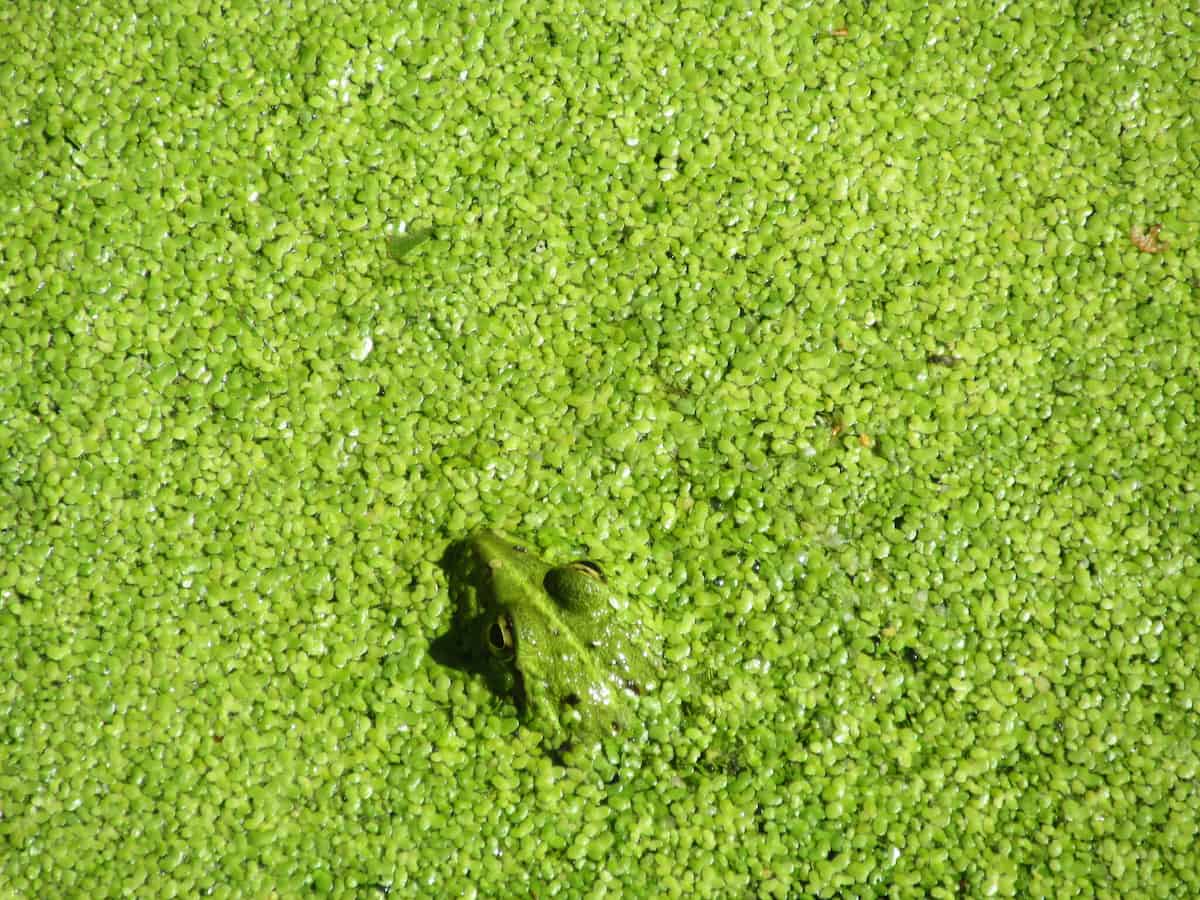
This sounds like a pain for anyone wanting to keep their pond duckweed-free, but it’s also a great opportunity. Their ability to grow rapidly makes them potentially a fantastic crop for offworld missions, if astronauts are equipped with duckweed recipes. They’re also very good at picking up toxic chemicals from water, which may make them an effective way to clean problem sites. There’s also potential use as a biofuel.
For something botanists name minor, it has an extraordinary talent for being anything but. Curse it in your pond if you like, but the plant that clones itself into a nuisance is the same one that could keep people fed, fuel our economy and clean up the mess we've made of the planet. Small, everywhere, and quietly indispensable.
Cover image: Lemna minor by Fazakas Bendegúz / iNaturalist CC BY-NC