
Birdwatchers will go to extremes to sight a rare bird, but a team of ecologists, Case and colleagues, have gone further, observing birds that are now extinct. Their work examines relationships between plants and their bird pollinators. By studying how birds interact with lobelioids, plants in the Campanulaceae (Bellflower family), in Hawaiʻi, they have been able to see where the relationships are missing. These relationships have been tracked to extinct birds, but rather than casting shadows on the living world, their disappearance is lost in the bustle of the birds that remain, making do with the flowers they find.
The story of the lobelioids starts around thirteen million years ago. This is when what biologists call a “radiation event” happened. The common ancestor of Hawaiian lobelioids started working with nectivorous birds. These birds, in exchange for nectar, probed the plants’ flowers and started exchanging pollen between plants.
The birds had different bills, so could access different flowers with more or less ease. This probably caused the plants to diversify as they became more successful in attracting specific birds, and so now we have many genera, including Clermontia, Cyanea, and Delissea studied by Case and colleagues. These are shrubs and small trees, so the generation span is relatively long, and adaptation slow, but they had geological time to work in, to develop their relationships. At least till humans arrived.
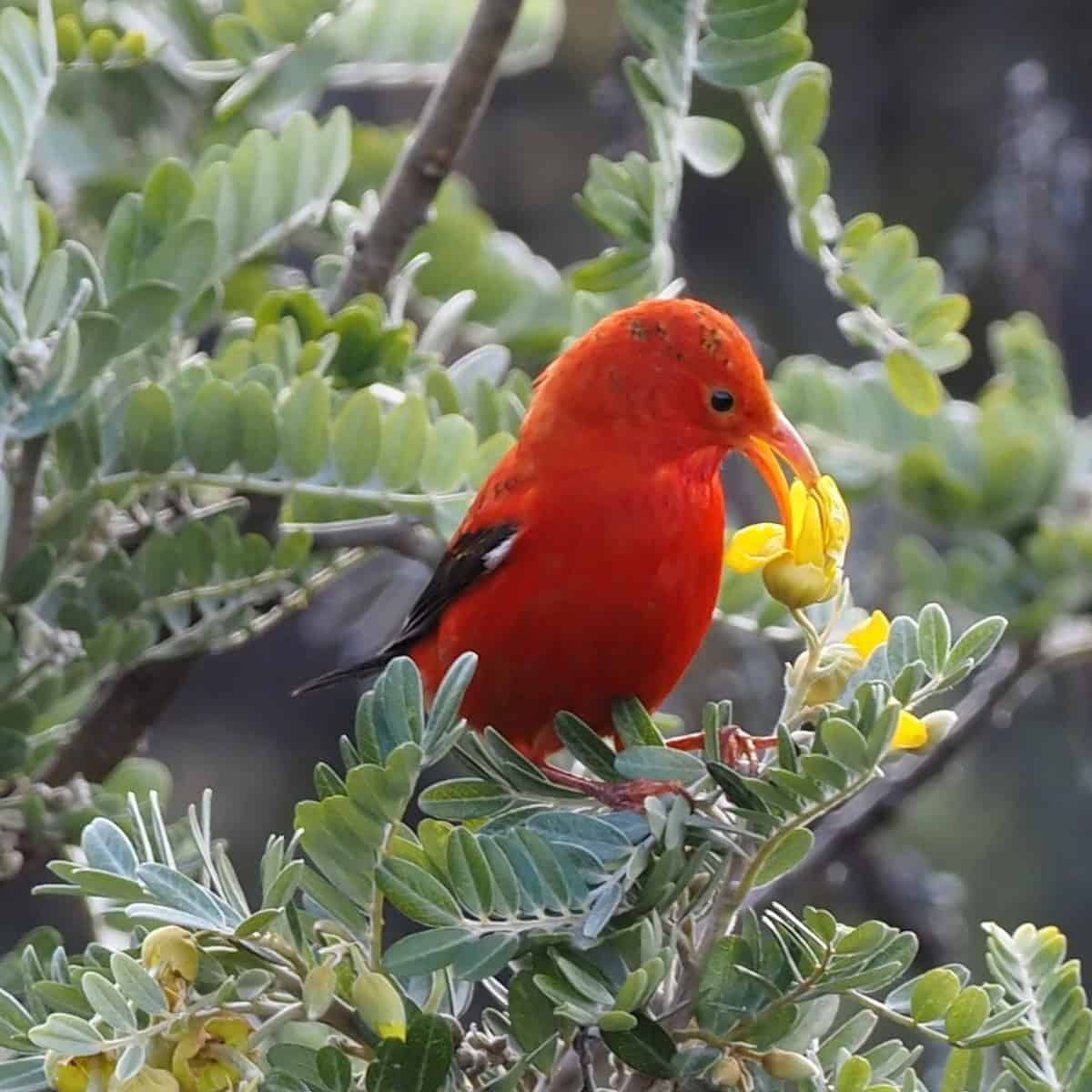
The first extinctions probably started with the arrival of Polynesian settlers, but the degree of the first impact is contentious. However, there is agreement that the arrival of Europeans only made things worse for the birds. Now the islands are lacking many birds, in particular many long-billed species. Introduced species of bird tend to be short-billed and so not able to fill the same ecological niche. If you want to see how plants interact with living birds, you can sit and watch them, but how do you account for the species that have become extinct?
You head to the museum.
Case and colleagues examined both current birds and historical records. The paper has some eerie bird heads with various bills of different shapes and sizes, and no eyes for any of them giving them a zombie look. It’s grim, but it allowed for the ecologists to examine, island by island, 194 specimens and how they related to 97 species of lobelioid. For each island, they measured the bills and compared them to each flower to see how well they matched.
They found that the historical population of birds was better matched to the plants than the modern survivors. Then they examined 28 bird-plant pairs making a total of 3675 interactions to see what the difference or match between bill length and flower means.
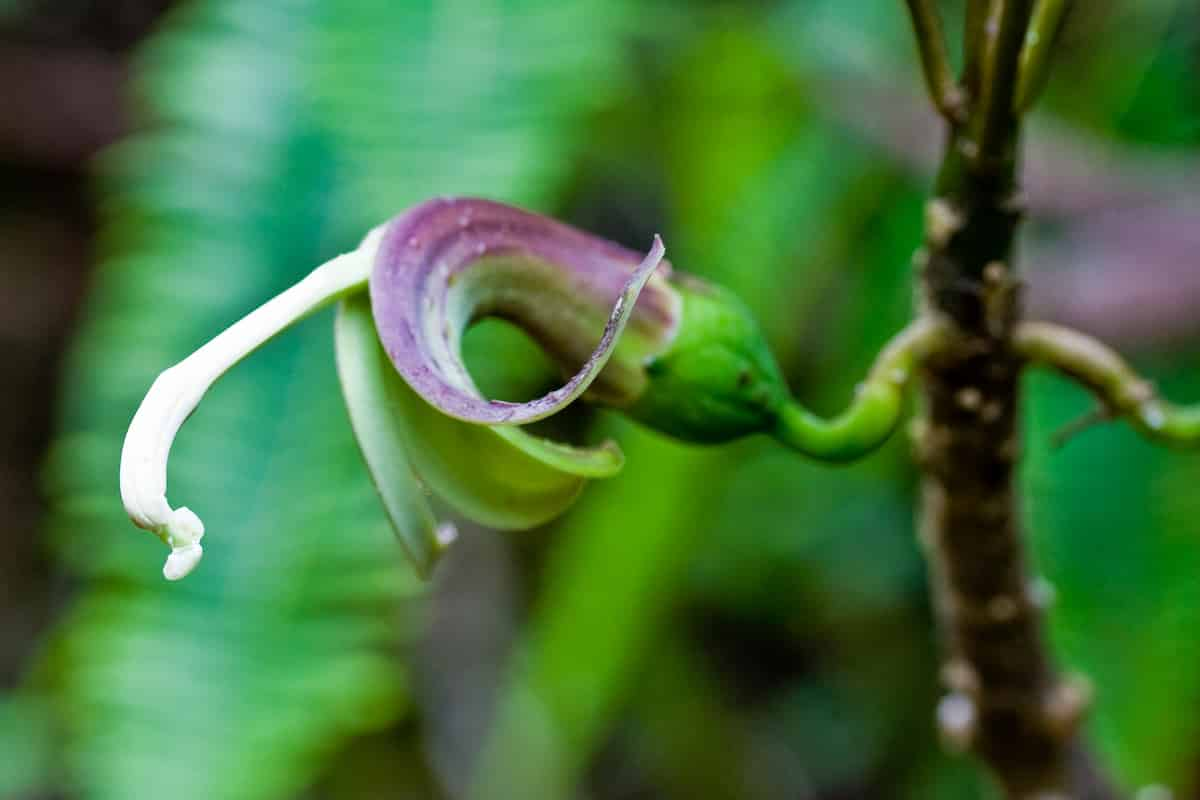
They found two results. The closer the match between bill length and flower depth, the more likely it was that there would be pollen lifted from the flower. They also found that a closer match meant it was less likely the birds would peck at the base of the flower and nectar rob. So what happens to the plants that build flowers for specialised visitors that will never come?
Perhaps over thousands of years evolutionary pressures will steer flowers in the direction of short-billed birds, or steer the bird bills longer, but that’s not what’s being observed now at the human timescale. Instead the ecologists see an increased mismatch in bill lengths. This should lead to more negative interactions, such as nectar-robbing. This sounds like bad news for the plant to me, but in fact it might merely be an annoyance for other birds. Case and colleagues note that this kind of damage can reduce nectar production but, in another paper, they find that it doesn’t necessarily reduce seed set for a flower.
What Case and colleagues have found is that when a pollinator disappears, there isn’t a simple absence of interactions. The activity isn’t happening around a space occupied by ghosts of pollinators past. Instead, the survivors of the extinctions remake their relationships anew. So to understand the change happening, you need to understand what has been lost. That’s especially important on islands where change can be rapid.
READ THE ARTICLE
Case, S., Hagemann, M., Drake, D., Postelli, K., Pender, R., Millikin, P., and Rico‐Guevara, A. (2026) Bird extinctions shift bill–flower trait matching in Hawaiian lobelioids. Functional Ecology, 40(9), pp. 2972-2981. Available at: https://doi.org/10.1111/1365-2435.70415.
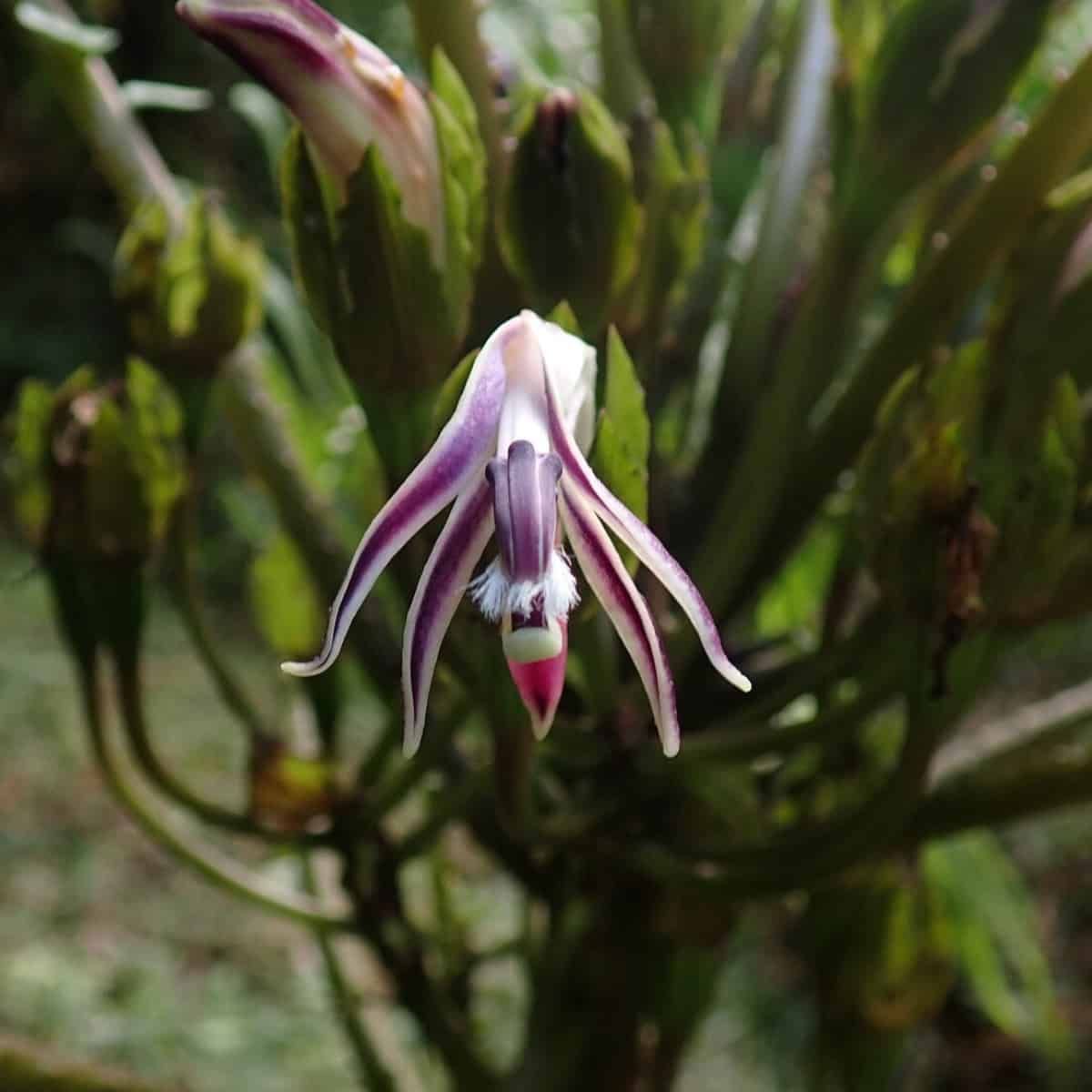
Cover image: Cyanea grimesiana by Quinn Campbell / iNaturalist Public Domain