
Plants are incredibly diverse, and so are botanists! In its mission to spread fascinating stories about the plant world, Botany One also introduces you to the scientists behind these great stories.
Today we have Dr Chris Thorogood, the Deputy Director and Head of Science at Oxford Botanic Garden and Arboretum. His research focuses on the evolution of plants with unusual life cycles, such as parasitic and carnivorous plants, and looking for answers on big questions about how species arise. This research takes Thorogood to remote jungles, mountains, and deserts around the world.
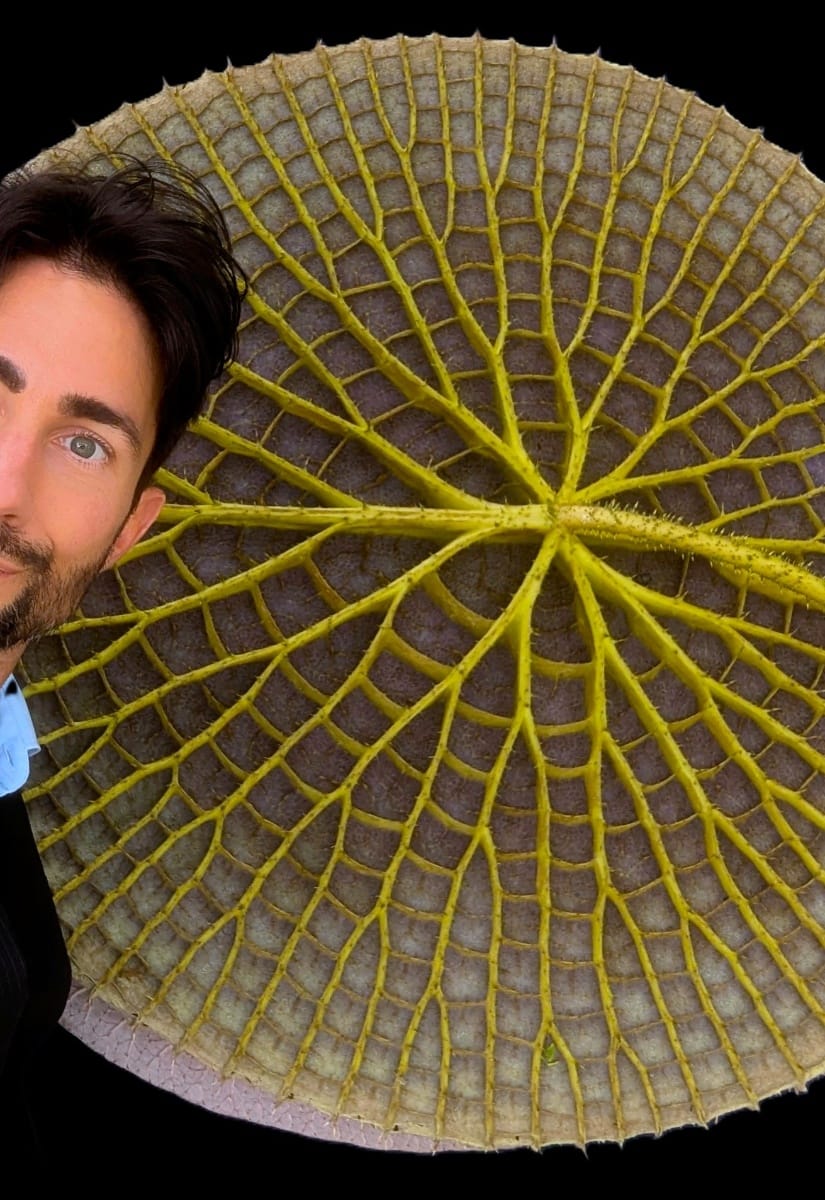
More recently, he is interested in how the plant adaptations I research can be relevant to technology; for example, giant waterlilies can inspire innovations such as floating solar panels. Overall, Thorogood's work combines evolutionary biology, field research, conservation, and applied science. Moreover, he is passionate about connecting people with plants, and hopes to do so through writing and illustration.
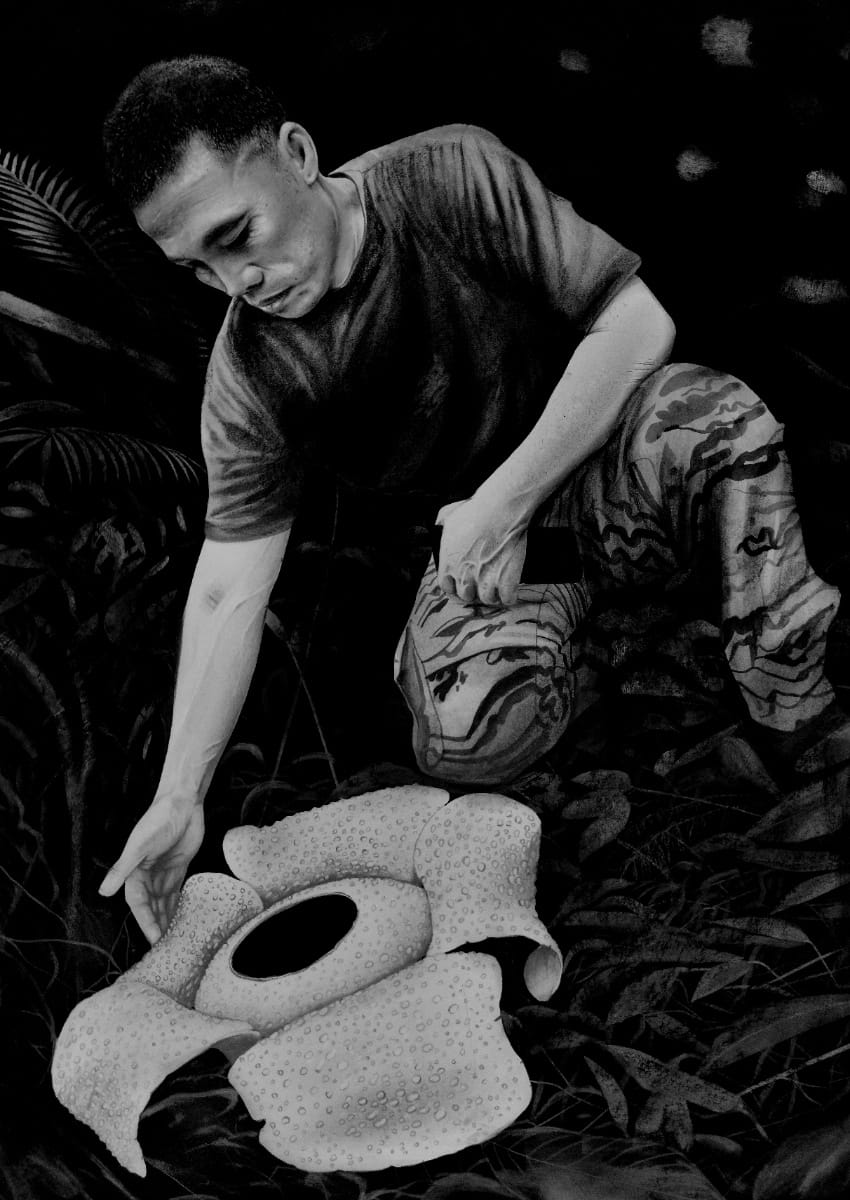
You can follow his work on Instagram and learn more about his recent book "Pathless Forest: The Quest to Save the World's Largest Flowers".
What made you become interested in plants?
I’ve always loved plants. For as long as I can remember, I’ve held an innate fascination for them. In fact you might say I’m obsessed with them. When I was a kid, my bedroom windowsill was a jungle of cacti, succulents and vines that jammed the curtain poles and hung from the ceiling. I documented them all carefully, scribbling and illustrating them on my bedroom floor.
Biology was my favourite school subject – I was what you might call a nature nut. I’d look at a living thing and think: how does this work? Science was my favourite school subject – for me it was a way of making sense of the world around me.
What motivated you to pursue your current area of research?
My mission is to shine a light on plants and the work of plant scientists in new ways. I hope that through sharing my adventures into the plant world I can inspire people with a career that is as important as it is inspiring. As a botanist and an artist, if I can help foster a greater care and attention for plants and their plight, even in some small way, then I am happy. This is what motivates me.
What is your favourite part of your work related to plants?
My favourite part is mixing up disciplines. This might be, for example, using physics to answer questions about biology, or using art to communicate plant science.
Art and science are both lenses through which I make sense of the natural world, even if they seem at odds. Science asks questions. These might be, for example: where does this species end and another begin? Why is this pitcher plant larger than that one? My research probes deeper into the lives of plants in addressing questions such as these. These are the questions that keep me awake at night.
Art and illustration complement the science. Although we live in an era of digital photography, illustration has always been important for preserving knowledge about living things. The archives of museums and herbaria hold millions of artworks from illustrators and natural historians, including the original illustrations accompanying the description of new species, which have intrinsic historical and scientific as well as artistic value.
Some of my work seeks simply to capture the beauty of the natural world, and nothing more. In other cases, there is a specific purpose, for example, an illustration I might produce to accompany the description of a species new to science.
Are any specific plants or species that have intrigued or inspired your research? If so, what are they and why?
The pitcher plant (Nepenthes). My research with physicists and mathematicians shows the specialised, grooved surfaces of this plant drive insects into its trap in a highly directed and controlled way. Examining such processes can inform technology. In fact, our understanding of how to manipulate and control liquids in technology has been transformed by examining the functional surfaces of living organisms. Water-repellent lotus leaves, water-collecting wing-cases of desert beetles, and water-removing gecko skin are all organisms that have inspired solutions to challenges in liquid-manipulating technologies. Such adaptations can be applied to technologies in rainwater harvesting and anti-fogging, and microfluidic devices – miniature systems that manipulate tiny amounts of fluid which are used in medicine and diagnostics.
To me this pitcher plant represents a living cosmos of possibilities: it is a model system for understanding plant-animal interactions in nature; it is a nexus for research across disciplines – biology and maths for example; and, from the perspective of advancing technology, it harbours secrets. My job is to help disclose them.
Could you share an experience or anecdote from your work that has marked your career and reaffirmed your fascination with plants?
“I’ve chased plants for as long as I can remember: I’ve learned the language of them, how to read the land with them and how to speak to its people through them. Knowing plants lets you see a place differently, read the forest’s mind, and listen to the mountain.”
CJ Thorogood, Chasing Plants, 2021.
What advice would you give young scientists considering a career in plant biology?
There isn’t one way to do it. I thought there was once, and I was wrong. If you love plant biology, find the way that works for you. It’s worth waiting for.
What do people usually get wrong about plants?
People might think that plants aren’t relevant to them. But plants hold many of the solutions to our global challenges: they absorb carbon dioxide and help regulate the climate; they help prevent flooding, soil erosion and landslides – protecting communities from the impacts of extreme weather events – and they are crucial for food security. Put simply we can’t live without them. Yet two in five of the world’s plant species face extinction. We need to do a better job of understanding and protecting them.