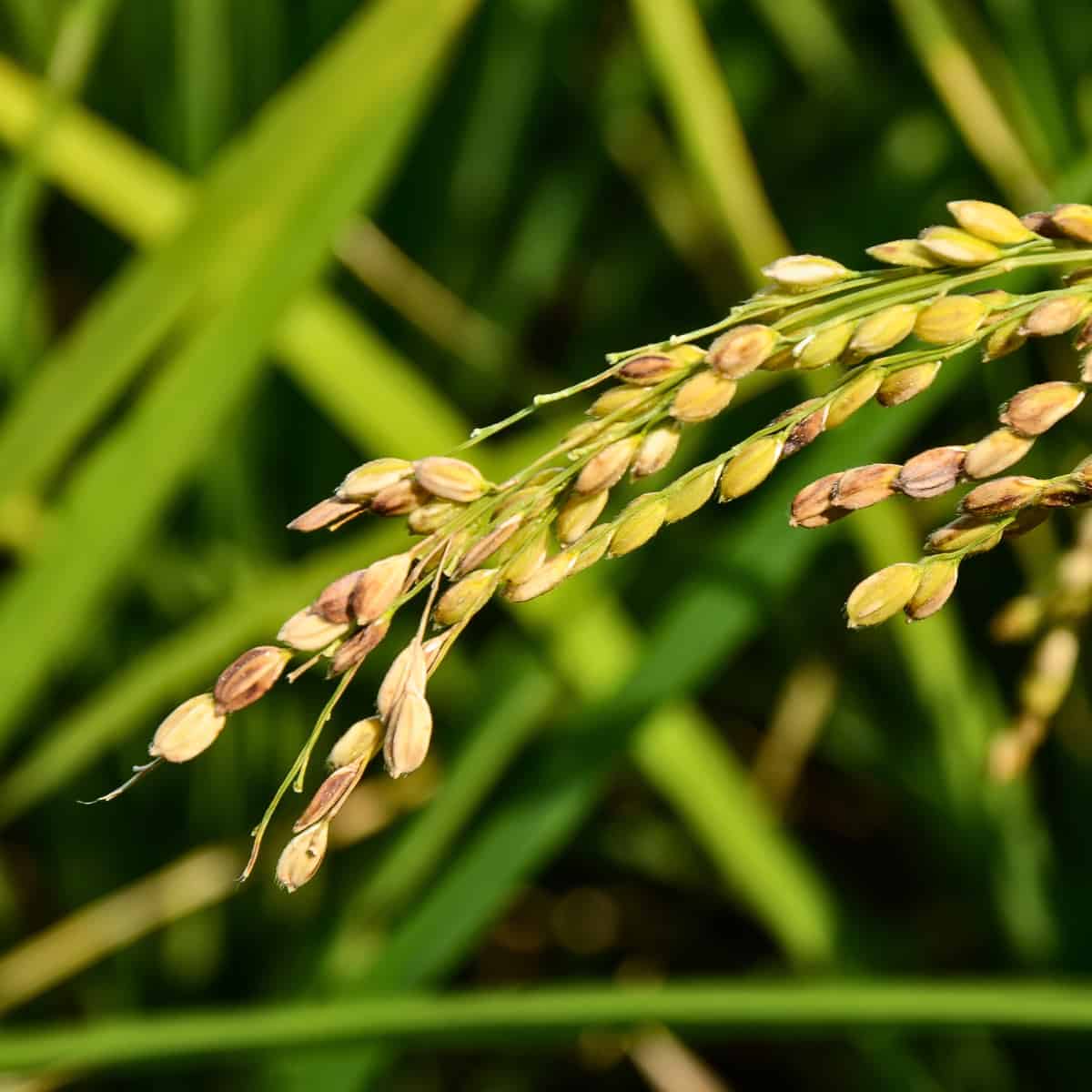
Some rice plants have evolved special flower traits to fertilize themselves instead of relying on the wind, helping them survive and reproduce more easily.
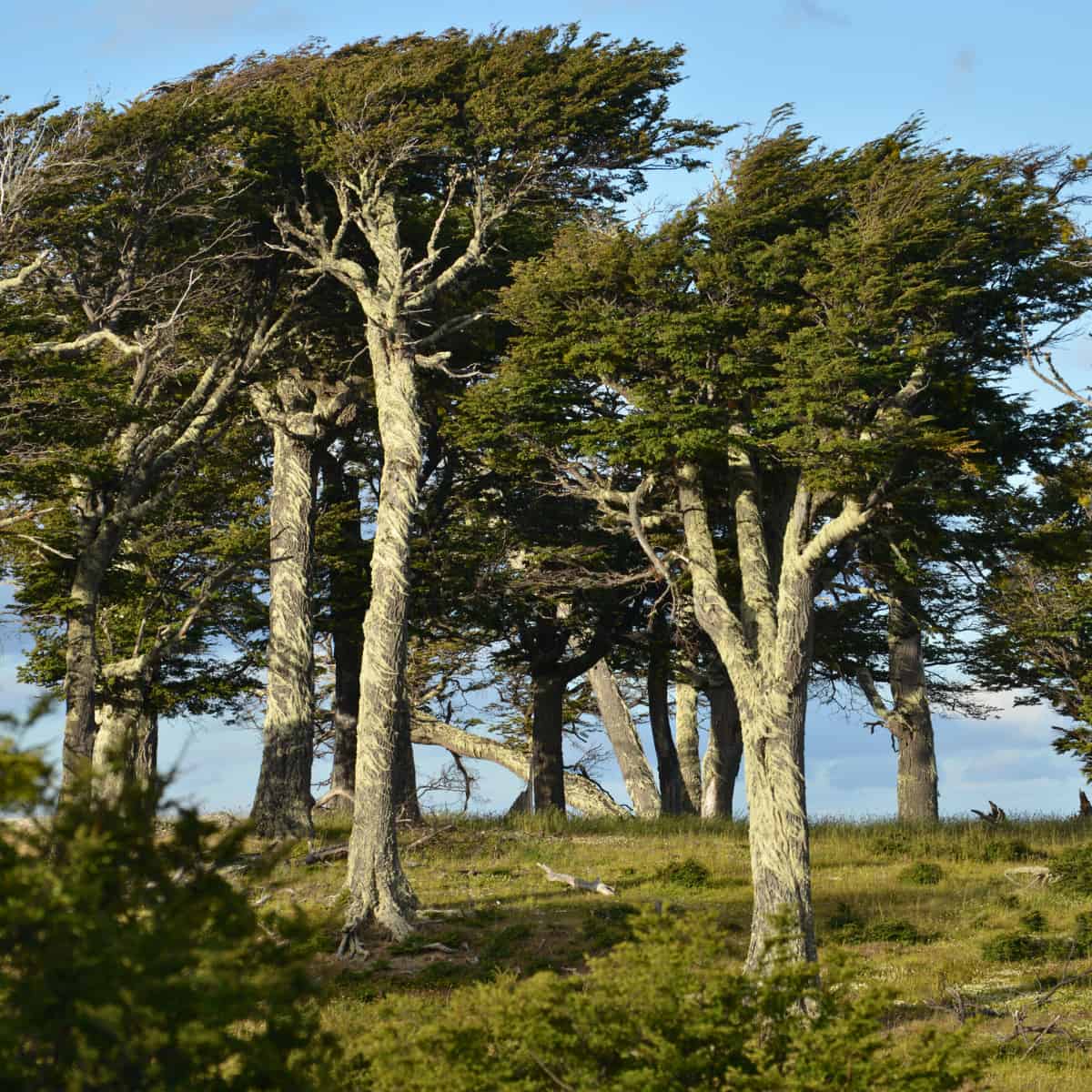
Scientists found that rising temperatures can mess up the internal clocks of trees, making it harder for them to survive and grow, especially for those living in colder areas.
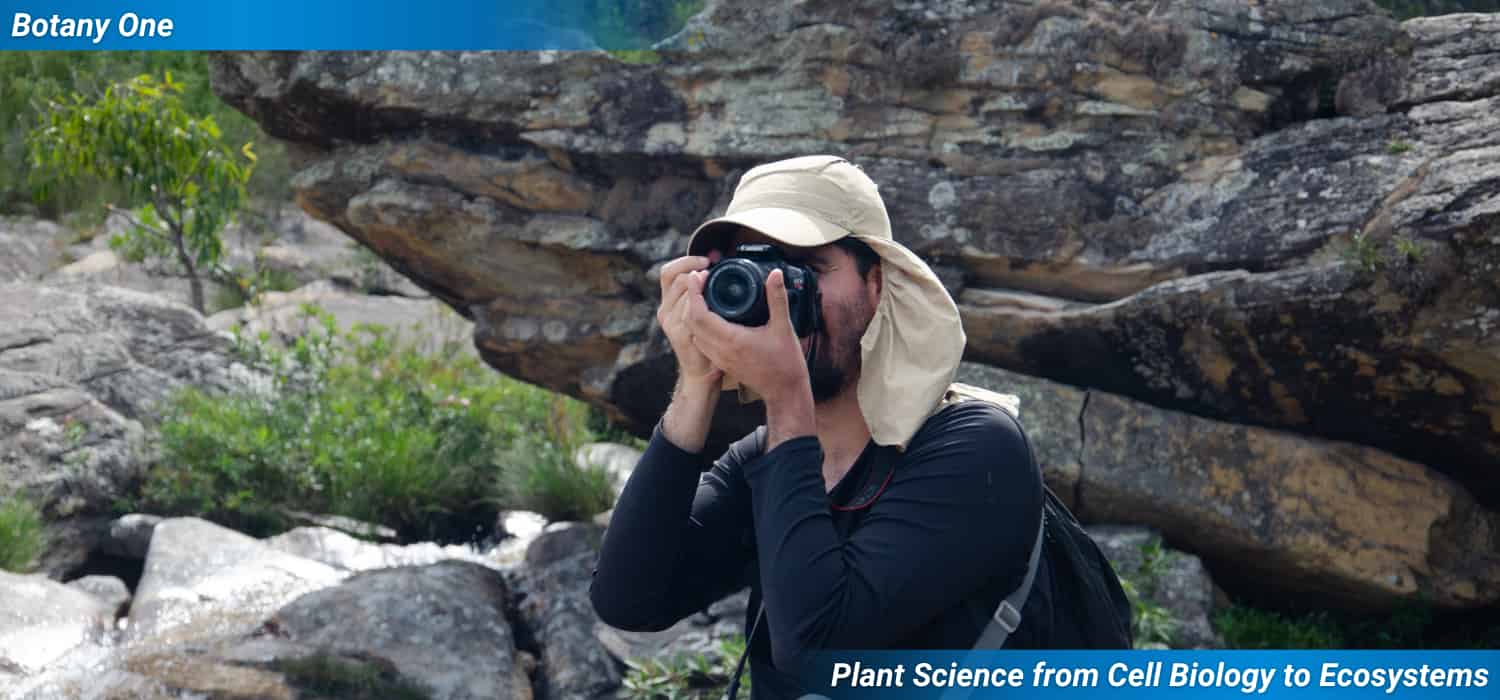
Plants in Brazil’s rocky landscapes have evolved remarkable seed traits that help them survive harsh conditions, responding to light, temperature, and fire to thrive in these ecosystems.
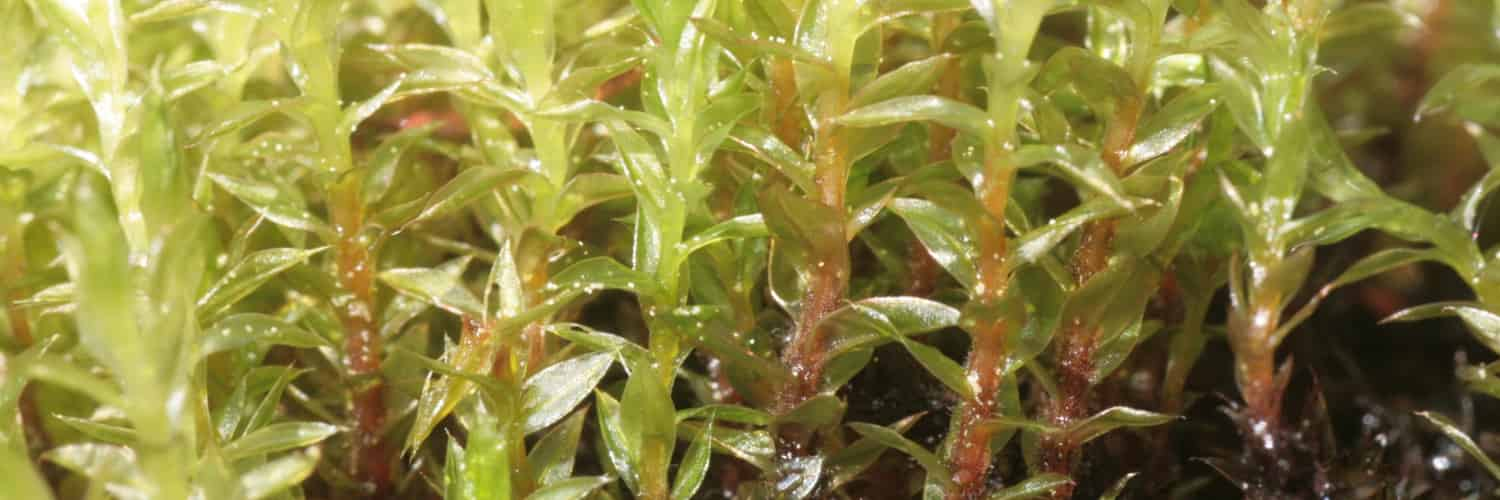
New research shows Antarctic moss can grow and survive in freezing, harsh conditions by using special fats that keep its cells flexible, helping it cope with extreme cold and other stresses.
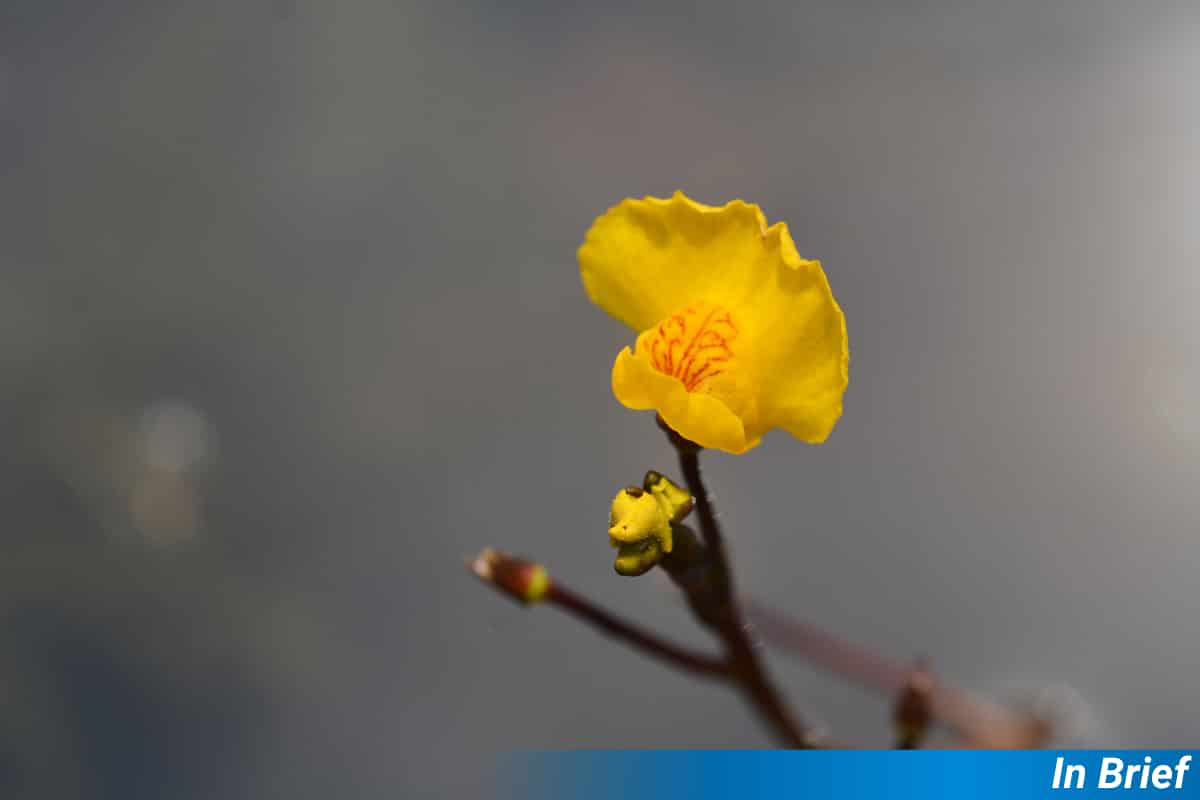
A mutation affecting mitochondrial efficiency of carnivorous plants’ cells helps them survive but also causes their DNA to get smaller over time, making their genomes some of the tiniest in the plant world.
A new study shows that higher temperatures could seriously hurt plants’ ability to reproduce by damaging their pollen and reducing fertilization success, threatening both wild plant populations and crop yields.
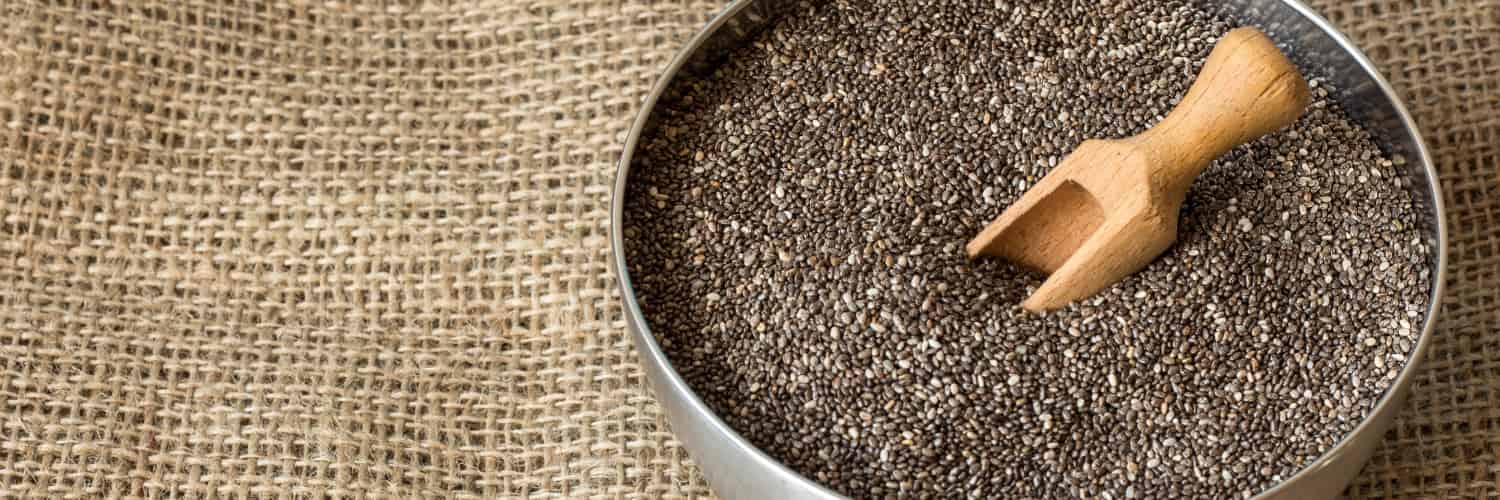
Scientists are studying chia seeds closely using genetics to understand what makes them so healthy, hoping to use that knowledge to make chia and other foods healthier.
Scientists found that plants growing in the city make more self-pollinating flowers and have seeds that sprout and grow faster compared to their country cousins, showing how urban life is secretly changing plants over time.
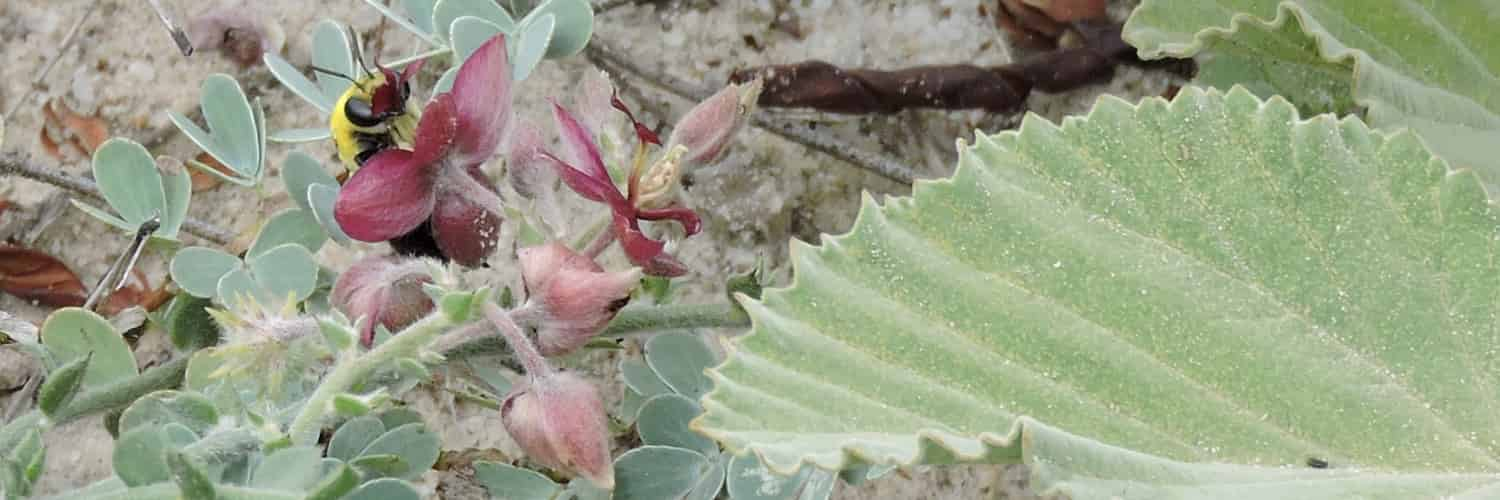
A new study found that the way bees collect oil from flowers affects which flower traits are favoured in different places, helping explain why similar plants living far apart can evolve distinct characteristics over time.
A new study found that seeds from different orchid species could stay alive and ready to grow for over 10 years even when stored in a deep freezer, showing that saving orchid seeds for the long term in seed banks is possible.