
Growth & Development
Maize is better when it’s hairy
Root hairs help maize take up phosphorus from the soil.



Writer
Alun (he/him) is the Producer for Botany One. It's his job to keep the server running.
Growth & Development
Root hairs help maize take up phosphorus from the soil.
Cells, Genes & Molecules
What interacts with IDD10 to manage ammonium uptake in rice? New research points to CIPK9.

Close Encounters
Invasive species might suffer from a change in conditions in tidal areas, but their hybrid offspring may have genes to survive.
Cells, Genes & Molecules
Foraging for nutrients is easier when something else does it for you, but how can tomatoes better attract a partner?
Close Encounters
A new study of wild crop relatives of common bean (Phaseolus vulgaris) finds they retain useful adaptations to drought stress.

Taxonomy & Evolution
In the caves of Quintana Roo, there are not only stalactites hanging from the ceiling. There are tree roots too, but the roots of which trees?
Cells, Genes & Molecules
What makes a plant tall? Scientists think it may be connected to a gene involved in responding to the hormone Auxin.

Growth & Development
In oilseed rape (Brassica napus) bzh dwarf plants have improved nitrogen (N) uptake, N-utilization and N-use efficiency compared to normal types. Is this due to their shoots, or do roots play a role?

Cells, Genes & Molecules
Drosophyllum lusitanicum, also known as the Portuguese sundew or dewy pine, is unusual even for carnivorous plants in that it lives in dry environments. Typically, carnivorous plants live in nutrient-poor wetlands, so does it really gain much from carnivory?
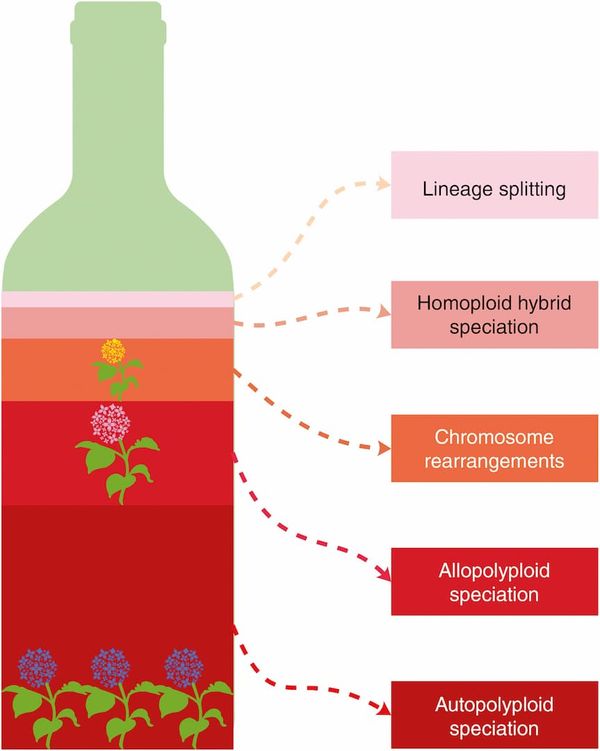
Taxonomy & Evolution
…as in not tall, rather than apocalyptic.

Cells, Genes & Molecules
How do plants adjust their body plan to cope with high-temperature stress?
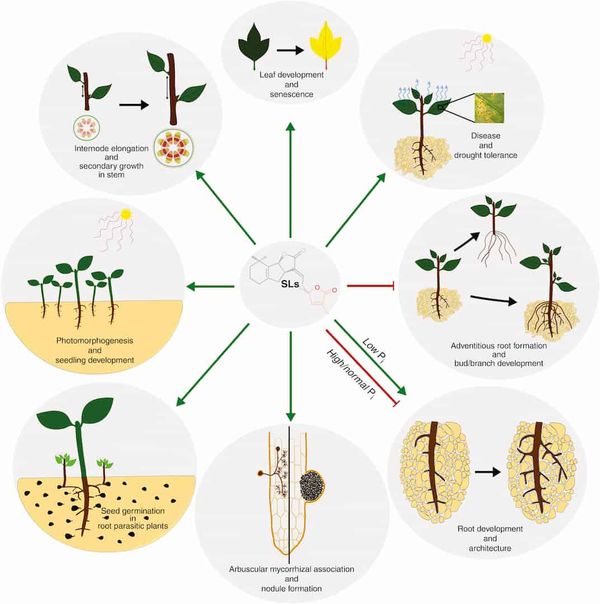
Cells, Genes & Molecules
Strigolactones are interesting phytohormones in their own right, but Luke Omoarelojie and colleagues say we should be looking at cross-talk with other hormones too.