Cells, Genes & Molecules
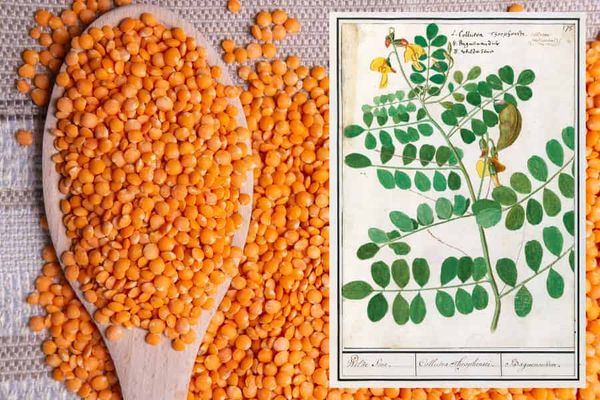
The reason domesticated lentils are fussy about their lighting is in their genes
A comparison with wild lentils highlights how gene expression varies when light shifts from red to near infra-red light.



Writer
Alun (he/him) is the Producer for Botany One. It's his job to keep the server running.
Cells, Genes & Molecules
A comparison with wild lentils highlights how gene expression varies when light shifts from red to near infra-red light.
Cells, Genes & Molecules
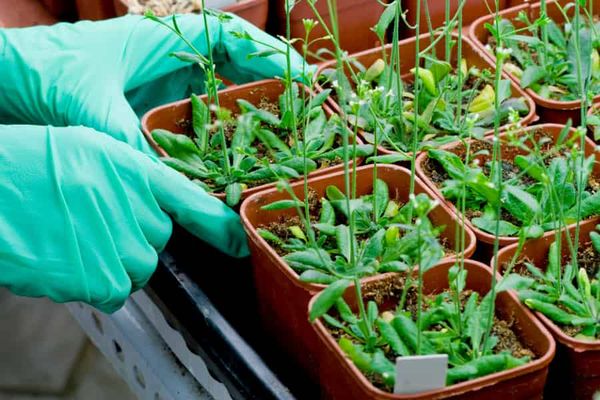
Though the experiment was limited to two genotypes of a single species, these findings support the idea that whole genome duplication can indeed increase plasticity.

Close Encounters
A twenty-year survey in western Canada shows how deer can obscure other ecological effects in forests.

Taxonomy & Evolution
A one-size-fits-all estimate of leaf area has drawbacks if not all your leaves are the same shape.
Cells, Genes & Molecules
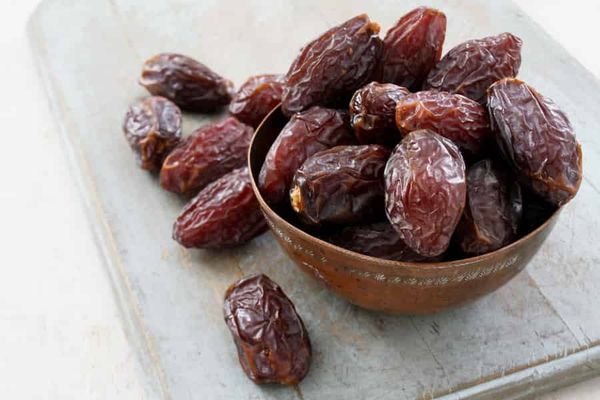
By tracking how cell walls were loosened, a team has been able to show which enzyme is helping fruit ripen.
Ecosystems
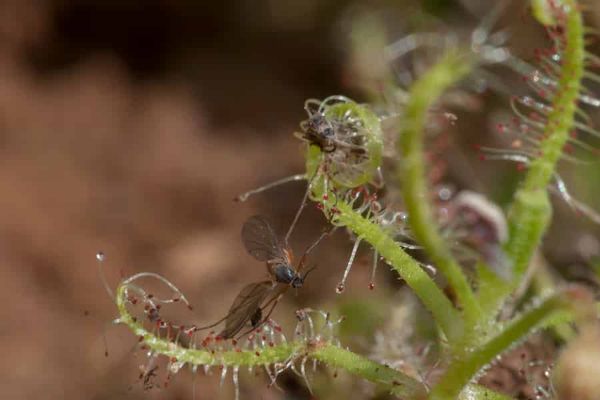
Some sundews are hungry like the wolf

Growth & Development
A reduction in height but an increase in tillers suggests that wheat may benefit from a little mechanical stress.
Cells, Genes & Molecules
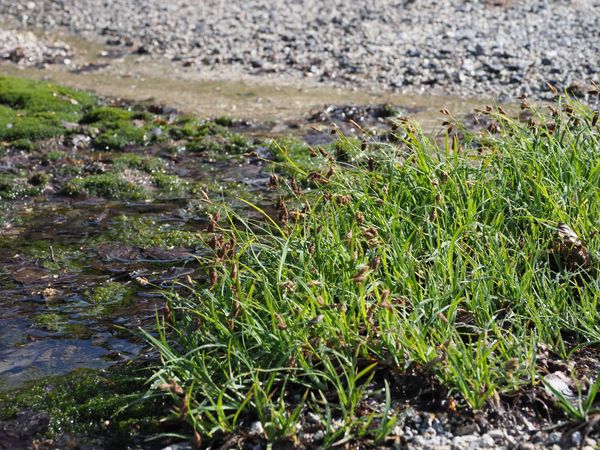
It’s the hostile habitat that keeps these Carex plants together as a species.
Ecosystems
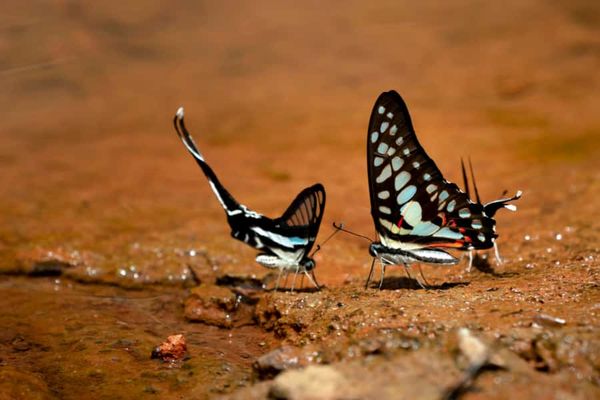
Research shows that patches of flowering plants can provide crucial shade during heatwaves, even in surprisingly small patches.
Taxonomy & Evolution
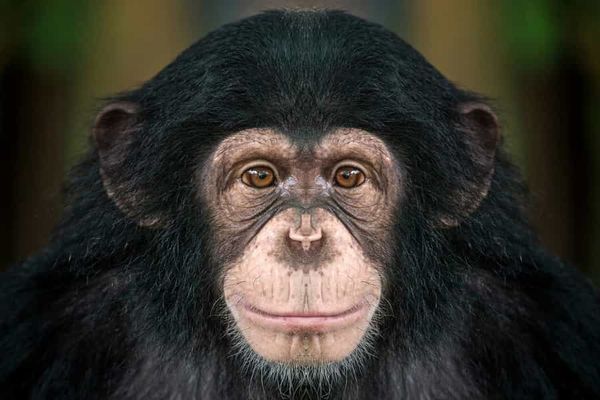
A chimp’s diet can be studied through microscopic opals.
Ecosystems
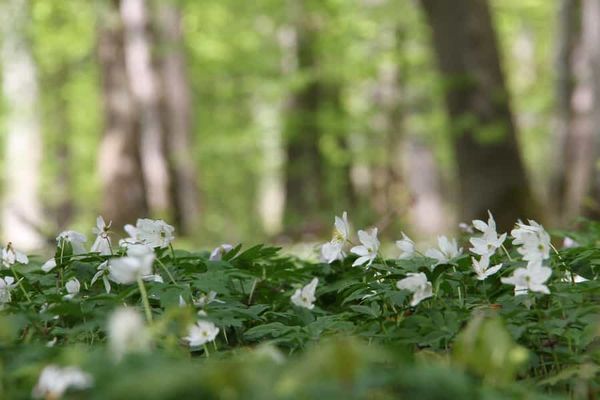
Hedgerows may provide habitat for forest plants to colonise to travel in Europe’s patchwork woodland.
Cells, Genes & Molecules
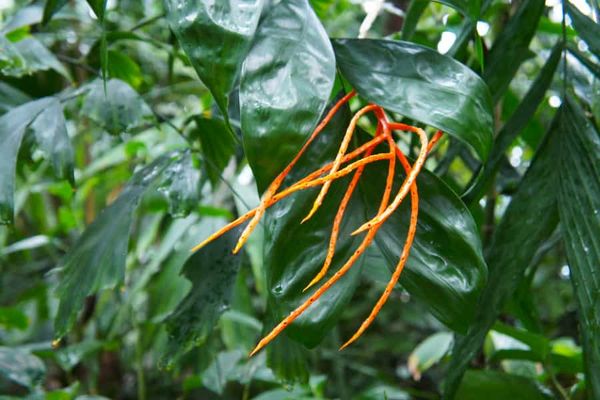
Pacaya palm (Chamaedorea tepejilote) is a plant eaten in Guatemala and Mexico, El Salvador, and Honduras. It’s cultivated, but not intensively. Hanene Hosni and colleagues