Despite the apparent abundance of fruit, the Monoon liukiuense tree on Iriomote Island is at risk due to inefficient seed dispersal, as revealed in research by Ryo Furumoto.
As the climate warms, shifts in temperature and water availability, affects competition and interaction among native and exotic plant species in Southern British Columbia.
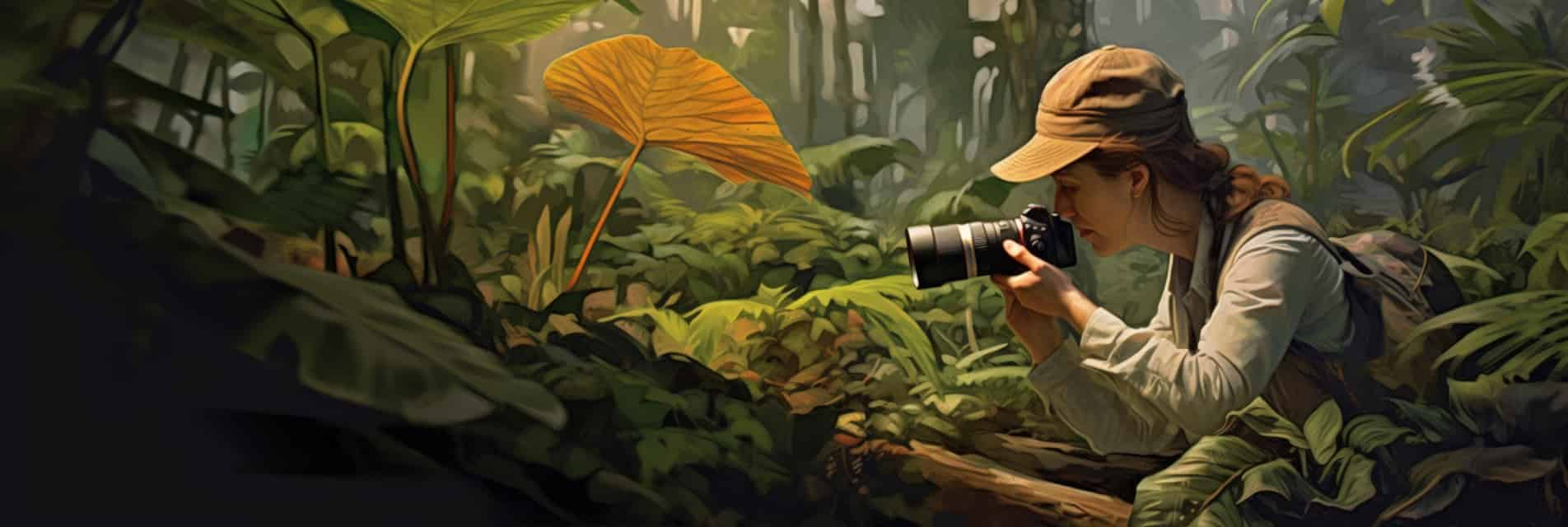
Discover how iPhenology, can use citizen science photo observations, revolutionizing plant phenology research and predicting the impact of climate change on nature’s timing.
As climate change narrows seagrass habitats, a surprising twist emerges – the rise of unique species, challenging our understanding of biodiversity and conservation strategies.
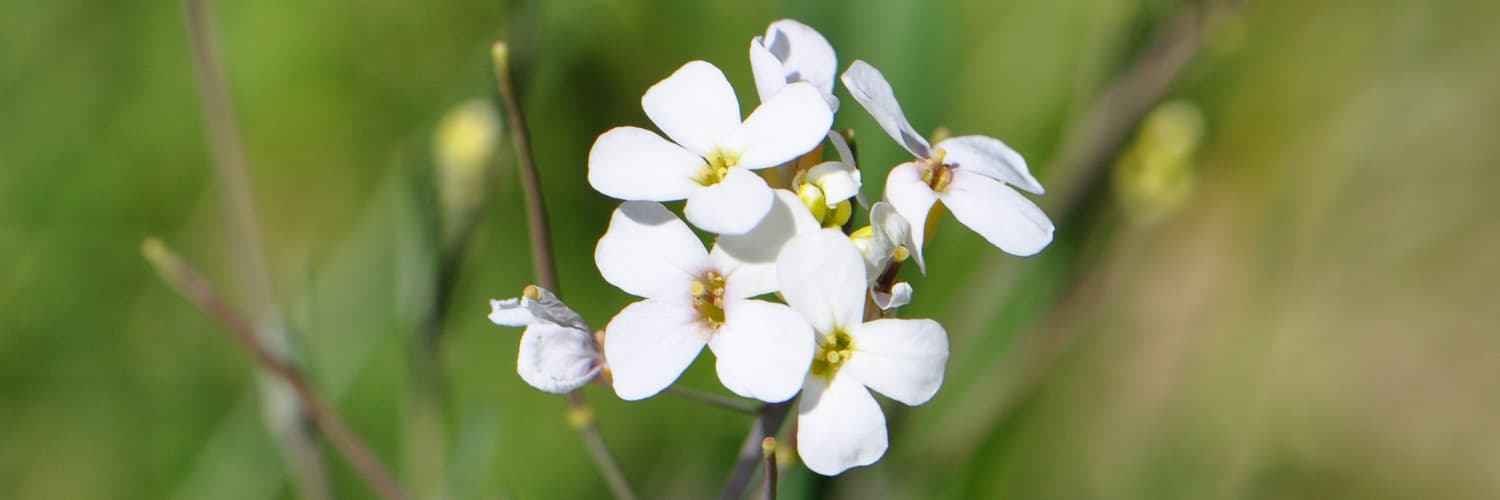
In the world of plants, love is complex, and new research reveals a surprising twist in how some plants overcome their self-incompatibility to self-fertilise.
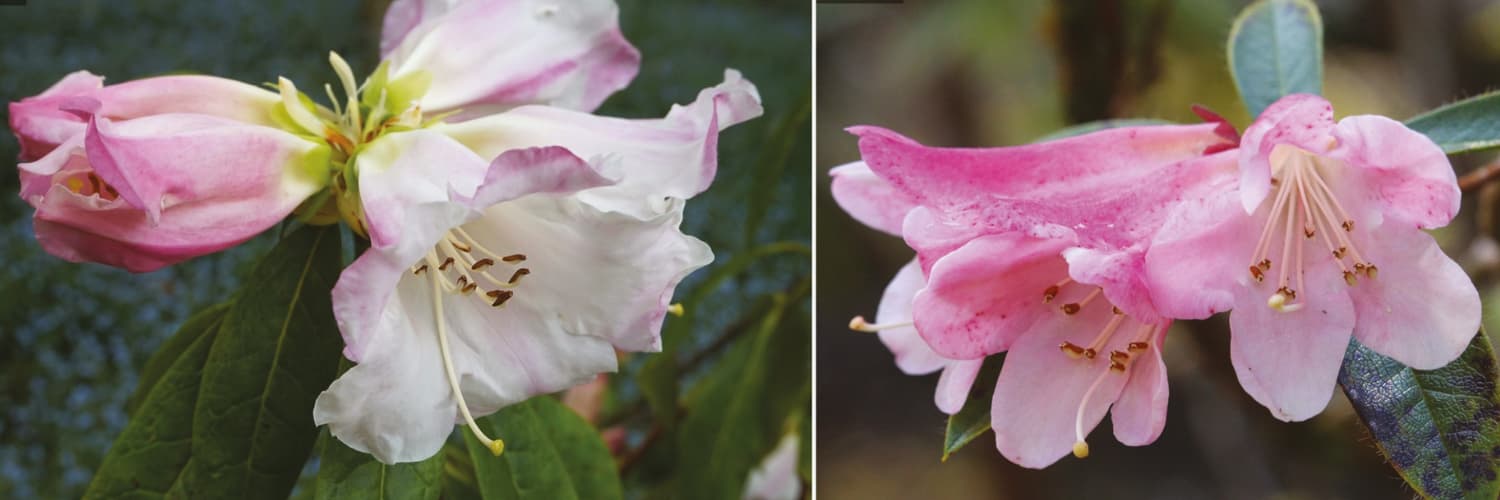
Hu and team reveal a rich diversity of chromosome counts in the Rhododendron genus, potentially reshaping understanding of species diversification and offering crucial insights for biodiversity conservation.
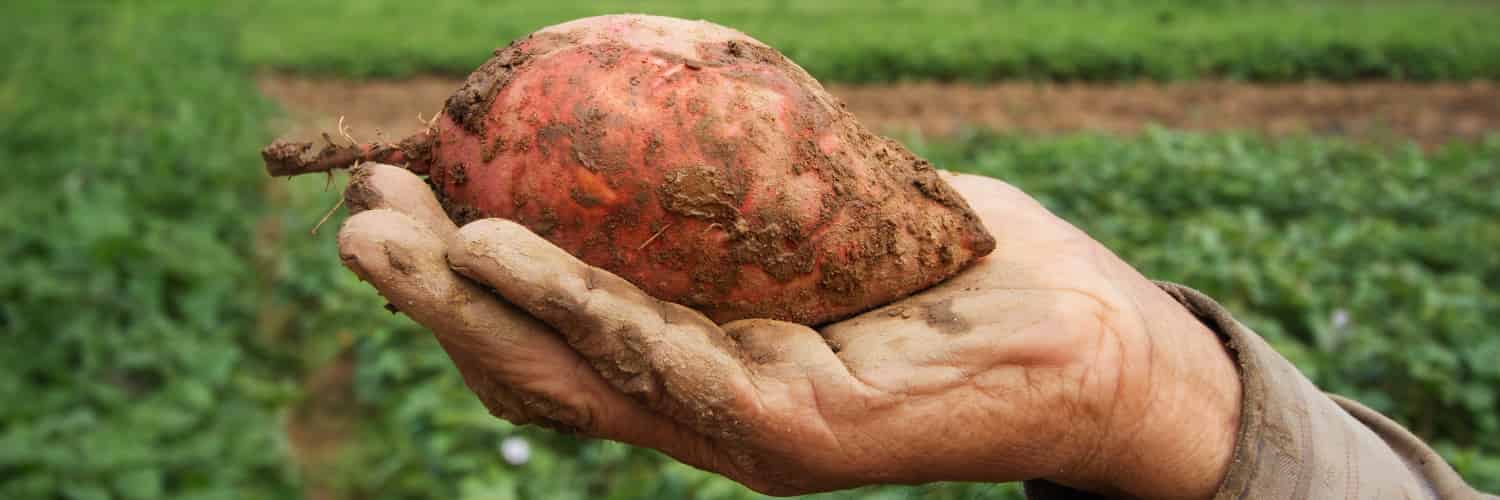
Sarah Mathura’s new study charts a vital path to understanding sweet potato growth and boosting its yield, potentially revolutionising food security in developing countries.
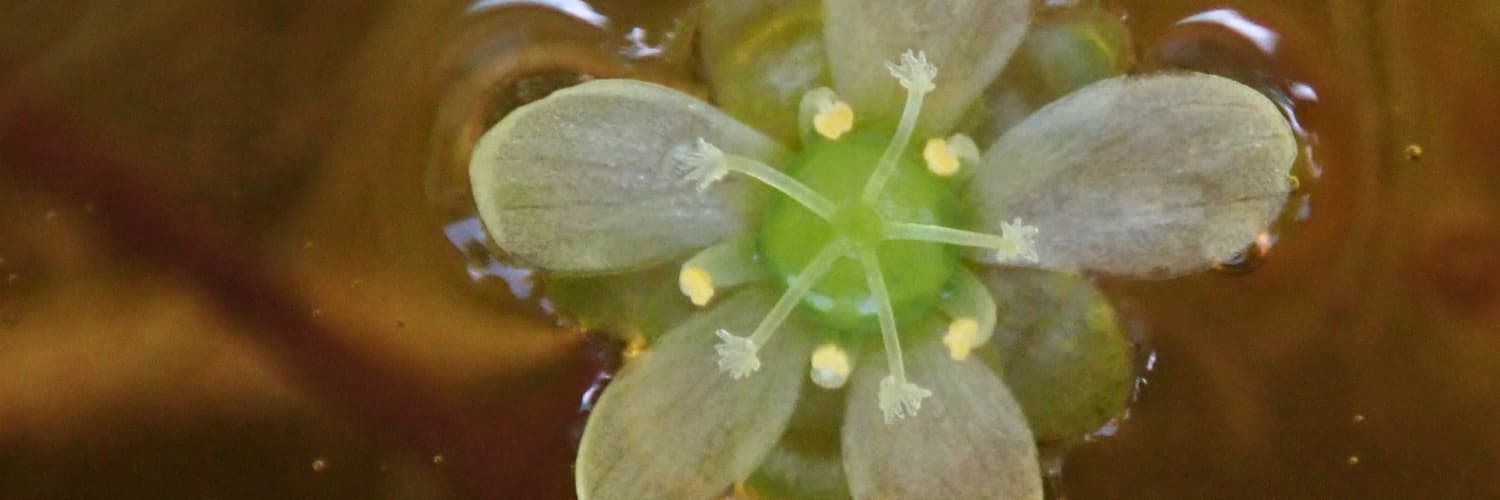
A pond in Ishikawa Prefecture has suddenly produced nearly ten thousand globally endangered carnivorous plants, challenging prior beliefs that the species was extinct in the wild in Japan.