Uncategorized
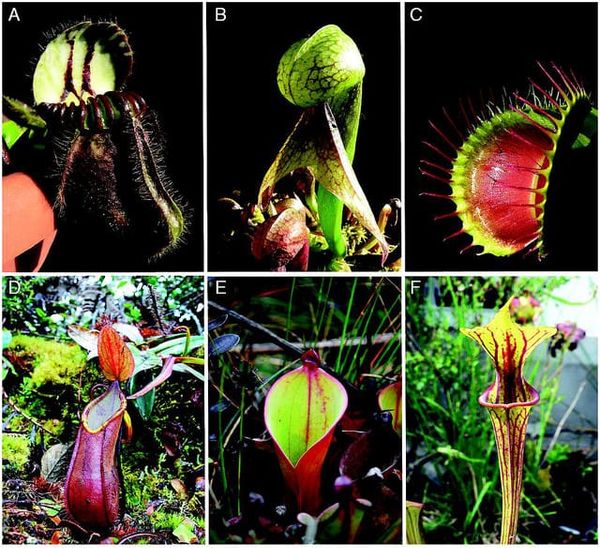
Why are carnivorous plants?
A new paper in Annals of Botany reviews the cost–benefit model for the evolution of botanical carnivores.


Writer
Alan Cann is a Senior Lecturer in the School of Biological Sciences at the University of Leicester and formerly Internet Consulting Editor for AoB.
Uncategorized
A new paper in Annals of Botany reviews the cost–benefit model for the evolution of botanical carnivores.
Uncategorized
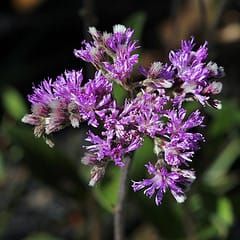
Chrysolaena obovata, an aster of the Brazilian Cerrado, presents seasonal growth, marked by senescence of aerial organs in winter and subsequent regrowth at the end of
Uncategorized
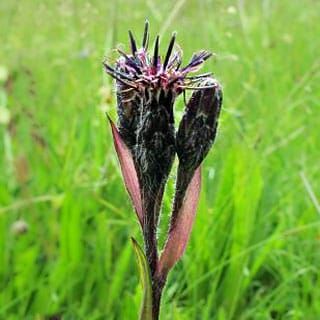
A novel aspect of how climate change might affect plant–pollinator interactions and plant reproduction.
Uncategorized
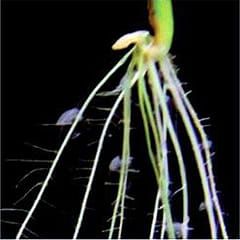
A new study examines the role of plant hormones in mediating production of adventious roots in rice.
Uncategorized
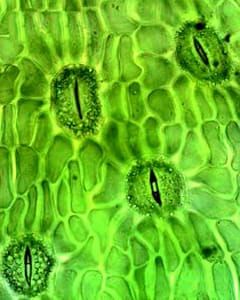
Stomata are one of the crucial adaptations in the evolution of the land flora and the development of the terrestrial landscape and atmosphere on Earth. These
Uncategorized
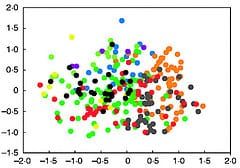
Ecologists broadly accept that the number of species present within a region balances regional processes of immigration and speciation against competitive and other interactions between populations
Uncategorized
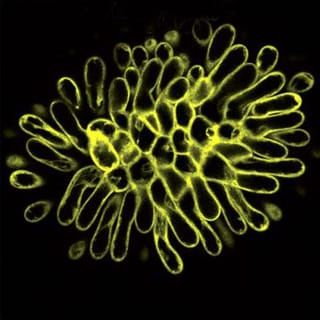
Expression and live-cell imaging of functional versions of the A. lyrata SRKb variant in A. thaliana stigma epidermal cells.
Uncategorized
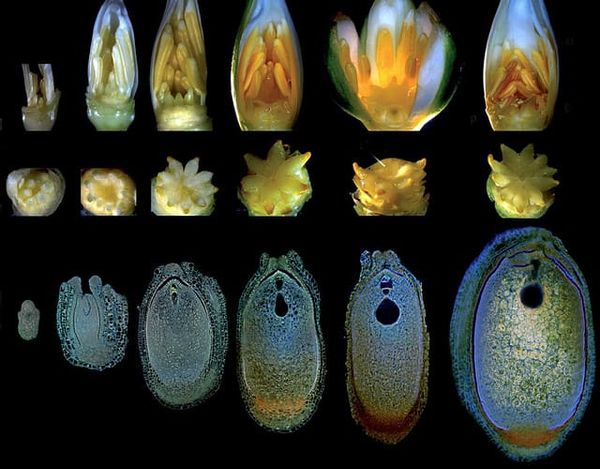
Making water lily flowers and tomatoes – this week in Annals of Botany.
Uncategorized
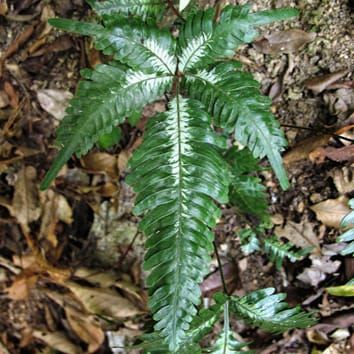
The inferred biogeographic history highlights long-distance dispersal as a major process shaping the worldwide distribution of the genus Pteris.
Uncategorized
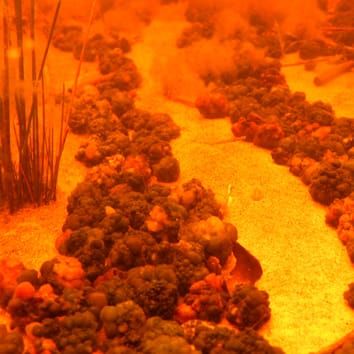
As free-living organisms and as symbionts in lichens, Nostoc species are both pioneers and permanent members of harsh ecosystems.
Uncategorized
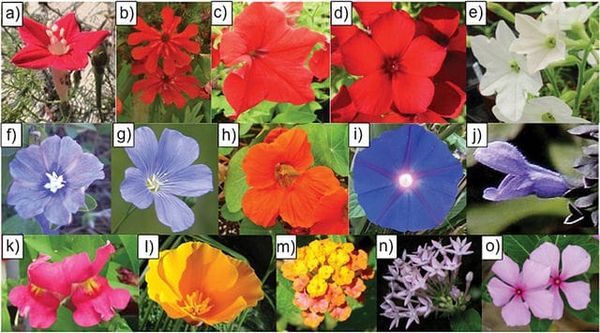
Some good stuff in the recent edition of CBE Life Sciences Education.

annals-of-botany
A review of the origins of the plant functional type concept also addresses the current state of models that use PFTs in northern high-latitude ecosystems.