
Plants are incredibly diverse, and so are botanists! In its mission to spread fascinating stories about the plant world, Botany One also introduces you to the scientists behind these great stories.
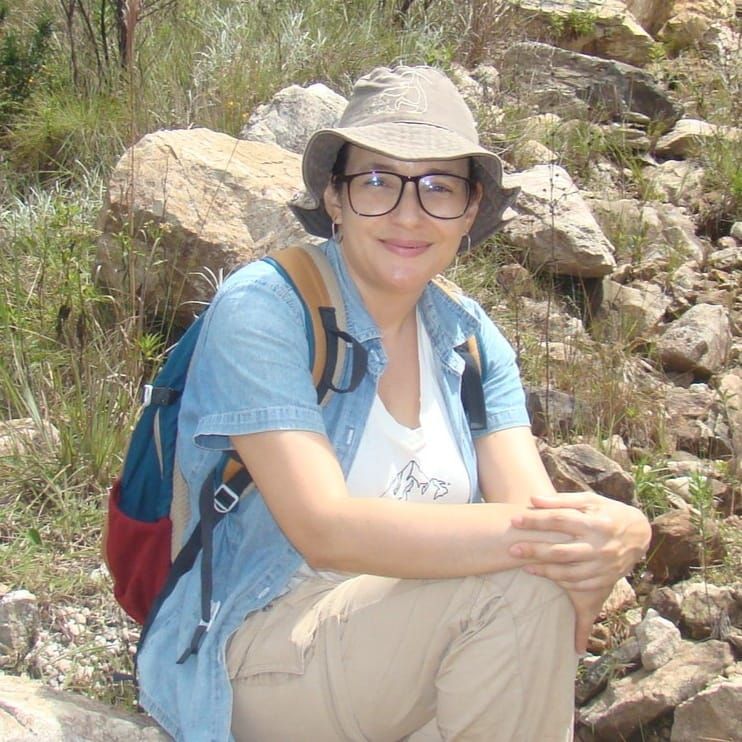
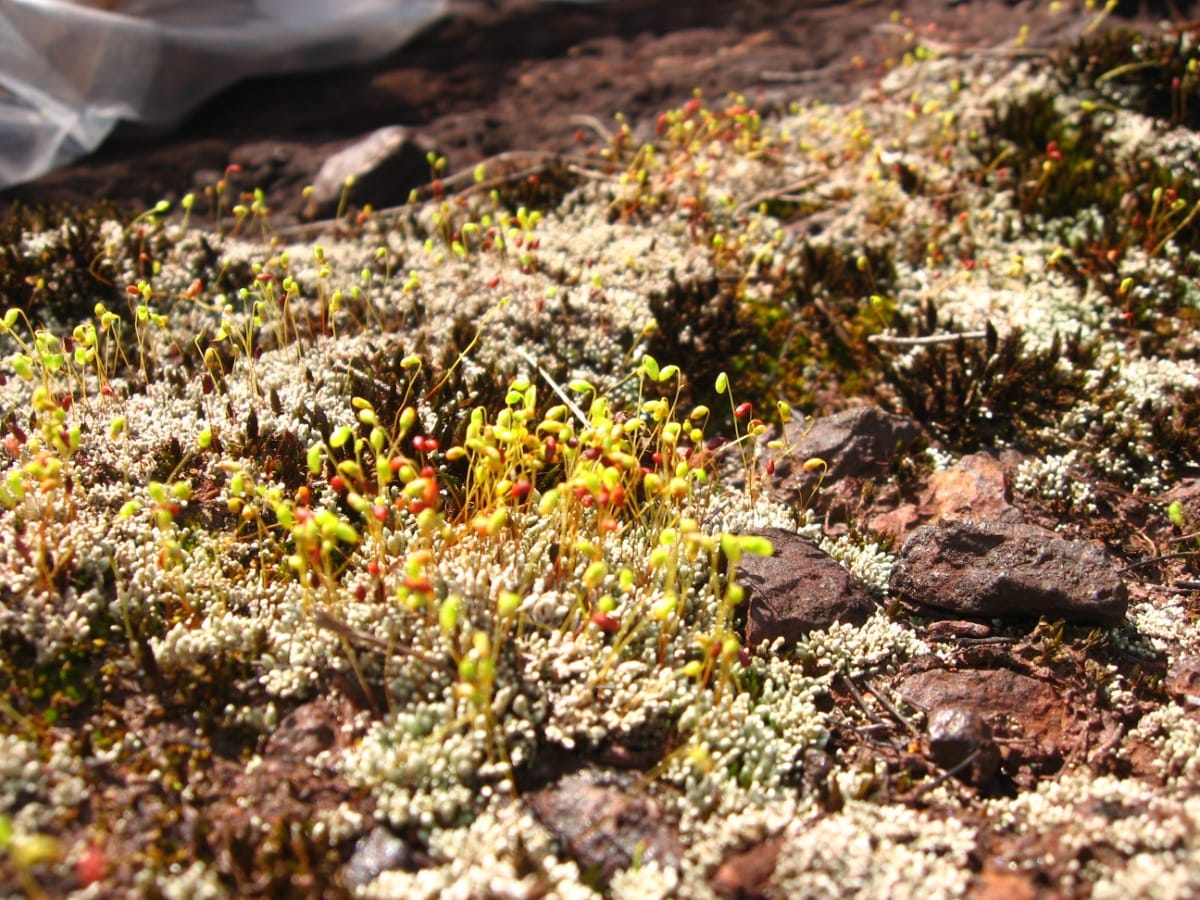
Today we have Dr Adaises S. Maciel-Silva, a plant biologist based at Universidade Federal de Minas Gerais (UFMG), Brazil, where she works with teaching, research, and outreach focused on bryophytes. Her research integrates taxonomy, reproduction, and ecophysiology of mosses, liverworts, and hornworts, with a special interest in how these organisms respond to environmental stress and colonise extreme habitats like rock outcrops and degraded areas.
More recently, Maciel-Silva and her research group have been increasingly working at the interface between basic science and innovation, developing nature-based solutions using bryophytes for ecological restoration and urban applications, such as bioreceptive materials and green technologies. She is always open to collaborations, especially those connecting biodiversity, sustainability, and applied science. You can check out her CV here.
What made you become interested in plants?
I grew up in a suburban neighbourhood of Recife, in northeastern Brazil. Back in the 1980s, the area was still very green and close to mangroves. Some of my best memories are long walks with my parents through these landscapes, always on foot, picking fruits straight from the trees, visiting distant places, chewing sugarcane along the way, and coming back home at night, sometimes guided only by the moon.
At home, my playground was our backyard. I loved planting, harvesting beans, corn, and watching plants grow through seasons of rain and drought. It all felt magical, mixed with the presence of mangrove crabs and local stories like Cumadre Fulozinha and Pai do Mangue. Life was simple, but we were deeply connected to nature, and it always provided for us.
I chose Biology in high school, still influenced by the usual paths, medicine, maybe genetics. But during my undergraduate studies at Universidade Federal de Pernambuco, things became clearer. In plant morphology classes with Isabel Machado, something clicked. Then, plant physiology with Eliana Simabukuro made me want to understand how plants function. And when I met bryophytes with Kátia Pôrto, that was it. A whole hidden universe opened up. I knew I had found my place with bryophytes.
What motivated you to pursue your current area of research?
I think this motivation is deeply connected to my personal story. My interest in plants didn’t come from a single moment, but from a lifetime of experiences, growing up surrounded by nature and later discovering, during my undergraduate studies, how complex and fascinating plants truly are. What really guided me to my current research area was the combination of curiosity and encounter. Curiosity to understand how plants function, respond, and survive under different conditions, and the encounter with bryophytes, which completely changed my perspective. These organisms are small, often overlooked, but incredibly sophisticated and resilient. They opened a whole new way of seeing plant life for me. Since then, my motivation has been to explore this hidden world and, more recently, to connect it with real-world applications, especially in ecological restoration and nature-based solutions.
What is your favourite part of your work related to plants?
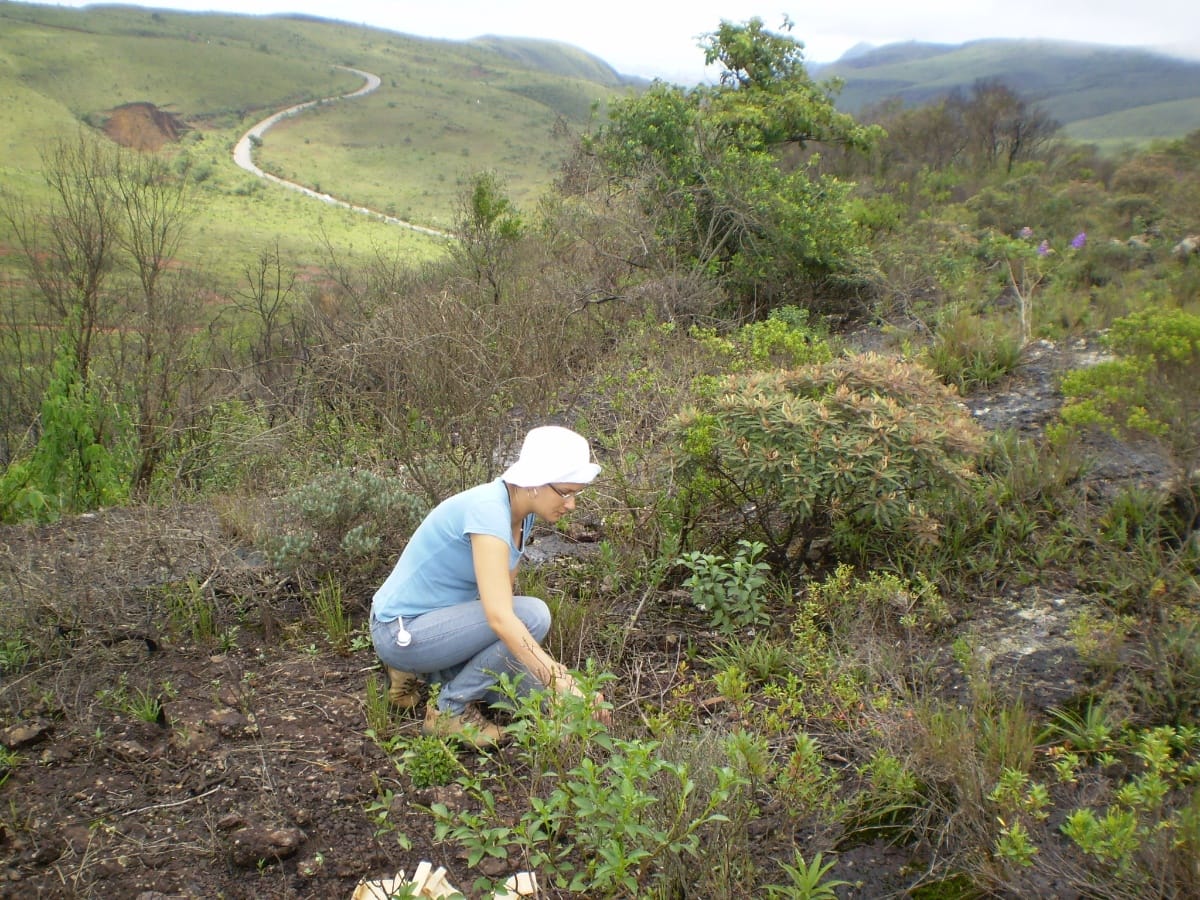
Without a doubt, my favourite part of my work is going to the field, being out in nature. Walking for hours on trails, observing plants, without rush. I really don’t like doing fieldwork in a hurry, that’s actually something that stresses me a lot. For me, good fieldwork requires good planning. I enjoy the process before going out with students, defining clear objectives, questions, and hypotheses. Otherwise, it can turn into chaos: collecting a lot of data and not really knowing what to do with it later. When things are well planned, the field becomes something else entirely. It’s calm, focused, and even enjoyable. You can actually observe, think, and connect with the environment. And that, to me, is the best part of working with plants.
Are any specific plants or species that have intrigued or inspired your research? If so, what are they and why?
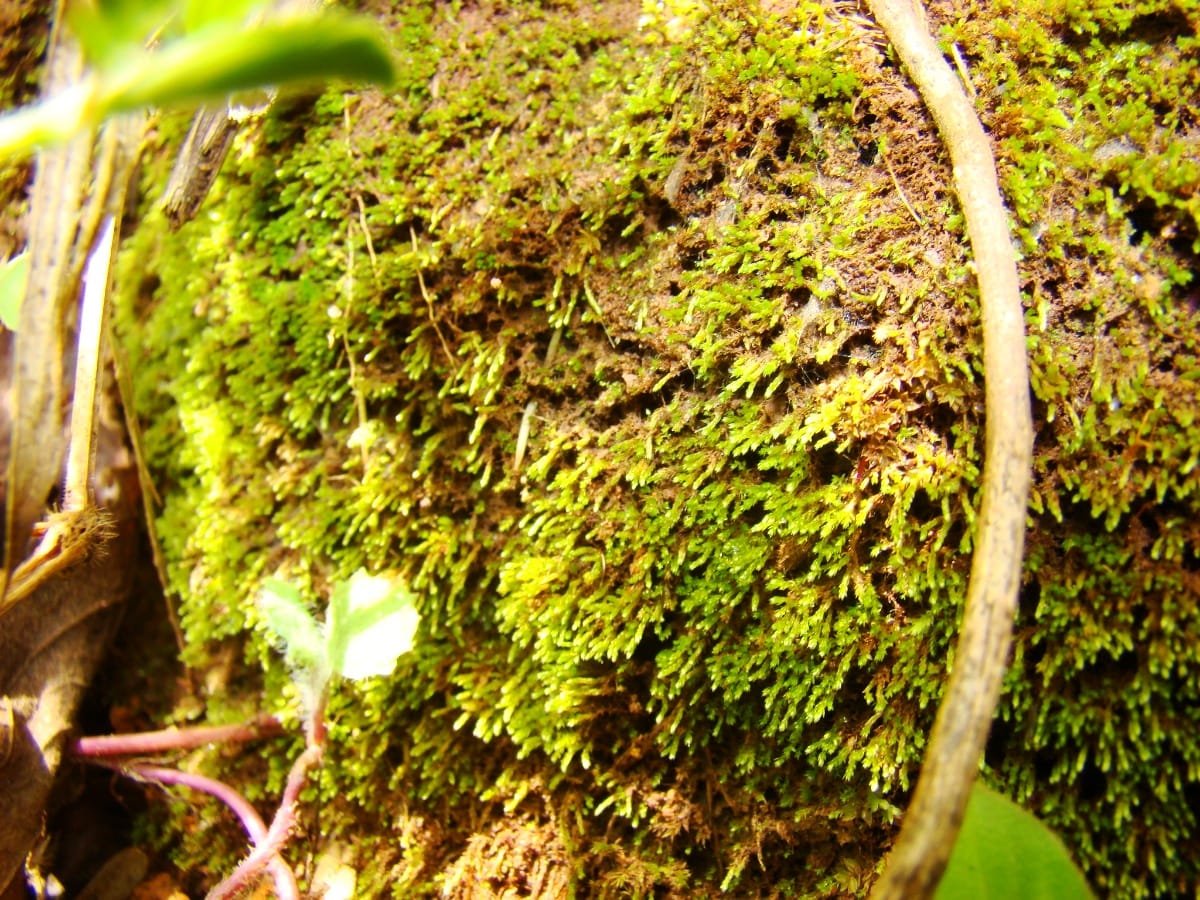
Yes, definitely bryophytes. They are the group that truly captured my attention and continues to inspire my research. What fascinates me is how such small and often overlooked plants can be so complex, resilient, and ecologically important. They survive extreme conditions, respond quickly to environmental changes, and play key roles in ecosystem functioning. The more I study them, the more questions emerge, and that’s exactly what keeps me motivated.
Could you share an experience or anecdote from your work that has marked your career and reaffirmed your fascination with plants?
That’s a hard one, but one experience from my PhD always comes to mind, especially now, looking back with more maturity. During my doctorate, I had to go monthly to Serra do Mar State Park, working between lowland forest in Ubatuba and montane areas around 1000 m elevation. One day, after a full day in the field under constant rain, we had to cross a river that had been calm in the morning, but by the evening, it had become dangerously strong. We were told to return quickly before it became impassable. Still, I insisted on crossing. In my mind, I couldn’t delay my schedule, my thesis, my bryophytes came first. We crossed using a rope, and it was honestly very risky. One colleague even slipped and had to turn back alone in the forest at dusk. Today, I see this very differently. There is always another way, another day. I often share this story with my students, not as something to be proud of, but as a lesson. Passion for science is important, but it should never come before safety.
What advice would you give young scientists considering a career in plant biology?
When I chose Biology, my father asked if I was sure, because maybe I wouldn’t have a job in the future. Later, during my Master’s, I heard: “Are you just going to study? Not work?” Still, I insisted. I moved from Recife to Campinas alone, with a scholarship, and kept going. I was fortunate to secure a position soon after my PhD, but I know this is not the reality for many. Academic life can be unstable, with years of postdocs and personal sacrifices along the way.
So my advice is: be sure of what you want. If you really want this path, invest early. Use your MSc and PhD years wisely, build your CV, plan ahead, and prepare yourself. But also be honest with yourself. This is a demanding path, and it’s okay to choose differently.
What do people usually get wrong about plants?
People often underestimate plants, at very different levels. Some still see them almost like rocks, as if they weren’t even alive. Others know they are alive, but have no idea how complex they actually are. Plants are sessile organisms, and because of that, they’ve evolved incredibly sophisticated ways to function and interact with their environment. There is an entire world of biochemical and molecular communication happening between plants themselves, with herbivores, with symbionts, and with many other organisms around them. Just because they don’t move or speak as we do, it doesn’t mean they are passive. In fact, they are constantly sensing, responding, and interacting in ways we are only beginning to understand.