
Most of us learnt that photosynthesis happens in leaves. That is true for the vast majority of mature plants, but it is not the whole story. In several species, young seeds also contain working chloroplasts, the tiny structures that use light energy to help power plant growth.
These seed chloroplasts do not behave exactly like those in leaves. Instead of performing traditional photosynthesis, they may help manage oxygen supply, chemical balance and stress signals inside the developing seed. In cereals such as barley, this is especially intriguing because the photosynthetic tissue is not spread through the whole seed. It forms a very thin green layer called the chlorenchyma, wrapped around the endosperm.
The endosperm is the seed’s food store, packed with the reserves that will later support the young seedling. While it develops, this tissue needs oxygen for respiration –the process cells use to release usable energy. The prevailing idea is that the chlorenchyma supplies this oxygen, while also reusing some of the carbon dioxide released by the endosperm. If so, then seed photosynthesis could play an important role in grain growth and quality.
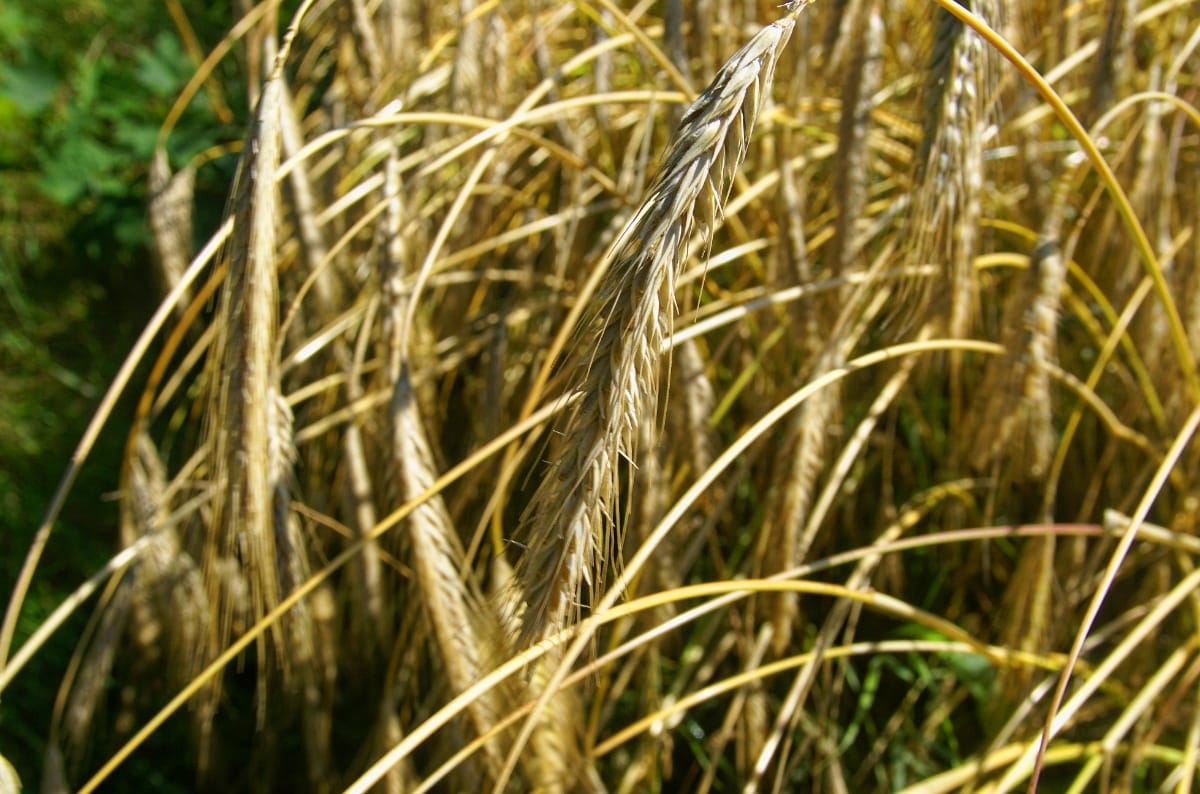
Yet seed photosynthesis has remained understudied because it is difficult to measure. Measuring photosynthesis in leaves is relatively straightforward: leaves are flat, thin and easy to place inside standard instruments. Developing barley seeds are not. They are bulky, and most of the seed is filled with endosperm, which scatters light and interferes with the measurements.
In a new study published in Seed Science Research, Melvin Rodriguez Heredia and Guy Hanke, researchers at Queen Mary University of London in the UK, developed a way to measure how the chlorenchyma moves electrons during photosynthesis. Their method gives researchers a clearer way to study this hidden green layer and ask what it actually does inside a developing seed.
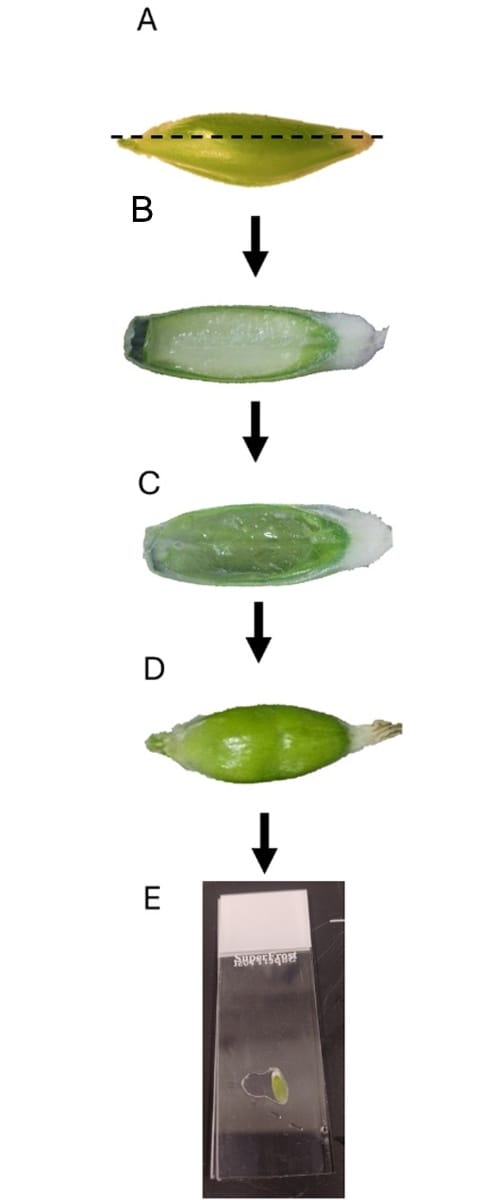
The team focused on barley seeds collected 10 days after flowering, when the chlorenchyma is green enough to give a strong signal but still easy enough to separate from the rest of the grain. Using a scalpel, the researchers cut along the seed, separated the dorsal part of the chlorenchyma and carefully removed the endosperm. The thin green sections were then placed in a liquid buffer between glass slides, with the photosynthetic side facing the detector in an instrument usually used to measure photosynthesis in leaves. In effect, this delicate preparation turned a bulky seed into a thin, readable sample.
They then used light-based instruments to follow what happened inside the photosynthetic machinery, especially the two photosystems, the protein complexes that convert light energy into chemical energy. One method measured chlorophyll fluorescence, the faint light given off by chlorophyll when absorbed light energy is not used for photosynthesis in photosystem II. At the same time, they measured changes in P700, a chlorophyll molecule linked to photosystem I. Together, these measurements allowed them to track both photosystems in parallel. The team also adapted a second method called the electrochromic band shift, which estimates how quickly electrons flow through the photosynthetic chain — the series of proteins that pass electrons along during photosynthesis.
The results showed that the method worked. Although the signal from the barley seed chlorenchyma was weaker and noisier than the signal from leaves, the instruments still detected the expected photosynthetic patterns. In other words, the team could reliably measure the activity of both photosystems in a thin green seed layer that had previously been difficult to study in detail.
But the measurements also revealed that seed photosynthesis is not just leaf photosynthesis in miniature. In barley leaves, the two photosystems adjusted to light and maintained relatively high activity. In the seed chlorenchyma, both systems operated at much lower levels. Another striking difference was photoprotection, the process plants use to avoid damage from excessive sunlight. Leaves usually release excess light energy as heat, but the seed chlorenchyma barely activated this safety mechanism. That suggests the green seed layer may not be built to handle light in the same way as a leaf.
The electrochromic shift measurements supported this picture. Electron transport in leaves reached around 50 to 60 electrons per photosystem per second, while chlorenchyma values were much lower, around 10 to 20. Together, these findings show that barley seed photosynthesis is real, measurable and distinct from leaf photosynthesis. They also suggest that this hidden green layer may have a specialised role in grain development rather than simply acting as a small internal leaf.
As a result, the method developed by Rodriguez Heredia and Hanke does more than provide a reliable way to measure photosynthetic electron transport in developing seeds. It also opens up exciting new research opportunities in cereal biology. By making this hidden process easier to study, the work could help researchers better understand how grains develop in the cereal crops that feed much of the world.
READ THE ARTICLE:
Rodriguez Heredia M, Hanke G. 2025. Measuring photosynthetic electron transport in green developing seeds. Seed Science Research 35: 236-245. https://doi.org/10.1017/s0960258526100105
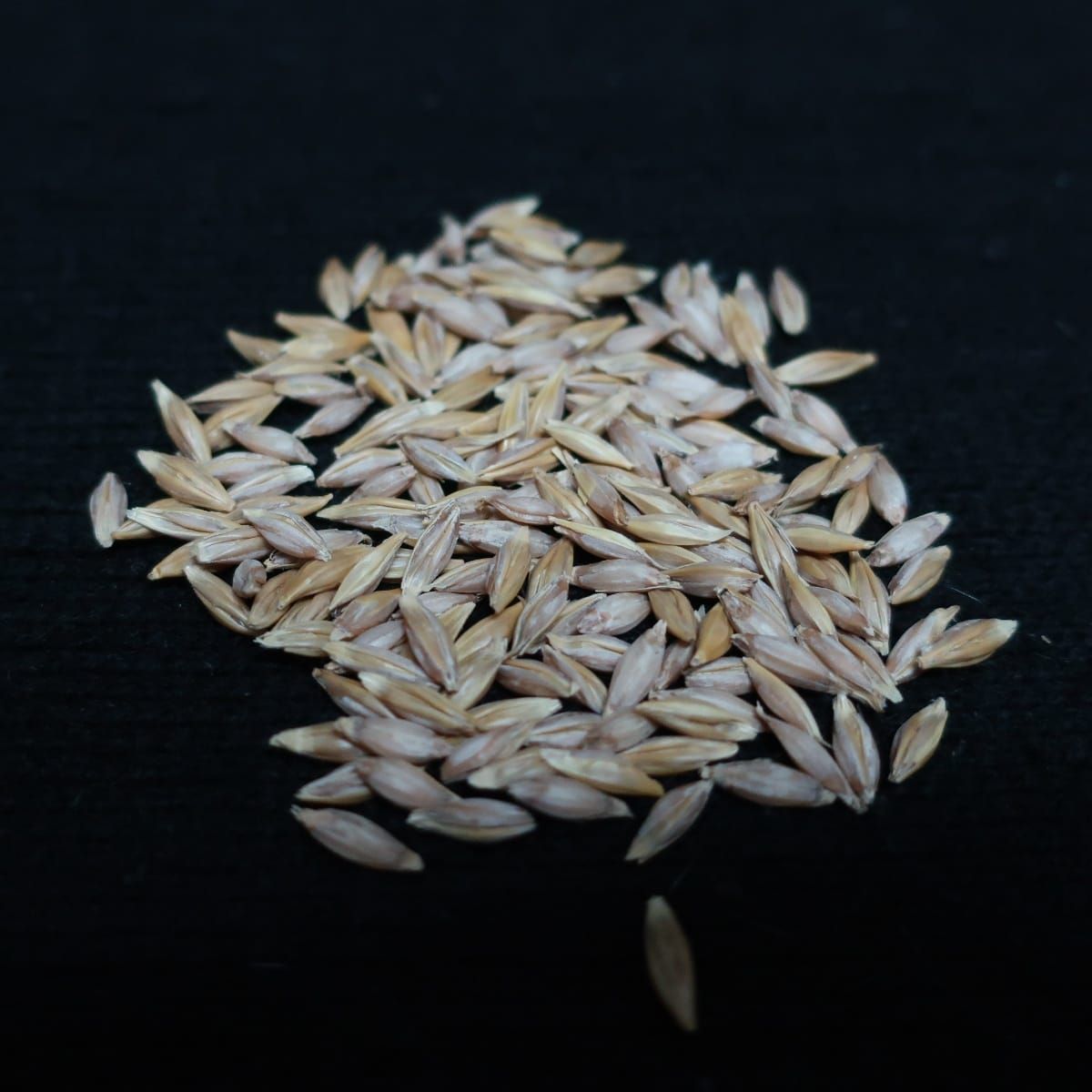
Cover picture: Barley grains by Davidbena (Wikimedia Commons, CC BY-SA 4.0).




.jpg?ref=botany.one#/media/File:Hordeum_(grain).jpg)