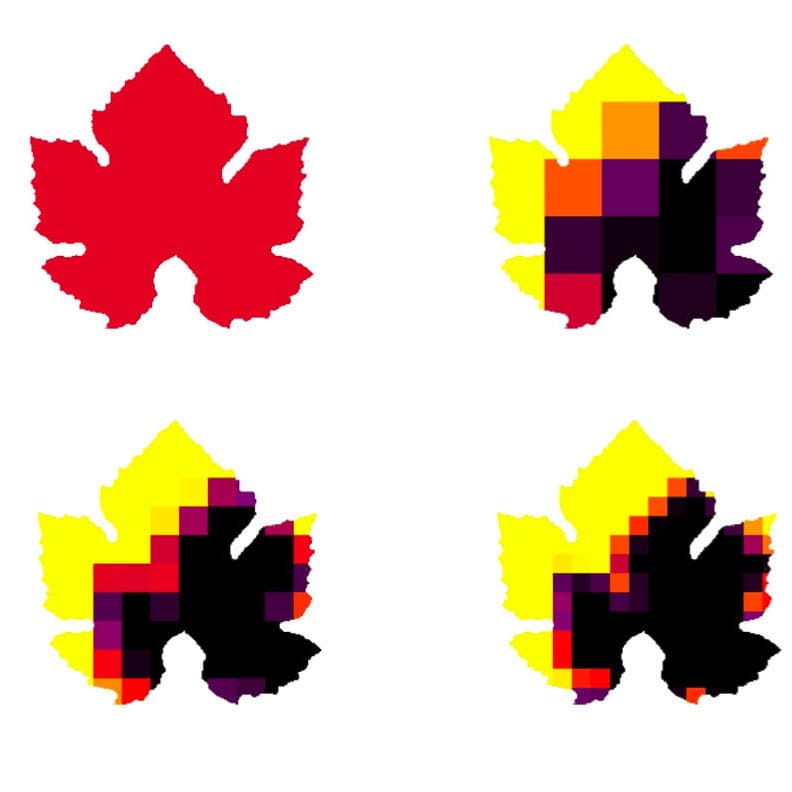
Computational Models Resolving interactions between plant structure and function A new study reveals the impact of spatial resolution on accurately representing the interactions between plant canopy structure and function. Rachel Shekar 22 Sep 2021
Growth & Development Evaluating salt tolerance mechanisms in two Tunisian barley landraces Can investigation of landraces provide us with a better understanding of traits that could be used to improve crop salinity tolerance? William Salter 13 Sep 2021
Growth & Development Improving roots for crops could improve habitats for wildlife New research finds that root capturing more nutrients could help wildlife breathe many miles away. Alun Salt 09 Sep 2021
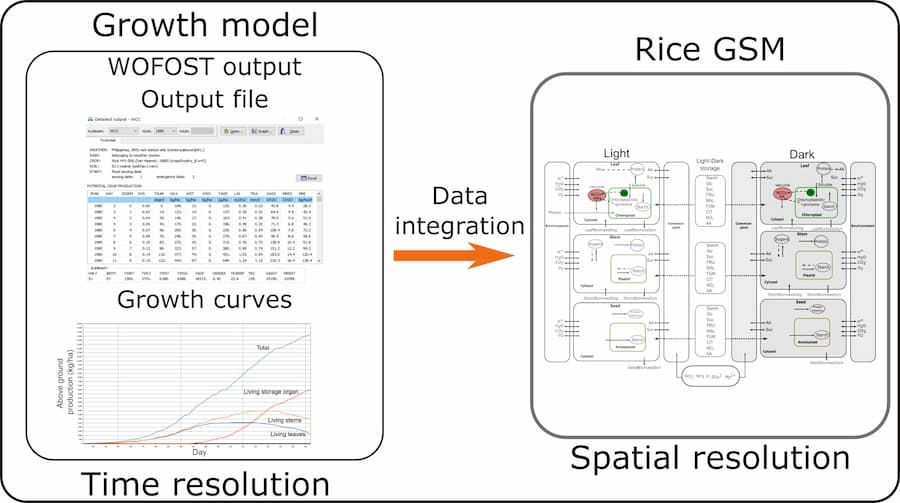
Cells, Genes & Molecules Predicting rice yield under drought Integrated growth and metabolic models predict the metabolism of rice growth under normal and water-limited conditions. Rachel Shekar 03 Sep 2021
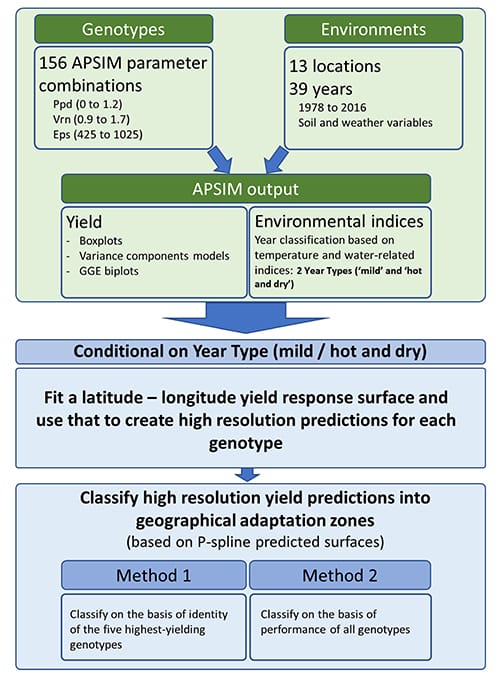
Cells, Genes & Molecules Wheat adaptation to climate change Models fill in the data gaps to identify genotypes to maximize yield across the NE Australian wheat-belt under climate change. Rachel Shekar 31 Aug 2021
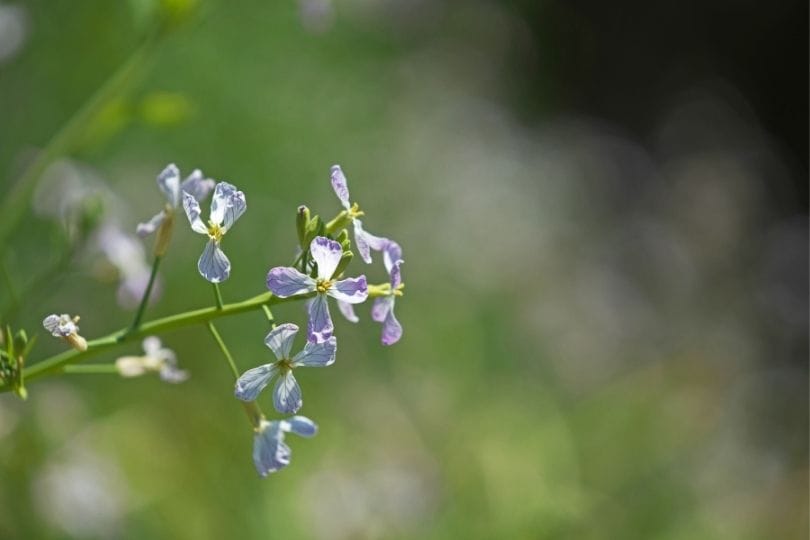
Growth & Development Regulation of flowering time in Japanese wild radish How do climatic cues influence flowering time in natural populations of wild radish in northern and southern Japan? William Salter 30 Aug 2021
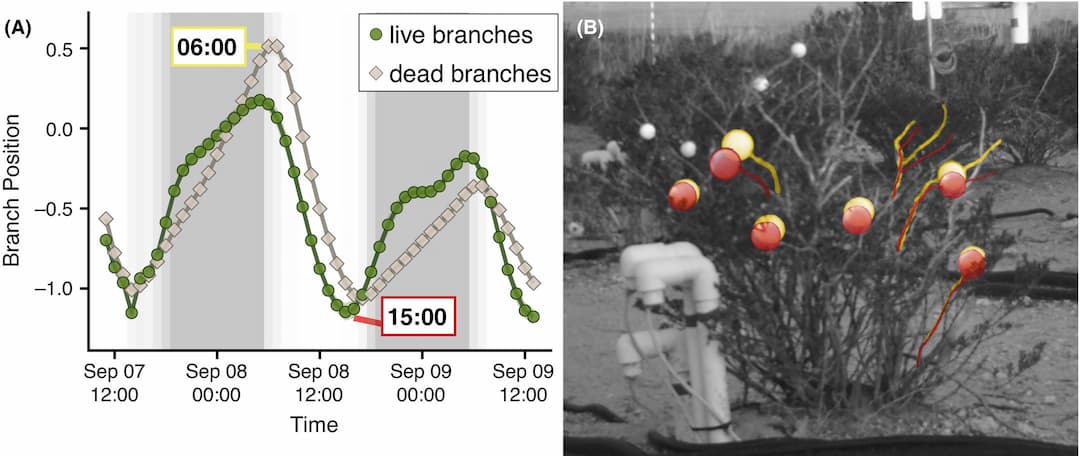
Growth & Development Creosote branches dance, even after death Scientists watching the daily movement of branches in the creosote plant have found that even dead branches move to respond to changes in the air. Alun Salt 26 Aug 2021
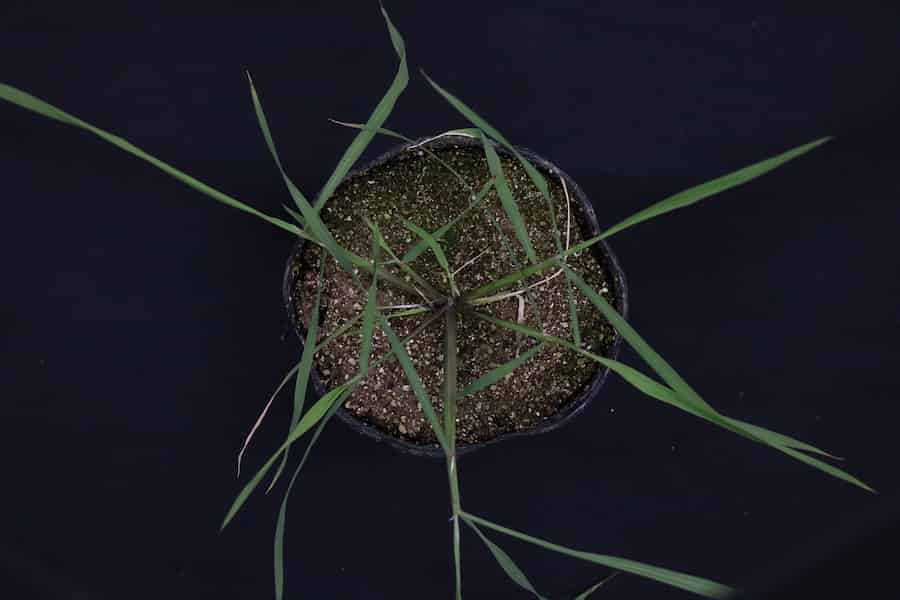
Computational Models The Why and How of Horizontally Expanding Leaf Patterns A new study uses multiple approaches to determine why horizontally expanding leaf patterns exist and how they are formed. Rachel Shekar 22 Aug 2021
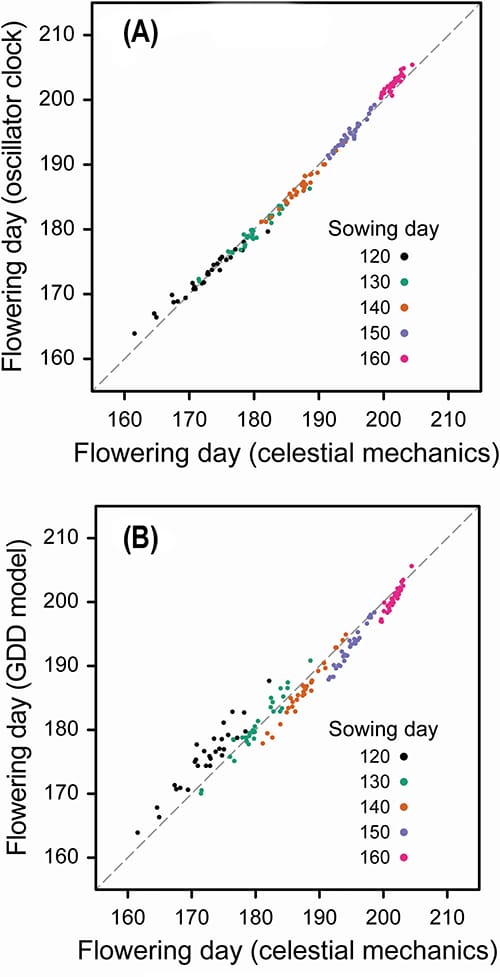
Cells, Genes & Molecules Modeling the circadian clock A novel circadian clock model based on real-world clocks delivers simplicity, entrainment, reliability, and accuracy. Rachel Shekar 13 Aug 2021
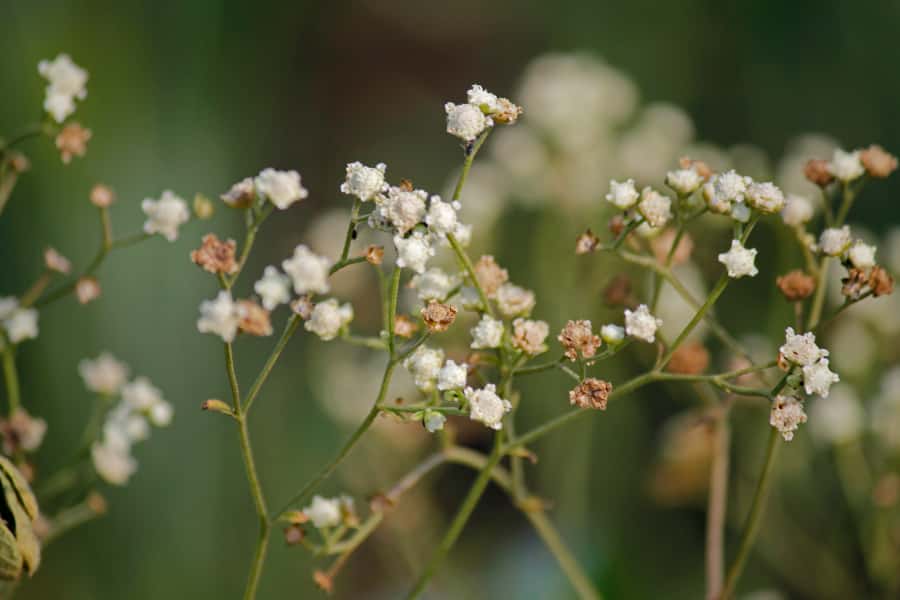
Growth & Development Rising carbon dioxide concentrations are making “the world’s most destructive toxic weed” more toxic Carbon dioxide concentrations in the atmosphere have gone up by a third since the mid 20th century. Parthenin concentrations in invasive Parthenium hysterophorus have gone up by a half. Alun Salt 04 Aug 2021