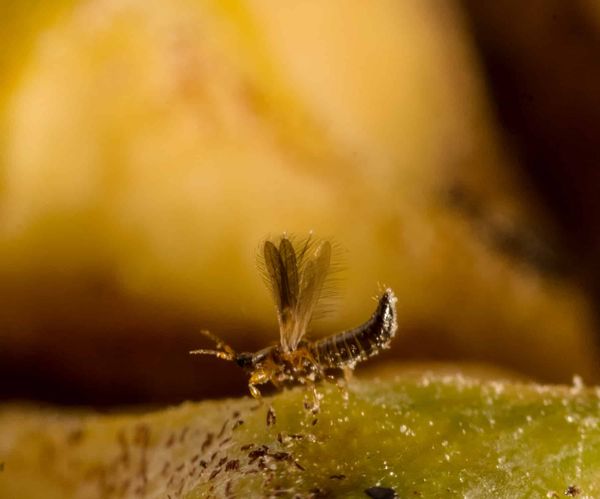
Close Encounters
Why Thrips Might Be the Unknown Heroes of Pollination
Thrips, tiny insects often seen as pests, play a key role in pollinating many plants.

Close Encounters
Thrips, tiny insects often seen as pests, play a key role in pollinating many plants.
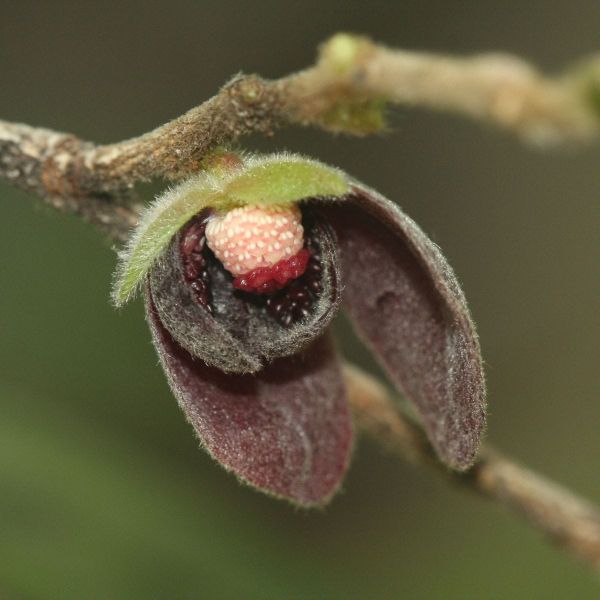
Close Encounters
A rainforest flower has evolved to look and smell like a pile of dead leaves, convincing enough to trick a beetle into pollinating it.
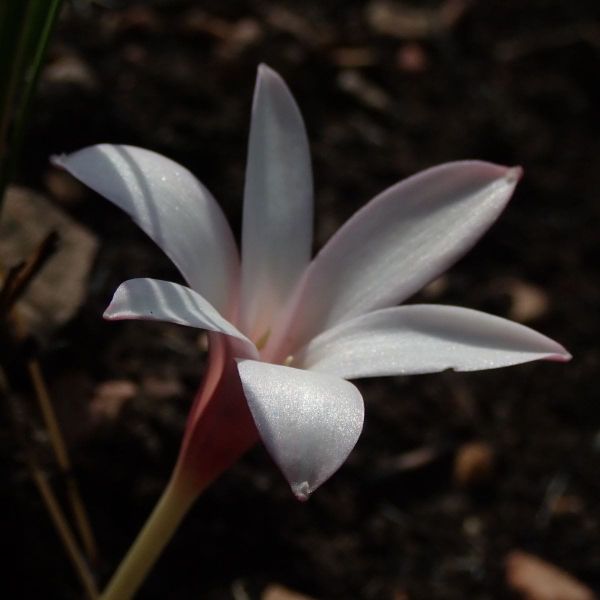
Close Encounters
A unique South African plant brings together fire, bees, and ants in a clever strategy to ensure its survival and reproduction.
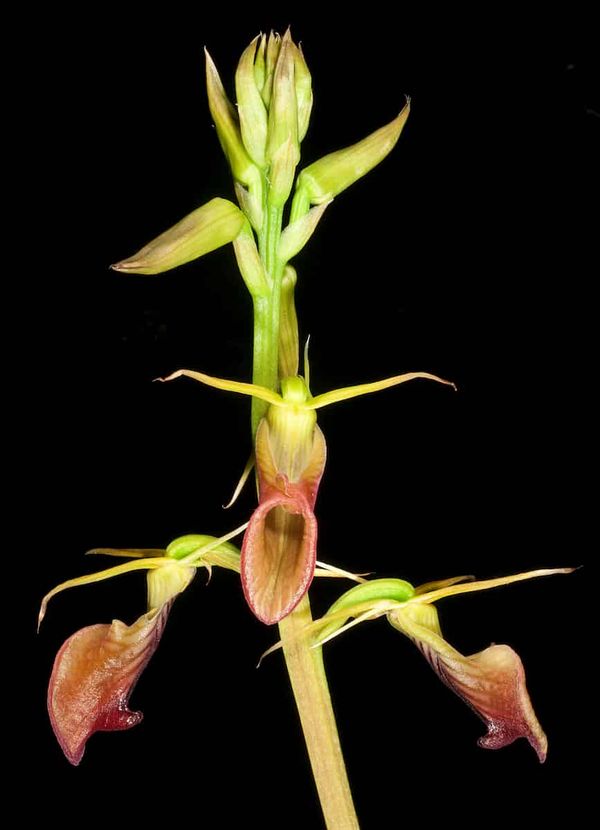
Close Encounters
Botanists discover that plants seeking to sexually attract a pollinator may be hiding their stocks of potent perfumes in overlooked alkenes.
Close Encounters
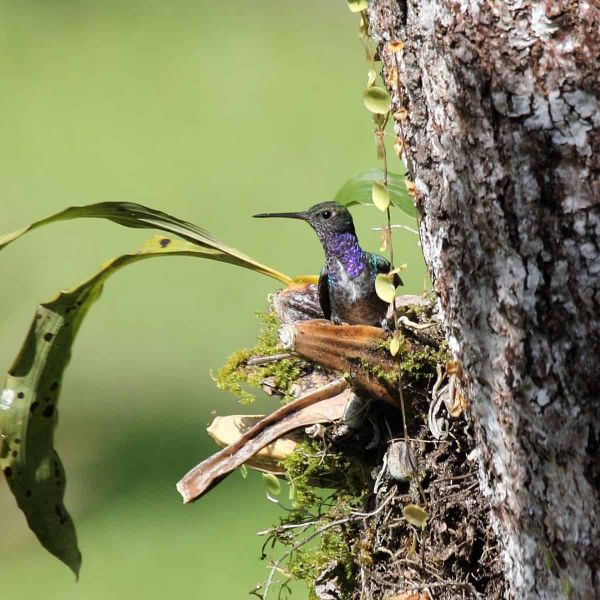
A recent study shows that cities are transforming hummingbird behaviour, favouring generalist interactions with plants and altering the structure of plant-pollinator networks.
Close Encounters
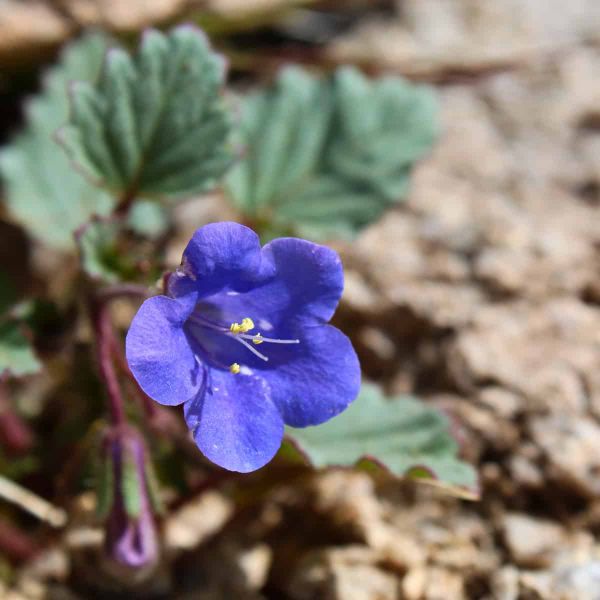
New research reveals drought-stressed wildflowers produce smaller flowers with less nectar, causing bees to avoid them.
Close Encounters
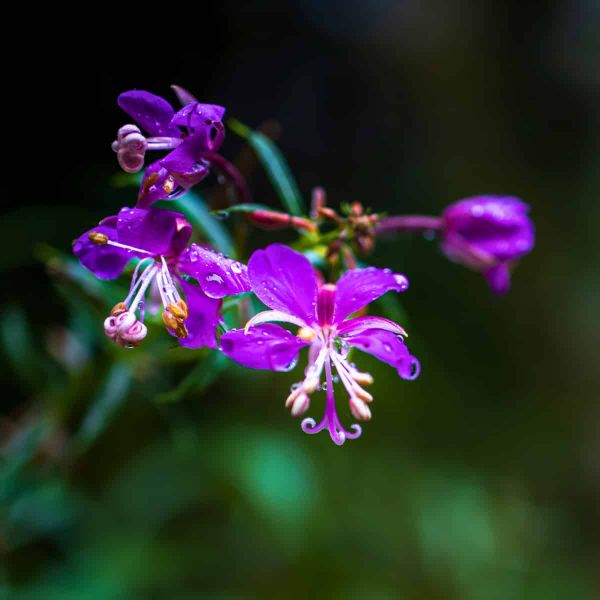
A four-year study in the Colorado Rockies reveals unexpected interactions between pollination and soil moisture in wildflower reproduction, challenging current predictions about plant responses to environmental change.
Close Encounters
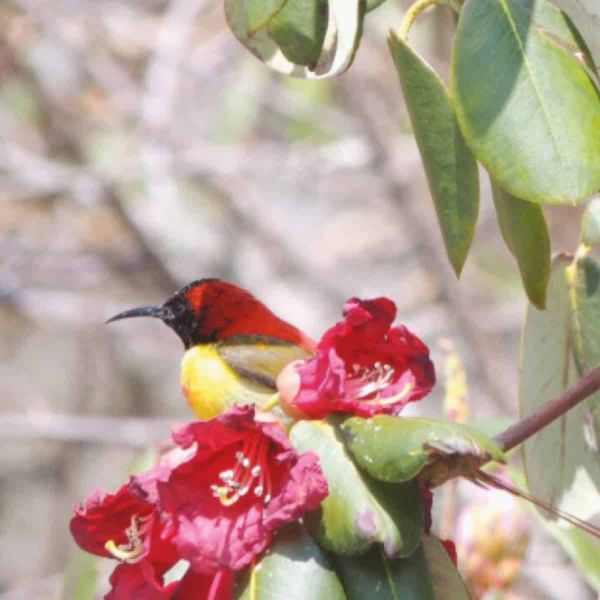
A new study shows that both pollinators like bees and birds, and climate changes, influence the size, shape, and nectar of flowers in Rhododendrons.
Close Encounters
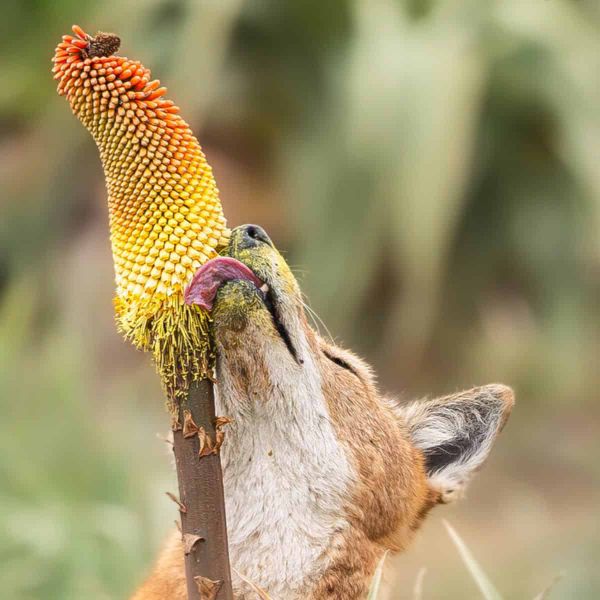
When Ethiopia’s top predator licks flowers for nectar, it may be helping to shape the future of its Afroalpine ecosystem.
Close Encounters
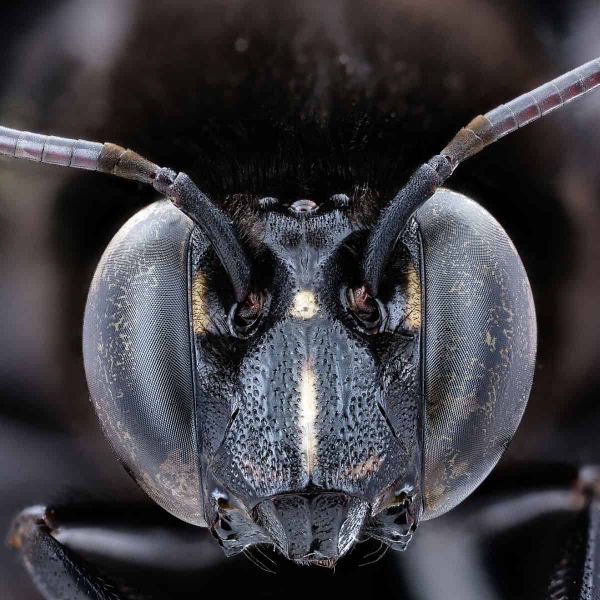
Discover how orchid bees use surprising, non-floral sources to create perfumes that attract mates in the tropical forest.
Close Encounters
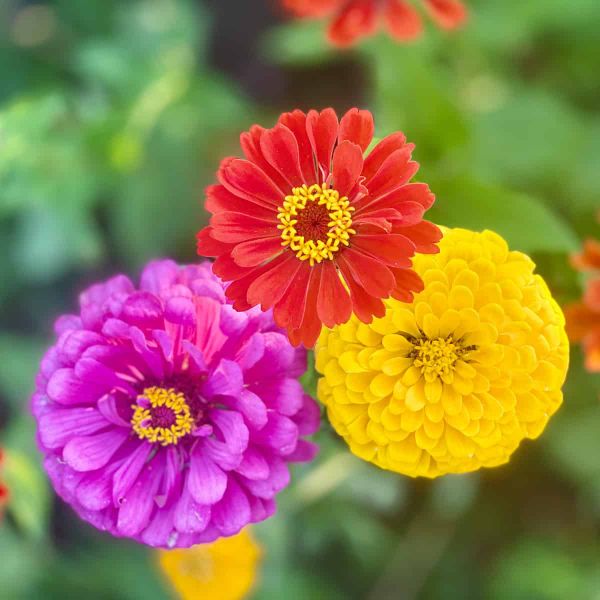
What humans see in a flower is nothing like the multi-stage sensory journey that guides insects to blooms.
Close Encounters
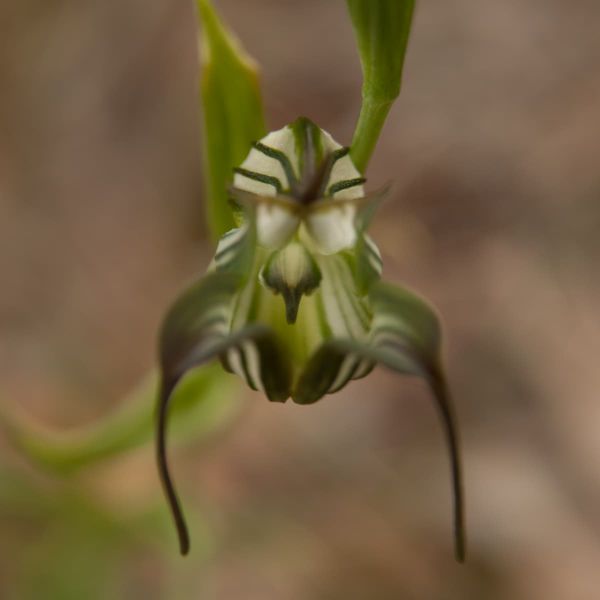
New research uncovers how Australian orchids seduce fungus gnats with a sophisticated blend of chemical perfumes and sugary bribes.