Close Encounters
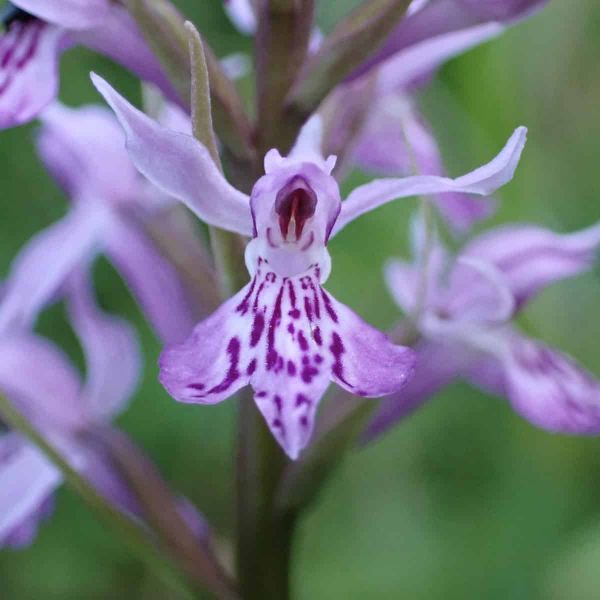
Nature vs nurture: Untangling why mycorrhizal fungal diversity differs across orchid species
Mycorrhizal communities are shaped by orchid trophic mode and biogeography but not orchid phylogeny.

Close Encounters
Mycorrhizal communities are shaped by orchid trophic mode and biogeography but not orchid phylogeny.
Close Encounters
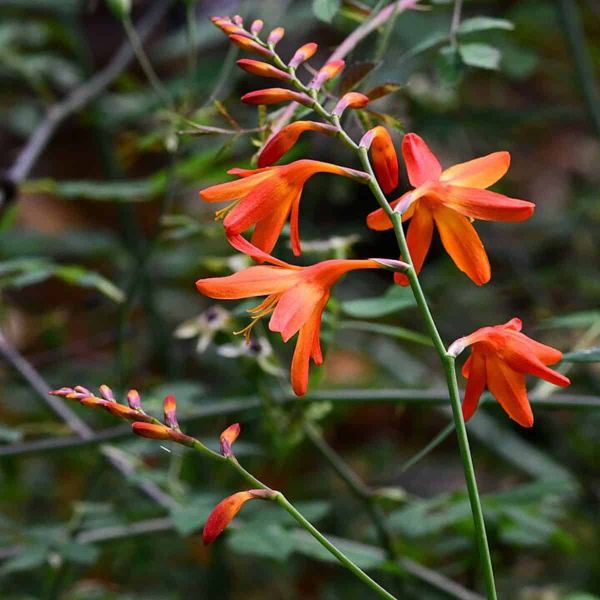
A new study reveals how off-season flowering helps invasive plants outcompete native species.
Close Encounters
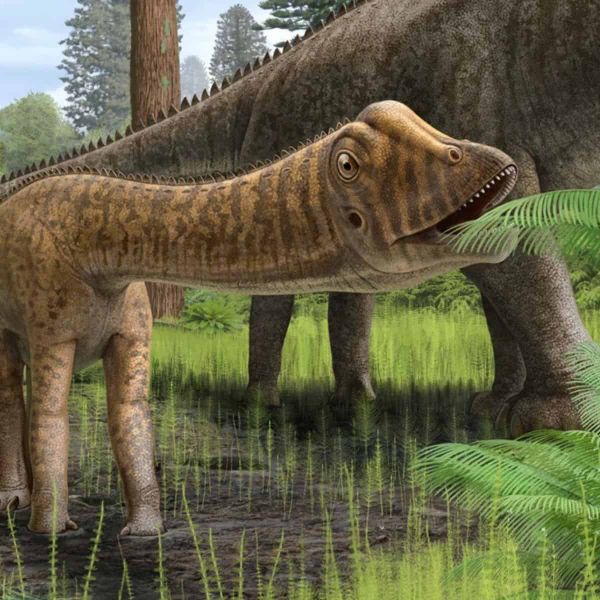
By analysing calcium isotopes in dinosaur teeth, researchers have revealed the feeding habits of Jurassic herbivores, shedding light on how they coexisted.
Close Encounters
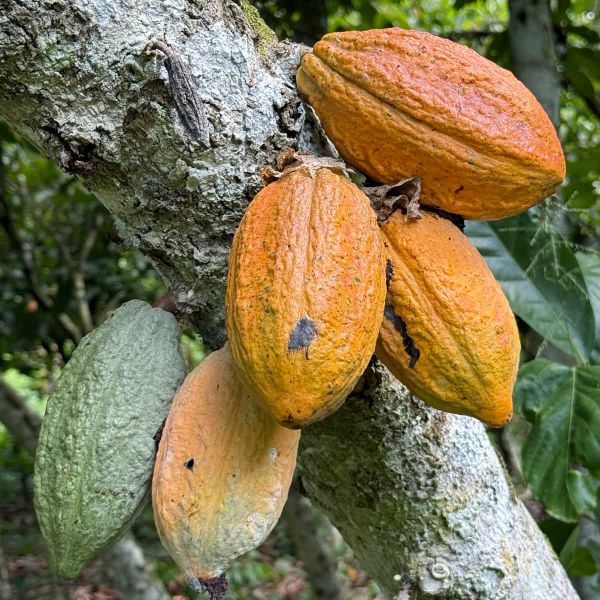
Food Dive reports on an attempt by Mars to keep chocolate affordable and make your M&Ms CRISPR.
Close Encounters
Some plants don’t flower at the same time as their pollinators are most active, and this mismatch can actually help keep a wide variety of flower shapes and sizes in nature by changing which traits are most useful at different times.
Close Encounters
Inside a tree can live up to one trillion beings. But seeing the bacteria hidden in its woody tissue takes a lot of work.
Close Encounters
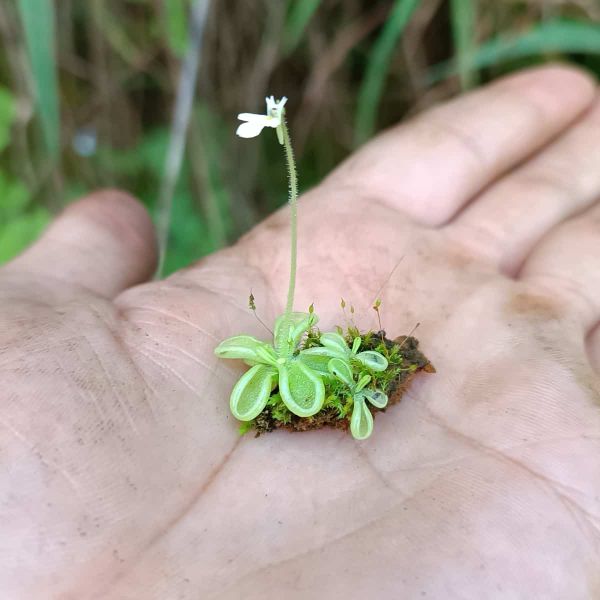
A tiny butterwort found in Mexico has surprised scientists with its ability to catch prey. It has to be efficient as it has only a brief time to get everything prepared for the next generation.
Cells, Genes & Molecules
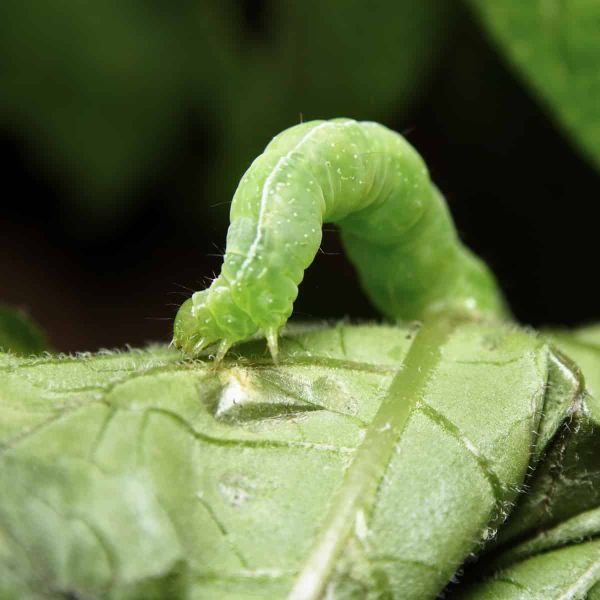
Scientists have discovered caterpillars inject chemical weapons into plants that shut down defences before they can even form.
Close Encounters
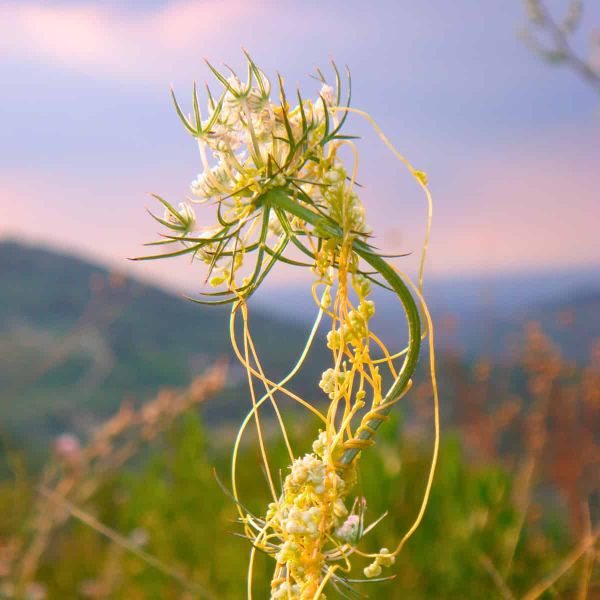
Dodder plants act as nature’s master grafters, seamlessly hijacking other plants’ vascular systems for survival.
Close Encounters
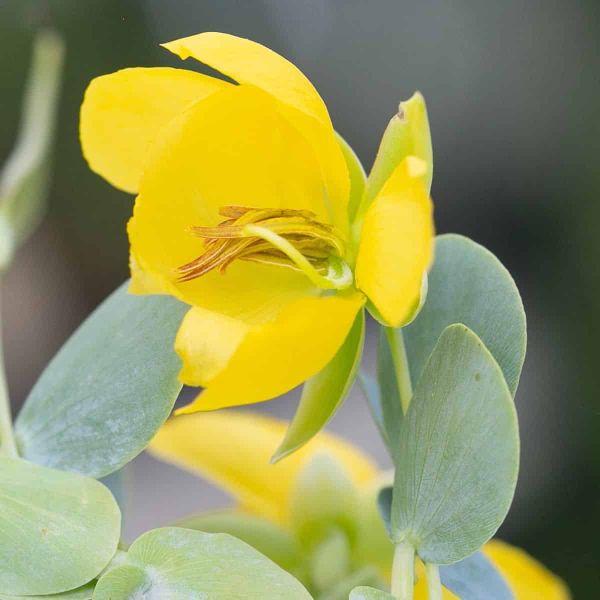
A specialised petal in a buzz-pollinated flower acts like a pollen traffic controller, guiding grains to the perfect spot on a bee’s body.
Close Encounters
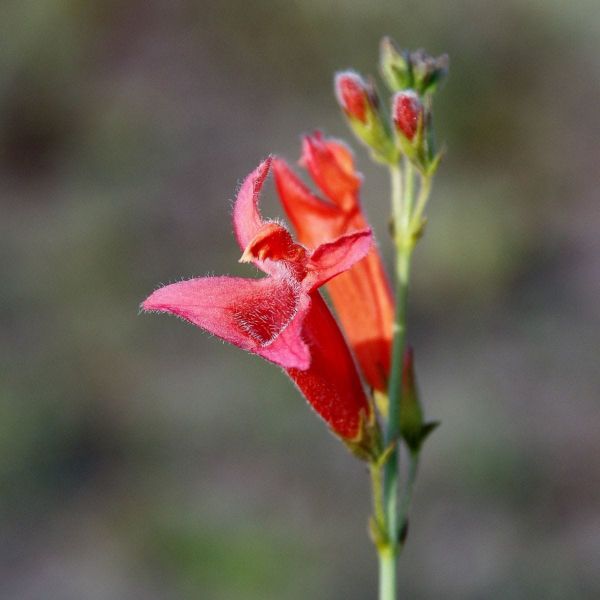
Like many animals, some plants can actively hamper their rivals’ attempts to reproduce in previously unimagined ways, according to a recent study published in The American Naturalist.
Close Encounters
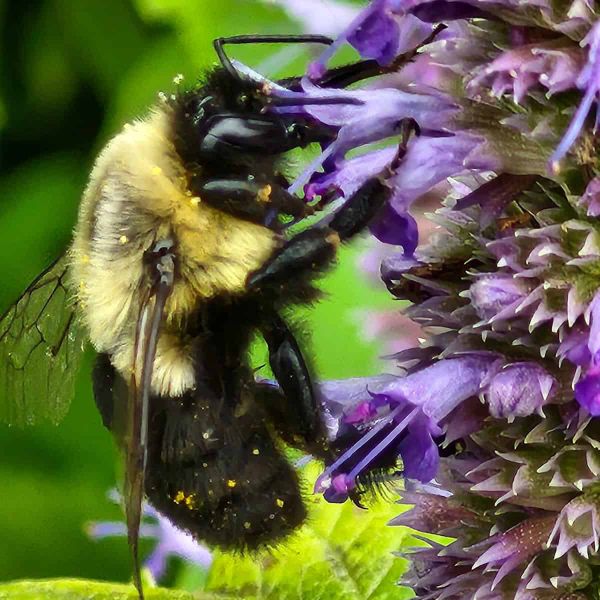
A new study finds that cities can support more wild bee species by planting a greater variety of flower shapes—not just more flowers.