Botany One
Read in
  • ZH
  • DE
  • EN
  • ES
  • FR
  • JA
  • PT
  • Home
  • Home
  • About Us
  • Archive
  • Hot Botany
  • Species Dashboard
  • Trading Card Generator
  • Manage email subscription

Tag

Close Encounters

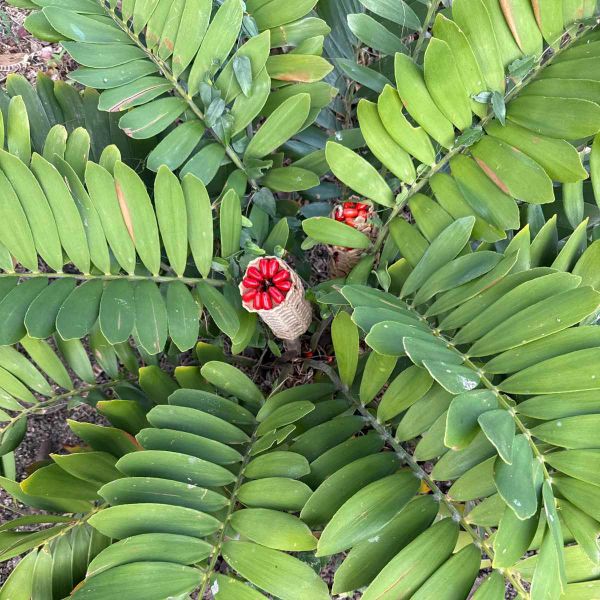
View down into the seeds of cycads.

Close Encounters

Cycads attract beetles with heat in the night

Pollination looked different at the time of the dinosaurs. Without showy flowers, heat was used to attract beetle pollinators.

Sarah Covshoff · 19 Feb 2026

How plants know when they are too close to each other

Close Encounters

How plants know when they are too close to each other

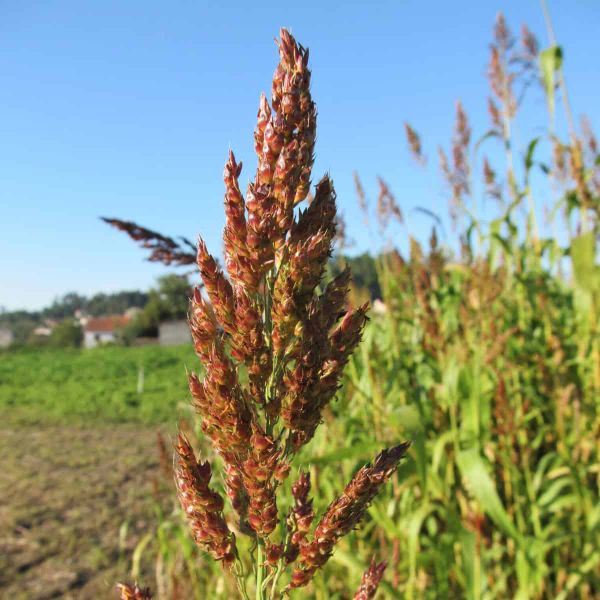
Sorghum plants can sense nearby plants through chemicals in the soil water, and this makes them slow their growth, which helps explain why planting crops close together doesn’t always increase yields.
Renata Cantoro · 23 Jan 2026

Anything Goes When You Live in a Crack

Close Encounters

Anything Goes When You Live in a Crack

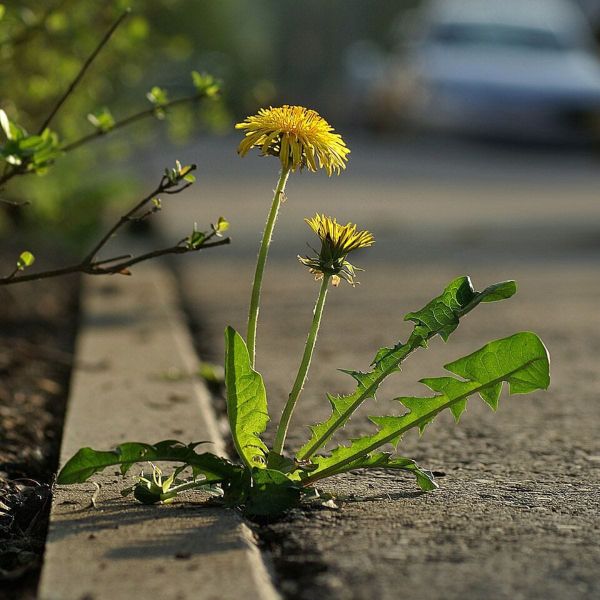
New research shows that the plants thriving in parking lots succeed not just because they are tough, but because they spread their pollen and seeds in many different ways.
Victor H. D. Silva · 22 Jan 2026

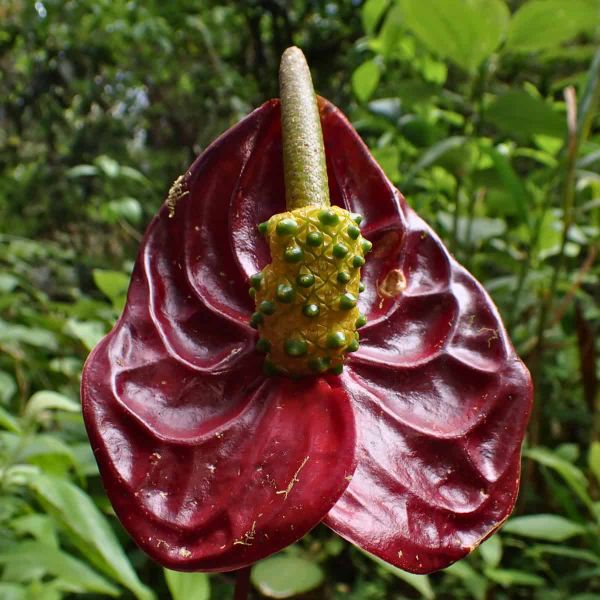
Close-up of a dark red Anthurium andraeanum flower with a glossy, heart-shaped spathe and a cream-colored spadix covered in s

Close Encounters

Glossy flowers allow for long distance romance

In the competitive world of plant-pollinator interaction, a little razzle-dazzle helps a flower be seen.
Sarah Covshoff · 20 Dec 2025

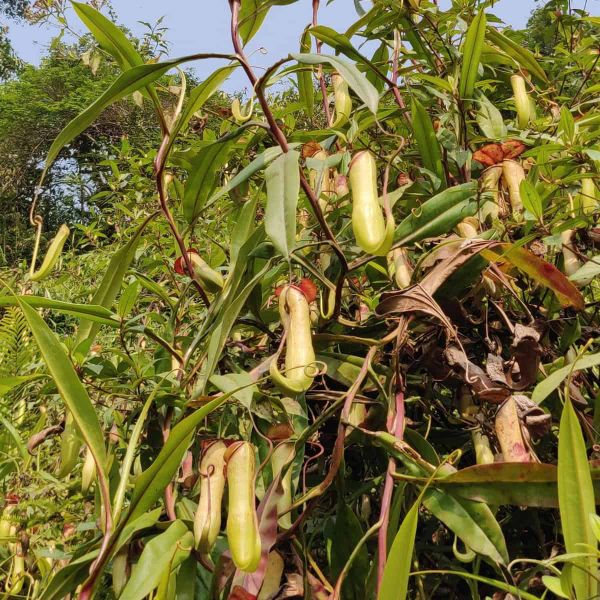
A bush with many pitchers hanging from it, ready to trap prey.

Close Encounters

Bait and switch: sweet Nepenthes nectar is toxic to the ants it lures

Pitcher plants prove, lethally, that there’s no such thing as a free lunch.
Sarah Covshoff · 28 Oct 2025

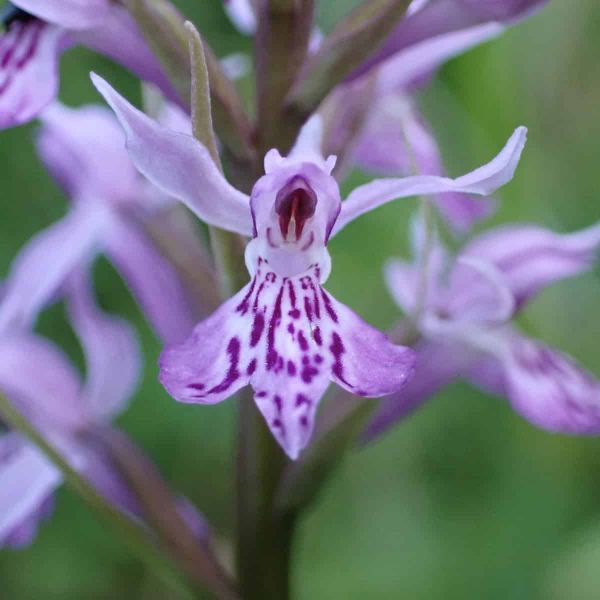
Macro photograph of a single Dactylorhiza fuchsii (Common Spotted Orchid) flower in sharp focus. The flower has delicate pale

Close Encounters

Nature vs nurture: Untangling why mycorrhizal fungal diversity differs across orchid species

Mycorrhizal communities are shaped by orchid trophic mode and biogeography but not orchid phylogeny.
Sarah Covshoff · 30 Sep 2025

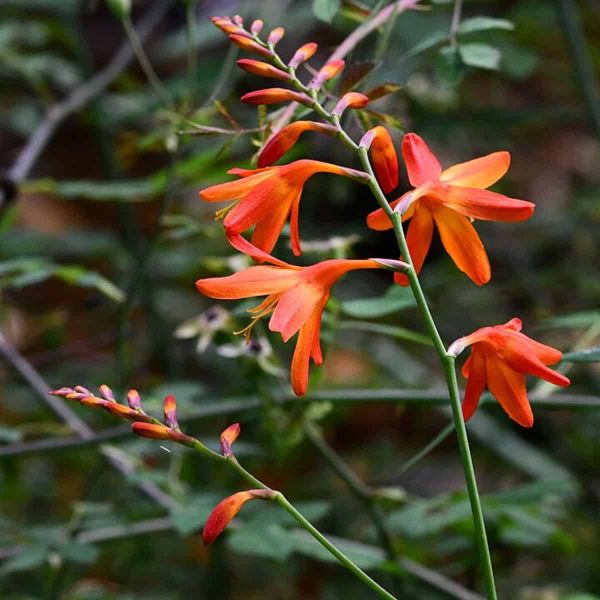
Invasive Species Outperform Natives by Flowering Out of Season

Close Encounters

Invasive Species Outperform Natives by Flowering Out of Season

A new study reveals how off-season flowering helps invasive plants outcompete native species.
ana-carolina-s-oliveira · 12 Sep 2025

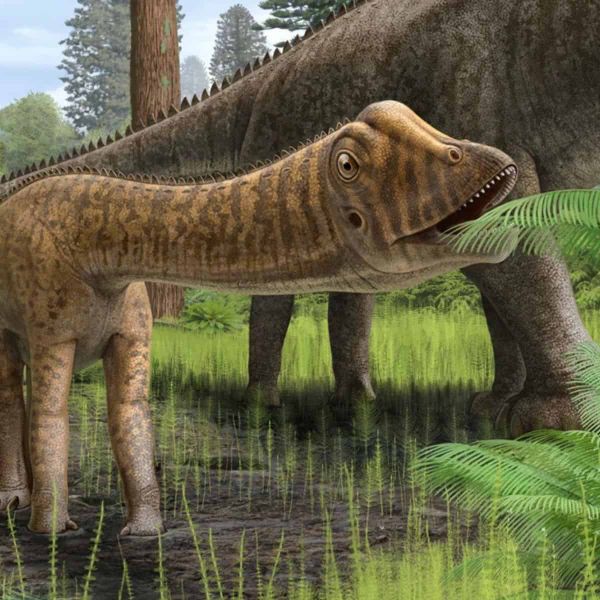
Unveiling Herbivorous Dinosaur Diets Through Calcium Clues

Close Encounters

Unveiling Herbivorous Dinosaur Diets Through Calcium Clues

By analysing calcium isotopes in dinosaur teeth, researchers have revealed the feeding habits of Jurassic herbivores, shedding light on how they coexisted.
gustavo-macedo-do-carmo · 15 Aug 2025

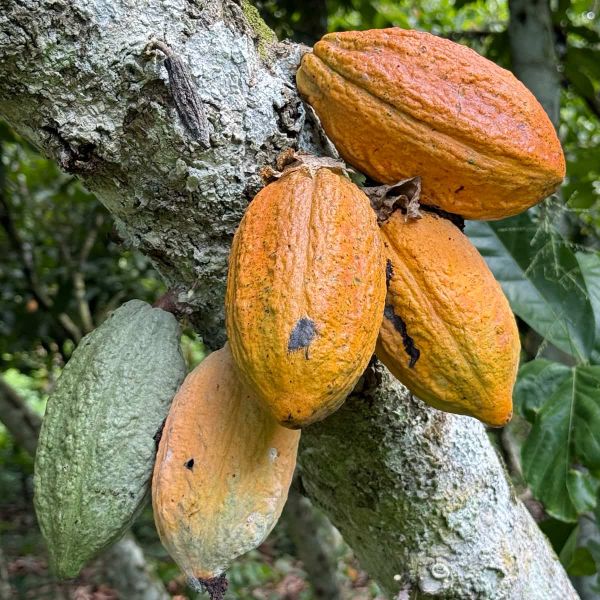
Orange and yellow cacao pods (Theobroma cacao) growing directly from the trunk of a tree, showing the natural cauliflory grow

Close Encounters

Chocolate fights climate change with gene editing

Food Dive reports on an attempt by Mars to keep chocolate affordable and make your M&Ms CRISPR.
Alun Salt · 9 Aug 2025

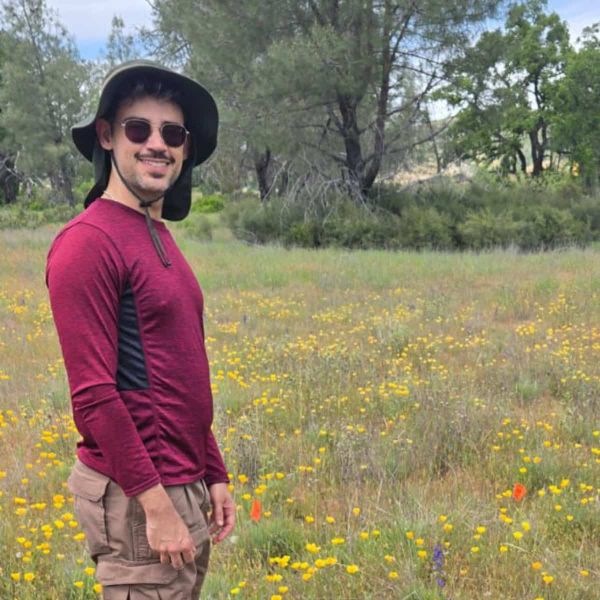
A man in a deep red t-shirt and heavy duty sunhat smiles at the camera. Behind him are many flowers, but how many pollinators

Close Encounters

When Pollinators and Flowers Have Timing Issues

Some plants don’t flower at the same time as their pollinators are most active, and this mismatch can actually help keep a wide variety of flower shapes and sizes in nature by changing which traits are most useful at different times.
Renata Cantoro · 8 Aug 2025

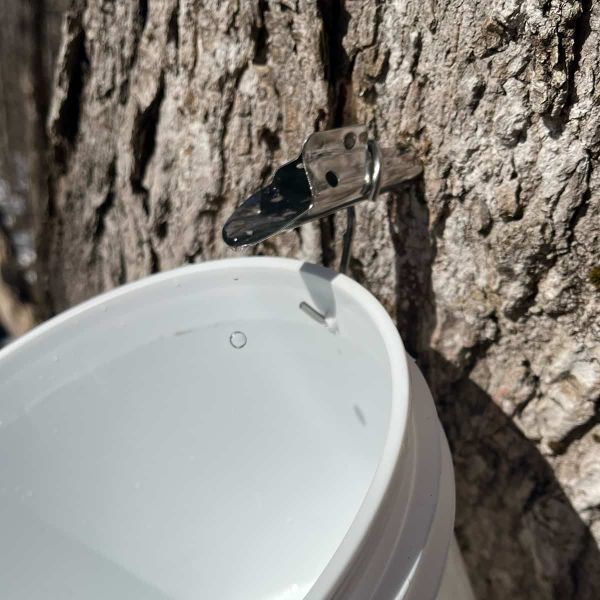
A metal spout or tap inserted into the deeply furrowed bark of a sugar maple tree (Acer saccharum) for syrup collection, with

Close Encounters

Tree-Microbe relationships run deep

Inside a tree can live up to one trillion beings. But seeing the bacteria hidden in its woody tissue takes a lot of work.
Alun Salt · 7 Aug 2025

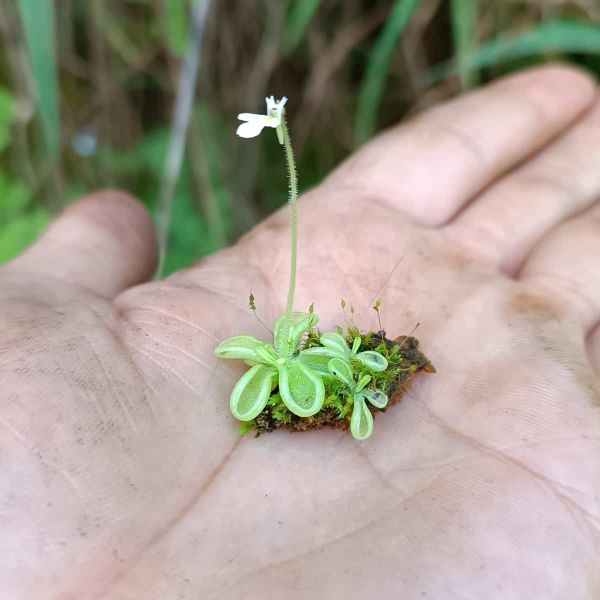
A tiny Pinguicula crenatiloba butterwort plant held in a human palm, showing the remarkable scale difference. The carnivorous

Close Encounters

A tiny carnivore with a voracious appetite

A tiny butterwort found in Mexico has surprised scientists with its ability to catch prey. It has to be efficient as it has only a brief time to get everything prepared for the next generation.

Alun Salt · 6 Aug 2025

← Newer Page 2 of 23 Older →

The week's plant science, in your inbox on Monday.

One email a week, from the nonprofit Annals of Botany Company. Unsubscribe any time.

Read in
  • ZH
  • DE
  • EN
  • ES
  • FR
  • JA
  • PT
  • Sign up
© The Annals of Botany Company